
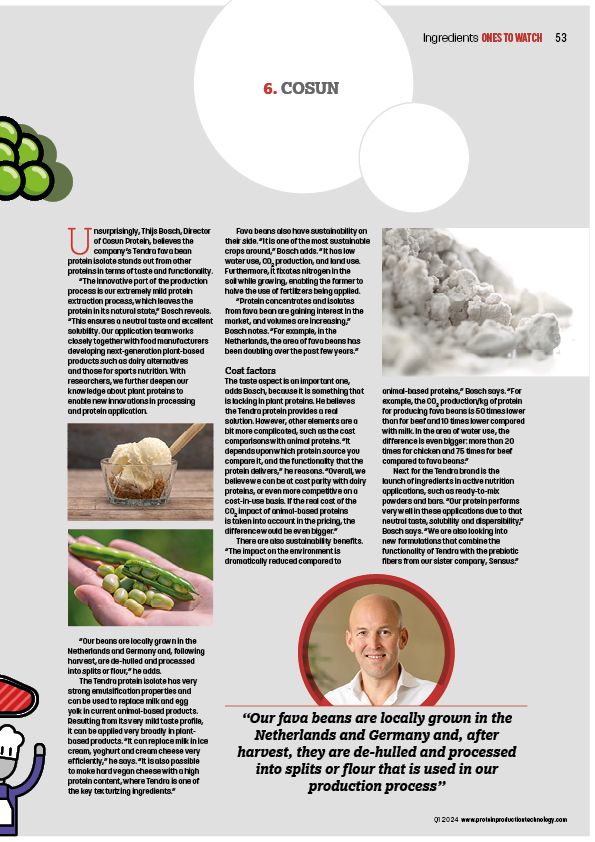
Alternative‑protein innovators are reshaping the food system by offering lower‑carbon protein options that can help curb climate change while feeding a growing population.
Quick Answer
Alternative‑protein companies develop plant‑based, fungal, or cell‑cultured products that replace conventional meat, dairy, and eggs, thereby reducing the greenhouse‑gas emissions, land use, and water withdrawals associated with livestock agriculture. Life‑cycle analyses from the Food and Agriculture Organization (FAO) and the Intergovernmental Panel on Climate Change (IPCC) show that well‑designed plant‑based proteins can emit 70–90% less CO₂e than beef, while cell‑cultured meat may cut emissions by 40–60% compared with conventional meat, depending on energy sources. The primary impact is a measurable mitigation of climate change, though uncertainties remain around large‑scale cultivation of cultured cells and the sourcing of inputs for novel ingredients.
Key Takeaways
- Livestock production is responsible for roughly 14% of global greenhouse‑gas emissions (FAO, 2013).
- Plant‑based proteins can lower emissions by up to 90% per kilogram of product compared with beef.
- Fungal‑based and cell‑cultured proteins offer additional pathways to reduce land and water footprints.
- Scientific evidence is strongest for plant‑based meat; data on cultured meat are still emerging.
- Scaling these alternatives requires supportive policies, affordable energy, and consumer acceptance.
What Is Best Alternative Protein Companies Driving a Low‑Carbon Food Future?
The term refers to businesses that create protein foods—such as burgers, nuggets, milk, or egg substitutes—using non‑animal sources that generate fewer greenhouse‑gas emissions, require less arable land, and demand less freshwater than traditional livestock production. The sector includes three main sub‑categories:
- Plant‑based protein firms that extract, isolate, or ferment proteins from legumes, grains, or oilseeds (e.g., Beyond Meat, Impossible Foods, Oatly).
- Mycelium‑based companies that grow fungal biomass to deliver protein and texture (e.g., MycoTechnology).
- Cellular‑agriculture startups that cultivate animal cells in bioreactors to produce real meat without raising animals (e.g., Memphis Meats, now Upside Foods).
These companies differ from conventional food processors because they embed sustainability goals—lower carbon intensity, reduced resource use, and often a focus on animal‑welfare—into product design and business models.
How Does It Work?
Plant‑Based Protein Production
- Selection of high‑protein crops (peas, soy, lentils, oats) based on agronomic efficiency.
- Mechanical or wet extraction isolates protein isolates or concentrates.
- Formulation blends isolates with fats, binders, and flavor precursors; some companies add heme (Impossible Foods) to mimic meat flavor.
- Extrusion or shear‑cell technology creates fibrous textures that resemble muscle fibers.
- Products are packaged and distributed, often with a lower thermal‑processing energy demand than animal meat.
Mycelium‑Based Protein Production
- Fungal spores are inoculated into a substrate of agricultural waste (e.g., corn stover).
- The mycelium grows, converting complex carbohydrates into protein‑rich biomass.
- Harvested mycelium is dried, milled, and combined with flavor and texture agents.
- Because the process uses no arable land for feed, it can achieve high protein yields per hectare.
Cell‑Cultured Meat Production
- Animal cells (muscle or stem cells) are obtained from a biopsy of a livestock animal.
- Cells are placed in a sterile bioreactor with a growth medium containing amino acids, sugars, and growth factors.
- Scaffolding materials guide cells to form three‑dimensional tissue.
- Bioreactors supply oxygen, remove waste, and maintain temperature and pH, enabling cell proliferation.
- After reaching sufficient mass, the tissue is harvested, seasoned, and packaged.
What Does the Evidence Show?
Life‑cycle assessments (LCAs) compiled by the IPCC and peer‑reviewed meta‑analyses (e.g., Poore & Nemecek 2018, Science) consistently find that:
- Plant‑based burgers emit 3–6 kg CO₂e kg⁻¹, compared with 27 kg CO₂e kg⁻¹ for conventional beef.
- Oat‑based milk uses about 70% less water than dairy milk and produces roughly one‑third the GHG emissions (FAO, 2021).
- Mycelium protein can achieve yields of 10 t ha⁻¹ per year with a carbon footprint comparable to legumes (peer‑reviewed study, 2022).
- Early LCAs for cultured chicken and beef suggest 40–60% lower GHG emissions, but results vary widely with electricity mix and serum‑free media efficiency (Nature Food, 2023).
These findings are reinforced by farm‑level experiments that show reduced nitrogen runoff when legumes replace grain‑fed livestock, and by satellite monitoring that documents lower land‑cover change in regions adopting plant‑based product lines.
Main Causes or Drivers
Direct Causes
- High methane emissions from enteric fermentation in ruminants.
- Deforestation and land conversion for feed‑crop cultivation.
- Intensive water withdrawals for animal drinking, cleaning, and feed irrigation.
Underlying Drivers
- Growing global protein demand projected to rise 70% by 2050 (FAO, 2022).
- Consumer willingness to pay a premium for sustainable foods, as shown in market surveys (McKinsey, 2021).
- Policy incentives such as carbon pricing and sustainability labeling that favor low‑impact products.
Environmental and Human Impacts
Environmental Impacts
Replacing a portion of animal protein with alternative proteins can:
- Reduce global GHG emissions by an estimated 0.5–1.0 Gt CO₂e yr⁻¹ if 25% of meat consumption shifted to plant‑based alternatives (IPCC, 2022).
- Free up cropland, allowing reforestation or biodiversity restoration, especially in the Amazon and Southeast Asia.
- Lower nitrogen and phosphorus runoff that contributes to eutrophication of freshwater and coastal ecosystems.
Human Health and Social Impacts
Alternative proteins can lower saturated‑fat intake and eliminate antibiotic‑resistant bacteria associated with intensive livestock, supporting public‑health goals. However, nutrient profiles vary; some products require fortification with vitamin B12, iron, or zinc to match animal‑source nutrition.
Regional Differences
Adoption patterns differ worldwide:
- North America and Europe show the highest per‑capita sales of plant‑based burgers (Euromonitor, 2023).
- In Asia, cultured‑meat pilots are gaining regulatory approval, but consumer taste preferences favor soy‑based products.
- Africa’s livestock‑dependent economies face trade‑offs; reducing imports of meat could improve trade balance but may affect livelihoods tied to pastoralism.
These regional nuances reflect differences in dietary culture, energy mix, and policy environments.
What Scientists Know With High Confidence
- Livestock agriculture is a major source of anthropogenic methane and nitrous‑oxide emissions.
- Plant‑based proteins consistently have lower life‑cycle GHG emissions than animal‑based equivalents.
- Land‑use efficiency of legumes and fungi exceeds that of grain‑fed livestock.
- Consumer willingness to try sustainable protein alternatives is growing globally.
What Remains Uncertain
Key gaps include the energy intensity of large‑scale cell‑culture facilities, the long‑term durability of mycelium‑derived textures, and the socio‑economic effects on smallholder livestock farmers. Ongoing pilot studies and transparent LCA reporting are needed to resolve these uncertainties.
Common Misconceptions
Misconception: All alternative proteins are completely carbon‑neutral.
Reality: While they have lower footprints, production still emits CO₂e, especially when electricity comes from fossil fuels.
Misconception: Cultured meat is identical to conventional meat in taste and nutrition.
Reality: Current prototypes replicate texture but may lack the exact flavor profile and require fortification to match nutrient content.
Misconception: Switching to alternatives eliminates the need for agricultural land.
Reality: Some land will still be needed for feed crops, fiber, and raw material production, though overall demand drops substantially.
Solutions and Limitations
Three broad response strategies are emerging:
- Mitigation through product substitution: Scaling plant‑based and fungal proteins can cut emissions, but market penetration depends on price competitiveness and supply‑chain logistics.
- Technology development for cultured meat: Promises further reductions, yet high capital costs, energy demand, and regulatory pathways limit near‑term impact.
- Policy and incentive frameworks: Carbon taxes, sustainable‑procurement standards, and research grants accelerate adoption, but must be designed to avoid disadvantaging low‑income consumers.
Each strategy carries trade‑offs: bio‑based ingredients may compete with food‑for‑feed uses; cultured meat could increase electricity demand; policy measures risk unintended market distortions if not carefully calibrated.
What Individuals, Communities, and Governments Can Do
What Individuals Can Do
- Incorporate at least one plant‑based protein meal per week to lower personal dietary carbon footprint.
- Choose products with transparent LCA data or third‑party certifications (e.g., Carbon Trust).
- Support local producers of legumes, oats, and mushrooms to reduce transportation emissions.
What Communities and Organizations Can Do
- Implement institutional procurement policies that prioritize low‑carbon protein sources for schools and hospitals.
- Facilitate shared‑kitchen incubators for start‑ups developing fungal or cultured products.
- Run educational workshops that explain nutrition differences and debunk myths.
What Governments Can Do
- Introduce carbon pricing that internalizes the climate cost of livestock production.
- Fund public‑research partnerships to improve cell‑culture media efficiency and scale.
- Update dietary guidelines to include sustainable protein options alongside health recommendations.
Synthesis
Alternative‑protein companies are leveraging plant, fungal, and cellular technologies to cut the carbon intensity of the global food system. Robust evidence confirms that plant‑based proteins already deliver substantial emission reductions, while cultured meat and mycelium approaches hold promise but require further data. Regional adoption will vary, and policy, consumer behavior, and infrastructure will determine the scale of impact. By understanding the science, acknowledging uncertainties, and supporting evidence‑based actions, societies can move toward a low‑carbon, nutritionally adequate food future.
Frequently Asked Questions
What defines an alternative protein company?
An alternative protein company creates food products that replace animal‑based protein with plant‑derived, fungal, or cell‑cultured ingredients, aiming to reduce greenhouse‑gas emissions, land use, and water consumption compared with conventional livestock production.
How much lower are the emissions of plant‑based burgers compared with beef?
Life‑cycle assessments show that a typical plant‑based burger emits about 3–6 kg CO₂e per kilogram of product, whereas a comparable beef burger emits roughly 27 kg CO₂e per kilogram, representing a reduction of 70–90%.
What are the main environmental benefits of mycelium‑based proteins?
Mycelium proteins grow on agricultural waste, require no arable land for feed, achieve high yields (around 10 t ha⁻¹ yr⁻¹), and have a carbon footprint comparable to legumes, thereby reducing land conversion, deforestation, and associated greenhouse‑gas emissions.
Why is there uncertainty around the climate impact of cultured meat?
Cultured meat’s emissions depend heavily on the energy source for bioreactors and the efficiency of serum‑free growth media; current studies show a wide range of 40–60% emission reductions, so more data from commercial‑scale facilities are needed.
What actions can governments take to accelerate low‑carbon protein adoption?
Governments can implement carbon pricing on livestock emissions, fund research to improve cell‑culture media efficiency, and revise dietary guidelines to highlight sustainable protein options, creating economic incentives and public awareness for low‑carbon foods.





Leave a Comment