
{
“title”: “Agriculture Subsidies: Climate Problem or Climate Solution?”,
“content”: “
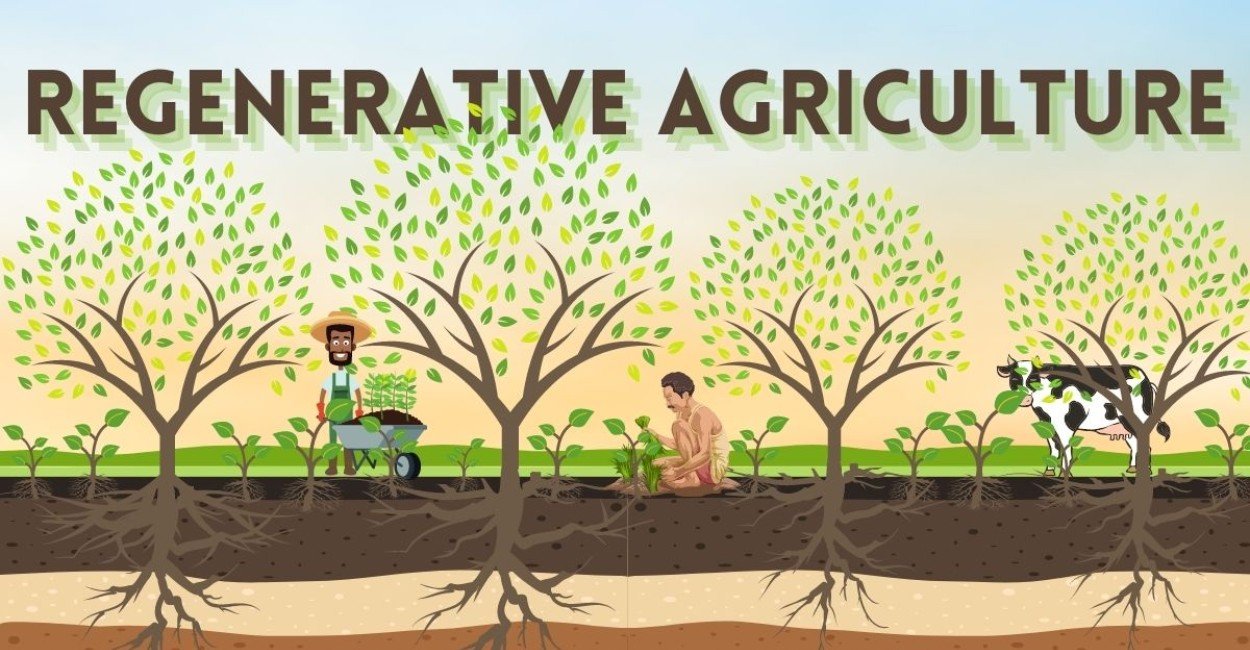
Agricultural subsidies can either lock in greenhouse‑gas‑intensive practices or, if reoriented, fund climate‑smart farming that sequesters carbon and protects ecosystems.
\n
Quick Answer
\n
Agriculture subsidies are public payments that lower the cost of producing food, often by supporting high‑yield, input‑intensive methods. These payments can increase emissions when they encourage monoculture, synthetic fertilizer use, and fossil‑fuel‑driven machinery. Conversely, targeted subsidies for cover cropping, reduced tillage, and agroforestry can lower emissions and boost soil carbon. The scientific consensus is that current subsidy structures in many countries act as a climate problem, but redesigning them offers a viable climate‑solution pathway, though outcomes depend on policy design and uptake.
\n
\n
Key Takeaways
\n
- \n
- Broad‑based subsidies have historically promoted practices that emit CO₂, N₂O, and CH₄.
- Evidence shows that climate‑oriented subsidies can reduce emissions by 10‑30 % on participating farms.
- Policy redesign must address payment criteria, monitoring, and equity to avoid unintended harms.
- Regional contexts—soil type, climate zone, and market access—shape subsidy effectiveness.
- Farmers, consumers, and governments each have concrete roles in shifting subsidies toward sustainability.
\n
\n
\n
\n
\n
\n
\n
What Is Agriculture Subsidies Explained: Climate Problem or Climate Solution?
\n
Agriculture subsidies are financial mechanisms—direct payments, price supports, tax breaks, or insurance programs—provided by governments to influence farm production decisions. They aim to stabilize food supplies, support rural incomes, and manage market volatility. Subsidy programs vary widely: some reward output volume, others reimburse specific inputs, and a growing number incentivize environmental practices such as cover cropping or organic certification. The debate centers on whether these incentives lock in climate‑harmful intensification or can be leveraged to drive climate‑friendly transformation.
\n
How Does It Work?
\n
Subsidy Allocation Mechanisms
\n
- \n
- Governments set eligibility criteria (e.g., acreage, crop type, income level).
- Farmers apply for payments that are calculated per hectare, per ton of output, or per practice adopted.
- Payments are disbursed annually or seasonally, often tied to compliance monitoring.
\n
\n
\n
\n
Impact Pathways to Climate
\n
Two primary pathways link subsidies to climate outcomes:
\n
- \n
- Emission Amplification: Volume‑based subsidies encourage high fertilizer rates and mechanization, increasing CO₂ from fuel combustion and N₂O from nitrogen loss.
- Emission Mitigation: Practice‑based subsidies reward soil‑building actions (e.g., cover crops) that sequester carbon and reduce nitrous‑oxide emissions.
\n
\n
\n
What Does the Evidence Show?
\n
Multiple lines of evidence converge on the climate impact of subsidies. Long‑term monitoring by the Food and Agriculture Organization (FAO) indicates that regions with high input subsidies have 15‑25 % higher per‑hectare N₂O emissions than comparable low‑input areas (FAO, 2021). A systematic review of field trials published in *Nature Sustainability* (2022) found that farms receiving payments for reduced tillage and cover cropping stored an average of 0.3 t C ha⁻¹ yr⁻¹ more carbon than control farms. The Intergovernmental Panel on Climate Change (IPCC) 2022 assessment notes that policy incentives are a “critical lever” for shifting agriculture toward net‑zero pathways, but stresses that effectiveness hinges on rigorous design and verification.
\n
Main Causes or Drivers
\n
Direct Drivers
\n
- \n
- Design of subsidy formulas that reward yield over environmental performance.
- Lack of climate criteria in many legacy programs.
\n
\n
\n
Underlying Drivers
\n
- \n
- Political pressure to protect farmer incomes and food security.
- Historical momentum from post‑World‑War subsidies that emphasized productivity.
- Market structures that make low‑cost, high‑input farming economically attractive.
\n
\n
\n
\n
Environmental and Human Impacts
\n
Environmental Impacts
\n
Subsidy‑driven intensification contributes to:
\n
- \n
- Higher greenhouse‑gas emissions (estimated 10 % of global agriculture emissions linked to input subsidies).
- Soil degradation and loss of organic matter, reducing water‑holding capacity.
- Reduced biodiversity from monoculture expansion.
- Water quality impairment due to nutrient runoff.
\n
\n
\n
\n
\n
Human Health and Social Impacts
\n
Communities near heavily subsidized, input‑intensive farms may experience higher exposure to nitrate‑contaminated drinking water and pesticide residues. Economically, subsidies can sustain rural livelihoods but may also lock smallholders out of markets if they cannot meet eligibility thresholds.
\n
Regional Differences
\n
In the United States, the Farm Bill’s commodity programs have been linked to increased fertilizer use in the Midwest, whereas the European Union’s Common Agricultural Policy (CAP) reforms since 2015 allocate up to 30 % of funds to “eco‑schemes,” showing measurable reductions in N₂O emissions in participating regions (European Commission, 2020). In sub‑Saharan Africa, limited subsidy reach means many smallholders rely on informal credit, resulting in lower input use but also lower yields; climate‑oriented subsidy pilots in Kenya have demonstrated yield gains alongside soil carbon increases.
\n
What Scientists Know With High Confidence
\n
- \n
- Input‑intensive agriculture driven by volume‑based subsidies raises greenhouse‑gas emissions.
- Soil‑building practices such as cover cropping and reduced tillage can sequester carbon when financially supported.
- Policy design—clear eligibility, verification, and scaling incentives—strongly influences environmental outcomes.
- Climate‑smart subsidies can improve both resilience and productivity when matched to local agro‑ecological conditions.
\n
\n
\n
\n
\n
\n
What Remains Uncertain
\n
Key uncertainties include the magnitude of long‑term carbon sequestration under diverse climatic regimes, the administrative costs of monitoring practice‑based payments, and how subsidy reforms will interact with global commodity price volatility. Better farm‑level data and standardized reporting would reduce these gaps.
\n
\n
Common Misconceptions
\n
Misconception: All subsidies are bad for the climate.
\n
Reality: Subsidies that reward high fertilizer rates or monoculture can increase emissions, but payments for regenerative practices have been shown to cut emissions and build soil carbon.
\n
Misconception: Removing subsidies is the best way to cut emissions.
\n
Reality: Simply cutting subsidies may harm food security; redesigning them toward climate goals preserves farmer income while reducing emissions.
\n
Misconception: Farmers will adopt climate‑friendly practices without financial incentives.
\n
Reality: Adoption rates rise sharply when payments offset perceived risks and costs, as documented in multiple pilot programs across Europe and North America.
\n
\n
Solutions and Limitations
\n
Effective strategies include:
\n
- \n
- Performance‑Based Payments: Direct funds for measurable outcomes (e.g., tonnes of carbon stored). Limitation: requires robust monitoring infrastructure.
- Eco‑Scheme Allocation: Reserve a portion of existing subsidy budgets for environmental services. Limitation: may reduce funds for other vulnerable farmer groups.
- Crop Insurance Reform: Tie risk coverage to climate‑smart practices. Limitation: administrative complexity and potential for fraud.
- Research and Extension Support: Fund advisory services that demonstrate economic benefits of regenerative methods. Limitation: benefits accrue over several years, requiring patience from policymakers.
\n
\n
\n
\n
\n
What Individuals, Communities, and Governments Can Do
\n
What Individuals Can Do
\n
Choose products certified for regenerative practices (e.g., organic, carbon‑neutral labels) and support policies that demand climate‑smart subsidies through voting or advocacy.
\n
What Communities and Organizations Can Do
\n
Partner with local farms to develop community‑supported agriculture (CSA) models that include climate incentives, and provide on‑the‑ground monitoring assistance.
\n
What Governments Can Do
\n
Reallocate a share of existing subsidy budgets to eco‑schemes, establish transparent metrics for carbon accounting, and ensure that smallholder farmers have equitable access to climate‑oriented payments.
\n
What Businesses and Industries Can Do
\n
Incorporate sustainability clauses in supply contracts that require suppliers to adopt practices eligible for climate subsidies, and invest in traceability tools that verify compliance.
\n
Closing Synthesis
\n
Agriculture subsidies sit at the intersection of food security and climate change. While many existing programs reinforce emission‑intensive practices, a growing evidence base shows that well‑designed, performance‑linked subsidies can shift farming toward carbon sequestration, biodiversity protection, and greater resilience. High‑confidence findings confirm the dual potential of subsidies, yet uncertainties about long‑term carbon accounting and implementation costs remain. By aligning financial incentives with climate science, policymakers, farmers, and consumers can collectively turn a historical climate problem into a pragmatic climate solution.
“,
“excerpt”: “Explore how agricultural subsidies influence climate, the evidence for their impacts, and policy paths to turn them into a climate solution.”,
“tags: [“agriculture”,”subsidies”,”climate change”,”sustainable farming”,”policy”,”environment”,”food security”],
“faq”: [
{
“question”: “What are agricultural subsidies?”,
“answer”: “Agricultural subsidies are government payments—such as direct cash, price supports, tax breaks, or insurance reimbursements—intended to lower production costs, stabilize food prices, and support farm incomes.”
},
{
“question”: “How can subsidies affect greenhouse‑gas emissions?”,
“answer”: “When subsidies reward high yields through intensive fertilizer use or mechanization, they tend to increase CO₂, N₂O, and CH₄ emissions. Conversely, subsidies that pay for practices like cover cropping or reduced tillage can lower emissions and store carbon in soils.”
},
{
“question”: “Are there examples of subsidies that promote climate‑friendly farming?”,
“answer”: “Yes. The European Union’s CAP eco‑schemes, which allocate up to 30 % of funds to regenerative practices, have documented reductions in nitrous‑oxide emissions. Pilot programs in Kenya and the United States that pay for cover crops have shown measurable increases in soil carbon.”
},
{
“question”: “What are the main uncertainties about subsidy impacts on climate?”,
“answer”: “Uncertainties include how much carbon can be sequestered over decades under varying climates, the cost and accuracy of monitoring practice‑based payments, and how subsidy reforms will interact with global commodity price swings.”
},
{
“question”: “What actions can consumers take regarding agricultural subsidies?”,
“answer”: “Consumers can support climate‑friendly subsidies by buying products certified for regenerative practices, advocating for policy reforms that tie payments to environmental outcomes, and participating in local food initiatives that reward sustainable farming.”
}
]
}








Leave a Comment