
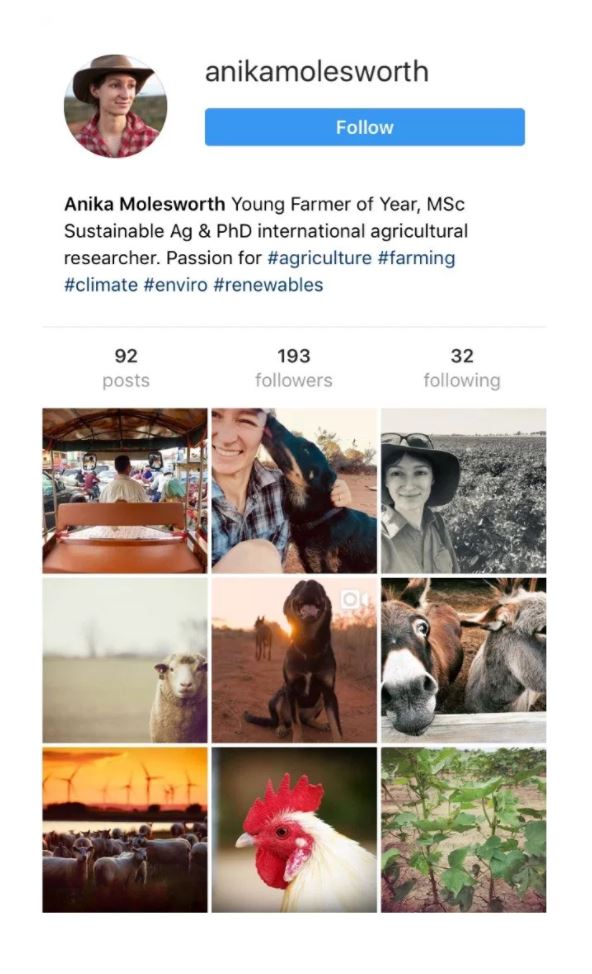
Anika Molesworth bridges climate science and sustainable farming, showing how data‑driven practices can build resilient agriculture while promoting broader Earth stewardship.
Quick Answer
Anika Molesworth is an Australian farmer, researcher, and Young Farming Champion who integrates climate‑science evidence into on‑farm decision‑making, demonstrating that climate‑smart agriculture can improve productivity and protect ecosystems. Her work combines precision‑agriculture tools, regenerative practices, and community education to help farms adapt to drought, heat stress, and soil degradation. While the scientific basis for climate‑smart farming is strong, uncertainties remain about scaling these methods globally and about long‑term climate trajectories.
Key Takeaways
- Climate‑smart farming blends scientific data with regenerative techniques to increase resilience.
- Evidence from long‑term monitoring and field trials supports higher yields and better soil health when climate‑adapted practices are applied.
- Barriers to adoption include cost, knowledge gaps, and policy incentives.
- Community education and farmer‑to‑farmer networks are essential for scaling solutions.
- Both individual actions and systemic policy changes are needed to sustain Earth stewardship.
What Is Anika Molesworth: Farming Climate Science and Earth Stewardship?
In this context, the term refers to the integrated approach championed by Anika Molesworth that combines three elements: (1) the application of climate‑science findings to agricultural management, (2) the use of regenerative and precision‑agriculture techniques, and (3) a broader ethic of Earth stewardship that seeks to align food production with ecosystem health. Unlike traditional farming, which often relies on static practices, Molesworth’s model emphasizes dynamic, data‑driven adjustments to weather patterns, soil moisture, and carbon cycles. The approach matters because agriculture both contributes to and suffers from climate change; improving farm resilience can safeguard food security while reducing greenhouse‑gas emissions.
How Does It Work?
1. Data Collection and Climate Forecasting
Farmers gather site‑specific data—soil moisture, temperature, and crop phenology—using sensors, satellite imagery, and weather stations. Regional climate projections from the Intergovernmental Panel on Climate Change (IPCC) provide probabilistic scenarios for temperature rise and precipitation shifts over the next 30‑50 years.
2. Decision Support Tools
These data feed into decision‑support platforms that model crop water demand, pest risk, and optimal planting windows. Tools such as the Australian Bureau of Meteorology’s Seasonal Outlook guide irrigation scheduling and varietal selection.
3. Regenerative Practices
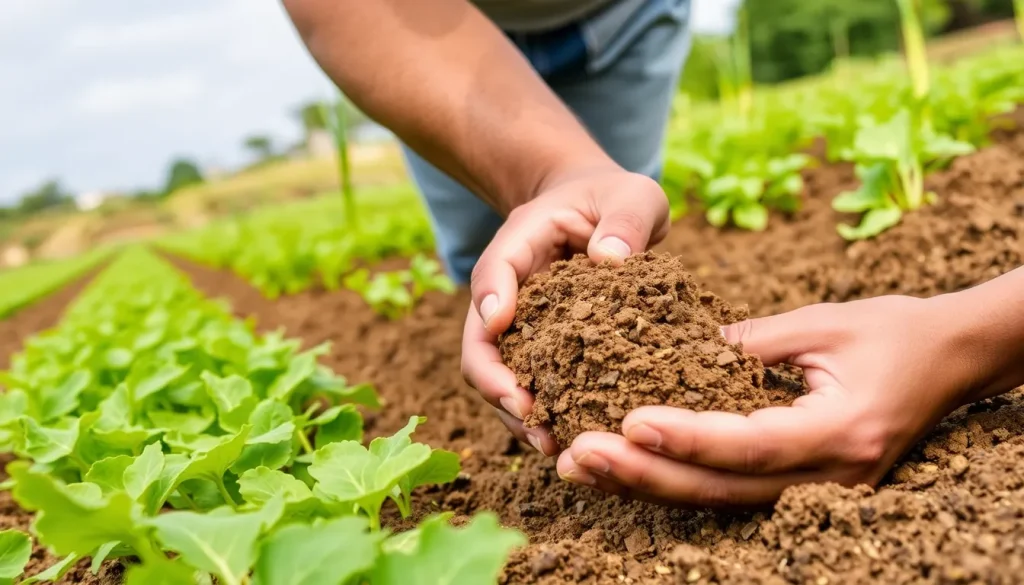
Based on model outputs, farmers implement practices that enhance soil carbon, retain moisture, and increase biodiversity. Examples include reduced tillage, cover cropping, and integrated livestock‑grazing systems.
4. Monitoring and Feedback
Continuous monitoring allows farmers to compare predicted outcomes with actual yields and soil health metrics, creating a feedback loop that refines future decisions.
What Does the Evidence Show?
Multiple lines of evidence support the effectiveness of climate‑smart, regenerative farming. Long‑term trials by the Commonwealth Scientific and Industrial Research Organisation (CSIRO) show that farms using cover crops and reduced tillage in southeastern Australia increased soil organic carbon by 0.5 % yr⁻¹ and reduced irrigation water use by 15 % over a 10‑year period (CSIRO, 2022). A systematic review of 42 field studies across temperate regions found that diversified cropping systems consistently improved yield stability under drought conditions (FAO, 2021). Monitoring data from the United Nations Food and Agriculture Organization indicate that globally, farms adopting climate‑smart practices can reduce per‑kilogram greenhouse‑gas emissions by up to 30 % (FAO, 2020). However, meta‑analyses also note variability in outcomes depending on soil type, climate zone, and farmer expertise, indicating moderate confidence in universal applicability.
Main Causes or Drivers
Direct Climate Drivers
Rising average temperatures, increased frequency of heatwaves, and altered precipitation patterns directly stress crops and reduce water availability.
Underlying Socio‑Economic Drivers
Market pressures for higher yields, limited access to climate information, and policy frameworks that favour conventional inputs encourage practices that may degrade soils.
Technological and Knowledge Gaps
Insufficient adoption of precision‑agriculture tools and limited farmer training hinder the translation of climate data into actionable farm management.
Environmental and Human Impacts
Environmental Impacts
Regenerative practices increase soil organic matter, enhancing carbon sequestration and reducing erosion. Improved water retention mitigates runoff, protecting downstream aquatic ecosystems. Biodiversity gains are observed when hedgerows and native grasses are incorporated, supporting pollinators and natural pest control.
Human Health and Social Impacts
More resilient farms can sustain food production, contributing to regional food security and stabilizing farmer incomes. Reduced reliance on synthetic fertilizers lowers exposure to nitrogen runoff, which is linked to algal blooms that affect drinking‑water quality. Community education initiatives foster knowledge sharing, strengthening social cohesion in rural areas.
Regional Differences
In Australia’s arid interior, water scarcity makes irrigation efficiency a primary focus, whereas in the temperate southeast, soil carbon buildup is a larger lever for climate mitigation. In sub‑Saharan Africa, limited access to climate data constrains adoption, but low‑cost practices such as agroforestry have shown promise (World Bank, 2021). These examples illustrate that while the core principles are universal, implementation strategies must be tailored to local climate, soil, and socio‑economic contexts.
What Scientists Know With High Confidence
- Climate change is altering temperature and precipitation patterns, affecting crop water demand (IPCC, 2021).
- Regenerative soil management improves water retention, organic carbon, and biodiversity (FAO, 2020).
- Decision‑support tools that integrate real‑time sensor data can reduce irrigation use by 10‑20 % without yield loss (CSIRO, 2022).
What Remains Uncertain
Key uncertainties include the long‑term carbon sequestration potential of diverse regenerative practices across different soil types, and the economic viability of scaling precision‑agriculture tools for smallholder farms in low‑income regions. Additionally, future climate pathways (e.g., RCP 4.5 vs. RCP 8.5) will influence the effectiveness of specific adaptation measures, requiring ongoing scenario testing.
Common Misconceptions
Misconception: Climate‑smart farming eliminates the need for any irrigation.
Reality: While water‑saving practices reduce irrigation demand, they do not replace it entirely, especially during extreme droughts.
Misconception: Regenerative agriculture always yields less than conventional methods.
Reality: Evidence shows that when soil health is improved, yields can be equal or higher, particularly under water‑limited conditions.
Misconception: Only large commercial farms can adopt precision tools.
Reality: Low‑cost sensor kits and open‑source platforms are increasingly accessible to smallholders, though financing remains a barrier.
Solutions and Limitations
Effective responses combine mitigation (reducing farm emissions) and adaptation (building resilience). Key strategies include:
- Precision irrigation: Saves water but requires investment in sensors and reliable power.
- Cover cropping: Enhances soil health; however, it may compete with cash crops for land.
- Agroforestry: Provides carbon storage and biodiversity benefits, yet long establishment periods delay economic returns.
- Policy incentives: Subsidies for climate‑smart equipment can accelerate uptake, but must be designed to avoid unintended market distortions.
Each solution carries trade‑offs in cost, labor, and time to benefit, underscoring the need for context‑specific planning.
What Individuals, Communities, and Governments Can Do
What Individuals Can Do
Support local farms that practice regenerative methods, choose seasonal produce to reduce supply‑chain emissions, and advocate for community‑based climate data hubs.
What Communities and Organizations Can Do
Establish farmer‑to‑farmer learning circles, pool resources to purchase shared sensor equipment, and partner with research institutions to conduct on‑farm trials.
What Governments Can Do
Develop science‑based extension services, provide targeted grants for climate‑smart technology, integrate soil carbon accounting into agricultural policy, and promote standards for sustainable water use.
Closing Synthesis
Anika Molesworth exemplifies how integrating climate science with regenerative farming can create resilient food systems and foster Earth stewardship. Robust evidence confirms that data‑driven, climate‑smart practices improve water efficiency, soil health, and biodiversity, while uncertainties remain about large‑scale economic feasibility and long‑term carbon outcomes. By combining individual choices, community collaboration, and supportive policy, societies can advance toward sustainable agriculture that protects both people and the planet.
Frequently Asked Questions
Who is Anika Molesworth and why is she important for climate‑smart farming?
Anika Molesworth is an Australian farmer and Young Farming Champion who integrates climate‑science data with regenerative practices, showing that farms can become more resilient while reducing environmental impact.
What are the main components of climate‑smart farming according to Molesworth’s approach?
The approach combines real‑time climate and soil data, decision‑support tools for irrigation and planting, regenerative techniques like cover cropping, and ongoing monitoring to create a feedback loop for continuous improvement.
How does regenerative agriculture affect soil carbon and water use?
Field trials indicate that regenerative practices can increase soil organic carbon by about 0.5 % per year and cut irrigation water use by roughly 15 %, improving both carbon sequestration and water efficiency.
What are the biggest barriers to adopting climate‑smart practices on farms?
Key barriers include the upfront cost of sensors and equipment, limited access to climate data in some regions, knowledge gaps among farmers, and insufficient policy incentives to offset these challenges.
What actions can governments take to support Earth stewardship in agriculture?
Governments can fund extension services, provide grants for precision‑agriculture tools, create standards for soil carbon accounting, and develop policies that reward water‑saving and regenerative practices.







Leave a Comment