
Apple aims to achieve carbon neutrality across its entire supply chain and product life cycle by 2030, using renewable energy, circular design, and carbon‑removal projects to reduce emissions and set a benchmark for tech‑sector sustainability.
Quick Answer
Apple’s carbon‑neutrality goal means that, by 2030, the company intends to balance any remaining greenhouse‑gas emissions from its operations, manufacturing partners, and product use with an equivalent amount of carbon removal or offset. The plan relies on three pillars: (1) switching to 100% renewable electricity, (2) redesigning products for durability and recyclability, and (3) investing in nature‑based and technological carbon‑removal solutions. While the strategy is grounded in strong climate‑science evidence, uncertainties remain around supplier participation and the scalability of removal technologies.
Key Takeaways
- Apple targets net‑zero emissions for its entire value chain by 2030.
- Renewable energy procurement and on‑site generation will cover most of its operational power.
- Product redesign focuses on a circular economy: longer life, easier disassembly, and higher recycled‑material content.
- Carbon‑removal projects, such as reforestation and direct‑air‑capture pilots, address emissions that cannot be eliminated.
- Transparent reporting and supplier‑level commitments are essential for credibility.
What Is Apple’s Plan to Go Carbon Neutral by 2030 Explained?
Apple’s carbon‑neutrality pledge is a corporate climate‑action strategy that covers three domains: its own facilities, the global network of suppliers that manufacture components, and the full life cycle of its products—from raw material extraction to end‑of‑life recycling. Unlike a simple “carbon‑neutral” claim that may apply only to a single facility, Apple’s approach attempts to balance emissions across the entire value chain, an effort often termed “scope 3” neutrality in greenhouse‑gas accounting.
How Does It Work?
1. Renewable Energy Transition
Apple contracts with utility providers and installs on‑site solar and wind farms to supply 100 % renewable electricity to its corporate campuses and data centers. By 2023, more than 80 % of Apple’s global facilities were already powered by renewables, according to the company’s environmental progress reports.
2. Supplier Clean‑Energy Program
Apple works with over 200 Tier‑1 suppliers, encouraging them to adopt renewable‑energy contracts or on‑site generation. The program offers financial incentives, technical guidance, and a public “Clean Energy Commitment” that tracks progress annually.
3. Circular Product Design
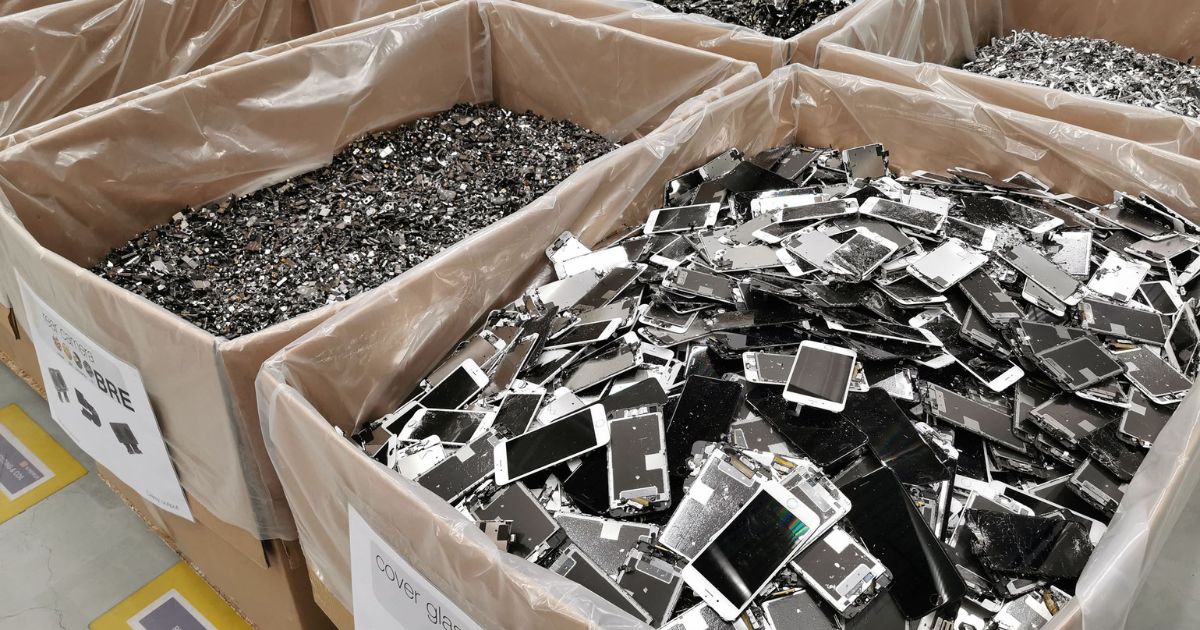
New iPhone and Mac models incorporate recycled aluminum, tin, and rare‑earth elements. Design for disassembly enables automated recovery of high‑purity materials, reducing the need for virgin extraction. Apple’s “Daisy” robot, for example, can disassemble up to 200 iPhones per hour, extracting usable components for reuse.
4. Carbon‑Removal Investments
Because some emissions (e.g., from logistics or legacy equipment) are hard to eliminate, Apple funds nature‑based solutions such as forest restoration in Brazil and Kenya, and supports emerging direct‑air‑capture (DAC) pilots in the United States. These projects generate verified carbon credits that offset residual emissions.
5. Transparency and Reporting
Apple publishes an annual Environmental Progress Report that follows the Greenhouse Gas Protocol, detailing emissions by scope, progress toward targets, and third‑party verification by firms such as SGS.
What Does the Evidence Show?
Multiple independent assessments support the feasibility of Apple’s three‑pillar approach. The International Energy Agency (IEA) notes that renewable‑energy procurement can reduce corporate electricity emissions by 70–90 % when paired with long‑term power‑purchase agreements (IEA, 2022). Peer‑reviewed research on circular electronics (e.g., a 2021 systematic review in *Resources, Conservation & Recycling*) finds that increasing recycled‑material content can cut life‑cycle emissions of smartphones by up to 30 %.
Carbon‑removal effectiveness is more uncertain. The Intergovernmental Panel on Climate Change (IPCC) classifies nature‑based removal (reforestation) as having “moderate” mitigation potential, while DAC technologies are classified as “emerging” with high cost and energy requirements (IPCC, 2022). Apple’s investments align with these assessments, but large‑scale deployment remains under study.
Main Causes or Drivers
Direct Causes
Electricity consumption in manufacturing facilities, transportation of components, and the energy used during product use are the primary sources of Apple‑related emissions.
Underlying Drivers
Global demand for consumer electronics drives rapid product turnover, leading to high material throughput and associated emissions. Additionally, the geographic dispersion of suppliers means that many factories rely on coal‑heavy grids, especially in East Asia.
Amplifying Factors
Supply‑chain complexity hampers uniform adoption of clean energy, and the short design cycles of smartphones limit the time available for incorporating recycled materials.
Environmental and Human Impacts
Environmental Impacts
Reduced fossil‑fuel electricity lowers CO₂ emissions, contributing to global climate mitigation. Increased recycling lessens demand for mining, which can protect habitats and reduce water‑use impacts associated with ore processing.
Human Health and Social Impacts
Cleaner manufacturing facilities improve air quality for workers, decreasing exposure to particulates and volatile organic compounds. Moreover, renewable‑energy projects can create local jobs and improve energy access in some regions.
Economic and Infrastructure Impacts
Investments in renewable infrastructure and recycling facilities stimulate new markets for recycled‑material supply chains, potentially lowering material costs over time.
Regional Differences
In China, where a large share of Apple’s component manufacturing occurs, the electricity mix in 2022 was still about 60 % coal‑derived (National Development and Reform Commission). Consequently, supplier clean‑energy transitions are crucial there. In contrast, European suppliers benefit from higher renewable‑share grids (≈40 % in 2022, Eurostat), making emissions reductions comparatively easier. Apple’s reforestation projects in Brazil target tropical deforestation hotspots, while DAC pilots in the United States address the need for high‑tech removal in regions with low renewable electricity density.
What Scientists Know With High Confidence
- Renewable electricity can cut operational CO₂ emissions by up to 90 % when contracts are long‑term.
- Circular design that increases recycled‑material content consistently reduces life‑cycle emissions.
- Supply‑chain emissions (Scope 3) dominate most technology companies’ carbon footprints.
- Nature‑based carbon removal provides measurable but limited sequestration compared with emissions‑avoidance.
What Remains Uncertain
Key uncertainties include the speed at which all Tier‑1 suppliers will secure renewable power, the long‑term durability and cost of DAC technologies, and the verification integrity of some carbon‑credit projects. Monitoring improvements in supplier reporting and scaling of removal pilots will be needed to resolve these gaps.
Common Misconceptions
Misconception: Apple’s claim means every single iPhone is carbon‑neutral.
Reality: The carbon‑neutral target applies to the aggregate emissions of Apple’s entire product portfolio and supply chain, not to individual devices.
Misconception: Offsetting alone can achieve true neutrality.
Reality: Offsets are intended to address residual emissions after all feasible reductions; reliance on offsets without emission cuts would not meet scientific best‑practice standards.
Misconception: Renewable energy automatically eliminates all emissions.
Reality: While electricity can become carbon‑free, embodied emissions in materials and logistics still require separate mitigation strategies.
Solutions and Limitations
Apple’s strategy combines mitigation (renewables, circular design) with removal (reforestation, DAC). Each component has trade‑offs:
- Renewable procurement is technically proven but depends on market availability and may face grid‑integration challenges.
- Circular design reduces material extraction but requires consumer participation in take‑back programs.
- Nature‑based removal offers co‑benefits for biodiversity but is limited by land availability and permanence concerns.
- DAC can theoretically remove CO₂ anywhere with electricity, yet current costs exceed $600 per tonne (IEA, 2023) and energy intensity is high.
What Individuals, Communities, and Governments Can Do
What Individuals Can Do
Participate in Apple’s trade‑in or recycling programs, choose refurbished devices, and demand transparency from manufacturers about supply‑chain emissions.
What Communities and Organizations Can Do
Support local e‑waste collection initiatives, partner with schools or NGOs to educate about product lifespan, and lobby for extended producer responsibility legislation.
What Governments Can Do
Implement standards for corporate greenhouse‑gas reporting, incentivize renewable‑energy contracts for large manufacturers, and fund research into scalable carbon‑removal technologies.
What Businesses and Industries Can Do
Adopt science‑based targets, share clean‑energy procurement data across supply chains, and invest in modular product designs that facilitate repair and reuse.
Synthesizing Apple’s Carbon‑Neutral Pathway
Apple’s 2030 carbon‑neutrality plan integrates renewable electricity, circular product design, and carbon‑removal projects to address the dominant sources of its emissions. High‑confidence evidence confirms that each pillar can meaningfully lower greenhouse‑gas output, yet uncertainties about supplier adoption rates and the scalability of removal technologies remain. By transparently reporting progress and collaborating across its global supply chain, Apple sets a benchmark that, if replicated, could drive broader decarbonisation in the technology sector.
Frequently Asked Questions
What does Apple’s carbon‑neutrality goal for 2030 include?
Apple’s goal covers all emissions from its own operations, the manufacturing of components by suppliers, and the full life cycle of its products, aiming to balance any remaining emissions with verified carbon‑removal projects.
How does Apple plan to use renewable energy in its strategy?
Apple contracts for renewable electricity, installs on‑site solar and wind farms, and works with suppliers to adopt clean‑energy sources, targeting 100 % renewable power for its facilities and encouraging the same for its supply chain.
What role does circular product design play in Apple’s plan?
Circular design increases the use of recycled materials, extends product lifespans, and enables easier disassembly, which together lower the carbon intensity of each device and reduce demand for virgin resource extraction.
Why are carbon‑removal projects part of Apple’s approach?
Some emissions, such as those from logistics or legacy equipment, cannot be eliminated; Apple funds reforestation and direct‑air‑capture pilots to offset these residual emissions with verifiable carbon credits.
What are the main uncertainties remaining about Apple’s 2030 target?
Key uncertainties involve how quickly all suppliers can secure renewable power, the future cost and scalability of direct‑air‑capture technology, and the long‑term verification of carbon‑credit projects.







Leave a Comment