
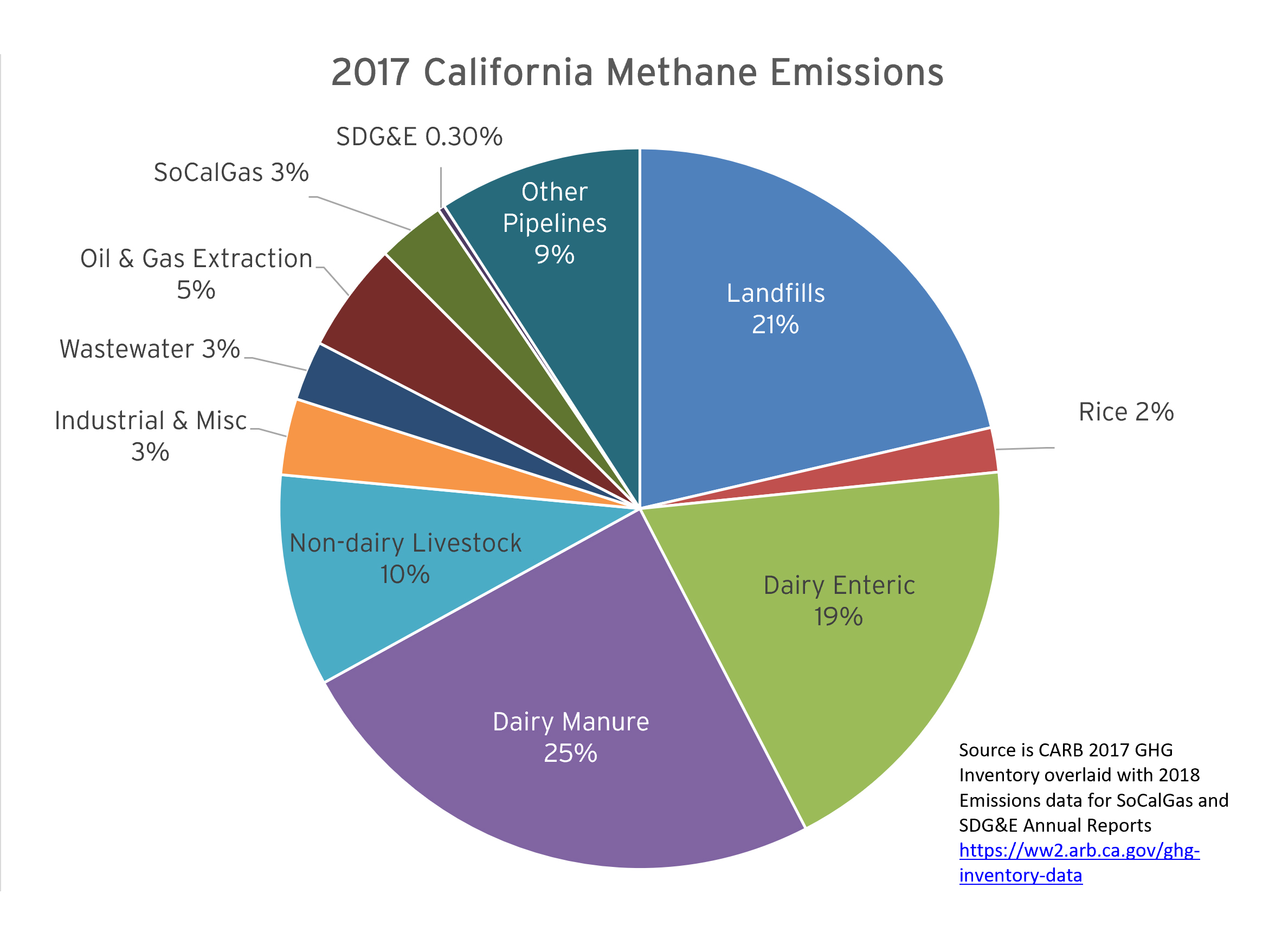
Methane emissions stem from a handful of natural and human‑driven activities, and understanding these sources is essential for effective climate mitigation.
Quick Answer
Methane (CH4) is a potent greenhouse gas that traps about 28‑34 times more heat than carbon dioxide over a 100‑year horizon. The largest global emitters are livestock enteric fermentation, rice‑paddy cultivation, solid‑waste landfills, fossil‑fuel extraction and distribution, natural wetlands, and wastewater treatment. Together they account for roughly 60 % of anthropogenic methane releases, driving a significant share of near‑term warming. While the basic chemistry of methane is well‑established, uncertainties remain in regional emission inventories and the future trajectory of natural sources under climate change.
Key Takeaways
- Enteric fermentation in ruminants contributes about 27 % of global methane emissions (FAO, 2022).
- Landfills generate roughly 11 % of anthropogenic methane, largely from anaerobic decomposition of organic waste.
- Fugitive emissions from natural‑gas systems are the fastest‑growing industrial source, accounting for about 6 % of total methane.
- Natural wetlands emit 20‑30 % of global methane, but their output can increase with warming and altered hydrology.
- Mitigation options exist for each sector, yet trade‑offs such as food security, energy reliability, and economic costs must be managed.
What Is The Biggest Sources of Methane Emissions Explained?
Methane emissions refer to the release of the gas CH4 from any process that either produces it directly (a source) or prevents its removal (a sink). The term encompasses both natural pathways—wetlands, permafrost, termites—and anthropogenic activities such as agriculture, waste management, and fossil‑fuel operations. Because methane has a relatively short atmospheric lifetime (~12 years), current emission levels strongly influence near‑term climate warming, making accurate source identification a priority for mitigation planning.
How Does It Work?
Enteric Fermentation in Livestock
Ruminant animals host methanogenic archaea in their rumen. During digestion, microbes break down cellulose, producing hydrogen that methanogens combine with carbon dioxide to form methane, which the animal expels via belching. A single dairy cow can emit up to 120 kg of CH4 per year (FAO, 2022). The process scales with herd size, feed quality, and animal genetics.
Rice‑paddy Cultivation
Flooded rice fields create anaerobic soil conditions where methanogenic bacteria decompose organic matter, releasing methane that diffuses through the water column and into the atmosphere when fields are drained. Yield‑intensive varieties and continuous flooding amplify emissions; intermittent drainage can cut releases by 30‑50 % (IPCC, 2021).
Landfill Anaerobic Decomposition
Organic waste (food scraps, paper, yard trimmings) decomposes without oxygen in landfill cells, generating methane as a by‑product. Modern landfills capture a portion of this gas for energy use, yet capture efficiencies vary widely, often leaving 30‑50 % of emissions uncollected (U.S. EPA, 2020).
Fugitive Emissions from Fossil‑Fuel Systems
During extraction, processing, transmission, and storage of natural gas and oil, small leaks—known as fugitive emissions—release methane directly to the air. Aging pipelines, poorly sealed wellheads, and venting during maintenance are primary pathways. The International Energy Agency estimates that global fugitive emissions grew by 15 % between 2010 and 2020 (IEA, 2022).
Natural Wetlands and Permafrost
Wetlands are the largest natural methane source because saturated soils foster anaerobic microbial activity. Global wetland emissions are estimated at 150‑200 Tg CH4/year (IPCC, 2021). Permafrost thaw can also liberate trapped organic carbon, potentially creating new methane hotspots as temperatures rise.
Wastewater Treatment Processes
Anaerobic digesters used to treat sewage sludge produce methane that can be captured for combined heat and power. However, incomplete capture, leaks, and gas‑flaring result in measurable releases, especially in regions lacking modern infrastructure (UNEP, 2021).
What Does the Evidence Show?
Long‑term atmospheric monitoring by NOAA and the Global Carbon Project records a steady rise in methane concentrations from 750 ppb in 2000 to over 1 900 ppb in 2023, mirroring increased emissions from the sectors described above. Satellite observations (e.g., TROPOMI) have identified emission hotspots in the US Gulf Coast, the North China Plain, and the Amazon basin, confirming the spatial relevance of industrial and agricultural sources. Peer‑reviewed meta‑analyses of field measurements consistently attribute roughly 60 % of anthropogenic methane to the four sectors highlighted—agriculture, waste, fossil fuels, and wetlands—with regional variations driven by diet, energy mix, and waste‑management practices (Schimel et al., 2022).
Main Causes or Drivers
Direct Human Activities
Intensive livestock production, expanding rice acreage, and increasing natural‑gas consumption directly inject methane into the atmosphere. Policy incentives for livestock intensification and rice yields have amplified these pathways.
Underlying Economic and Policy Drivers
Market demand for cheap protein, subsidies for fossil‑fuel extraction, and limited waste‑management financing create structural conditions that favor high‑emission practices. Climate‑policy gaps, such as the absence of a global methane price, further delay adoption of low‑emission technologies.
Environmental and Human Impacts
Environmental Impacts
Because methane is a short‑lived but highly potent greenhouse gas, its emissions contribute disproportionately to near‑term warming, accelerating ice‑sheet melt, sea‑level rise, and extreme weather events. Methane oxidation in the troposphere also produces ground‑level ozone, a harmful air pollutant.
Human Health and Social Impacts
Elevated ozone levels linked to methane oxidation increase respiratory illnesses, particularly in urban areas downwind of major emission sources. In low‑income regions, inadequate waste treatment can exacerbate water contamination, affecting community health and livelihoods.
Regional Differences
Asia accounts for roughly 40 % of global anthropogenic methane, driven by large livestock populations and extensive rice cultivation (FAO, 2022). North America’s share is dominated by fossil‑fuel leakage, while Africa’s emissions are increasingly tied to informal waste disposal and emerging livestock sectors. These patterns reflect differing agricultural practices, energy infrastructures, and waste‑management capacities.
What Scientists Know With High Confidence
- Methane’s global warming potential is 28‑34 times that of CO2 over a 100‑year horizon (IPCC, 2021).
- Enteric fermentation and rice paddies together contribute over one‑quarter of anthropogenic methane.
- Fugitive emissions from natural‑gas systems have increased in the past decade.
- Wetland methane emissions are sensitive to temperature and water‑level changes.
What Remains Uncertain
Key gaps include precise quantification of methane released from thawing permafrost, the effectiveness of emerging methane‑capture technologies at scale, and the interaction between future climate‑driven wetland expansion and mitigation efforts. Improved satellite retrievals and expanded ground‑based monitoring networks are expected to reduce these uncertainties over the next decade.
Common Misconceptions
Misconception: Methane is only a problem from oil and gas.
Reality: While fossil‑fuel leakage is a major source, agriculture, waste, and natural wetlands together release a larger share of methane worldwide.
Misconception: All methane emitted from agriculture is unavoidable.
Reality: Feed additives, selective breeding, and alternate rice‑water management can reduce agricultural methane by 10‑30 % without compromising food production.
Misconception: Capturing landfill methane eliminates all emissions.
Reality: Capture systems are often incomplete; leachate and gas migration can bypass collection infrastructure, leaving a substantial fraction unrecovered.
Solutions and Limitations
Mitigation strategies span technical, managerial, and policy approaches. In agriculture, feed‑additive compounds such as 3‑nitrooxypropanol have shown up to 30 % emission reductions in trials, yet widespread adoption faces cost and regulatory hurdles. For landfills, upgrading gas‑collection systems and diverting organic waste to composting can cut emissions, but require capital investment and community participation. Fossil‑fuel sectors benefit from leak‑detection technologies (infrared cameras, satellite monitoring) and stricter reporting standards, though industry resistance and legacy infrastructure limit rapid rollout. Wetland management offers a paradox: preserving wetlands supports biodiversity and carbon sequestration, yet may increase methane; adaptive water‑level control can balance these outcomes but demands fine‑tuned hydrological expertise.
What Individuals, Communities, and Governments Can Do
What Individuals Can Do
Choosing plant‑based or low‑methane meat options, reducing food waste, and supporting local compost programs lower personal methane footprints. Installing low‑flow fixtures and supporting wastewater‑treatment upgrades in municipal elections can also make a difference.
What Communities and Organizations Can Do
Community composting, anaerobic‑digester projects, and collective purchasing of methane‑capture technologies for farms amplify impact. Local governments can enact ordinances that require landfill gas‑capture and incentivize renewable natural‑gas alternatives.
What Governments Can Do
National policies that set methane‑emission limits, fund leak‑detection programs, and subsidize low‑emission feed additives are proven levers. Internationally, the Global Methane Pledge (2021) encourages signatories to cut methane emissions by at least 30 % by 2030, providing a collaborative framework for action.
Closing Synthesis
Methane emissions arise from a relatively small set of natural and human activities, each with distinct mechanisms, evidence bases, and mitigation pathways. High‑confidence science confirms that livestock, rice paddies, landfills, fossil‑fuel leaks, and wetlands dominate the global methane budget, driving near‑term climate warming. Uncertainties remain around emerging natural sources and the scalability of new capture technologies. Effective solutions require sector‑specific actions that respect economic realities and regional contexts, supported by robust monitoring, clear policy signals, and community engagement. By targeting the biggest sources with evidence‑based measures, societies can achieve meaningful reductions in methane and slow the pace of climate change.
Frequently Asked Questions
What are the main human activities that emit methane?
The largest human‑related methane sources are livestock enteric fermentation, flooded rice paddies, solid‑waste landfills, and fugitive emissions from natural‑gas extraction and distribution.
How does methane from wetlands differ from anthropogenic methane?
Wetland methane is a natural emission produced by anaerobic microbes in water‑saturated soils, whereas anthropogenic methane comes from activities like agriculture, waste handling, and fossil‑fuel operations.
Why is methane considered a short‑lived climate pollutant?
Methane remains in the atmosphere for about 12 years before it oxidizes to CO₂ and water, so its warming effect is concentrated over a relatively brief period compared to carbon dioxide.
Can methane emissions be captured and used as energy?
Yes, landfill gas and wastewater‑treatment digesters can capture methane for electricity or heat generation, but capture efficiency varies and some emissions still escape.
What policy actions help reduce methane emissions globally?
International agreements like the Global Methane Pledge, national methane‑emission limits, subsidies for low‑emission feed additives, and mandatory leak‑detection programs are effective policy tools.




Leave a Comment