
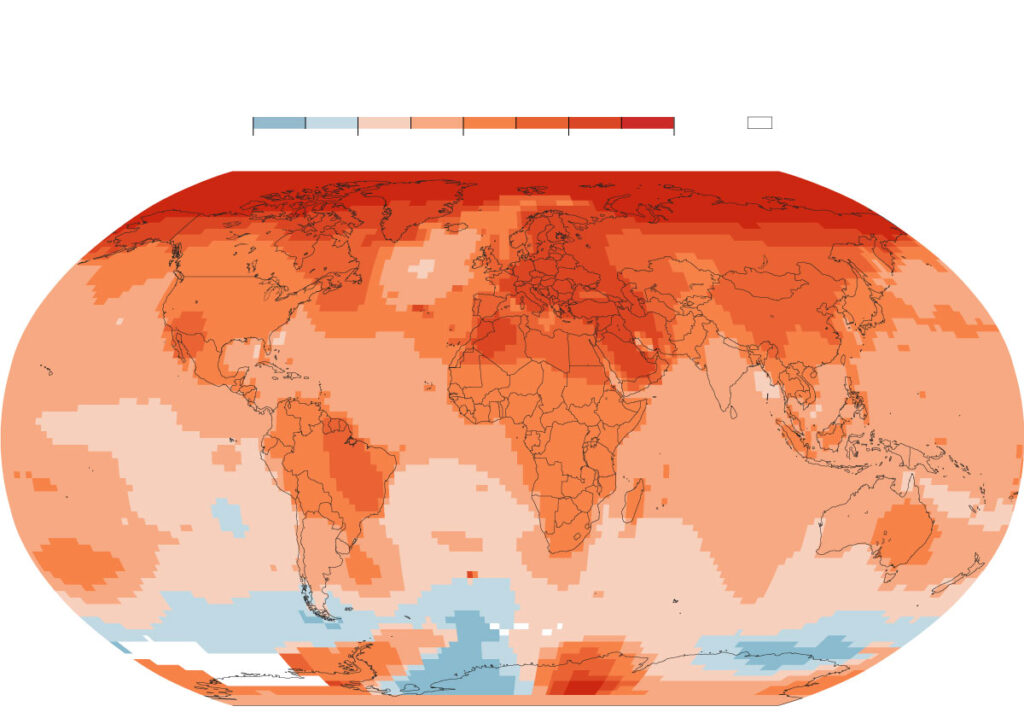
Arctic Warming Explained: Why the North Is Heating Up Faster Than Earth Overall
Arctic warming, also known as Arctic amplification, describes why the polar region is heating two to three times faster than the planet overall,
June 17, 2026
Fundamental processes and indicators that drive Earth’s climate system.
Arctic warming, also known as Arctic amplification, describes why the polar region is heating two to three times faster than the planet overall,
June 17, 2026
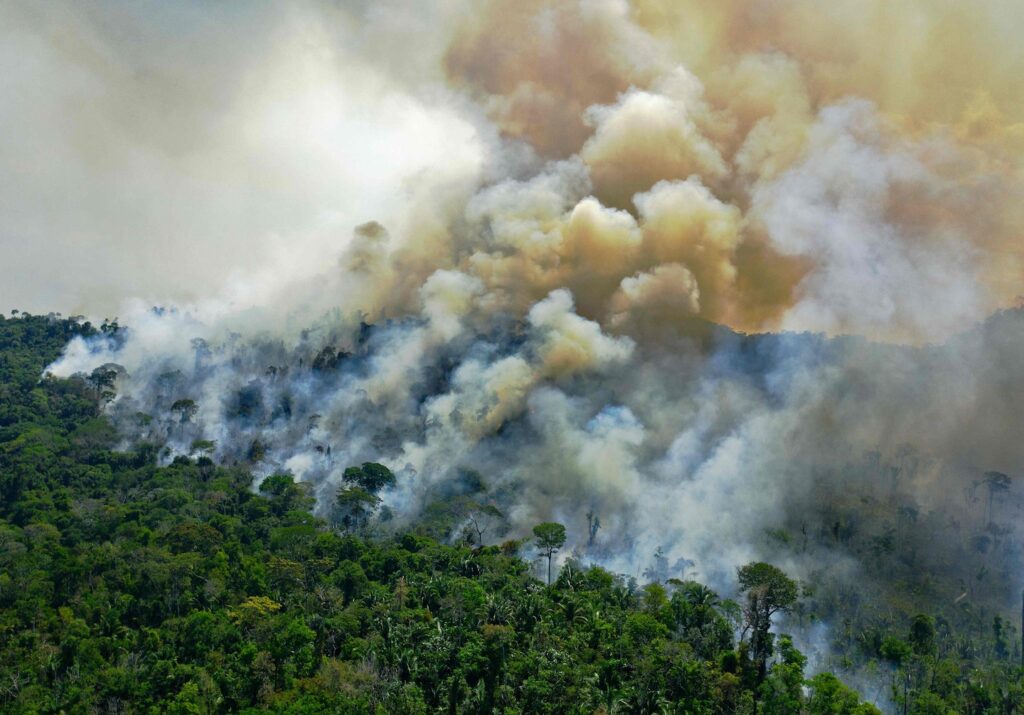
Parts of the Amazon rainforest have shifted from a carbon sink to a net CO₂ source, a change that threatens global climate stability,
June 16, 2026
The 2025 Arctic Report Card identifies five key climate takeaways that reveal how rapid warming is reshaping the Arctic’s ice, permafrost, oceans, weather
June 13, 2026

A peer‑reviewed modelling study published in 2023 estimated that wildfire‑related air pollution could be responsible for roughly 1.5 million premature deaths each year worldwide,
June 13, 2026
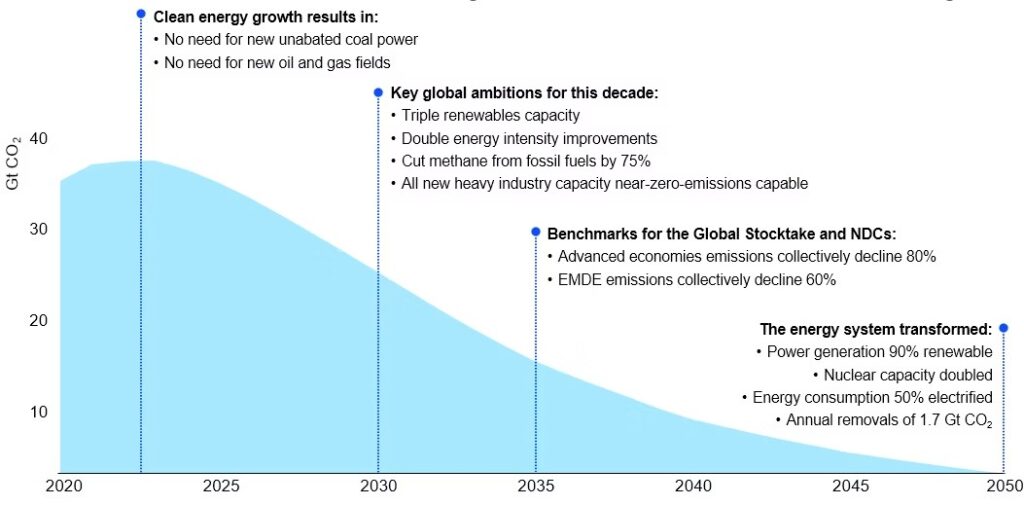
India aims to achieve net‑zero greenhouse‑gas emissions by 2070 through a large‑scale shift to renewable power, grid modernization, and inclusive policies that balance
June 11, 2026

Sustainable aviation fuel (SAF) is a renewable jet fuel that can lower lifecycle carbon emissions by up to 80%, but its real‑world impact
June 8, 2026
October 18, 2026

October 18, 2026

24Earth is an independent environmental knowledge platform explaining climate, oceans, biodiversity, pollution, energy, and planetary change through accessible, evidence-based reporting.
Copyright ©2026
24Earth.
