
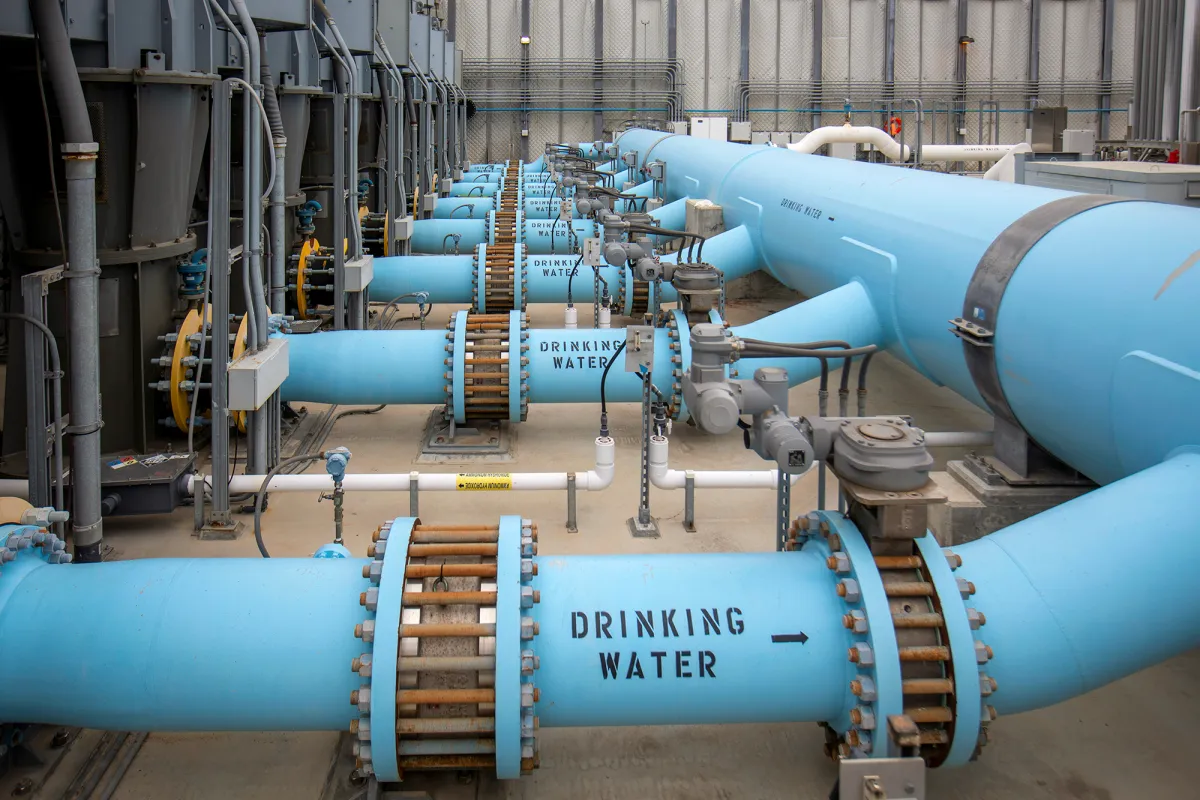
Desalination plants can provide fresh water to coastlines threatened by sea‑level rise, but they do not halt the physical rise of oceans and must be integrated with broader adaptation strategies.
Quick Answer
Desalination removes salt from seawater to produce potable water, which can offset salt‑water intrusion into aquifers caused by rising seas. The technology supplies reliable water to vulnerable coastal communities, yet it does not reduce the volume of ocean water or slow thermal expansion. Scientific assessments indicate that desalination can be part of a climate‑adaptation toolkit, but its energy demand, greenhouse‑gas emissions, and marine‑environment impacts limit its stand‑alone effectiveness. In short, desalination helps manage water scarcity associated with sea‑level rise, but it cannot solve the rise itself.
Key Takeaways
- Desalination provides fresh water where sea‑level rise has caused salt‑water intrusion.
- Modern reverse‑osmosis plants can be powered by renewable energy, reducing carbon footprints.
- Intake and brine discharge can harm marine life; mitigation measures are essential.
- Desalination addresses exposure (water scarcity) but does not mitigate the underlying cause (sea‑level rise).
- Effective coastal resilience requires desalination alongside land‑use planning, flood barriers, and ecosystem restoration.
What Is Can Desalination Plants Help Solve Rising Sea Levels??
The phrase asks whether large‑scale desalination facilities can be a solution to the challenges posed by accelerating sea‑level rise. Desalination is the process of extracting dissolved salts and minerals from seawater or brackish water to produce water suitable for drinking, irrigation, or industrial use. It is distinct from water‑conservation measures, flood‑defense structures, or carbon‑reduction policies, although it can complement them in a comprehensive adaptation plan.
How Does It Work?
Desalination Process
- Intake: Seawater is drawn through screens that remove large debris and organisms.
- Pre‑treatment: The water is filtered to eliminate suspended particles and to adjust pH, which protects membranes.
- Separation: The core step uses either reverse osmosis (high‑pressure membranes) or thermal distillation (evaporation‑condensation). Reverse osmosis is the dominant technology for new plants because of its lower energy intensity.
- Post‑treatment: The permeate (fresh water) is remineralized and disinfected to meet drinking‑water standards.
- Brine discharge: Concentrated saltwater (brine) is returned to the ocean, often through diffusers designed to minimize turbulence and temperature shock.
Interaction with Coastal Water Management
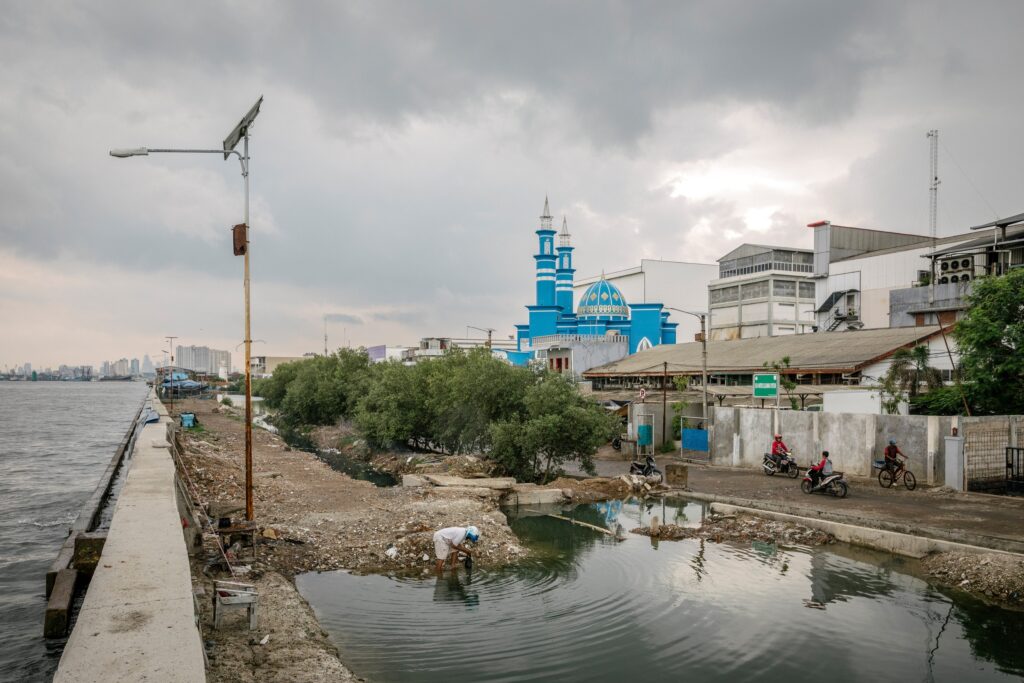
When sea levels rise, salty ocean water can migrate into freshwater lenses, rivers, and coastal aquifers—a process known as salt‑water intrusion. By supplying an alternative source of fresh water, desalination reduces the draw on vulnerable groundwater, lowering the hydraulic gradient that pulls seawater inland. In integrated coastal‑zone management, desalination is paired with groundwater monitoring, managed aquifer recharge, and flood‑risk zoning.
What Does the Evidence Show?
Long‑term monitoring by the United Nations Food and Agriculture Organization (FAO) indicates that regions relying on desalination, such as the Middle East and parts of North Africa, have maintained stable freshwater supplies despite declining aquifer levels. A 2022 systematic review in *Water Research* found that plants powered by solar or wind energy reduced life‑cycle greenhouse‑gas emissions by 45‑70 % compared with fossil‑fuel‑driven plants, but total emissions remain higher than most conventional water sources. The Intergovernmental Panel on Climate Change (IPCC) 2021 assessment notes that desalination does not affect the rate of sea‑level rise, but it can alleviate water‑security exposure for coastal populations.
Main Causes or Drivers
Physical Drivers of Sea‑Level Rise
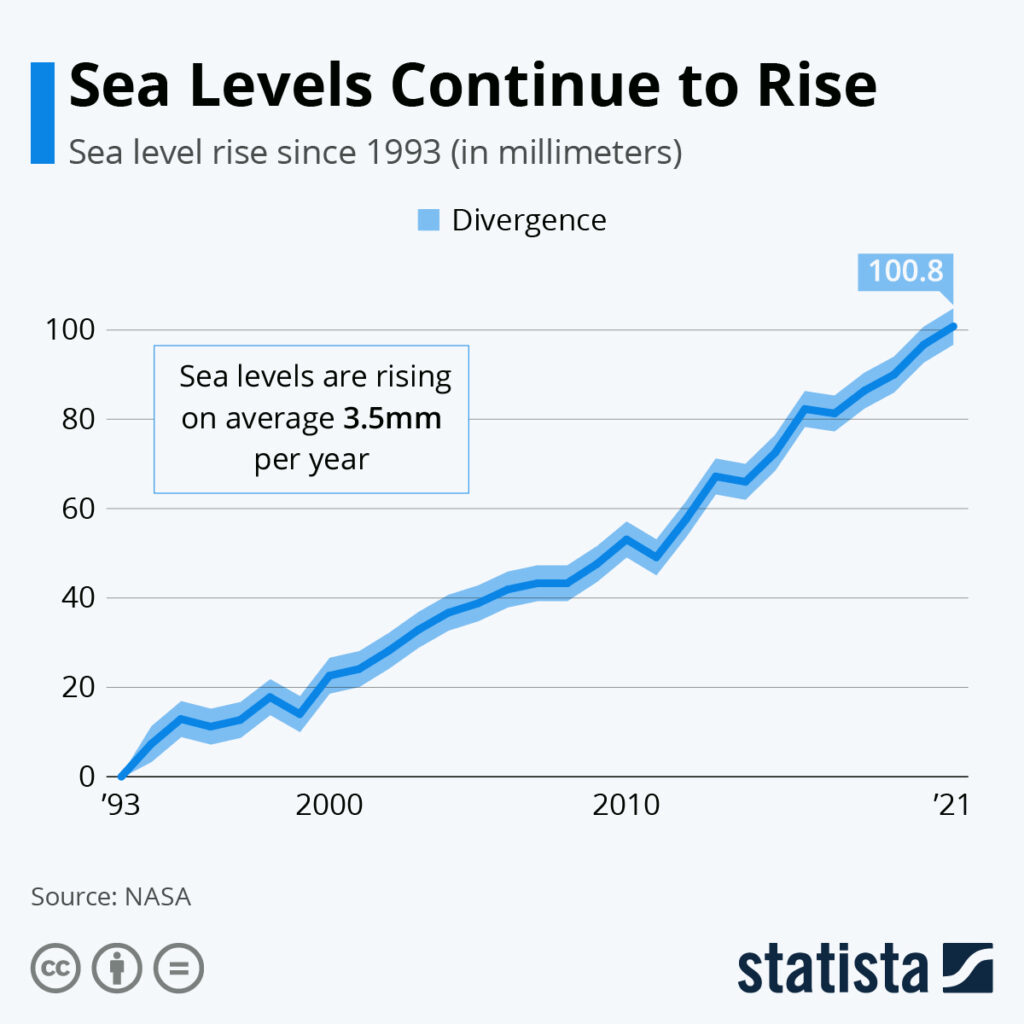
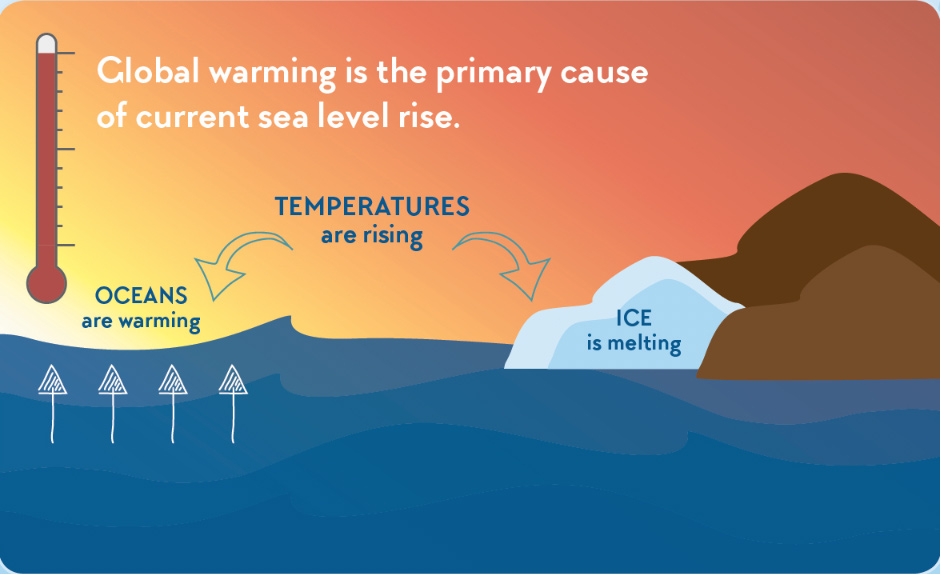
Two primary mechanisms drive global sea‑level rise: (1) thermal expansion of seawater as it warms, and (2) addition of meltwater from glaciers and the Greenland and Antarctic ice sheets. Satellite altimetry from NASA’s Jason‑3 mission shows an average global rise of 3.3 mm yr⁻¹ between 1993 and 2020. These processes are driven by anthropogenic greenhouse‑gas emissions.
Human Drivers of Water Scarcity
Coastal over‑extraction of groundwater, urban expansion, and inadequate storm‑water infrastructure exacerbate salt‑water intrusion. In many low‑lying megacities, rising sea levels intersect with high water demand, creating a feedback loop where dwindling freshwater supplies increase reliance on costly alternatives.
Environmental and Human Impacts
Environmental Impacts
Intake screens can entrain fish larvae and plankton, while high‑velocity pumps may alter local hydrodynamics. Brine discharge raises salinity and temperature locally, potentially affecting benthic organisms. Mitigation strategies—such as diffused outfalls, brine mixing with cooler seawater, or using zero‑liquid‑discharge technologies—can reduce these impacts, but they add cost.
Human Health and Social Impacts
Freshwater scarcity heightens the risk of water‑borne disease and can trigger migration. Reliable desalinated water improves public‑health outcomes, especially in informal settlements where contaminated groundwater is a common source.
Economic and Infrastructure Impacts
Capital costs for reverse‑osmosis plants range from US$1,000 to US$2,500 per cubic meter of daily capacity, with operating costs heavily influenced by energy prices. Nonetheless, in regions where alternative water sources are depleted, desalination can be more economical than extensive groundwater pumping or large‑scale water importation.
Regional Differences
In the Gulf Cooperation Council (GCC) countries, desalination supplies over 70 % of domestic water, supported by abundant natural‑gas resources. In contrast, small island developing states (e.g., Kiribati) face high energy costs and limited space, making large‑scale plants less feasible. Mediterranean coastal towns experience seasonal salt‑water intrusion; pilot solar‑desalination units have shown promise for supplementing municipal supply during dry months.
What Scientists Know With High Confidence
- Sea‑level rise is occurring globally due to thermal expansion and ice‑sheet melt, as documented by multiple satellite and tide‑gauge records.
- Salt‑water intrusion into coastal aquifers intensifies as sea levels rise, reducing freshwater availability.
- Desalination reliably produces potable water at scale when sufficient energy is available.
- Renewable‑energy integration can substantially lower the carbon intensity of desalination.
What Remains Uncertain
Key uncertainties include the long‑term ecological effects of chronic brine discharge in diverse marine settings, the cost trajectories of large‑scale renewable‑energy‑coupled plants, and the socio‑economic trade‑offs for low‑income coastal communities that may lack financing for infrastructure upgrades. Better regional monitoring of brine plume dispersion and life‑cycle analyses of emerging low‑energy membranes would reduce these gaps.
Common Misconceptions
Misconception: Desalination can halt sea‑level rise.
Reality: Desalination does not affect the volume of the world’s oceans; it only provides fresh water to people affected by the consequences of rising seas.
Misconception: All desalination plants are high‑carbon.
Reality: While traditional plants rely on fossil fuels, modern facilities increasingly use solar, wind, or waste‑heat sources, cutting emissions by up to two‑thirds according to recent peer‑reviewed studies.
Misconception: Brine discharge always destroys marine ecosystems.
Reality: Impacts vary with local oceanography; diffused outfalls and mixing strategies can mitigate salinity spikes, and some ecosystems show resilience when discharge is properly managed.
Solutions and Limitations
Desalination should be viewed as an adaptation measure rather than a mitigation tool. It works best when combined with:
- Coastal flood barriers and managed retreat to reduce physical exposure.
- Groundwater‑sustainable management to limit over‑pumping.
- Renewable‑energy integration to lower operational emissions.
- Ecologically sensitive intake and brine‑dispersion designs.
Limitations include high capital costs, energy demand, and potential marine‑environment impacts. Without parallel actions to curb greenhouse‑gas emissions, desalination alone cannot protect coastlines from the long‑term trend of rising seas.
What Individuals, Communities, and Governments Can Do
What Individuals Can Do
Adopt water‑saving habits (e.g., low‑flow fixtures), support policies that fund renewable‑energy‑powered desalination, and participate in local water‑resource planning meetings.
What Communities and Organizations Can Do
Develop integrated water‑resource plans that include desalination, invest in pilot renewable‑energy projects, and conduct shoreline monitoring to detect salt‑water intrusion early.
What Governments Can Do
Allocate financing for low‑carbon desalination infrastructure, enforce stringent environmental standards for intake and brine discharge, and incorporate desalination into national climate‑adaptation strategies alongside emissions‑reduction commitments.
Closing Synthesis
Desalination offers a practical way to secure fresh water for coastal populations increasingly threatened by salt‑water intrusion, but it does not stop the physical rise of the oceans. High‑confidence science confirms that sea‑level rise is driven by global warming, and that desalination can reduce water‑security exposure when powered responsibly. Remaining uncertainties about ecological impacts and cost pathways highlight the need for continued research and careful planning. By embedding desalination within a broader portfolio of flood defenses, sustainable energy, and groundwater stewardship, societies can enhance resilience without relying on any single technology.
Frequently Asked Questions
What is desalination and how does it work?
Desalination is the process of removing salt and minerals from seawater to produce potable water. Modern plants typically use reverse‑osmosis membranes that force water through under high pressure, followed by post‑treatment to meet drinking‑water standards.
Can desalination reduce the amount of sea‑level rise?
No. Desalination does not affect the volume of the world's oceans, so it cannot slow or stop sea‑level rise. It only helps by providing fresh water to communities affected by the consequences of rising seas.
What are the main environmental concerns associated with desalination plants?
Key concerns include marine life entrainment at intake screens, increased salinity and temperature from brine discharge, and the high energy demand that can generate greenhouse‑gas emissions if powered by fossil fuels.
How can renewable energy improve the sustainability of desalination?
Integrating solar, wind, or waste‑heat sources can cut the life‑cycle carbon footprint of desalination by 45‑70 % compared with fossil‑fuel‑driven plants, according to a 2022 systematic review.
What actions can governments take to make desalination part of climate‑adaptation strategies?
Governments can fund low‑carbon desalination projects, set strict environmental standards for intake and brine discharge, and embed desalination within broader coastal‑zone planning that includes flood defenses and sustainable groundwater management.






Leave a Comment