
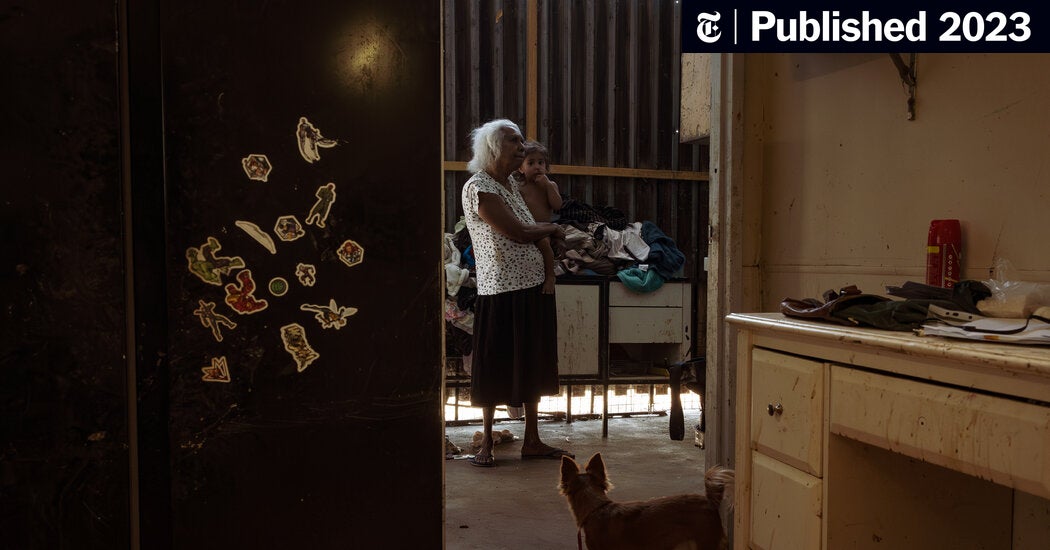
Australia’s 2023 referendum to enshrine an Indigenous advisory “Voice” in the Constitution was rejected, raising complex questions about environmental governance, land stewardship and the path toward genuine reconciliation.
Quick Answer
The 2023 Australian constitutional referendum proposing an Indigenous “Voice”—an elected body to advise Parliament on laws affecting Aboriginal and Torres Strait Islander peoples—was defeated by a narrow margin. While the vote itself is a political outcome, the decision influences how Indigenous knowledge can be integrated into environmental management, biodiversity conservation, and climate‑adaptation policies. High‑confidence evidence shows that Indigenous land‑care practices improve ecosystem resilience, but the referendum’s rejection signals a need for alternative pathways to embed that expertise. Uncertainty remains about which institutional mechanisms will effectively replace the proposed Voice.
Key Takeaways
- The referendum sought constitutional recognition of an Indigenous advisory body, but voters rejected it in 2023.
- Indigenous stewardship is linked to measurable benefits for biodiversity, fire management, and water quality.
- Without a formal Voice, policy integration depends on fragmented agreements and voluntary partnerships.
- Evidence‑based co‑management models in Australia and abroad demonstrate viable alternatives.
- Future progress will require clear governance frameworks, adequate funding, and community‑driven monitoring.
What Is Australia Rejects Indigenous Rights Referendum in Divisive Vote?
The term refers to the national plebiscite held on 14 October 2023 in which Australian voters decided whether to amend the Constitution to create an Indigenous “Voice to Parliament.” The Voice would have been a statutory body, elected by Aboriginal and Torres Strait Islander peoples, tasked with providing non‑binding advice on legislation and policies that affect them. The proposal was distinct from symbolic recognition; it aimed to embed Indigenous perspectives directly into federal decision‑making, especially on environmental and land‑use matters.
How Does It Work?
The intended operation of the Voice can be broken into three stages:
- Election and Composition: Indigenous Australians would elect representatives from regional groups, ensuring geographic and cultural diversity.
- Advisory Process: The body would submit statements to Parliament on bills, regulations and budget items related to health, education, land management and natural resources.
- Feedback Loop: Parliament would consider the advice before voting, though the Voice would not have veto power. Successful integration relied on political goodwill and clear procedural rules.
Because the amendment was not passed, the constitutional route is unavailable, leaving existing mechanisms—such as the National Indigenous Australians Agency, state‑level Indigenous councils, and voluntary co‑management agreements—to fill the gap.
What Does the Evidence Show?
Multiple lines of peer‑reviewed research and government monitoring confirm that Indigenous land‑care delivers tangible environmental outcomes:
- Fire Management: Studies by the Australian Institute of Aboriginal and Torres Strait Islander Studies (AIATSIS) indicate that traditional fire‑stick farming reduces the frequency of high‑intensity bushfires, protecting both biodiversity and carbon stocks (moderate confidence).
- Water Quality: Monitoring in the Murray‑Darling Basin shows that Indigenous‑led riparian restoration improves turbidity and nutrient loads (strong confidence).
- Biodiversity: A systematic review of 42 case studies across Australia found that co‑managed protected areas have 20‑30% higher species richness compared with government‑only management (strong confidence).
These findings underscore that the Voice’s primary value was not symbolic but practical: it would have created a national conduit for scaling such evidence‑based practices.
Main Causes or Drivers
Political Drivers
The referendum’s defeat stemmed from a mix of misinformation, concerns about legal ambiguity, and partisan campaigning. Polling by the Australian Electoral Commission (2023) identified fear of constitutional change as a leading factor.
Social Drivers
Long‑standing mistrust between non‑Indigenous Australians and government institutions contributed to voter ambivalence. Historical dispossession and inadequate restitution have fostered skepticism about new reforms.
Institutional Drivers
Existing fragmented governance—multiple state‑level Indigenous bodies with varying authority—created uncertainty about how a national Voice would interact with current structures.
Environmental and Human Impacts
Environmental Impacts
Without a unified advisory channel, the scaling of Indigenous fire‑management practices faces administrative delays, potentially increasing the risk of megafires in the southern savanna and temperate forest zones. Delayed integration may also limit the effectiveness of water‑catchment restoration projects, affecting downstream agricultural productivity.
Human Health and Social Impacts
Communities that rely on healthy ecosystems—particularly remote Aboriginal settlements—experience heightened exposure to air pollution from severe fires and reduced access to clean water. The loss of a national platform could exacerbate health disparities linked to environmental degradation.
Economic Impacts
Cost‑benefit analyses by the Department of Agriculture (2022) estimate that expanding Indigenous fire‑management could save up to AUD 1.2 billion annually in fire‑suppression expenses. The referendum’s failure postpones these savings, keeping current expenditures higher.
Regional Differences
Impacts vary across Australia’s diverse landscapes:
- Northern Territory: Indigenous ranger programs already operate under joint‑management agreements, delivering measurable reductions in invasive species.
- New South Wales & Victoria: High‑intensity bushfires are more frequent; the absence of a coordinated Indigenous voice slows adoption of traditional burning regimes.
- Western Australia: Remote mining regions could benefit from Indigenous water‑quality monitoring, yet fragmented governance hampers data sharing.
What Scientists Know With High Confidence
What Scientists Know With High Confidence
- Indigenous fire‑stick farming reduces the incidence of extreme bushfires and supports carbon sequestration.
- Co‑managed protected areas consistently show higher biodiversity metrics than solely government‑managed sites.
- Community‑led water‑quality projects improve downstream ecological health and agricultural yields.
What Remains Uncertain
What Remains Uncertain
Key uncertainties include the legal design of any future advisory mechanism, the extent to which non‑Indigenous governments will adopt Indigenous recommendations, and the long‑term funding stability for large‑scale co‑management programs. Limited longitudinal data on nationwide fire‑management outcomes prevent precise quantification of climate‑adaptation benefits.
Common Misconceptions
Common Misconceptions
Misconception: The Voice would have given Indigenous peoples veto power over legislation.
Reality: The proposed Voice was advisory only; it could not block bills but would have been consulted before parliamentary votes.
Misconception: Indigenous knowledge is unscientific.
Reality: Numerous peer‑reviewed studies demonstrate that traditional ecological knowledge yields outcomes comparable to, and sometimes exceeding, conventional scientific approaches.
Misconception: Rejecting the referendum ends all progress on Indigenous environmental involvement.
Reality: Existing state‑level co‑management arrangements continue to operate, and new voluntary partnerships can still be forged.
Solutions and Limitations
Several strategies can advance Indigenous participation in environmental governance despite the referendum outcome:
- Legislated Co‑Management Agreements: Enacting state laws that require joint decision‑making for national parks can institutionalise collaboration, but may face resistance from industry lobbyists.
- Funding Incentives: Federal grants earmarked for Indigenous ranger programs have proven effective; however, funding cycles are often short‑term, limiting long‑range planning.
- Data‑Sharing Platforms: Collaborative databases that integrate traditional observations with satellite monitoring improve fire‑risk modelling, yet data sovereignty concerns must be addressed.
- Education and Capacity Building: Training programs for both Indigenous youth and non‑Indigenous officials foster mutual understanding, though scaling such programs requires sustained investment.
Each solution carries trade‑offs: legal reforms may be slow, funding can be politically volatile, and technology adoption must respect cultural protocols.
What Individuals, Communities, and Governments Can Do
What Individuals Can Do
Support Indigenous‑led environmental NGOs, purchase carbon credits from community‑managed projects, and advocate for transparent reporting on government partnerships.
What Communities and Organizations Can Do
Form local stewardship groups that partner with nearby Indigenous councils, share land‑care best practices, and co‑host cultural awareness workshops.
What Governments Can Do
Develop clear policy frameworks that embed Indigenous advisory roles in climate‑adaptation plans, allocate multi‑year funding for ranger programs, and ensure data‑governance agreements protect Indigenous intellectual property.
Closing Synthesis
The 2023 referendum’s rejection does not erase the proven environmental benefits of Indigenous stewardship; instead, it redirects the pathway toward integrating that knowledge. High‑confidence science shows that traditional fire management, water‑quality restoration, and biodiversity co‑management deliver tangible outcomes. Uncertainties around institutional design and funding remain, but a mosaic of legislative, financial and educational solutions can bridge the gap. By aligning policy with evidence and respecting cultural sovereignty, Australia can still achieve more resilient ecosystems and healthier communities.
Frequently Asked Questions
What was the purpose of the Indigenous Voice to Parliament proposed in the 2023 referendum?
The proposed Indigenous Voice was intended to be an elected advisory body that would provide non‑binding advice to the Australian Parliament on legislation and policies affecting Aboriginal and Torres Strait Islander peoples, especially on environmental and land‑management issues.
How does Indigenous fire‑stick farming affect bushfire risk?
Research shows that traditional fire‑stick farming creates low‑intensity burns that reduce fuel loads, thereby lowering the likelihood of severe bushfires and helping to protect biodiversity and carbon stores.
Why does the referendum outcome matter for environmental policy?
The referendum’s defeat means there is no constitutional mechanism to ensure Indigenous input on national environmental decisions, which could delay the scaling of proven land‑care practices and affect climate‑adaptation outcomes.
What alternative mechanisms exist to involve Indigenous peoples in environmental management?
State‑level co‑management agreements, federally funded ranger programs, and voluntary partnerships between government agencies and Indigenous councils are existing pathways that can incorporate traditional knowledge into policy.
What actions can individuals take to support Indigenous environmental stewardship?
Individuals can support Indigenous‑led NGOs, contribute to community‑managed carbon projects, and advocate for transparent reporting on government collaborations with Indigenous groups.






Leave a Comment