
Australia’s Net‑Zero by 2050 Goal and Ongoing Fossil‑Fuel Dependence
Australia aims to hit net‑zero emissions by 2050 while still supporting coal and gas production, creating a policy paradox that challenges the credibility of its climate commitments.
Quick Answer
Australia has pledged to achieve net‑zero greenhouse‑gas emissions by 2050, meaning that any remaining emissions must be balanced by removals. The pathway relies on expanding renewable electricity, improving energy efficiency, and deploying carbon‑capture technologies, yet the government also plans to continue exporting and, to a limited extent, domestic use of coal and natural gas. Strong scientific consensus indicates that maintaining sizable fossil‑fuel output will require substantially larger removal efforts and could jeopardize the net‑zero target, especially if removal technologies scale more slowly than anticipated.
Key Takeaways
- Net‑zero by 2050 requires Australia to cut emissions to near‑zero and offset any residual emissions with permanent removals.
- Continuing coal and gas production creates a large emissions “gap” that must be filled by carbon‑capture, storage, or nature‑based solutions.
- Renewable energy (solar and wind) already supplies over 30% of domestic electricity, but grid upgrades and storage are still needed.
- Regional economies dependent on fossil fuels face transition challenges that demand just‑transition policies.
- High‑confidence science shows rapid decarbonisation is essential to limit global warming to 1.5 °C, but the timing and scale of removal technologies remain uncertain.
What Is Australia Commits to Net Zero by 2050—but Won’t Abandon Fossil Fuels?
The 2023 Australian Climate Change Act amendment sets a legal target of net‑zero emissions by 2050. “Net‑zero” means that anthropogenic greenhouse‑gas (GHG) emissions are balanced by an equivalent amount of removals, measured in carbon dioxide equivalents (CO₂e). The policy covers all sectors—energy, transport, industry, agriculture, and land use—but explicitly allows continued coal mining, liquefied natural gas (LNG) export, and limited domestic gas use. This differs from a “phase‑out” approach, where fossil‑fuel extraction would be curtailed to near zero.
How Does It Work?
1. Emissions Baseline and Reduction Pathways
- Establish a 2005 baseline (Australia emitted about 540 Mt CO₂e in 2005, according to the Australian Government Department of Industry, Science, Energy and Resources).
- Implement sector‑specific reduction measures: electrify transport, improve industrial process efficiency, adopt low‑emission agricultural practices, and protect or restore carbon‑dense ecosystems.
- Scale up renewable electricity generation – solar, wind, and emerging geothermal – to replace coal‑fired power.
2. Carbon‑Capture, Utilisation and Storage (CCUS)
CCUS is intended to capture CO₂ from remaining coal‑fired plants and industrial sources, then store it underground or use it in products. The International Energy Agency (IEA) notes that as of 2022, global CCUS capacity was roughly 40 Mt CO₂ per year, far below the scale required for a net‑zero pathway that still includes coal.
3. Nature‑Based Offsets
Reforestation, afforestation, and soil‑carbon sequestration are projected to provide a portion of the required removals. The Intergovernmental Panel on Climate Change (IPCC) 2021 report estimates that terrestrial sinks can reliably absorb up to 10 % of global emissions under optimistic management, but permanence and verification are ongoing challenges.
4. Policy Instruments
- Carbon pricing – the current Emissions Reduction Fund offers incentives for low‑carbon projects.
- Renewable Energy Target (RET) – aims for 33 % renewable electricity by 2030.
- Subsidy reforms – proposals to phase out direct fossil‑fuel subsidies by 2025.
What Does the Evidence Show?
Long‑term monitoring by the Australian Bureau of Statistics shows that total national GHG emissions fell from a peak of 571 Mt CO₂e in 2014 to 511 Mt CO₂e in 2022, a modest 10 % reduction. Peer‑reviewed assessments (e.g., the 2022 Commonwealth Scientific and Industrial Research Organisation (CSIRO) Climate Change in Australia report) conclude that without a rapid shift away from coal and gas, Australia will overshoot its 2030 emissions‑reduction target of 43 % below 2005 levels.
Modelling studies using the Australian Integrated Assessment Model (AIM) indicate that maintaining current coal production would require annual removal of 30–40 Mt CO₂e by 2050, a level not yet demonstrated at scale. Conversely, scenarios that fully phase out coal by 2035 achieve net‑zero with far lower removal needs (<10 Mt CO₂e per year).
Main Causes or Drivers
Direct Causes
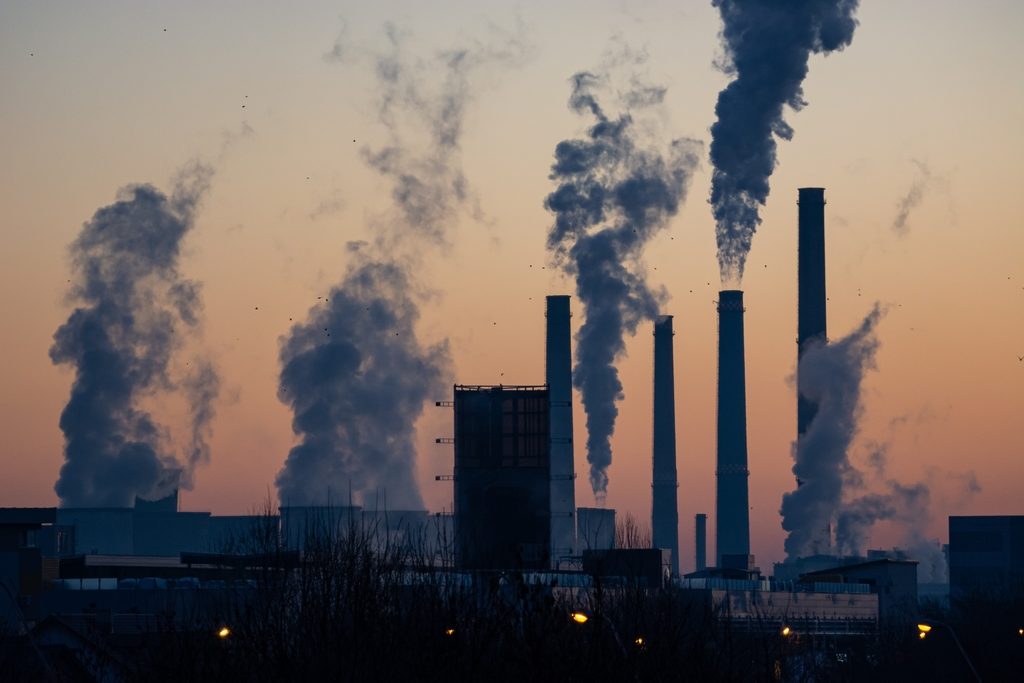
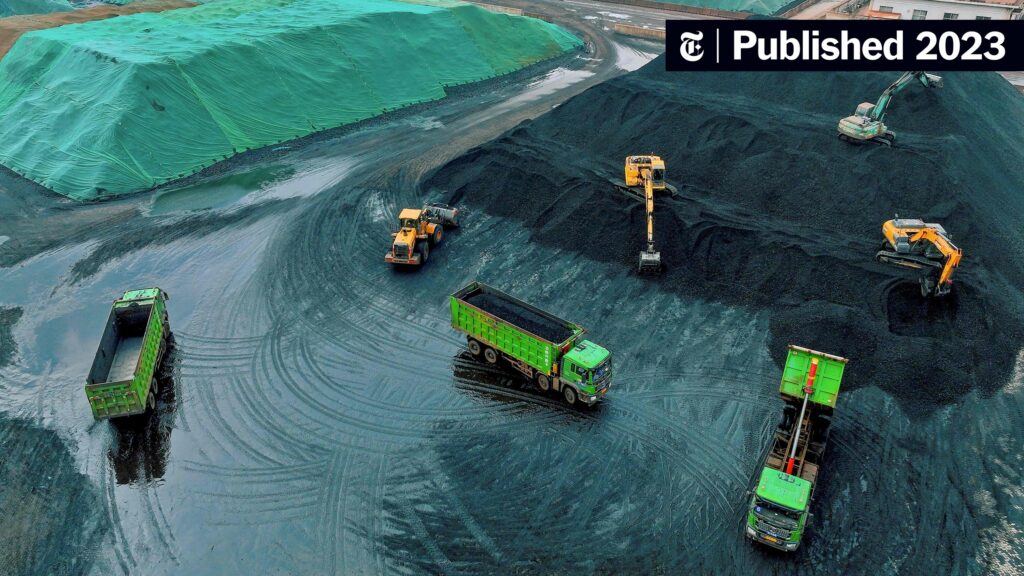
- Combustion of coal for electricity (≈ 40 % of national emissions).
- LNG export production (≈ 15 % of emissions).
- Road transport powered by petroleum fuels (≈ 20 %).
Underlying Drivers
- Economic reliance on fossil‑fuel exports – in 2022, coal and gas generated roughly AU$70 billion in export revenue.
- Policy inertia – existing infrastructure and regulatory frameworks favor continued extraction.
- Regional employment – mining towns such as Bowen and Gladstone depend on coal‑related jobs.
Environmental and Human Impacts
Environmental Impacts
Continued coal combustion contributes to higher atmospheric CO₂ concentrations, which the IPCC links to increased heatwaves, sea‑level rise, and coral‑reef bleaching on the Great Barrier Reef. Persistent methane leaks from LNG facilities exacerbate short‑term warming, as methane has a 20‑year global warming potential of 84–87 times that of CO₂ (IPCC AR6, 2021).
Human Health and Social Impacts
Air‑quality monitoring in coal‑rich regions shows elevated particulate matter (PM₂.₅) levels, associated with increased respiratory disease rates (Australian Institute of Health and Welfare, 2021). Job insecurity from a potential phase‑out could affect mental health and community cohesion unless transition programs are implemented.
Economic and Infrastructure Impacts
Investments in renewable energy infrastructure are projected to generate AU$30 billion in new jobs by 2035 (Clean Energy Council, 2023). However, stranded‑asset risk for coal mines could lead to financial losses for investors and governments if markets shift faster than policy.
Regional Differences
Queensland and Western Australia host the majority of coal mines, while South Australia has largely transitioned to wind and solar. The Renewable Energy Target has driven a 45 % renewable share in South Australia’s grid, contrasted with a 20 % share in Queensland (Australian Energy Market Operator, 2023). These disparities illustrate that regional resource endowments and policy choices shape transition pathways.
What Scientists Know With High Confidence
- Human activities, especially fossil‑fuel combustion, are the dominant driver of global warming since the mid‑20th century (IPCC, 2021).
- Rapid decarbonisation of the electricity sector is the most cost‑effective way to reduce national emissions.
- Without substantial removal capacity, continued coal production makes achieving net‑zero by 2050 highly unlikely.
What Remains Uncertain
Key uncertainties involve the scalability and economic viability of large‑scale CCUS and nature‑based removal. Modelled removal potentials vary widely because of unknown land‑use changes, soil carbon dynamics, and the long‑term integrity of underground storage sites. Additionally, the speed of technological innovation in battery storage and grid‑integration remains a variable that could accelerate or slow the renewable transition.
Common Misconceptions
Misconception: Net‑zero means emissions are completely eliminated.
Reality: Net‑zero allows for residual emissions that are balanced by permanent removals; the goal is to keep the net addition to atmospheric CO₂e at zero.
Misconception: Exporting coal does not affect Australia’s net‑zero target.
Reality: Exported emissions are counted in the producing country’s inventory, so continued coal exports increase the emissions that must be offset domestically.
Misconception: Renewable energy alone can meet all future demand.
Reality: Intermittent renewables require storage, demand‑side management, or backup generation to ensure reliability, especially for industrial processes that need continuous power.
Solutions and Limitations
- Renewable Expansion: Solar and wind are abundant, but grid reinforcement and large‑scale storage are costly and require time to deploy.
- CCUS Deployment: Offers a pathway for residual emissions, yet current global capacity is limited and commercial viability is uncertain without strong policy incentives.
- Nature‑Based Offsets: Provide co‑benefits for biodiversity, but permanence, measurement, and verification challenges limit their reliability as sole offsets.
- Just‑Transition Policies: Retraining programs and regional development funds can mitigate social disruption, but funding levels must match the scale of job losses.
What Individuals, Communities, and Governments Can Do
What Individuals Can Do
- Reduce personal energy use through efficient appliances and home insulation.
- Support renewable energy by choosing green electricity tariffs where available.
- Engage in local advocacy for just‑transition plans in mining towns.
What Communities and Organizations Can Do
- Develop community solar projects that keep revenue local.
- Partner with vocational schools to offer training in renewable‑energy trades.
- Implement workplace carbon‑footprint assessments and set science‑based targets.
What Governments Can Do
- Phase out direct subsidies for coal and gas by a set date (e.g., 2025) and redirect funds to clean‑energy research.
- Enact legally binding emissions‑reduction milestones for each sector, with penalties for non‑compliance.
- Invest in transmission upgrades and large‑scale battery projects to integrate renewables.
- Establish a national CCUS framework that includes licences, monitoring, and financial incentives.
Closing Synthesis
Australia’s 2050 net‑zero pledge reflects an acknowledgement of climate risk, yet the simultaneous continuation of coal and gas production creates a substantial emissions gap. High‑confidence science demonstrates that without rapid decarbonisation of electricity and large‑scale removals, the target is unlikely to be met. Uncertainties around CCUS and nature‑based removal highlight the need for robust monitoring and adaptive policy. Effective solutions will combine accelerated renewable deployment, targeted carbon‑capture, and equitable transition support for fossil‑fuel‑dependent regions. The ultimate success of the net‑zero commitment hinges on translating ambition into enforceable actions that reconcile climate imperatives with socioeconomic realities.
Frequently Asked Questions
What does “net‑zero by 2050” mean for Australia?
Net‑zero by 2050 means Australia aims to reduce its greenhouse‑gas emissions to near zero and balance any remaining emissions with permanent removals, such as carbon capture or nature‑based offsets.
Why is continuing coal and gas extraction a problem for the net‑zero target?
Continuing coal and gas extraction adds large, ongoing emissions that must be offset. Because large‑scale removal technologies are not yet proven, this creates a sizeable emissions gap that makes meeting net‑zero by 2050 much more difficult.
Which renewable energy sources are growing fastest in Australia?
Solar and wind power are expanding rapidly; as of 2023, renewable electricity supplied over 30 % of Australia’s grid, with South Australia achieving a 45 % renewable share thanks to strong wind and solar installations.
What are the main uncertainties that could affect Australia’s net‑zero pathway?
Key uncertainties include the scalability and cost of carbon‑capture, utilization and storage (CCUS) and the effectiveness and permanence of nature‑based carbon removals, as well as the speed of battery‑storage and grid‑integration technologies.
How can individuals contribute to Australia’s net‑zero goal?
Individuals can lower household energy use, switch to green electricity tariffs, and support local renewable projects or advocacy for just‑transition policies in mining communities.







Leave a Comment