
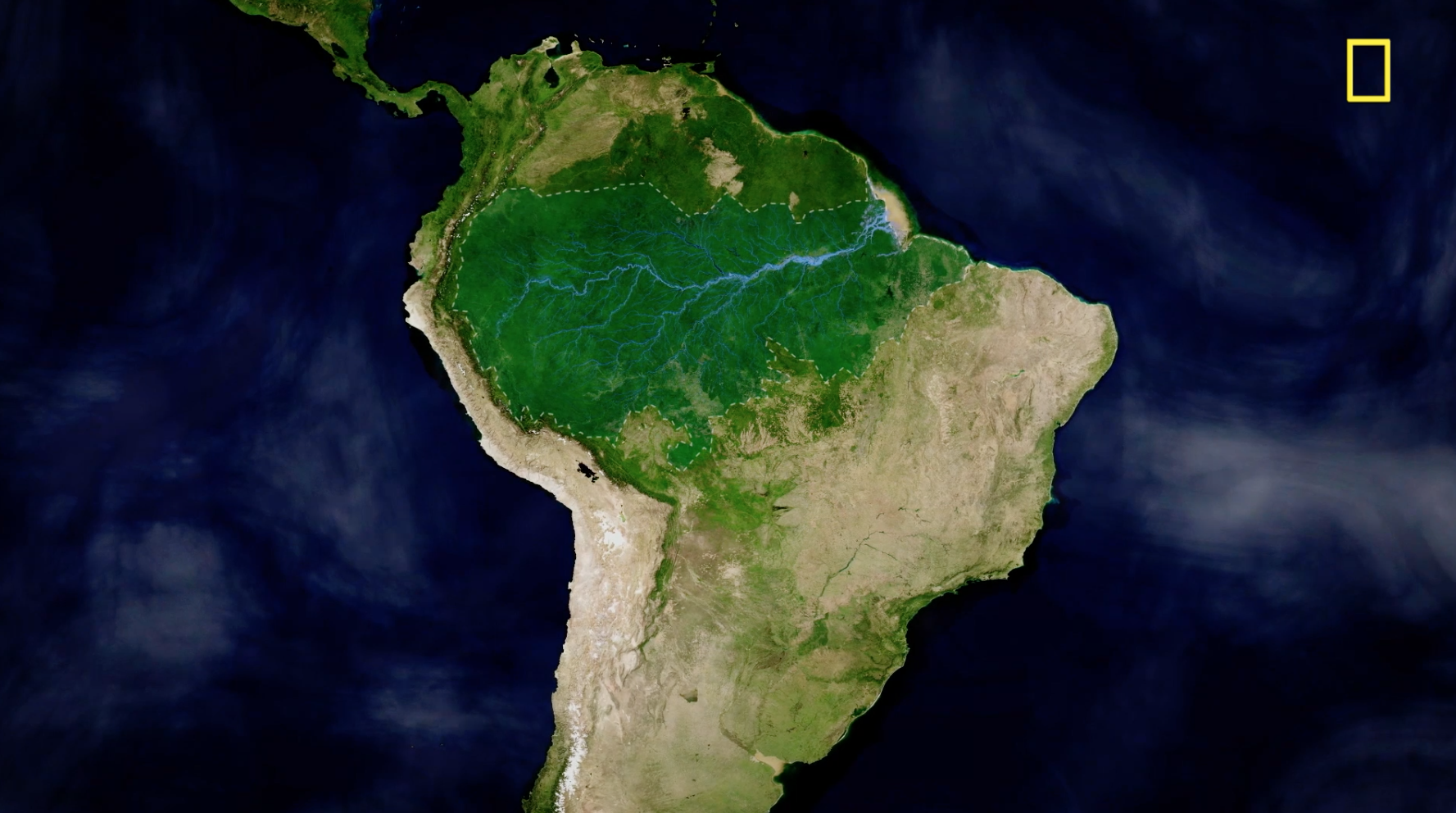
Land‑ownership conflicts in the Amazon undermine forest protection, accelerate carbon emissions, and drive rapid biodiversity loss, threatening both regional peoples and global climate stability.
Quick Answer
Amazon land‑ownership conflicts refer to disputes over legal title, use rights, and jurisdiction among indigenous peoples, national governments, agribusinesses, and illegal actors. These disputes often result in forest clearing for cattle, soy, timber, and mining, which releases stored carbon and fragments habitats. Strong evidence links tenure insecurity to higher deforestation rates, meaning that unresolved land claims directly fuel climate change and species loss. While the overall trend is clear, the exact magnitude of emissions from each conflict zone varies with local enforcement and market dynamics.
Key Takeaways
- Unclear land titles and weak enforcement enable rapid conversion of forest to agriculture and extractive uses.
- Deforestation from conflicts releases an estimated 0.5 Gt CO₂ yr⁻¹, reducing the Amazon’s role as a carbon sink.
- Biodiversity loss is accelerated because fragmented habitats increase extinction risk for thousands of species.
- Indigenous stewardship, when legally recognized, consistently lowers deforestation rates.
- Solutions must combine secure land tenure, sustainable livelihood options, and robust monitoring.
What Is Amazon Land Ownership Conflicts Fuel Climate and Biodiversity Loss?
Land‑ownership conflicts in the Amazon are legal and extralegal struggles over who may occupy, manage, or profit from forested lands. They involve at least four principal actors: (1) Indigenous peoples and traditional communities who hold ancestral claims; (2) Federal and state governments that issue land titles and enforce regulations; (3) Private agribusinesses, logging firms, and mining corporations seeking resource extraction; and (4) Illegal loggers and squatters operating outside formal systems. The term differs from generic “deforestation” because it emphasizes the institutional and rights‑based drivers that precede forest loss, rather than the act of cutting trees alone.
How Does It Work?
1. Legal Ambiguity and Overlapping Claims
Brazil’s land‑registry system often records multiple, contradictory titles for the same parcel. When an indigenous claim is not formally demarcated, the state may grant a concession to an agribusiness, creating a legal foothold for forest conversion.
2. Economic Incentives for Conversion
Global demand for beef, soy, and minerals makes forested land financially attractive. Companies acquire contested parcels, clear the forest, and establish plantations or mines, generating short‑term profit while emitting carbon stored in biomass and soils.
3. Enforcement Gaps
Limited budget, corruption, and political pressure reduce the capacity of environmental agencies to monitor and penalize illegal clearing. Remote areas lack satellite‑based oversight, allowing illegal activities to continue unchecked.
4. Feedback to Climate and Biodiversity
Each hectare cleared releases roughly 150 t CO₂, and the loss of canopy reduces regional rainfall, creating a feedback loop that can push the forest toward a savanna‑like state. Habitat fragmentation isolates populations, raising extinction risk for species with limited dispersal ability.
What Does the Evidence Show?
Long‑term satellite monitoring (e.g., Brazil’s PRODES program) shows that deforestation rates spiked from 5,000 km² yr⁻¹ in the early 2000s to over 11,000 km² yr⁻¹ during 2019‑2021, coinciding with intensified land‑tenure disputes. A 2020 systematic review in *Global Environmental Change* found that regions with formally recognized indigenous territories experienced 20‑30 % lower deforestation than adjacent unprotected lands. The Intergovernmental Panel on Climate Change (IPCC, 2021) estimates that Amazon deforestation contributed about 0.5 Gt CO₂ yr⁻¹ to global emissions, a figure that rises when conflict‑driven clearing is accounted for. Biodiversity surveys by the International Union for Conservation of Nature (IUCN) indicate that over 1,300 species have lost more than 30 % of their habitat in the past two decades, a loss strongly correlated with fragmented land parcels.
Main Causes or Drivers
Direct Causes
- Illegal logging and land grabbing motivated by commodity markets.
- Government concessions granted without clear demarcation of indigenous lands.
Underlying Drivers
- Global demand for beef, soy, and minerals.
- Weak land‑registry institutions and limited cadastral mapping.
Amplifying Factors
- Infrastructure projects (roads, dams) that open remote areas to market access.
- Policy shifts that prioritize economic growth over environmental protection.
Environmental and Human Impacts
Environmental Impacts
Deforestation reduces the Amazon’s carbon uptake by up to 30 % compared with intact forest, turning parts of the basin into a net carbon source. Altered evapotranspiration patterns increase the frequency of severe droughts, which further stress vegetation and fire regimes. Habitat loss fragments ecological corridors, leading to local extinctions and reducing genetic diversity across taxa.
Human Health and Social Impacts
Indigenous communities lose access to medicinal plants and clean water sources, heightening food insecurity and exposure to water‑borne diseases. Violence linked to land disputes has resulted in over 150 documented killings of indigenous leaders between 2000 and 2022, according to the Amazon Watch database.
Economic and Infrastructure Impacts
Short‑term gains from agriculture and mining are often offset by long‑term costs: loss of ecosystem services such as pollination, climate regulation, and tourism potential. Infrastructure built for extractive industries can become under‑utilized if environmental degradation reduces regional productivity.
Regional Differences
In Brazil’s state of Pará, illegal gold mining drives forest loss along river corridors, while in Bolivia’s Madidi region, cattle ranching on disputed pastureland is the primary driver. The Colombian Amazon shows a higher proportion of conflict‑related deforestation linked to drug‑trafficking routes, whereas in Peru, community‑led forest concessions have successfully lowered clearing rates by 40 % compared with neighboring areas lacking secure tenure.
What Scientists Know With High Confidence
- Secure indigenous land tenure consistently lowers deforestation rates.
- Deforestation releases large quantities of stored carbon, contributing measurably to global greenhouse‑gas concentrations.
- Habitat fragmentation increases extinction risk for species with limited dispersal abilities.
- Legal ambiguity and weak enforcement are primary enablers of land‑conflict‑driven forest loss.
What Remains Uncertain
The precise contribution of each conflict type to total Amazon emissions remains uncertain because illegal activities are under‑reported and satellite detection has a lag time. Additionally, the long‑term climate feedbacks—such as the threshold at which the rainforest could shift to a savanna ecosystem—are modeled with varying assumptions, leading to a range of projected outcomes.
Common Misconceptions
Misconception: Deforestation is caused only by illegal loggers.
Reality: While illegal logging is a major factor, many forest conversions are legally sanctioned through government concessions that overlap with unrecognized indigenous claims.
Misconception: Indigenous peoples oppose all development.
Reality: Indigenous communities often support sustainable economic activities (e.g., non‑timber forest products, ecotourism) that preserve forest cover while providing livelihoods.
Misconception: The Amazon’s carbon sink is inexhaustible.
Reality: Scientific assessments show that the sink has already weakened; continued clearing can turn the basin into a net carbon source.
Solutions and Limitations
Effective responses combine tenure security, sustainable economies, and rigorous monitoring. Formal demarcation of indigenous territories can reduce clearing, but implementation is slowed by bureaucratic delays and political opposition. Payments for ecosystem services (PES) provide financial incentives for forest preservation, yet funding is often limited in scale and duration. Strengthening satellite‑based enforcement improves detection of illegal clearing, but ground‑level verification remains resource‑intensive. Ecotourism offers low‑impact income, but requires infrastructure and market access that may be lacking in remote areas.
What Individuals, Communities, and Governments Can Do
What Individuals Can Do
- Support organizations that fund indigenous land‑rights campaigns.
- Choose products certified by credible sustainability standards (e.g., RSPO, Rainforest Alliance).
- Advocate for transparent supply chains that trace commodities back to their origin.
What Communities and Organizations Can Do
- Develop community‑managed forest enterprises that combine conservation with income.
- Partner with NGOs to map and legally register customary lands.
- Use participatory monitoring tools (e.g., smartphone‑based reporting) to document illegal activity.
What Governments Can Do
- Accelerate the demarcation of indigenous territories and enforce existing land‑title laws.
- Redirect subsidies from deforestation‑intensive agriculture toward agroforestry and sustainable livestock practices.
- Invest in integrated satellite‑ground monitoring networks to detect and prosecute illegal clearing promptly.
Synthesis
Land‑ownership conflicts in the Amazon act as a catalyst that translates legal uncertainty into forest loss, carbon emissions, and biodiversity decline. Robust evidence links tenure insecurity to higher deforestation rates, while secure indigenous stewardship consistently safeguards ecosystems. Remaining uncertainties center on the exact emission contributions of illicit activities and the tipping point for ecosystem transformation. Addressing the issue requires coordinated actions: securing land rights, providing sustainable livelihood alternatives, and enhancing enforcement. By aligning policy, market, and community incentives, the Amazon can retain its climate‑regulating and biodiversity‑rich functions for future generations.
Frequently Asked Questions
What are the main types of land ownership conflicts in the Amazon?
The conflicts fall into four categories: (1) overlapping legal titles where government concessions clash with undocumented indigenous claims, (2) illegal land grabbing by loggers and miners, (3) disputes over resource extraction permits, and (4) tensions between community‑managed lands and commercial agribusinesses.
How do these conflicts increase carbon emissions?
When contested lands are cleared for cattle, soy, or mining, stored biomass carbon is released—about 150 t CO₂ per hectare. Unsettled tenure often leads to faster clearing, turning parts of the Amazon from a carbon sink into a net source of greenhouse gases.
Which indigenous groups are most affected by deforestation driven by land disputes?
Groups such as the Kayapo in Brazil, the Asháninka in Peru, and the Kichwa in Ecuador face the highest pressure, because their territories overlap with high‑value agricultural frontiers and mineral deposits, making them frequent targets of illegal and legal encroachment.
What evidence links land‑tenure insecurity to biodiversity loss?
Studies reviewed in *Global Environmental Change* (2020) show a 20‑30 % higher deforestation rate in areas without recognized land rights, which directly translates to habitat fragmentation and a documented decline of over 1,300 species’ ranges in the past two decades.
What practical actions can individuals take to support fair land rights in the Amazon?
Individuals can back NGOs that fund indigenous land demarcation, purchase certified sustainable products, and pressure companies and governments for transparent supply chains that respect forest‑protecting land‑use policies.





Leave a Comment