
{
“title”: “Air Pollution in Thailand: Health Risks and Climate Drivers Explained”,
“content”: “
Air pollution in Thailand, driven by rapid urbanization, industrial emissions, and seasonal agricultural burning, poses serious health risks and is intensified by climate‑related weather patterns.
\n
Quick Answer
\n
Air pollution in Thailand is a mixture of fine particulate matter (PM2.5), ozone, nitrogen oxides, and other pollutants that exceed World Health Organization guidelines, especially in Bangkok and the northern burning season. The primary mechanism is the release of emissions from traffic, factories, and crop‑residue burning, which combine with stagnant atmospheric conditions during the dry season to form dense smog. Robust monitoring and epidemiological studies consistently link high PM2.5 exposure to respiratory and cardiovascular disease, while climate‑driven changes in temperature and wind patterns amplify seasonal peaks. Although uncertainties remain regarding the exact contribution of each source and future climate scenarios, the consensus is that immediate emission reductions are needed to protect public health.”,
“
\n
Key Takeaways
\n
- \n
- PM2.5 is the dominant pollutant linked to premature deaths in Thailand.
- Seasonal agricultural burning and traffic emissions are the two largest direct sources.
- Dry‑season weather patterns and regional topography trap pollutants, worsening exposure.
- Vulnerable groups—children, the elderly, and low‑income communities—bear disproportionate health burdens.
- Effective solutions require stricter regulations, cleaner energy, and regional cooperation.
\n
\n
\n
\n
\n
\n
\n
What Is Air Pollution in Thailand: Health Risks and Climate Drivers?
\n
Air pollution refers to the presence of substances in the atmosphere that are harmful to human health or the environment. In Thailand, the term usually encompasses fine particulate matter (PM2.5), ground‑level ozone (O3), nitrogen oxides (NOx), sulfur dioxide (SO2), and volatile organic compounds (VOCs). These pollutants are measured against WHO Air Quality Guidelines, which set an annual PM2.5 limit of 5 µg m⁻³. Most urban monitoring stations in Thailand regularly record concentrations two to three times higher than this benchmark, indicating a chronic exposure problem.
\n
How Does It Work?
\n
1. Emission Sources
\n
- \n
- Transportation: The rapid rise in vehicle ownership—over 7 million cars in 2022 according to the Thailand Department of Land Transport—produces NOx and primary PM2.5.
- Industry: Manufacturing, especially cement, steel, and petrochemical plants, releases SO2, NOx, and coarse particles.
- Agricultural Burning: Small‑scale farmers burn rice straw and sugarcane residues each dry season, emitting large pulses of PM2.5 and carbon monoxide.
- Domestic Energy: Use of diesel generators and biomass for cooking adds to the particulate load, particularly in peri‑urban areas.
\n
\n
\n
\n
\n
2. Atmospheric Transformation
\n
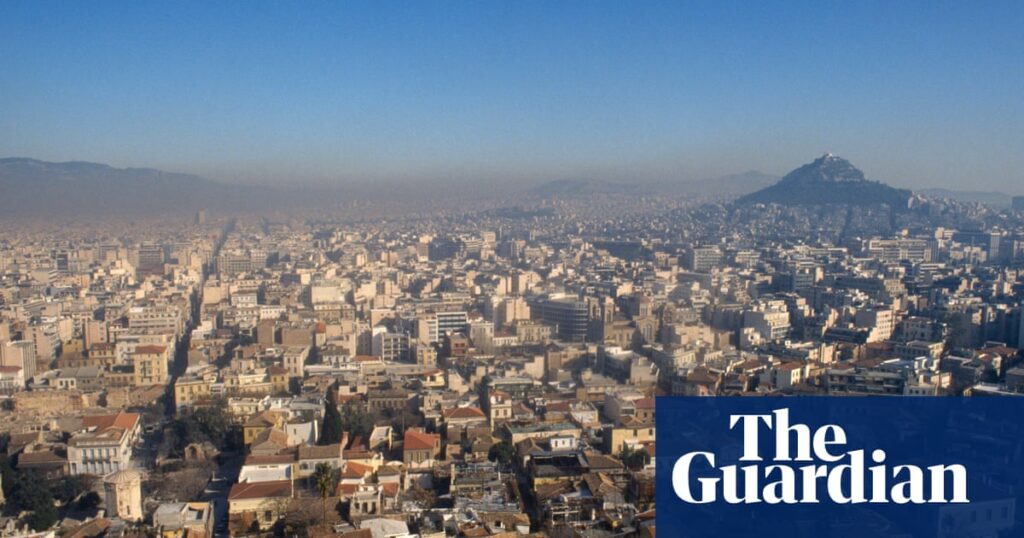
Primary emissions undergo chemical reactions under sunlight. NOx and VOCs form secondary pollutants such as ozone and secondary PM2.5. Temperature inversions and low wind speeds in the dry season limit vertical mixing, allowing pollutants to accumulate near the surface.
\n
3. Climate‑Driven Amplification
\n
Climate change influences temperature, humidity, and wind patterns. Warmer temperatures accelerate photochemical reactions that generate ozone, while altered monsoon timing can extend periods of stagnant air. The Intergovernmental Panel on Climate Change (IPCC) notes that tropical regions are projected to experience more frequent heatwaves, which can intensify smog events.
\n
What Does the Evidence Show?
\n
Long‑term monitoring by Thailand’s Pollution Control Department (PCD) indicates that the national average annual PM2.5 concentration was 21 µg m⁻³ in 2021, more than four times the WHO guideline. A systematic review published in *Environmental Health Perspectives* (2020) linked each 10 µg m⁻³ increase in PM2.5 to a 6 % rise in all‑cause mortality in Southeast Asian cohorts, including Thai populations. Hospital admission data from Bangkok University’s School of Public Health (2022) show a 12 % spike in asthma visits during peak burning months (February–April). Satellite‑derived aerosol optical depth records confirm that transboundary haze from Myanmar and Laos contributes up to 15 % of observed PM2.5 during regional fire episodes.
\n
Main Causes or Drivers
\n
Direct Causes
\n
- \n
- Vehicle exhaust emissions.
- Industrial stack releases.
- Open‑burning of agricultural residues.
\n
\n
\n
\n
Underlying Drivers
\n
- \n
- Rapid urban expansion without adequate public‑transport infrastructure.
- Economic incentives that favor low‑cost, high‑emission energy sources.
- Lack of enforcement of existing emission standards.
- Climatic conditions that create seasonal stagnation.
\n
\n
\n
\n
\n
Environmental and Human Impacts
\n
Environmental Impacts
\n
Elevated PM2.5 reduces visibility, harms photosynthetic efficiency in crops, and accelerates acid deposition that degrades soil and freshwater systems. Ozone damage to vegetation can lower rice yields by up to 5 % according to a 2021 FAO assessment.
\n
Human Health and Social Impacts
\n
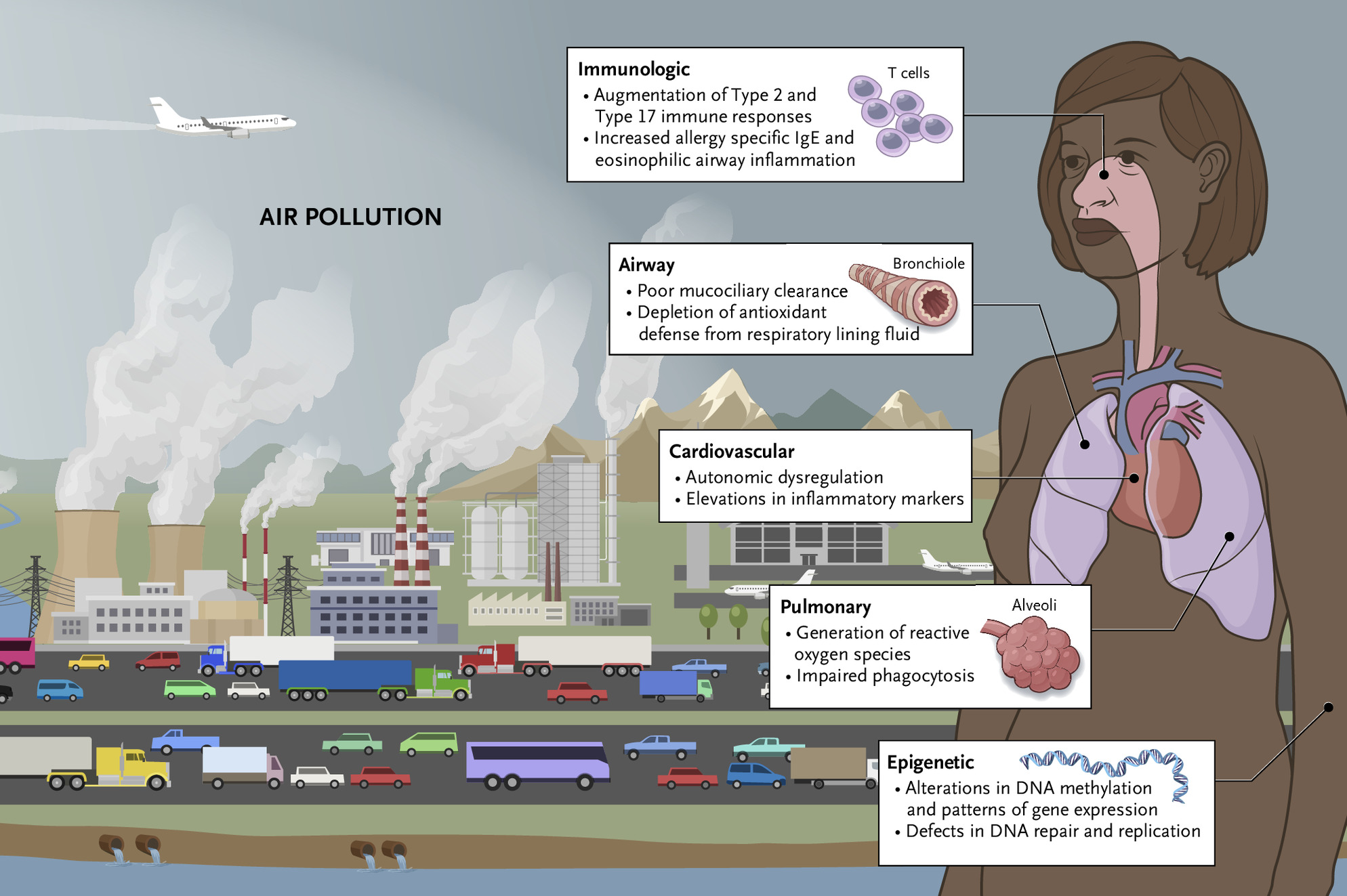
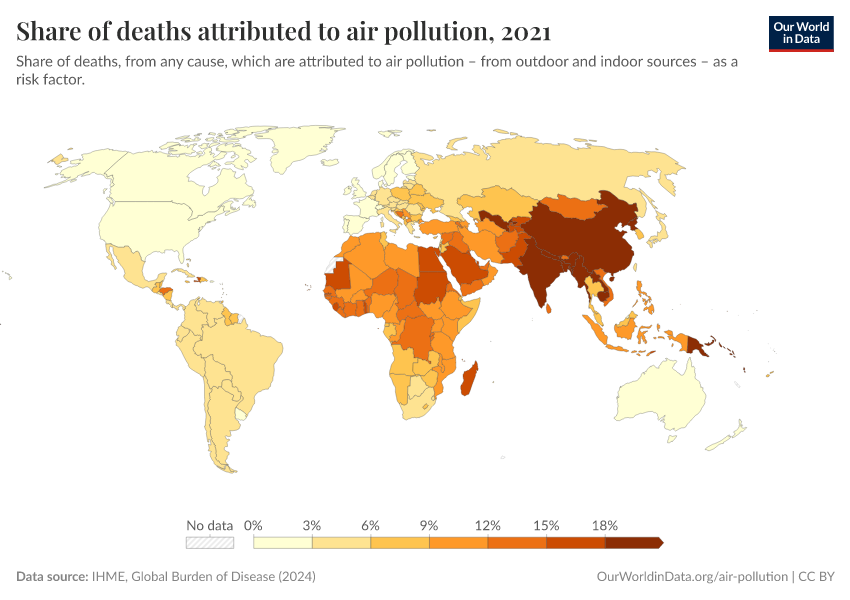
Exposure to PM2.5 is associated with chronic obstructive pulmonary disease, ischemic heart disease, and reduced lung function in children. The World Health Organization estimates that air pollution accounts for approximately 13 % of Thailand’s total mortality, translating to over 30,000 premature deaths per year. School absenteeism rises by 2–3 days per month in high‑pollution districts, disproportionately affecting low‑income families.
\n
Economic and Infrastructure Impacts
\n
Healthcare costs linked to pollution‑related illnesses are estimated at 1.5 % of Thailand’s GDP (World Bank, 2022). Tourism revenue can decline during severe haze events; the Tourism Authority of Thailand reported a 7 % drop in foreign arrivals during the 2019 northern haze season.
\n
Regional Differences
\n
Bangkok, a megacity of 10 million residents, experiences near‑continuous traffic‑related pollution, with daily PM2.5 peaks often exceeding 50 µg m⁻³. In contrast, the northern provinces (e.g., Chiang Mai) see acute, short‑term spikes—sometimes over 200 µg m⁻³—during the February‑April burning period. Coastal regions such as Phuket benefit from sea breezes that disperse pollutants more effectively, resulting in lower average concentrations.
\n
What Scientists Know With High Confidence
\n
- \n
- PM2.5 exposure increases risk of cardiovascular and respiratory disease.
- Seasonal agricultural burning is a major source of short‑term PM2.5 spikes in northern Thailand.
- Stagnant atmospheric conditions during the dry season amplify pollutant concentrations.
- Vulnerable populations experience higher morbidity and mortality from air pollution.
\n
\n
\n
\n
\n
\n
What Remains Uncertain
\n
Key uncertainties include the precise quantitative contribution of transboundary haze versus domestic sources, the long‑term health effects of low‑level chronic exposure in rural communities, and how future climate scenarios will modify seasonal wind patterns that currently trap pollutants. Improved ground‑level monitoring networks and regional emission inventories are needed to resolve these gaps.
\n
\n
Common Misconceptions
\n
Misconception: Air quality improves automatically when the rainy season starts.
\n
Reality: While rain can wash out particles, ozone levels often rise with higher temperatures, and some pollutants persist in the lower atmosphere for days.
\n
Misconception: Only traffic causes Thailand’s air pollution.
\n
Reality: Industrial emissions, open burning, and domestic energy use each contribute substantially; focusing on a single source overlooks the mixed nature of the problem.
\n
Misconception: Wearing masks eliminates health risks.
\n
Reality: Properly fitted N95 masks can reduce inhaled PM2.5, but they do not address systemic exposure and do not substitute for emission reductions.
\n
Misconception: Air pollution is a purely local issue.
\n
Reality: Satellite data and chemical transport models show that smoke from neighboring countries can add up to 15 % of Thailand’s PM2.5 during regional fire events.
\n
\n
Solutions and Limitations
\n
Effective mitigation requires a portfolio of interventions:
\n
- \n
- Regulatory Strengthening: Tightening vehicle emission standards can cut PM2.5 by 20 % in urban areas, but enforcement costs and potential pushback from automotive industries limit rapid adoption.
- Renewable Energy Transition: Expanding solar and wind reduces reliance on diesel generators; however, intermittency and grid integration challenges require substantial investment.
- Agricultural Practices: Promoting mechanized residue management lowers burning, yet smallholder farmers need affordable alternatives and technical training.
- Public‑Transport Expansion: Mass transit reduces traffic emissions, but high capital costs and land‑use constraints can delay implementation.
- Regional Cooperation: Joint monitoring with Myanmar and Laos can coordinate fire‑suppression efforts, but differing national priorities may impede consensus.
\n
\n
\n
\n
\n
\n
What Individuals, Communities, and Governments Can Do
\n
What Individuals Can Do
\n
- \n
- Use high‑efficiency masks (N95 or equivalent) on high‑pollution days.
- Reduce personal vehicle use by car‑pooling, cycling, or using public transit.
- Support local policies that promote clean cooking fuels.
\n
\n
\n
\n
What Communities and Organizations Can Do
\n
- \n
- Establish neighborhood air‑quality monitoring stations and share data publicly.
- Organize tree‑planting campaigns with species that are effective at particulate capture, such as *Moringa oleifera*.
- Advocate for stricter enforcement of existing emission standards through citizen‑science reporting apps.
\n
\n
\n
\n
What Governments Can Do
\n
- \n
- Implement and enforce stricter vehicle inspection programs and low‑emission zones in major cities.
- Provide subsidies or low‑interest loans for farmers to adopt mechanized residue removal.
- Invest in a nationwide network of continuous PM2.5 monitors to improve exposure assessment.
- Negotiate a ASEAN‑wide haze‑reduction protocol that includes joint fire‑fighting resources.
\n
\n
\n
\n
\n
Synthesis
\n
Air pollution in Thailand arises from a combination of traffic, industry, and seasonal agricultural burning, all amplified by climate‑driven stagnation during the dry season. Strong scientific evidence links fine particulate exposure to serious health outcomes, especially for children, the elderly, and low‑income groups. While uncertainties remain about source apportionment and future climate interactions, the high‑confidence findings justify immediate, multi‑scale actions. Solutions that blend stricter regulation, clean‑energy investment, and regional cooperation offer the most credible path toward cleaner air, but each carries cost, implementation, and equity challenges. Coordinated effort across individuals, communities, industry, and government is essential to protect public health and sustain Thailand’s natural allure for generations to come.
“,
“excerpt”: “Air pollution in Thailand, driven by traffic, industry, and seasonal burning, threatens health and is worsened by climate‑linked stagnation; solutions require regulation, clean energy, and regional cooperation.”,
“tags”: [
“air pollution”,
“Thailand”,
“public health”,
“climate change”,
“PM2.5”,
“environmental policy”
],
“faq”: [
{
“question”: “What are the main sources of air pollution in Thailand?”,
“answer”: “The primary sources are vehicle exhaust, industrial emissions, open burning of agricultural residues, and domestic energy use such as diesel generators.”
},
{
“question”: “How does seasonal agricultural burning affect air quality?”,
“answer”: “During the February‑April dry season, farmers burn crop residues, releasing large amounts of PM2.5 that can push concentrations above 200 µg m⁻³ in northern provinces, creating acute pollution spikes.”
},
{
“question”: “What health problems are linked to high PM2.5 levels in Thailand?”,
“answer”: “Elevated PM2.5 is associated with respiratory diseases like asthma and COPD, cardiovascular conditions, increased hospital admissions, and an estimated 30,000 premature deaths each year.”
},
{
“question”: “Why does climate play a role in Thailand’s air‑pollution episodes?”,
“answer”: “Warm, stagnant air during the dry season limits vertical mixing, while higher temperatures accelerate photochemical reactions that form ozone, both of which intensify pollution levels.”
},
{
“question”: “What actions can the Thai government take to reduce air pollution?”,
“answer”: “The government can tighten vehicle emission standards, subsidize clean‑energy technologies for households and farmers, expand public‑transport networks, and collaborate regionally to curb transboundary haze.”
}
]
}









Leave a Comment