

Protecting forests preserves biodiversity, sequesters carbon, regulates water, and supports human livelihoods, making tree conservation essential for planetary health.
Quick Answer
Forests are living ecosystems that store carbon, provide habitat for the majority of terrestrial species, and regulate water cycles. By maintaining tree cover, we keep these ecosystem services functioning, which mitigates climate change, safeguards biodiversity, and supports human societies. Scientific assessments show that intact forests absorb roughly 2.6 billion tonnes of CO₂ each year and host over 80 % of terrestrial biodiversity. While uncertainties remain about precise thresholds for ecosystem collapse, the consensus is clear: protecting and restoring forests is a high‑impact strategy for global environmental stability.
Key Takeaways
- Forests store carbon, regulate water, and provide habitat for most land‑based species.
- Deforestation accounts for about 10 % of global CO₂ emissions (IPCC, 2021).
- Healthy forests reduce flood risk, improve water quality, and support livelihoods.
- High‑confidence science links forest loss to biodiversity decline and climate acceleration.
- Solutions combine protection, sustainable management, and large‑scale restoration, but each has trade‑offs.
What Is Biodiversity and Forest Protection: Why Saving Trees Saves the Planet?
Biodiversity refers to the variety of life at genetic, species, and ecosystem levels. Forest protection means conserving existing forested lands, managing them sustainably, and restoring degraded areas. The concept differs from generic “tree planting” because it emphasizes preserving the complex web of organisms that depend on mature forest structures, not merely increasing tree count. Forests act as living scaffolds that host microbes in the soil, insects in the understory, birds in the canopy, and large mammals on the forest floor. Their protection safeguards ecosystem services that underpin food security, clean water, and climate regulation.
How Does It Work?
Carbon Sequestration
Through photosynthesis, trees convert atmospheric CO₂ into biomass. A mature tree can store 20–30 kg of carbon in its wood, leaves, and roots over a decade. Forests collectively act as a carbon sink; the Intergovernmental Panel on Climate Change (IPCC) reports that global forests removed about 2.6 billion tonnes of CO₂ in 2020, offsetting roughly one‑quarter of fossil‑fuel emissions.
Water Regulation
Tree roots increase soil porosity, enhancing infiltration and reducing surface runoff. Canopy interception slows rain, allowing moisture to evaporate slowly and maintain stream flow during dry periods. Studies by the Food and Agriculture Organization (FAO) show that forested watersheds produce up to 50 % more reliable water yields than deforested basins.
Habitat Provision
Different forest layers (forest floor, understory, canopy) create microhabitats. A single mature tree may host hundreds of insect species, dozens of epiphytes, and provide nesting sites for birds and mammals. This structural complexity underpins the high species richness typical of tropical rainforests, temperate woodlands, and boreal taiga.
What Does the Evidence Show?
Long‑term satellite monitoring (e.g., NASA’s Landsat series) indicates that from 2000 to 2020, the world lost roughly 10 million hectares of primary forest per year, with the highest rates in the Amazon, Congo Basin, and Southeast Asia. Meta‑analyses of field experiments demonstrate that protected areas retain 70–80 % more biomass than comparable unprotected lands. A systematic review published in *Science* (2022) found that forest loss is consistently associated with increased local extinction risk for vertebrates and a measurable rise in regional temperature extremes.
Main Causes or Drivers
Direct Causes
- Commercial logging for timber and paper.
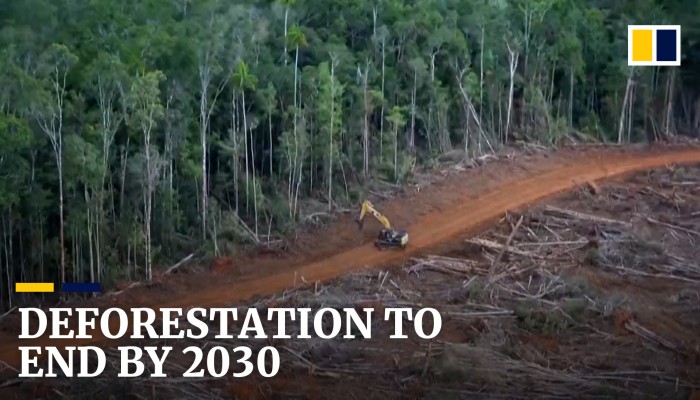
- Agricultural expansion, especially soy, palm oil, and cattle pasture.
- Infrastructure development such as roads and mining.
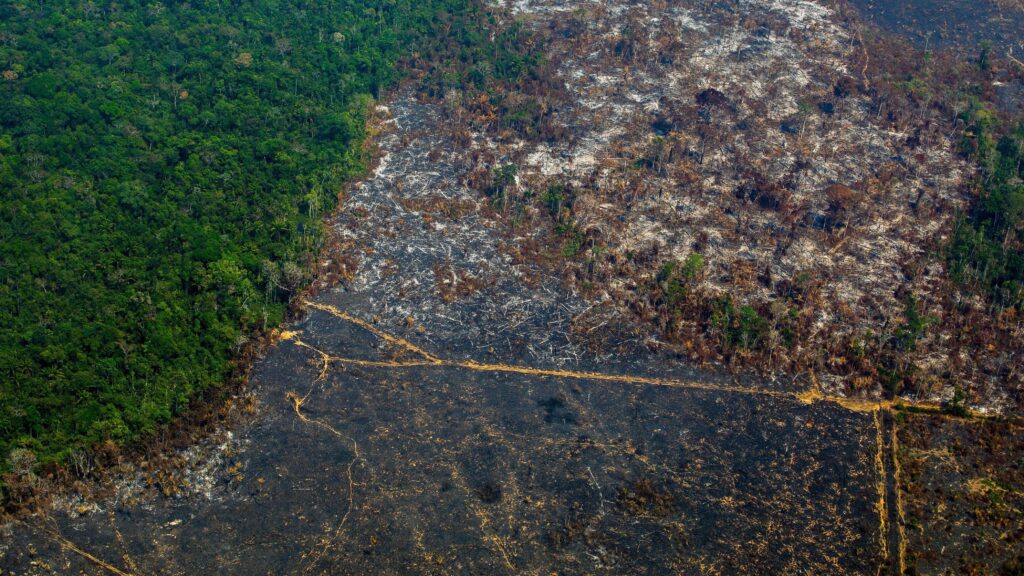
- Fire—both accidental and intentionally set for land clearing.
Underlying Drivers
Global demand for commodities, weak land‑use governance, and population growth create economic incentives that prioritize short‑term extraction over long‑term ecosystem health. Climate‑induced droughts can exacerbate fire risk, creating feedback loops that accelerate forest loss.
Environmental and Human Impacts
Environmental Impacts
Deforestation releases stored carbon, contributing to atmospheric CO₂ concentrations that drive climate change. Loss of canopy cover alters albedo, intensifying local warming. Biodiversity declines reduce pollination, seed dispersal, and pest control services, weakening ecosystem resilience.
Human Health and Social Impacts
Reduced forest cover diminishes clean water availability, increasing reliance on untreated sources and heightening water‑borne disease risk. Indigenous and rural communities that depend on forest products for food, medicine, and cultural practices face livelihood loss and cultural erosion.
Economic and Infrastructure Impacts
Forests provide timber, non‑timber forest products, and ecotourism revenue. Their removal can trigger soil erosion, landslides, and flood damage, imposing costly repairs on infrastructure. The World Bank estimates that annual flood damages in deforested watersheds can exceed US$10 billion globally.
Regional Differences
In the Amazon, deforestation is driven primarily by cattle ranching and soy cultivation, leading to significant carbon emissions and loss of megafauna. In Southeast Asia, illegal logging for palm oil has fragmented dipterocarp forests, threatening orangutan populations. Boreal forests of Canada and Russia experience fire‑related loss amplified by warming temperatures, impacting carbon storage at high latitudes. Temperate forests in Europe benefit from stronger policy frameworks, yet still face pressure from urban expansion.
What Scientists Know With High Confidence
- Forests act as major carbon sinks, removing billions of tonnes of CO₂ annually.
- More than 80 % of terrestrial species rely on forest habitats.
- Deforestation contributes roughly 10 % of global anthropogenic greenhouse‑gas emissions.
- Protected areas markedly reduce forest loss and preserve biodiversity when adequately enforced.
What Remains Uncertain
Key uncertainties include the exact carbon‑storage potential of degraded forests undergoing natural regeneration, the thresholds at which forest fragmentation leads to irreversible biodiversity collapse, and the long‑term effectiveness of large‑scale afforestation under future climate scenarios. Improved long‑term monitoring and region‑specific studies are needed to refine these estimates.
Common Misconceptions
Misconception: Planting any trees will solve climate change.
Reality: Tree planting can sequester carbon, but species choice, site suitability, and ecosystem context determine effectiveness. Monoculture plantations often store less carbon and provide few biodiversity benefits compared with restoring native forest.
Misconception: Only tropical forests matter for biodiversity.
Reality: Temperate and boreal forests also host unique species assemblages and store large carbon stocks. Their protection is essential for global biodiversity and climate mitigation.
Misconception: Forests are endless resources that can be harvested without harm.
Reality: Sustainable yield limits exist; exceeding them leads to degradation, reduced carbon uptake, and loss of ecosystem services.
Solutions and Limitations
Effective strategies combine protection, sustainable management, and restoration:
- Protected Areas: Legal designation reduces deforestation risk, but enforcement costs and potential displacement of local peoples can limit success.
- Community‑Based Forest Management: Empowers Indigenous peoples and often yields lower deforestation rates, yet requires secure land tenure.
- Reduced‑Impact Logging: Techniques that minimize canopy damage preserve carbon stocks, though they may increase harvesting costs.
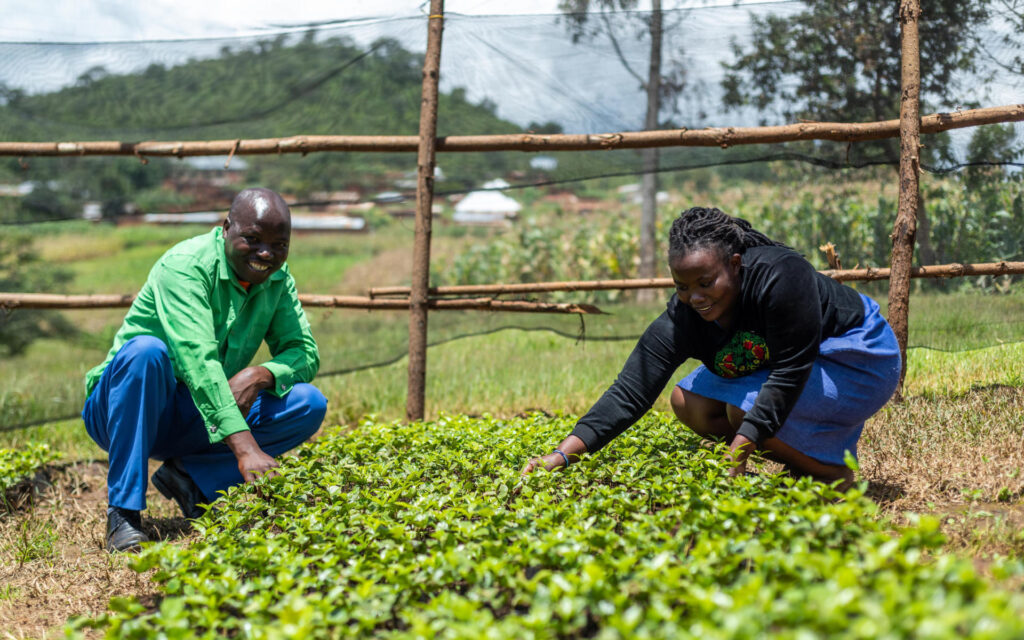
- Reforestation/Afforestation: Restores degraded lands, yet carbon sequestration accrues slowly and biodiversity outcomes depend on native species composition.
- Supply‑Chain Certification: Labels such as FSC encourage responsible sourcing, but market penetration varies across regions.
What Individuals, Communities, and Governments Can Do
What Individuals Can Do
- Choose certified‑sustainable wood, paper, and palm‑oil products.
- Support NGOs that fund forest conservation or community land‑rights projects.
- Reduce personal consumption of high‑impact commodities linked to deforestation.
What Communities and Organizations Can Do
- Develop local forest‑monitoring programs using satellite data or citizen science.
- Promote agroforestry practices that integrate trees into agricultural landscapes.
- Advocate for equitable land‑tenure reforms that recognize Indigenous stewardship.
What Governments Can Do
- Implement and enforce robust protected‑area networks aligned with the Convention on Biological Diversity targets.
- Provide financial incentives for sustainable forest management and avoided‑deforestation (e.g., REDD+ mechanisms).
- Integrate forest‑conservation goals into national climate‑action plans and land‑use policies.
Closing Synthesis
Forests are irreplaceable engines of biodiversity, carbon storage, and water regulation. Scientific evidence consistently shows that protecting and restoring trees yields multiple co‑benefits for ecosystems and human societies, even as uncertainties remain about exact thresholds and long‑term restoration outcomes. By combining high‑confidence actions—such as expanding protected areas, supporting Indigenous stewardship, and applying sustainable forest‑management practices—with ongoing research to fill knowledge gaps, the global community can preserve the planetary orchestra of life that trees conduct.
Frequently Asked Questions
What is biodiversity and how is it connected to forests?
Biodiversity is the variety of life at genetic, species, and ecosystem levels. Forests provide the structural complexity—soil, understory, canopy—that supports most terrestrial species, making them critical reservoirs of biodiversity.
How do trees capture and store carbon?
Through photosynthesis, trees absorb CO₂ and convert it into wood, leaves, and roots. A mature tree can lock away 20–30 kg of carbon per decade, and global forests together remove about 2.6 billion tonnes of CO₂ annually.
What are the main drivers of deforestation worldwide?
The primary drivers are commercial logging, agricultural expansion (especially soy, palm oil, and cattle), infrastructure development like roads and mining, and fire—both accidental and intentional.
In what ways does forest loss affect water security?
Forests enhance soil infiltration, reduce surface runoff, and maintain stream flow. Deforestation leads to faster runoff, higher flood risk, lower groundwater recharge, and poorer water quality, jeopardizing drinking water supplies.
What practical actions can individuals take to support forest protection?
Individuals can choose sustainably certified wood, paper, and palm‑oil products, support organizations that fund forest conservation, reduce consumption of high‑impact commodities, and raise awareness of the link between forests and climate.







Leave a Comment