
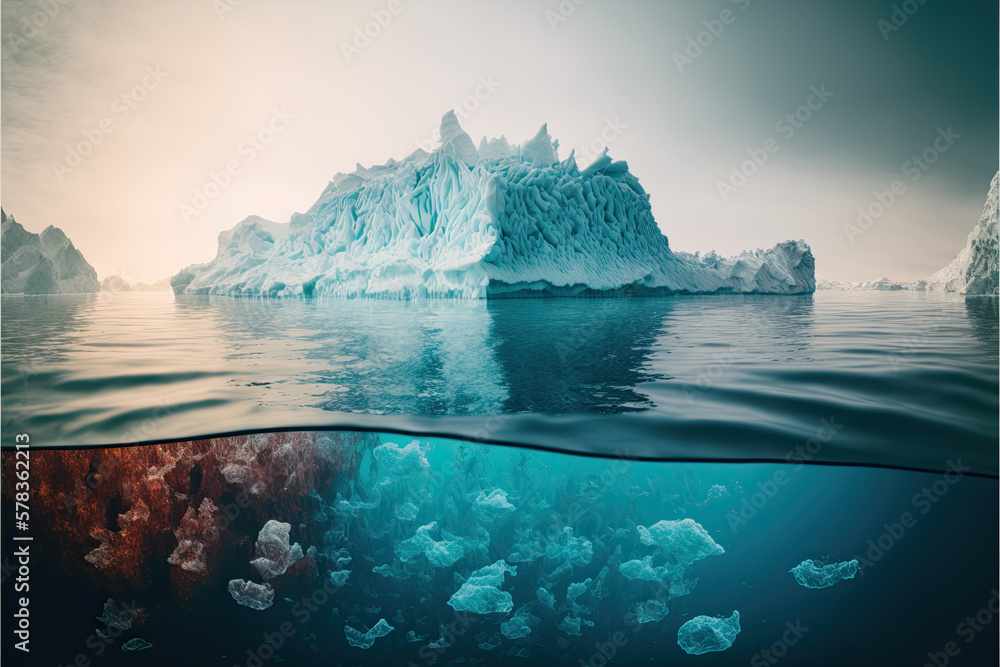
Glacier melt accounts for roughly one‑quarter of the observed rise in global sea level, a proportion that is supported by long‑term satellite records and ground‑based measurements, though uncertainties remain about future contributions.
Quick Answer
About 25 % of the measured increase in global mean sea level since the early 20th century is attributed to the loss of glacier ice, both from mountain (alpine) glaciers and from the peripheral ice of the Greenland and Antarctic ice sheets. The primary mechanism is the conversion of solid ice to liquid water that flows into the ocean, adding volume directly. This contribution is well‑established by satellite gravimetry (e.g., GRACE) and mass‑balance observations, but the exact future share is uncertain because melt rates depend on regional climate patterns and feedbacks such as albedo loss.
Key Takeaways
- Glaciers contribute roughly 25 % of observed global sea‑level rise, with the remainder coming mainly from thermal expansion and ice‑sheet loss.
- Both alpine glaciers and the margins of Greenland and Antarctica are losing mass, but alpine glaciers dominate the early‑century signal.
- Satellite gravimetry, laser altimetry, and in‑situ mass‑balance networks provide strong, converging evidence for glacier contributions.
- Uncertainty grows for future projections because melt rates are sensitive to regional temperature trends and feedback mechanisms.
- Mitigation of greenhouse‑gas emissions and adaptation of coastal infrastructure are the primary strategies to limit impacts.
What Is How Much of Sea Level Rise Comes From Melting Glaciers?
The phrase refers to the proportion of the total increase in global mean sea level that originates from the conversion of glacier ice into ocean water. It includes melt from all non‑ice‑sheet glaciers—mountain glaciers, ice caps, and the peripheral margins of the Greenland and Antarctic ice sheets—but excludes the deep‑water thermal expansion of seawater. Understanding this share is essential because it links the cryosphere directly to coastal risk, freshwater budgets, and the broader climate system.
How Does It Work?
Physical Pathway
- Atmospheric warming raises surface temperatures above the melting point of glacier ice.
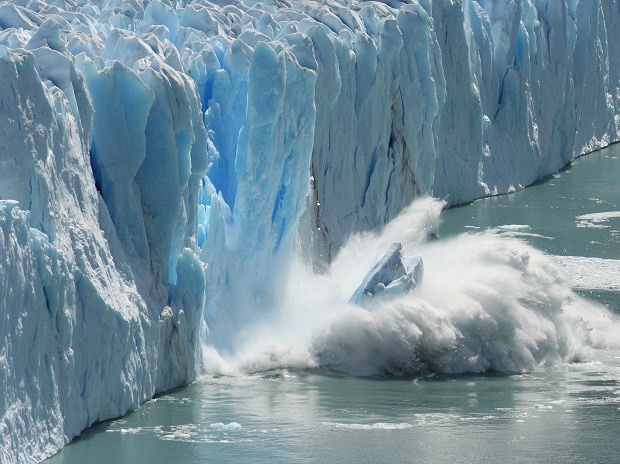
- Ice melts at the surface and at the base; meltwater runs off into streams and rivers.
- River discharge carries the water to the ocean, increasing its volume.
- When enough mass is lost, the glacier’s surface lowers (negative mass balance), accelerating further melt.
Key Feedbacks
Melting exposes darker rock or ice that absorbs more solar radiation (a reduced albedo), which in turn speeds up further melt. Additionally, meltwater can lubricate glacier beds, enhancing glacier flow toward the sea.
What Does the Evidence Show?
Multiple, independent lines of evidence converge on the ~25 % figure. Satellite gravimetry missions such as GRACE (2002‑2017) measured a net loss of about 220 Gt yr⁻¹ from glaciers worldwide, equivalent to ~0.6 mm yr⁻¹ of sea‑level rise. Laser‑altimeter missions (ICESat, CryoSat‑2) confirm surface lowering of alpine glaciers at rates of 0.3–0.5 mm yr⁻¹. Ground‑based mass‑balance networks, coordinated by the World Glacier Monitoring Service, report consistent negative balances across the Himalayas, Andes, Rockies, and European Alps. The Intergovernmental Panel on Climate Change (IPCC) Fifth Assessment Report (AR5, 2013) synthesised these observations and attributed 0.5 mm yr⁻¹ (≈25 % of the 2.0 mm yr⁻¹ total rise observed from 1901‑2010) to glacier melt.
Main Causes or Drivers
Direct Causes
- Rising air temperatures that exceed the local melting point.
- Increased solar radiation absorption due to albedo loss.
Underlying Drivers
- Anthropogenic greenhouse‑gas emissions that raise global mean temperatures.
- Changes in atmospheric circulation that bring warm, moist air to high‑altitude regions.
Amplifying Factors
- Atmospheric black‑carbon deposition on snow, which darkens the surface.
- Glacier‑lake outburst floods that can release large water volumes suddenly.
Environmental and Human Impacts
Environmental Impacts
Glacier melt contributes to sea‑level rise, which alters coastal ecosystems, increases erosion, and shifts habitat ranges for mangroves and intertidal species. Freshwater input can affect ocean stratification, potentially influencing regional circulation patterns such as the Atlantic Meridional Overturning Circulation.
Human Health and Social Impacts
Rising seas increase flood risk for low‑lying communities, threatening housing, sanitation, and access to clean water. In regions that depend on glacier runoff for irrigation—e.g., the Indus and Ganges basins—declining glacier mass may reduce water availability in the dry season, affecting food security.
Economic and Infrastructure Impacts
Coastal infrastructure (ports, roads, storm‑drainage systems) faces higher design and maintenance costs as sea level rises. Insurance premiums rise in flood‑prone zones, and adaptation investments can strain public budgets, especially in developing nations.
Regional Differences
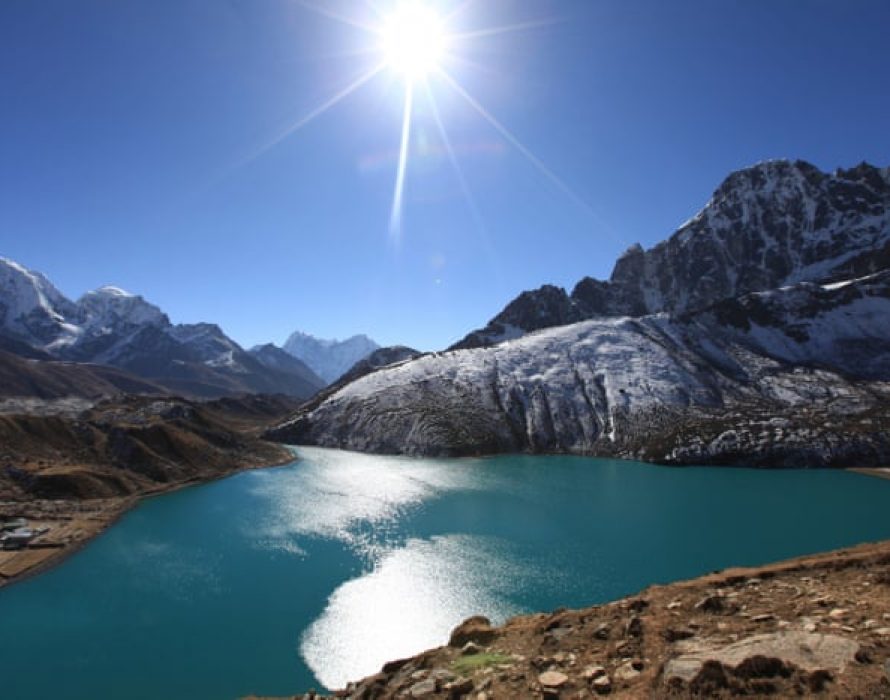
Alpine glaciers dominate the contribution in the mid‑latitudes. For example, the Himalayas lost an estimated 10 Gt yr⁻¹ between 2000 and 2016, enough to raise sea level by ~0.03 mm yr⁻¹. In contrast, the peripheral margins of the Greenland Ice Sheet contributed about 0.3 mm yr⁻¹ during the same period, a larger absolute amount but concentrated in high‑latitude regions. Antarctic interior ice loss remains modest, but recent observations of increased basal melt under warm ocean currents threaten future acceleration.
What Scientists Know With High Confidence
- Global mean sea level has risen by roughly 20 cm since 1900, with thermal expansion and ice‑mass loss as the dominant drivers.
- Glacier melt accounts for about one‑quarter of the observed sea‑level rise over the past century.
- Satellite gravimetry and long‑term mass‑balance networks provide consistent, high‑confidence measurements of glacier mass loss.
- Continued warming of the atmosphere will increase glacier melt rates, unless global greenhouse‑gas emissions are sharply reduced.
What Remains Uncertain
The magnitude of future glacier contributions is uncertain because regional climate projections differ among models, especially for precipitation patterns that affect accumulation. The timing and extent of feedbacks—such as albedo loss and basal lubrication—are still being quantified. Improved high‑resolution monitoring in remote mountain ranges would reduce these gaps.
Common Misconceptions
Misconception: All sea‑level rise comes from melting glaciers.
Reality: Glaciers contribute about 25 % of the total rise; the majority comes from thermal expansion of warming seawater and from the loss of the Greenland and Antarctic ice sheets.
Misconception: Glacier melt is a recent phenomenon.
Reality: Glaciers have fluctuated over millennia, but the rapid, sustained mass loss observed since the mid‑20th century exceeds natural variability and aligns with the industrial rise in greenhouse gases.
Misconception: Small alpine glaciers are insignificant.
Reality: Although each alpine glacier stores less ice than an ice sheet, their collective area is vast, and together they have contributed a measurable portion of sea‑level rise, especially in the early 20th‑century record.
Solutions and Limitations
Addressing glacier‑driven sea‑level rise involves two complementary pathways:
- Mitigation: Reducing CO₂ emissions slows atmospheric warming, directly limiting future glacier melt. The limitation is that global mitigation requires coordinated policy, technology transfer, and long‑term economic shifts.
- Adaptation: Protecting coastal communities through managed retreat, flood‑defense infrastructure, and early‑warning systems reduces vulnerability. Adaptation does not address the root cause and can be costly, especially for low‑income regions.
Nature‑based solutions, such as restoring upstream wetlands, can retain meltwater and moderate downstream flood peaks, but their capacity is region‑specific and cannot offset sea‑level rise at the global scale.
What Individuals, Communities, and Governments Can Do
What Individuals Can Do
- Support policies that aim for net‑zero emissions and fund renewable‑energy projects.
- Reduce personal carbon footprints through energy efficiency, sustainable travel, and responsible consumption.
- Participate in local watershed protection to maintain healthy upstream ecosystems.
What Communities and Organizations Can Do
- Develop and implement community‑level climate‑resilience plans that incorporate flood mapping and evacuation routes.
- Invest in green infrastructure (e.g., permeable pavements, restored floodplains) that can absorb excess runoff from meltwater.
- Partner with scientific institutions to monitor local glacier changes, enhancing data for regional models.
What Governments Can Do
- Adopt ambitious emissions‑reduction targets aligned with the Paris Agreement and enforce them through carbon pricing or regulation.
- Allocate funding for high‑resolution remote‑sensing programs and ground‑based glacier monitoring networks.
- Integrate sea‑level rise projections into coastal‑zone planning, building codes, and disaster‑risk financing.
Closing Synthesis
Glacier melt is a well‑documented driver of sea‑level rise, contributing roughly one‑quarter of the observed increase since the early 1900s. Robust satellite and ground observations underpin this estimate, while uncertainties remain about how regional climate dynamics will shape future melt rates. Mitigation of greenhouse‑gas emissions offers the most effective means to limit further glacier loss, whereas adaptation measures protect societies already facing rising tides. Continued monitoring, especially in understudied mountain ranges, will refine our understanding and guide evidence‑based policies.
Frequently Asked Questions
What percentage of sea level rise is caused by glacier melt?
Glacier melt contributes roughly 25 % of the observed global sea‑level rise since the early 20th century, according to satellite gravimetry and mass‑balance observations.
How do scientists measure glacier contributions to sea level?
Scientists combine satellite gravimetry (e.g., GRACE), laser altimetry (ICESat, CryoSat‑2), and ground‑based mass‑balance networks to quantify ice loss and translate it into millimetres of sea‑level rise.
Why are alpine glaciers important despite their small size?
Although each alpine glacier stores less ice than polar ice sheets, their collective area is extensive, and together they have contributed a measurable portion of sea‑level rise, especially in the early 20th‑century record.
What are the main uncertainties about future glacier melt?
Future uncertainties stem from regional climate model differences, especially precipitation patterns, and from poorly quantified feedbacks like albedo loss and basal lubrication that affect melt rates.
What actions can governments take to address glacier‑driven sea‑level rise?
Governments can set and enforce ambitious emissions‑reduction targets, fund high‑resolution monitoring of glaciers, and integrate sea‑level projections into coastal planning and disaster‑risk financing.




Leave a Comment