
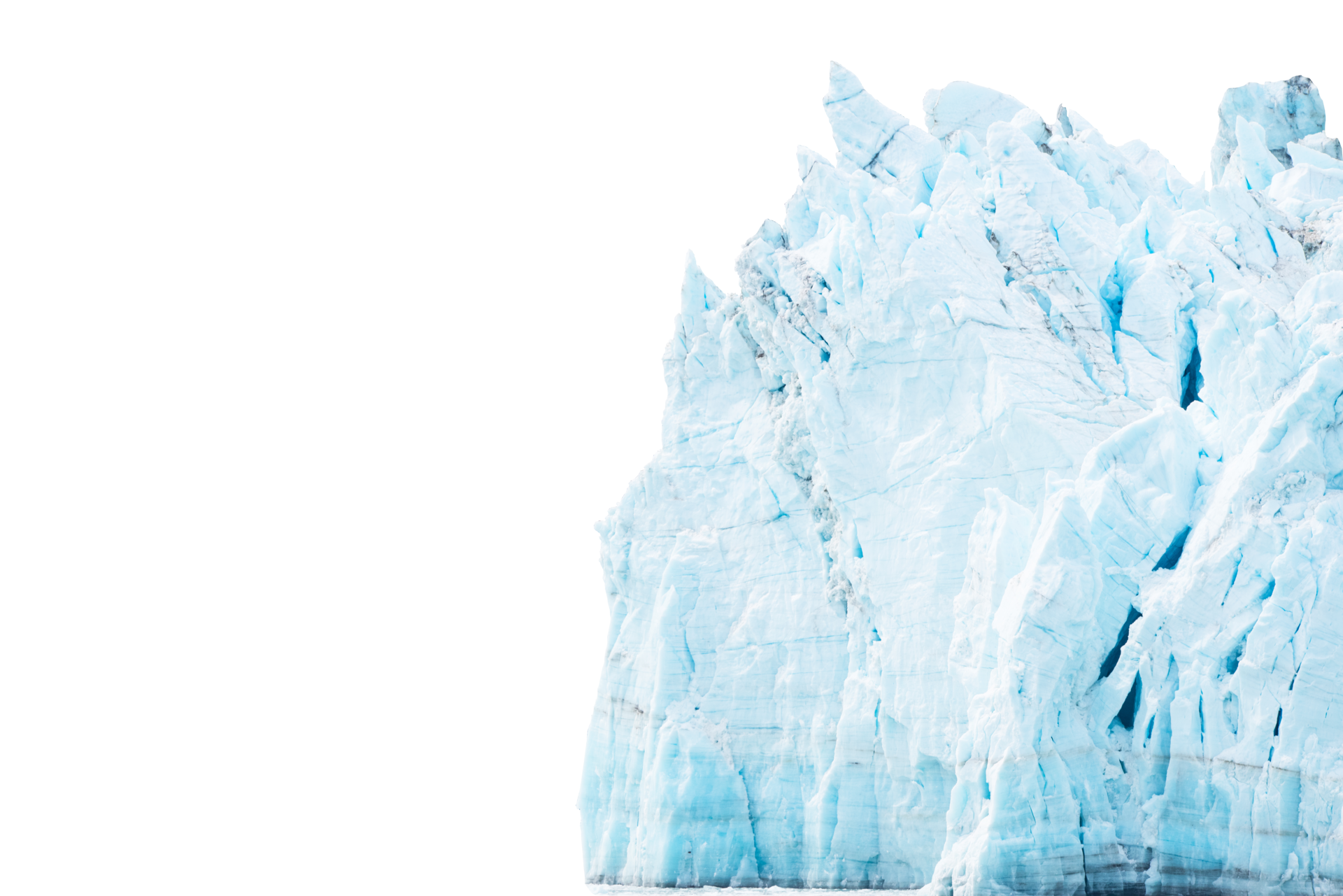
Melting glaciers, snow, and ice are linked through a cycle of accumulation, compression, and melt that governs freshwater storage, sea‑level rise, and ecosystem health, and this connection intensifies as a warming climate alters the balance.
Quick Answer
Glaciers form when seasonal snowfall compacts into dense ice; as global temperatures rise, the same ice and seasonal snow melt faster than they are replenished, reducing glacier volume, lowering freshwater availability, and adding meltwater to the oceans. The core mechanism is the temperature‑driven energy balance that controls snow‑to‑ice conversion and melt rates. Scientists are highly confident that warming is the primary driver of accelerated glacier loss, though the exact timing of regional impacts remains uncertain.
Key Takeaways
- Snowfall builds glaciers, but higher temperatures increase melt faster than accumulation.
- Albedo loss—when fresh snow turns to dirty ice—amplifies warming and melt.
- Glacier retreat contributes to sea‑level rise and threatens water supplies for millions.
- Impacts vary by region; high‑altitude and polar glaciers retreat at different rates.
- High‑confidence findings include the link between global warming and accelerated glacier melt.
- Uncertainties remain around future melt rates under different emission scenarios.
What Is Melting Glaciers Snow and Ice: How They’re Connected?
The phrase describes the physical and climatic relationship among three components of the cryosphere: seasonal snow, the glacier ice that snow eventually becomes, and the melt processes that return water to the atmosphere and oceans. Snow falls on high‑altitude or high‑latitude terrain, accumulates in winter, and over years to decades is buried, compressed, and recrystallized into glacier ice. When temperatures rise above freezing, that ice and any remaining surface snow melt, feeding rivers, lakes, and the sea. The term differs from “snow melt” alone because it emphasizes the full lifecycle—from snowfall to glacier formation to melt.
How Does It Work?
The transformation follows a series of linked steps:
- Snowfall and accumulation: Fresh snow has a high albedo (reflectivity) of about 0.8–0.9, meaning most solar radiation is reflected back to space.
- Compaction and densification: Repeated snowfall buries older layers; over time, air is expelled and snow crystals recrystallize, increasing density from ~0.1 g cm⁻³ (fresh snow) to ~0.9 g cm⁻³ (glacial ice).
- Ice formation: When the snowpack reaches sufficient thickness, pressure‑induced metamorphism creates firn and eventually solid ice, locking away water in a stable form.
- Energy balance shift: As surface albedo declines—dirty ice reflects only ~0.3–0.4 of incoming solar radiation—more energy is absorbed, raising surface temperature.
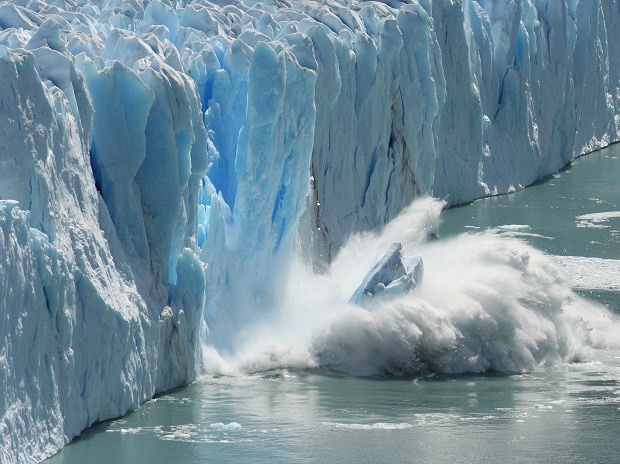
- Melting and runoff: When surface temperature exceeds 0 °C, meltwater forms and either refreezes within the glacier, percolates to the base, or exits as runoff.
- Glacier dynamics: Meltwater at the glacier base can lubricate sliding, accelerating ice flow toward lower elevations where further melting occurs.
These steps create feedback loops: reduced albedo accelerates melt, which can thin the glacier, exposing darker underlying ice or rock, further lowering albedo.
What Does the Evidence Show?
Long‑term monitoring by national agencies such as the U.S. Geological Survey (USGS) and the World Glacier Monitoring Service documents an average global glacier mass loss of about 267 Gt yr⁻¹ between 2000 and 2019 (IPCC AR6, 2021). Satellite gravimetry from the GRACE mission confirms this trend, showing a corresponding contribution of roughly 0.8 mm yr⁻¹ to global sea‑level rise. Field studies in the Himalayas, Andes, and Alps reveal that melt season length has increased by 2–4 weeks since the 1970s, consistent with rising summer temperatures reported by the World Meteorological Organization. Together, these independent lines of observation—ground measurements, satellite data, and regional climate records—converge on the conclusion that glacier mass is declining worldwide.
Main Causes or Drivers
Direct Causes
- Rising air temperatures that increase surface melt.
- Enhanced solar radiation absorption due to albedo loss.
Underlying Drivers
- Anthropogenic greenhouse‑gas emissions that warm the climate (high confidence, IPCC).
- Changes in precipitation patterns that can reduce snowfall in some basins.
Amplifying Factors
- Black carbon deposition on snow and ice, which darkens the surface and lowers albedo.
- Glacier thinning that exposes underlying rock, further decreasing reflectivity.
Environmental and Human Impacts
Environmental Impacts
Glacier melt contributes to sea‑level rise, currently estimated at roughly 0.7 mm yr⁻¹ from glacier melt alone. Freshwater input from glaciers also influences downstream nutrient cycles; for example, meltwater in the Southern Ocean delivers iron that supports phytoplankton growth. Loss of glacier ice eliminates specialized habitats for cold‑adapted microorganisms and macro‑invertebrates, raising extinction risk for endemic species.
Human Health and Social Impacts
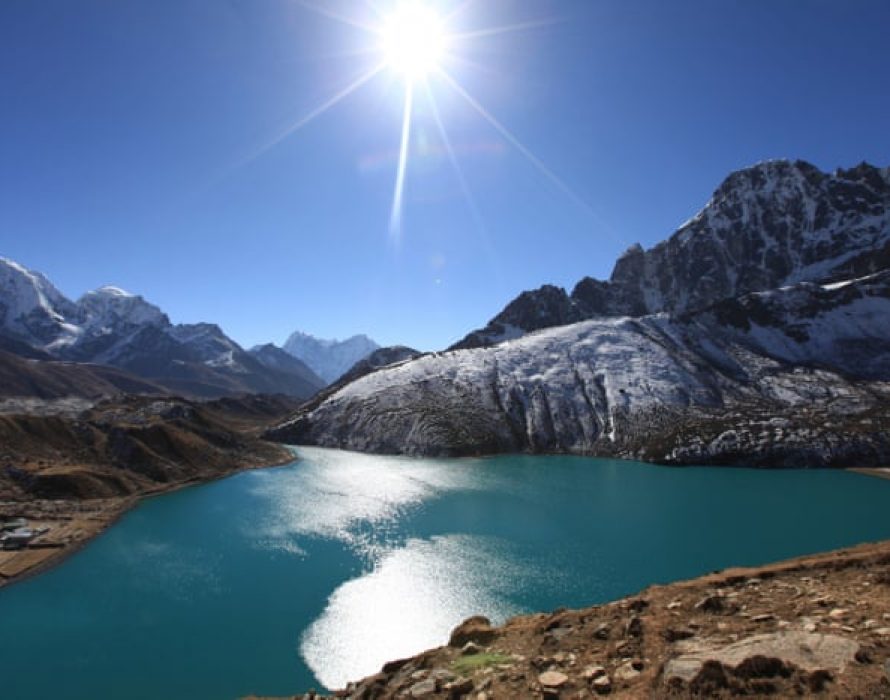
Many mountain communities rely on glacier runoff for drinking water, irrigation, and hydropower. Declining glacier volume threatens water security for over 300 million people worldwide (UNEP, 2022). Seasonal melt spikes can cause glacial lake outburst floods (GLOFs), endangering lives and infrastructure in Nepal, Bhutan, and the Andes.
Economic and Infrastructure Impacts
Reduced summer river flow can lower hydroelectric generation, affecting energy supply in regions such as the Himalayas and the European Alps. Tourism that depends on iconic glacier landscapes may suffer as iconic ice masses retreat.
Regional Differences
In the High Arctic, glaciers are generally smaller but melt rapidly during summer, directly linking to sea‑level rise. In the Andes, glacier retreat has been especially pronounced—average area loss of 40 % since the 1990s—impacting water supplies for cities like La Paz. The Himalayas, often called the “Water Tower of Asia,” host over 10 000 glaciers; recent studies show a median thickness loss of 0.5 m yr⁻¹, with downstream rivers experiencing earlier peak flows.
What Scientists Know With High Confidence
- Global mean temperatures have risen by about 1.1 °C since pre‑industrial times (IPCC AR6, 2021).
- Warming temperatures are the primary driver of accelerated glacier mass loss worldwide.
- Loss of glacier ice contributes measurably to global sea‑level rise.
- Albedo reduction from snow‑to‑ice transition amplifies melt rates.
What Remains Uncertain
Key uncertainties include the precise magnitude of future melt under low‑emission scenarios, the timing of regional runoff changes, and the role of black‑carbon deposition in accelerating melt on specific glaciers. Improved high‑resolution satellite observations and expanded ground‑based monitoring are needed to narrow these gaps.
Common Misconceptions
Misconception: Glaciers only melt during summer heat waves.
Reality: While summer temperatures dominate melt, long‑term temperature trends, year‑round albedo changes, and basal melt driven by geothermal heat all contribute to year‑round mass loss.
Misconception: All snowfall adds to glacier growth.
Reality: Snow that falls on a glacier must survive subsequent seasons; if it melts before being buried, it does not contribute to ice accumulation.
Misconception: Glacier melt is a local issue only.
Reality: Meltwater from glaciers feeds major river basins that support billions of people and adds to global sea‑level rise, linking local changes to worldwide impacts.
Solutions and Limitations
Addressing glacier melt requires both mitigation of climate change and adaptation to its effects.
- Mitigation: Rapid reduction of CO₂ emissions can limit future temperature rise, but even aggressive pathways cannot reverse melt already underway; the benefit is slowed further loss.
- Adaptation: Developing water‑storage infrastructure (e.g., reservoirs) can buffer seasonal runoff variability, yet building such infrastructure may be costly and ecologically disruptive.
- Conservation: Protecting high‑altitude catchments from deforestation reduces sediment load that can accelerate glacier melt, yet enforcement in remote regions is challenging.
- Monitoring: Expanding satellite and field networks improves early warning for GLOFs, though data gaps remain in many developing-country basins.
What Individuals, Communities, and Governments Can Do
What Individuals Can Do
- Support policies that aim for net‑zero greenhouse‑gas emissions.
- Reduce personal carbon footprints through energy efficiency, sustainable travel, and plant‑rich diets.
- Participate in citizen‑science projects that track local snow and glacier conditions.
What Communities and Organizations Can Do
- Invest in diversified water‑management strategies, such as rainwater harvesting and improved irrigation efficiency.
- Develop early‑warning systems for glacial lake outburst floods in collaboration with local authorities.
- Promote ecotourism that funds glacier monitoring and conservation.
What Governments Can Do
- Implement and strengthen climate‑change mitigation commitments consistent with the Paris Agreement.
- Fund long‑term cryosphere monitoring programs and integrate data into national water‑resource planning.
- Enact land‑use regulations that preserve upstream catchments and limit activities that increase black‑carbon deposition.
Synthesis
The connection between melting glaciers, snow, and ice rests on a well‑understood physical cycle: snowfall builds ice, albedo loss speeds melt, and warming climate drives the entire system toward net loss. High‑confidence science links this loss to global warming, sea‑level rise, and water‑security challenges, while uncertainties focus on regional timing and future emission pathways. Effective responses blend aggressive greenhouse‑gas mitigation, targeted adaptation, and robust monitoring, recognizing that individual actions matter most when they amplify collective policy change.
Frequently Asked Questions
How does snowfall turn into glacier ice?
Snowfall accumulates in winter, and over years it is buried, compressed, and recrystallized; this densification transforms low‑density snow into firn and eventually solid glacier ice that can store water for centuries.
Why does the loss of glacier ice raise sea levels?
When glacier ice melts, the water that was previously locked up on land flows into the oceans, adding volume to the sea; the IPCC estimates glacier melt contributes about 0.8 mm per year to global sea‑level rise.
What role does albedo play in glacier melt?
Albedo is the reflectivity of a surface. Fresh snow reflects up to 90 % of solar radiation, keeping surfaces cool. As snow turns to dirty ice, reflectivity drops to 30–40 %, causing more solar energy to be absorbed and accelerating melt.
Which regions are most affected by glacier retreat?
High‑altitude regions like the Himalayas, the Andes, and the European Alps have experienced rapid glacier loss, while polar glaciers in the High Arctic are also retreating quickly, each affecting local water supplies and ecosystems.
Can individual actions help reduce glacier melting?
Individual actions such as lowering personal carbon emissions, supporting climate policies, and participating in citizen‑science monitoring can contribute to broader mitigation efforts, though systemic changes are essential for large‑scale impact.




Leave a Comment