
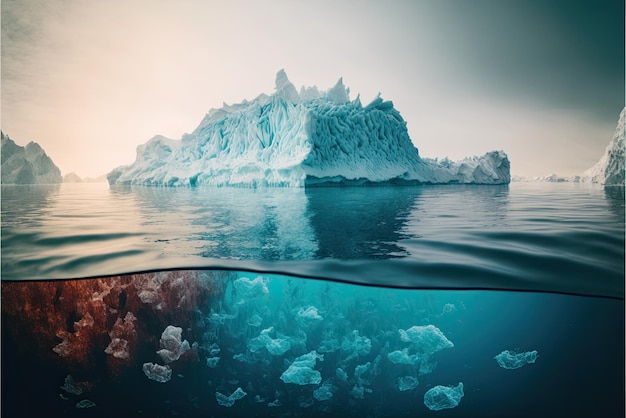
Melting glaciers provide striking visual evidence of climate change, revealing how rising temperatures alter freshwater supplies, sea level, ecosystems, and human societies worldwide.
Quick Answer
Melting glaciers are the accelerated loss of ice from mountain and polar ice masses caused primarily by sustained global warming. Warmer air and ocean temperatures increase surface melt and basal melting, leading to glacier retreat and ice‑sheet mass loss. The Intergovernmental Panel on Climate Change (IPCC) reports that glacier melt contributes roughly 20% of observed sea‑level rise since 1900, while also diminishing freshwater resources for downstream communities. Although short‑term river flows may rise, long‑term water availability declines, and ecosystem services are disrupted. Uncertainty remains in regional projections of melt rates and downstream impacts due to limited monitoring in remote areas.
Key Takeaways
- Glaciers store about 70% of the planet’s freshwater; their loss directly threatens water security.
- Surface melt and basal melting driven by higher air and ocean temperatures are the primary mechanisms of glacier retreat.
- Glacier loss contributes to sea‑level rise, alters river regimes, and endangers cold‑adapted species.
- High‑confidence findings include the global trend of glacier retreat and its link to anthropogenic warming.
- Uncertainties focus on regional melt rates, future precipitation patterns, and socioeconomic impacts.
- Effective responses combine mitigation of greenhouse gases, adaptation of water management, and conservation of glacier‑dependent ecosystems.
What Is Melting Glaciers Illustrated: Visualizing Climate Change?
The phrase refers to the use of photographs, time‑lapse imagery, satellite data, and visual models to depict how glaciers shrink over time as a result of climate change. It encompasses both the scientific observation of glacier mass balance and the communication tools that translate those observations into images that the public can understand. Unlike generic “glacier photos,” this illustrated approach links visual change to underlying physical processes and to broader environmental implications.
How Does It Work?
1. Energy Imbalance at the Surface
Warmer atmospheric temperatures increase the net shortwave radiation absorbed by ice surfaces. When the energy input exceeds the energy lost through longwave radiation and sublimation, meltwater forms on the glacier surface.
2. Basal Melting from Warmer Oceans
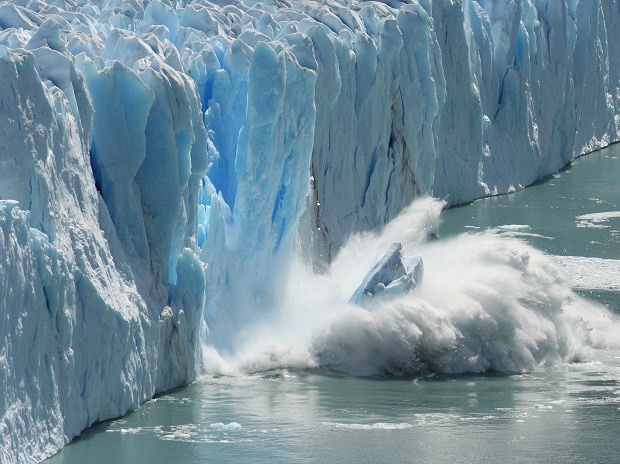
In coastal and marine‑terminating glaciers, warmer ocean waters erode the ice front from below, accelerating calving and retreat. This process is especially important in Greenland and West Antarctica.
3. Ice Flow Dynamics
As meltwater percolates to the glacier base, it can lubricate the bed, increasing ice flow speed. Faster flow transports ice from higher elevations to the terminus, where it is lost as melt or iceberg calving.
4. Feedback Loops
- Albedo feedback: Fresh meltwater is darker than clean snow, reducing surface reflectivity and causing further absorption of solar energy.
- Elevation feedback: As glaciers retreat to lower altitudes, they encounter warmer air, accelerating melt.
What Does the Evidence Show?
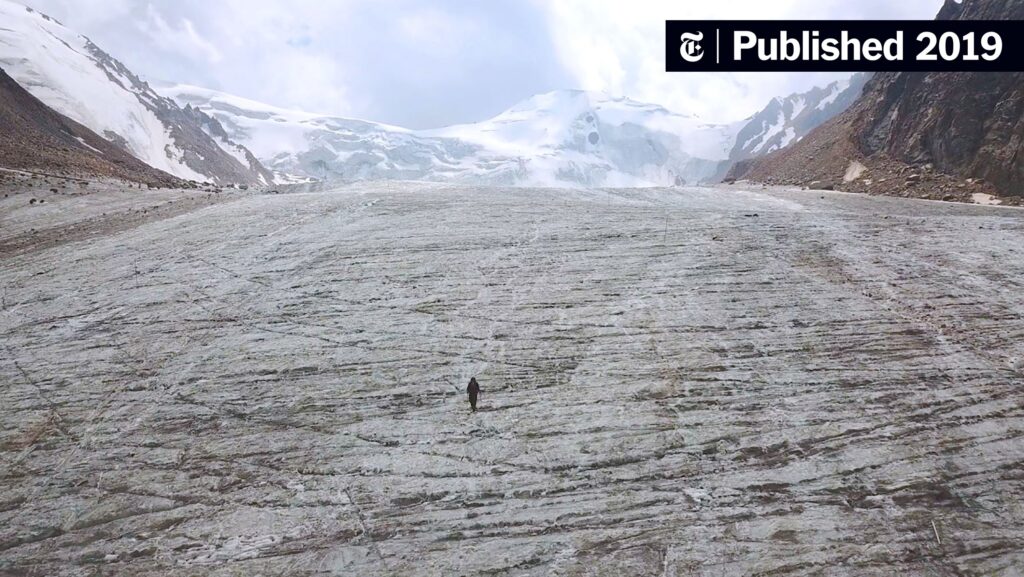
Long‑term monitoring by national agencies such as the U.S. Geological Survey (USGS) and the European Space Agency (ESA) demonstrates that most of the world’s glaciers have been losing mass since the 1980s. The IPCC Sixth Assessment Report (2021) synthesizes observations from satellite gravimetry (GRACE) and laser altimetry, concluding that the global glacier mass loss from 2000 to 2020 averaged 0.6 meters water equivalent per year, with higher rates in the Himalayas, Andes, and the European Alps.
Ice‑core records confirm that the recent warming trend exceeds natural variability observed over the past 800,000 years. Attribution studies using climate models attribute more than 80% of the observed glacier retreat to anthropogenic greenhouse‑gas emissions.
Main Causes or Drivers
Direct Causes
- Increased atmospheric greenhouse‑gas concentrations (CO₂, CH₄, N₂O) raising mean global temperatures.
- Ocean warming that enhances basal melt of marine‑terminating glaciers.
Underlying Drivers
- Fossil‑fuel combustion and deforestation driving the greenhouse effect.
- Land‑use change that modifies regional albedo and surface heat fluxes.
Amplifying Factors
- Black carbon deposition on snow surfaces, which darkens ice and accelerates melt.
- Changes in precipitation patterns that reduce snowfall accumulation, the primary source of glacier mass gain.
Environmental and Human Impacts
Environmental Impacts
Glacier melt contributes to sea‑level rise, threatening low‑lying coastal ecosystems such as mangroves and tidal wetlands. Reduced glacier extent also diminishes habitats for cold‑adapted species like the snow leopard, alpine marmot, and many endemic aquatic invertebrates. The loss of ice alters downstream sediment transport, affecting riverine habitats and increasing the risk of landslides.
Human Health and Social Impacts
Millions of people depend on glacier‑fed rivers for drinking water, irrigation, and hydropower. Short‑term increases in meltwater can cause flooding, while long‑term reductions threaten water security, agricultural productivity, and food‑borne disease risk linked to water scarcity. Indigenous communities in the Andes and Himalayas face cultural loss as sacred glacial landscapes disappear.
Economic and Infrastructure Impacts
Hydropower plants that rely on steady glacier melt may experience reduced generation capacity within decades, affecting electricity supply and revenue. Tourism centered on glacier scenery faces declining visitor numbers as iconic ice formations recede, impacting local economies.
Regional Differences
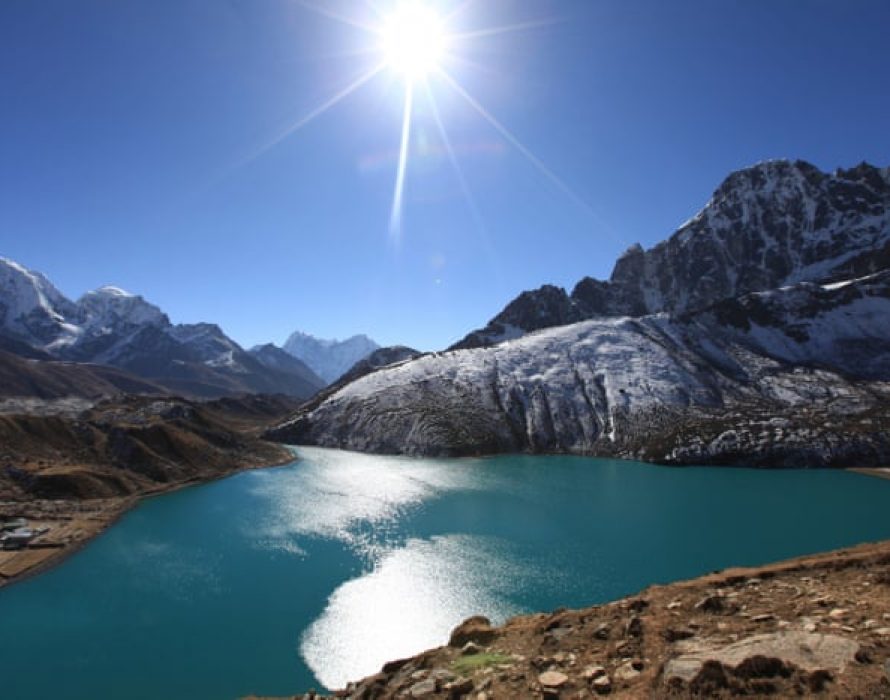
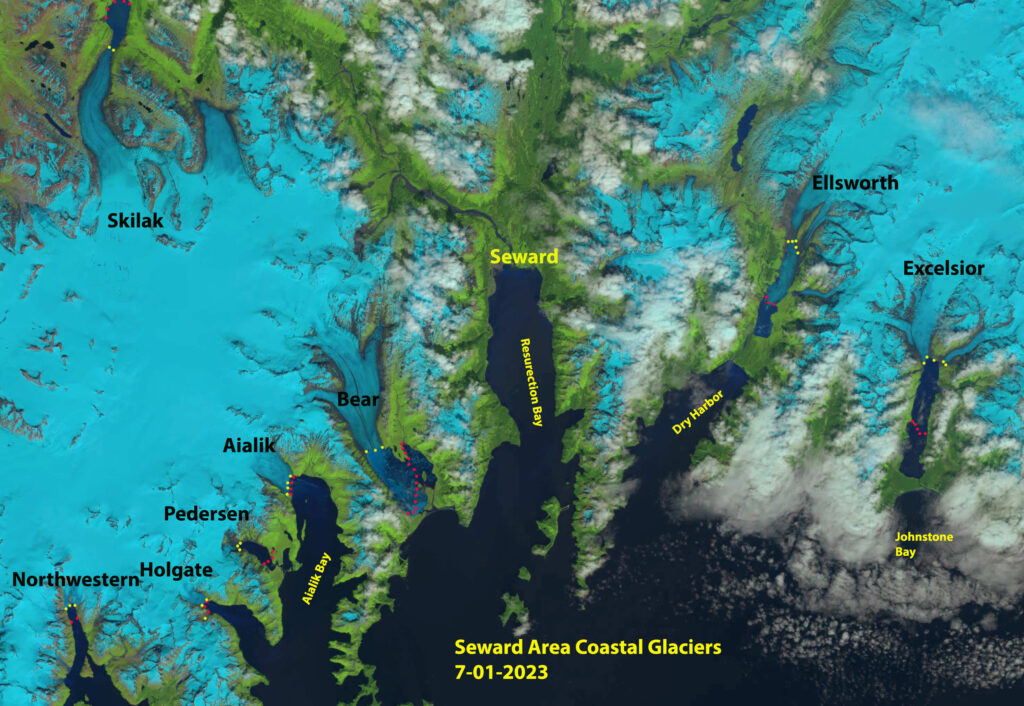
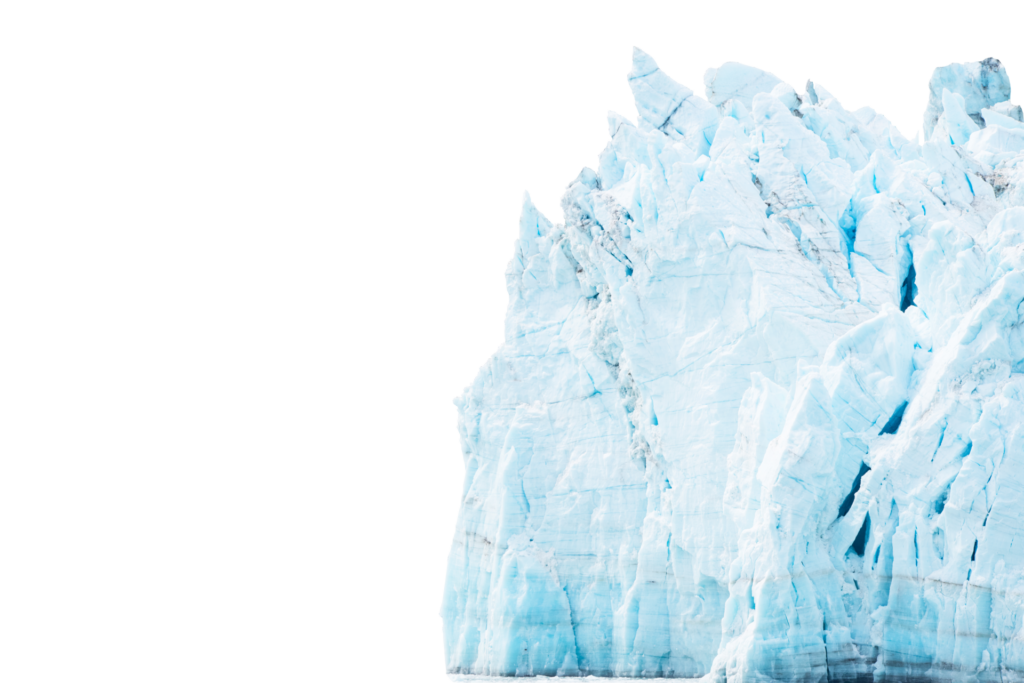
In the Himalayas, rapid glacier retreat has already altered the flow of the Ganges and Indus rivers, intensifying water‑stress for agriculture in South Asia. The Andes show a similar pattern, with meltwater declines affecting the Atacama and Amazon basins. In contrast, Alaska’s coastal glaciers experience accelerated basal melt from warm Pacific waters, leading to dramatic calving events, while interior glaciers retreat more slowly due to colder air temperatures.
What Scientists Know With High Confidence
- Global average temperatures have risen by about 1.1 °C since pre‑industrial times (IPCC, 2021).
- Glacier mass loss is occurring on every continent except Antarctica’s interior, and the rate has accelerated in the past two decades.
- Anthropogenic greenhouse‑gas emissions are the dominant driver of the observed warming that fuels glacier melt.
- Sea‑level rise from glacier melt accounts for roughly one‑fifth of the total observed rise since 1900.
What Remains Uncertain
Key uncertainties include the precise magnitude of future melt in remote regions lacking in‑situ measurements, such as the interior of the Antarctic Ice Sheet. The interaction between changing precipitation patterns and glacier mass balance is complex and model‑dependent, leading to a range of possible outcomes for water availability in mountain basins. Additionally, socioeconomic responses—such as the speed of renewable‑energy adoption—will influence the extent of future warming and, consequently, glacier loss.
Common Misconceptions
Misconception: Glacier melt is a natural, long‑term cycle unrelated to human activity.
Reality: While glaciers naturally advance and retreat over geological timescales, the rapid, globally synchronized loss observed since the mid‑20th century exceeds natural variability and is strongly linked to anthropogenic greenhouse‑gas emissions (IPCC, 2021).
Misconception: Only polar ice contributes to sea‑level rise.
Reality: Mountain glaciers, though smaller individually, collectively add about 0.3 mm yr⁻¹ to sea‑level rise, comparable to the contribution from the Greenland Ice Sheet.
Misconception: All regions will experience less water because glaciers shrink.
Reality: Some downstream areas experience short‑term increases in river flow during early melt phases, but the long‑term trend is a reduction in dry‑season water availability.
Solutions and Limitations
Mitigation strategies focus on reducing greenhouse‑gas emissions through renewable‑energy deployment, energy efficiency, and carbon‑pricing mechanisms. While essential, mitigation alone will not reverse melt already in progress; it can only slow further loss.
Adaptation measures include developing integrated water‑resource management plans that account for declining glacier contributions, investing in flood‑early‑warning systems, and protecting upstream ecosystems that regulate runoff. These actions can reduce vulnerability but require substantial financial and institutional capacity.
Conservation of glacier‑dependent ecosystems involves establishing protected areas, limiting tourism pressure, and supporting community‑led stewardship programs. However, protection cannot prevent ice loss, only preserve remaining habitats.
What Individuals, Communities, and Governments Can Do
What Individuals Can Do
- Reduce personal carbon footprints by using public transport, energy‑efficient appliances, and low‑carbon diets.
- Support organizations that fund glacier monitoring and climate‑science research.
- Advocate for local policies that promote renewable energy and sustainable water use.
What Communities and Organizations Can Do
- Implement watershed‑level water‑conservation programs that anticipate reduced glacier melt.
- Develop ecotourism guidelines that minimize environmental impact while educating visitors about glacier change.
- Partner with scientists to install automated weather stations and stream gauges in glacier catchments.
What Governments Can Do
- Commit to nationally determined contributions (NDCs) that align with the Paris Agreement’s 1.5 °C pathway.
- Invest in climate‑resilient infrastructure, such as climate‑smart irrigation and flood‑defense systems.
- Fund long‑term glacier monitoring networks (e.g., the World Glacier Monitoring Service) to improve data coverage.
Synthesis
Melting glaciers provide a vivid, visual record of a warming planet, linking rising temperatures to freshwater loss, sea‑level rise, and ecosystem disruption. High‑confidence science confirms that human‑driven greenhouse‑gas emissions are the primary engine of this change, while uncertainties remain around regional melt projections and socioeconomic outcomes. Addressing the challenge requires a dual approach: aggressive mitigation to curb further warming, and targeted adaptation to safeguard water security and biodiversity. By combining policy action, community resilience, and informed individual choices, societies can reduce the pace of glacier loss and protect the vital services these ancient ice bodies provide.
Frequently Asked Questions
What causes glaciers to melt faster now than in the past?
Glacier melt accelerates because rising atmospheric temperatures increase surface melting, while warmer ocean waters enhance basal melting of marine‑terminating glaciers. These temperature rises are driven primarily by human emissions of greenhouse gases such as carbon dioxide and methane.
How does glacier melt contribute to sea‑level rise?
When glaciers lose mass, the water that was stored as ice flows into the oceans. The Intergovernmental Panel on Climate Change estimates that glacier melt accounts for about 20 % of the observed sea‑level rise since 1900, adding roughly 0.3 mm per year globally.
Why are mountain glaciers important for water security?
Mountain glaciers act as natural reservoirs, releasing meltwater during dry seasons. This runoff supports drinking water supplies, irrigation, and hydropower for millions of people. As glaciers shrink, the seasonal water buffer weakens, increasing the risk of water shortages.
What are the main uncertainties in predicting future glacier loss?
Key uncertainties involve limited observational data in remote regions, especially the interior of Antarctica, and how future precipitation patterns will interact with warming. These gaps affect the precision of regional melt projections and downstream impact assessments.
Can individual actions help slow glacier melting?
Individual actions such as reducing personal carbon emissions, supporting clean‑energy policies, and funding climate research can contribute to the broader effort to lower greenhouse‑gas concentrations, which is essential for slowing overall glacier loss.




Leave a Comment