
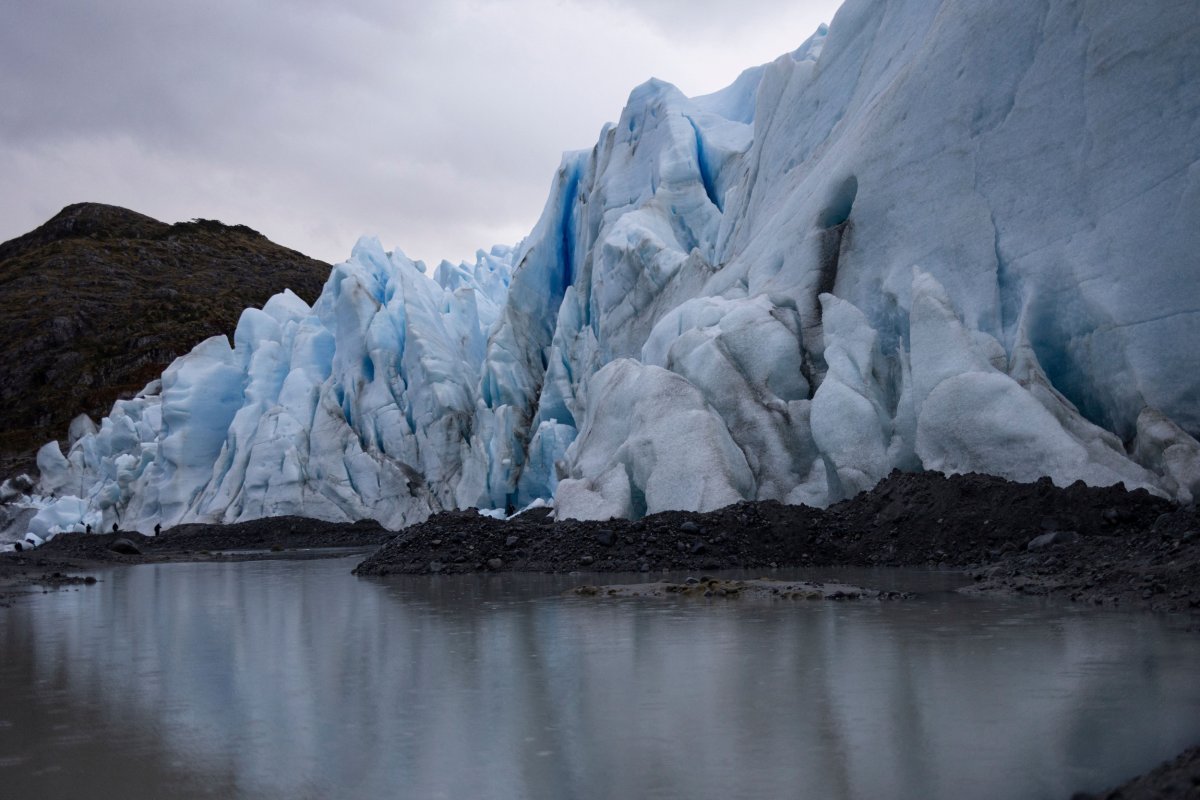
Glaciers and the massive ice sheets of Greenland and Antarctica together drive sea‑level rise, but ice sheets currently contribute roughly twice as much water to the oceans as all the world’s glaciers combined.
Quick Answer
Sea‑level rise is the net addition of water to the world’s oceans from melting ice and thermal expansion. The Intergovernmental Panel on Climate Change (IPCC) AR6 (2021) attributes about 0.5 mm yr⁻¹ (≈15 % of the observed 3.3 mm yr⁻¹ increase) to glaciers and ice caps, while the Greenland and Antarctic ice sheets together add roughly 1.1 mm yr⁻¹ (≈33 %). In other words, ice sheets contribute roughly two‑thirds of the cryospheric portion of sea‑level rise, with glaciers supplying the remaining one‑third. The exact split varies year‑to‑year and carries moderate uncertainty because of limited observations in remote regions.
Key Takeaways
- Glaciers and ice caps account for about 0.5 mm yr⁻¹ of sea‑level rise, roughly 15 % of the total observed increase.
- Greenland and Antarctic ice sheets together contribute about 1.1 mm yr⁻¹, or roughly one‑third of the total rise.
- Ice sheets therefore supply about twice the meltwater volume of all glaciers combined.
- Thermal expansion of warming seawater accounts for the remaining two‑thirds of observed sea‑level rise.
- Uncertainty remains in ice‑sheet dynamics, especially for Antarctica’s West Antarctic sector.
What Is How Much of Sea Level Rise Comes From Glaciers vs. Ice Sheets??
The phrase refers to the proportional contributions of two distinct cryospheric components to the measured increase in global mean sea level. Glaciers are relatively small, mountain‑bound bodies of ice that flow slower than ice sheets, which are continent‑scale ice masses covering Greenland and Antarctica. Quantifying each component’s share helps scientists predict future sea‑level trajectories and informs coastal adaptation planning.
How Does It Work?
1. Melting of Glaciers and Ice Caps
When surface temperatures rise above freezing, snow that normally accumulates on a glacier turns to meltwater, which drains downhill and eventually reaches the ocean. Because glaciers sit on land, their melt directly adds volume to the sea.
2. Ice‑Sheet Surface Melt and Ice‑Shelf Disintegration
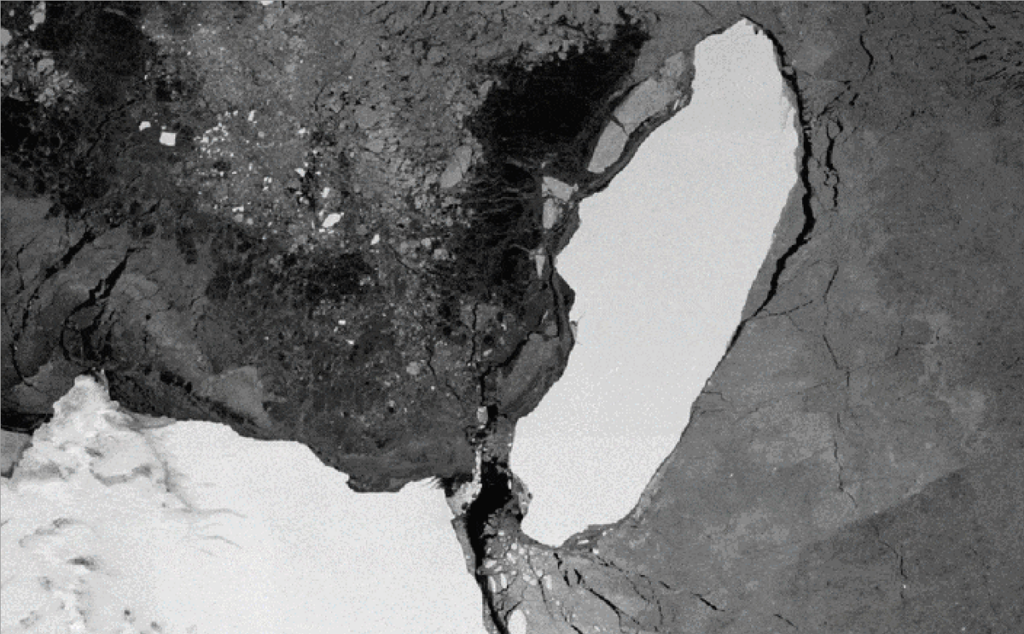
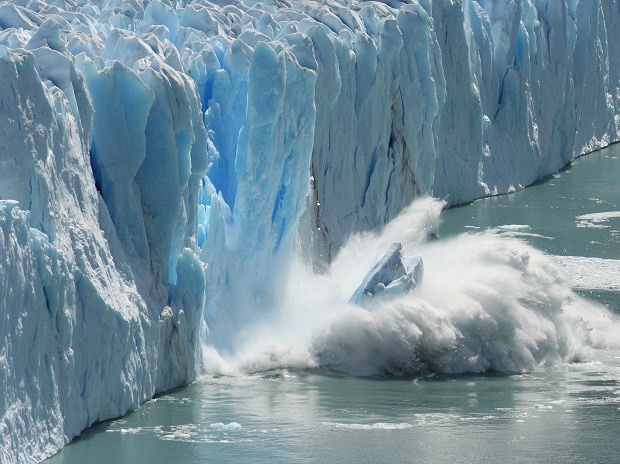
Ice sheets lose mass in two primary ways: surface melt (similar to glaciers) and dynamic discharge, where ice streams flow faster into the ocean and break off as icebergs. The latter can accelerate when ocean‑borne warm water erodes the underside of floating ice shelves, reducing the buttressing effect that slows inland ice flow.
3. Thermal Expansion
Warmer seawater expands, contributing about two‑thirds of the observed sea‑level rise. This process is separate from ice melt but interacts with it because meltwater can stratify ocean layers and affect heat uptake.
What Does the Evidence Show?
Long‑term satellite gravimetry (GRACE and GRACE‑FO) combined with altimetry and in‑situ observations provide the most reliable quantification of ice‑mass change. The IPCC AR6 synthesis (2021) reports that from 1993 to 2019, glaciers and ice caps contributed 0.5 mm yr⁻¹, Greenland contributed 0.7 mm yr⁻¹, and Antarctica contributed 0.4 mm yr⁻¹ to global mean sea level. Independent studies by NASA’s Ice, Cloud, and land Elevation Satellite (ICESat‑2) corroborate these rates, showing a modest acceleration in Greenland’s melt since the early 2000s.
Field campaigns in West Antarctica (e.g., the “Thwaites Glacier” studies) reveal that basal melting driven by relatively warm Circumpolar Deep Water can increase ice‑sheet discharge, but the overall contribution of Antarctica remains more uncertain than that of Greenland.
Main Causes or Drivers
Atmospheric Warming
Rising greenhouse‑gas concentrations increase air temperatures, lengthening melt seasons on glaciers worldwide and enhancing surface melt on ice sheets.
Oceanic Warming
Warmer ocean currents erode the undersides of Antarctic ice shelves and the Greenland “melt‑lakes” that drain to the sea, accelerating dynamic ice loss.
Feedbacks
Albedo reduction—when bright ice is replaced by darker meltwater or exposed rock—creates a positive feedback that amplifies further melt.
Environmental and Human Impacts
Environmental Impacts
Higher sea levels increase coastal erosion, salt‑water intrusion into freshwater wetlands, and loss of habitat for mangroves and nesting beaches. Ice‑sheet melt also contributes freshwater to the North Atlantic, potentially influencing ocean circulation patterns.
Human Health and Social Impacts
Coastal communities face heightened flood risk, which can displace populations, strain emergency services, and exacerbate water‑borne disease outbreaks after storm surges.
Economic and Infrastructure Impacts
Infrastructure built near sea level—ports, roads, sewage systems—requires costly adaptation or relocation. The World Bank estimates that, without adaptation, annual coastal flood damages could rise to $1 trillion by 2050.
Regional Differences
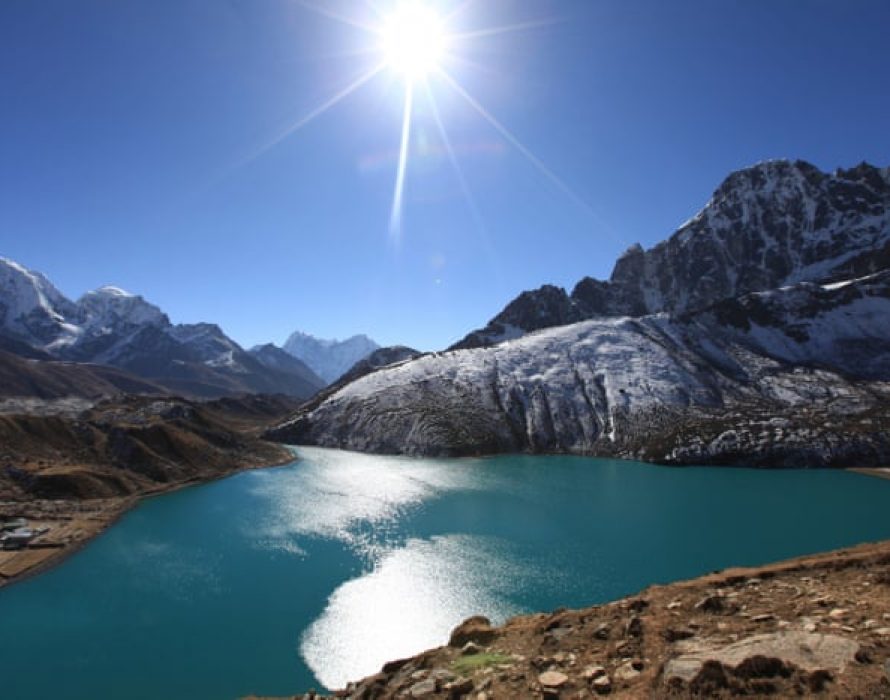
Glacial contributions are most pronounced in high‑altitude regions such as the Himalayas, Andes, and the European Alps, where mountain glaciers dominate local water supplies. Ice‑sheet melt dominates the North Atlantic sector (Greenland) and the Southern Ocean (Antarctica). Low‑lying island nations, for example the Maldives or Kiribati, experience sea‑level rise primarily from thermal expansion and distant ice‑sheet melt, rather than local glacier loss.
What Scientists Know With High Confidence
- Global mean sea level has risen by about 3.3 mm yr⁻¹ since the early 1990s (IPCC AR6, 2021).
- Atmospheric warming is the primary driver of increased glacier melt worldwide.
- Both Greenland and Antarctic ice sheets are losing mass, with Greenland’s loss accelerating in the past two decades.
- Thermal expansion of seawater accounts for roughly two‑thirds of the observed sea‑level rise.
What Remains Uncertain
Key uncertainties include the rate at which West Antarctic ice streams may destabilize, the potential for rapid ice‑sheet collapse under future warming scenarios, and the precise contribution of sub‑glacial meltwater to ocean circulation. Improving satellite coverage and expanding in‑situ measurements are essential to narrow these gaps.
Common Misconceptions
Misconception: Glaciers are the main cause of sea‑level rise.
Reality: While glaciers add water, ice sheets currently supply about twice as much meltwater to the oceans as all glaciers combined.
Misconception: All ice loss is permanent.
Reality: Some seasonal melt on the margins of ice sheets refreezes inland during winter; however, the long‑term trend shows a net loss.
Misconception: Sea‑level rise will stop if emissions are reduced.
Reality: Even with aggressive mitigation, meltwater already locked in ice sheets will continue to contribute for centuries due to inertia in the climate system.
Solutions and Limitations
Addressing sea‑level rise requires both mitigation of greenhouse‑gas emissions and adaptation to rising waters. Mitigation slows the temperature rise that drives ice melt, but it cannot reverse mass loss already underway. Adaptation measures—such as building higher flood defenses, restoring mangroves, and implementing managed retreat—reduce exposure but can be costly and socially challenging. Limitations include funding constraints, uncertain future melt rates, and the need for coordinated governance across jurisdictions.
What Individuals, Communities, and Governments Can Do
What Individuals Can Do
- Support policies that aim for net‑zero emissions, such as voting for climate‑focused candidates or participating in public comment periods.
- Reduce personal carbon footprints by using energy‑efficient appliances, limiting air travel, and adopting renewable energy where possible.
- Engage in local shoreline stewardship—e.g., planting native vegetation that buffers storm surge.
What Communities and Organizations Can Do
- Develop community‑wide climate adaptation plans that prioritize vulnerable neighborhoods.
- Invest in nature‑based solutions like wetlands restoration, which can absorb floodwaters while providing habitat.
- Partner with scientific institutions to improve local monitoring of glacier melt and sea‑level trends.
What Governments Can Do
- Implement ambitious emissions‑reduction targets aligned with the Paris Agreement to limit warming to 1.5 °C.
- Fund long‑term satellite and ground‑based observations of ice‑sheet dynamics.
- Provide financing mechanisms for coastal protection projects and for communities at risk of displacement.
Closing Synthesis
The cryosphere’s two major components—mountain glaciers and the Greenland and Antarctic ice sheets—both add water to the oceans, but ice sheets currently dominate the contribution, supplying roughly twice the meltwater of all glaciers combined. This conclusion rests on high‑confidence satellite and in‑situ observations, though uncertainties remain regarding the future stability of Antarctic ice streams. Effective responses must pair rapid emissions mitigation with resilient adaptation strategies, recognizing that the pace of ice loss will continue to shape coastlines for generations to come.
Frequently Asked Questions
What proportion of recent sea‑level rise is caused by glaciers versus ice sheets?
Glaciers and ice caps contribute about 0.5 mm yr⁻¹ (≈15 % of the observed rise), while Greenland and Antarctic ice sheets together add roughly 1.1 mm yr⁻¹ (≈33 %). Ice sheets therefore account for about twice the meltwater contribution of all glaciers combined.
Why do ice sheets contribute more to sea‑level rise than glaciers?
Ice sheets contain the bulk of Earth's land‑based ice—about 60 % of freshwater—so even modest melting releases far more water than the comparatively small mountain glaciers, leading to a larger net addition to the oceans.
What are the main uncertainties in estimating ice‑sheet contributions?
Key uncertainties involve the future behavior of West Antarctic ice streams, the potential for rapid ice‑sheet collapse, and how sub‑glacial meltwater interacts with ocean circulation. Improved satellite coverage and field measurements are needed to resolve these gaps.
How does sea‑level rise affect coastal communities?
Higher sea levels increase the frequency and severity of coastal flooding, accelerate shoreline erosion, cause salt‑water intrusion into freshwater supplies, and can force displacement of populations, especially in low‑lying regions.
What actions can governments take to address sea‑level rise from ice melt?
Governments can set ambitious net‑zero emissions targets, fund long‑term monitoring of ice‑sheet dynamics, and provide financing for coastal protection and managed‑retreat projects to reduce exposure and vulnerability.





Leave a Comment