
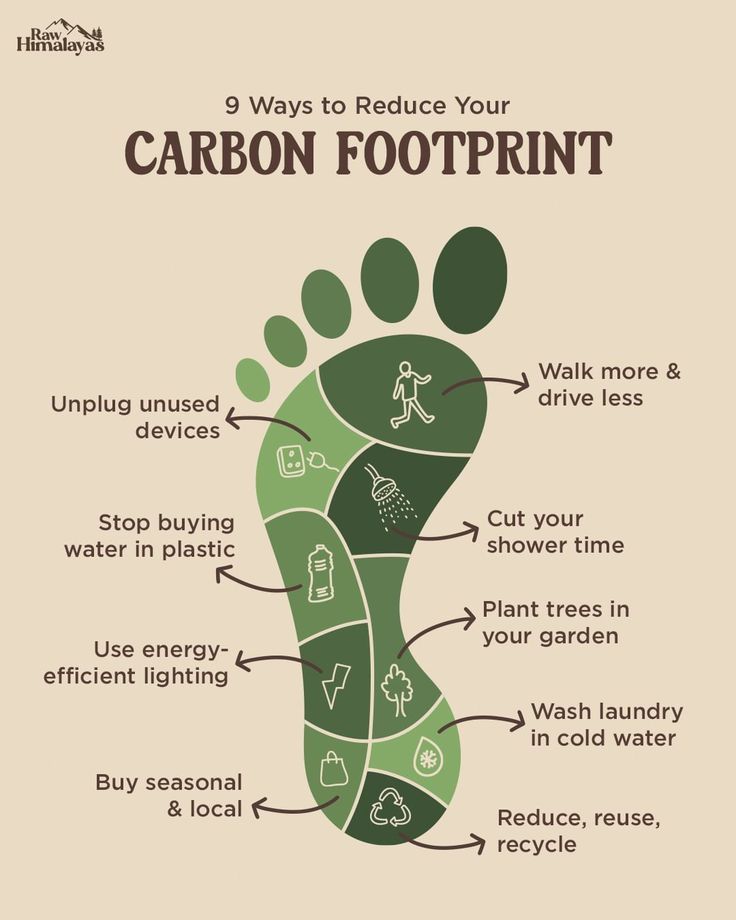
Reducing your carbon footprint is achievable through four evidence‑based actions—adopting more plant‑based meals, rethinking daily travel, improving home energy use, and engaging with your community.
Quick Answer
A carbon footprint measures the total greenhouse‑gas emissions caused directly or indirectly by an individual, household, or activity. Cutting it relies on lowering emissions from food production, transportation, energy consumption, and lifestyle choices. Scientific assessments show that diet, travel, and home energy together account for roughly two‑thirds of an average person’s emissions, so targeting these areas yields the greatest reductions. While uncertainties remain around future energy mixes and behavioral adoption rates, the overall direction—less fossil‑fuel use and more efficient practices—is robustly supported.
Key Takeaways
- Shifting toward plant‑based foods can cut personal food‑related emissions by up to 50 %.
- Replacing single‑occupancy car trips with public transit, car‑pooling, walking, or cycling can reduce travel emissions by 20–30 % for most commuters.
- Simple home upgrades—LED lighting, smart thermostats, and sealing leaks—lower residential energy use by 10–30 %.
- Community actions amplify individual impact through shared resources, advocacy, and local projects.
- High‑confidence science links these actions to measurable climate benefits, though regional electricity sources and socioeconomic factors affect outcomes.
What Is 4 Practical Steps to Reduce Your Carbon Footprint Today?
The phrase refers to a concise set of four behavioral changes that together address the three largest sectors of personal greenhouse‑gas emissions: food, transport, and energy, plus a social component that reinforces lasting change. The steps are not a formal program but an easily remembered framework that helps individuals identify high‑impact actions without requiring specialized knowledge. They differ from broader sustainability concepts by focusing on concrete, measurable behaviors that can be adopted immediately.
How Does It Work?
1. Embrace Plant‑Based Eating
Animal agriculture is responsible for about 14.5 % of global greenhouse‑gas emissions, according to the Food and Agriculture Organization (FAO, 2022). Producing meat and dairy requires more land, water, and feed than plant‑based foods, and it generates methane—a potent greenhouse gas. By substituting even a few meals per week with legumes, grains, fruits, or vegetables, a person can reduce the carbon intensity of their diet by roughly 0.3 t CO₂‑e per year.
2. Reassess Transportation Habits
Personal road transport contributes approximately 24 % of global CO₂ emissions (International Energy Agency, 2022). Options such as car‑pooling, using mass transit, biking, or walking cut the emissions associated with each kilometre travelled. For electric vehicles (EVs), the net benefit depends on the electricity generation mix; in regions where renewables supply >50 % of the grid, EVs can reduce travel emissions by 40–60 % compared with conventional gasoline cars.
3. Revolutionize Energy Consumption
Buildings account for about 26 % of worldwide CO₂ emissions (IEA, 2022). Simple measures—replacing incandescent bulbs with LEDs (up to 75 % less electricity), installing programmable thermostats, and improving insulation—lower demand for fossil‑fuel‑derived electricity. When households install rooftop solar, they can offset a substantial share of their consumption, further decreasing their carbon footprint.
4. Cultivate Mindfulness and Community Engagement
Behavioural science shows that social norms and collective efficacy boost the adoption of sustainable practices. Engaging in local clean‑up events, supporting green businesses, or advocating for climate‑friendly policies spreads knowledge and creates infrastructure that makes low‑carbon choices easier for everyone.
What Does the Evidence Show?
Long‑term monitoring by the Intergovernmental Panel on Climate Change (IPCC, 2021) identifies food, transport, and residential energy as the three dominant sources of individual‑level emissions. Systematic reviews of dietary shifts (Poore & Nemecek, 2018) consistently find that plant‑based diets reduce life‑cycle GHG emissions by 20–55 % compared with typical Western diets. Transportation studies across North America and Europe (IEA, 2022) demonstrate that modal shifts to public transit or active travel can cut per‑capita travel emissions by 0.2–0.5 t CO₂‑e annually. Building energy audits conducted by the U.S. Environmental Protection Agency (EPA, 2020) show average savings of 12 % after implementing low‑cost retrofits.
Main Causes or Drivers
Direct Drivers
- Combustion of fossil fuels for cars, trucks, and airplanes.
- Enteric fermentation and manure management in livestock.
- Electricity generation from coal, oil, and natural gas for heating, cooling, and appliances.
Underlying Drivers
- Urban sprawl that increases travel distances.
- Consumer demand for meat‑heavy diets in high‑income societies.
- Building codes that allow inefficient insulation and legacy lighting.
Environmental and Human Impacts
Environmental Impacts
Reducing emissions from the three sectors lowers atmospheric CO₂ concentrations, slowing global warming. This curtails sea‑level rise, reduces heat‑wave intensity, and lessens ocean acidification, which together protect coastal ecosystems, biodiversity, and agricultural productivity.
Human Health and Social Impacts
Plant‑based diets are linked to lower risks of heart disease and certain cancers (World Health Organization, 2021). Decreased traffic congestion improves air quality, reducing respiratory illnesses, especially in urban neighborhoods. Energy efficiency lowers utility bills, offering economic relief for low‑income households.
Regional Differences
In high‑income, temperate regions such as Europe and North America, transport and residential energy dominate personal emissions, so electric vehicles and building retrofits are especially effective. In rapidly urbanising areas of South‑East Asia, diet‑related emissions are rising as meat consumption increases, making plant‑based transitions critical. Remote or off‑grid communities may rely on diesel generators; solar photovoltaics provide a clear emissions‑reduction pathway there.
What Scientists Know With High Confidence
- Livestock production generates a substantial share of global GHG emissions.
- Switching to lower‑carbon transport modes reduces per‑capita emissions.
- Energy‑efficient appliances and lighting cut household electricity demand.
- Social norms and community programs accelerate adoption of sustainable behaviours.
What Remains Uncertain
Key uncertainties include the future carbon intensity of electricity grids, which determines the net benefit of electric vehicles, and the speed at which consumer dietary habits can shift at scale. Regional variations in data availability also limit precise quantification of emissions reductions for specific communities. Ongoing monitoring of renewable‑energy adoption and longitudinal studies of diet‑related health outcomes will reduce these gaps.
Common Misconceptions
Misconception: “Only large‑scale industrial actions can lower emissions.”
Reality: Individual behaviours in food, travel, and home energy together account for roughly two‑thirds of personal emissions; collective small actions produce measurable climate benefits.
Misconception: “Electric cars are carbon‑free everywhere.”
Reality: The carbon savings of an EV depend on how the electricity is generated; in coal‑heavy grids the advantage is smaller than in regions powered by renewables.
Misconception: “Eating vegetarian means no environmental impact.”
Reality: Plant production still requires water, land, and energy; sustainable practices such as local sourcing and low‑input farming further reduce the footprint.
Solutions and Limitations
Each of the four steps functions as a mitigation strategy, but they have trade‑offs. Plant‑based diets reduce emissions but may increase demand for certain crops that require intensive water use, so sourcing responsibly is essential. Public transit cuts emissions but requires sufficient service frequency and coverage, which many low‑density areas lack. Energy retrofits lower demand but involve upfront costs that can be prohibitive without subsidies. Community projects amplify impact but depend on volunteer time and local governance support.
What Individuals, Communities, and Governments Can Do
What Individuals Can Do
- Introduce “Meatless Monday” or replace one meat meal per day with legumes.
- Plan trips to combine errands, use car‑share apps, or bike for short distances.
- Swap all bulbs for LEDs, install a programmable thermostat, and seal drafts.
- Join or start a neighbourhood clean‑up, community garden, or climate‑action group.
What Communities and Organizations Can Do
- Develop safe bike lanes and improve public‑transit frequency.
- Offer bulk‑purchase programs for plant‑based foods to lower costs.
- Provide low‑interest loans or rebates for home‑energy upgrades.
- Host workshops on energy‑saving habits and sustainable cooking.
What Governments Can Do
- Set building‑code standards that require high‑efficiency insulation and lighting.
- Invest in renewable‑energy grids to increase the carbon benefit of EVs.
- Subsidise plant‑based protein research and encourage institutional plant‑based meals.
- Fund public‑transport expansions and create incentives for car‑pooling.
Putting It All Together
The four practical steps—plant‑based eating, smarter transportation, energy efficiency, and community engagement—address the three dominant sources of personal carbon emissions while fostering social momentum for broader change. High‑confidence science confirms that each action reduces greenhouse‑gas output, though the magnitude varies by region, electricity mix, and socioeconomic context. Remaining uncertainties centre on future energy systems and large‑scale behavioural adoption. By combining individual choices with supportive policies and community initiatives, we create a resilient pathway toward a lower‑carbon future.
Frequently Asked Questions
What does the term "carbon footprint" actually mean?
A carbon footprint is the total amount of greenhouse‑gas emissions, expressed in carbon‑dioxide equivalents, that are directly or indirectly caused by a person, household, or activity over a given period.
How much can a plant‑based diet reduce an individual's emissions?
Switching to a predominantly plant‑based diet can lower food‑related emissions by roughly 20–55 %, which translates to about 0.3 tonnes of CO₂‑e per year for a typical adult, according to FAO data.
Are electric vehicles always the greener choice?
Electric vehicles reduce tailpipe emissions, but their overall climate benefit depends on the electricity mix. In regions where renewables provide more than half of the grid power, EVs cut travel emissions by 40–60 % compared with gasoline cars.
What is a home energy audit and why does it matter?
A home energy audit identifies where a house loses heat or wastes electricity. Implementing recommended upgrades—like LED lighting, programmable thermostats, and sealing leaks—can lower a household’s energy use by 10–30 %, directly shrinking its carbon footprint.
What is the most realistic first step for most people?
The easiest high‑impact entry point is to add a single meat‑free day each week, such as “Meatless Monday,” which immediately reduces food‑sector emissions without requiring major lifestyle changes.








Leave a Comment