
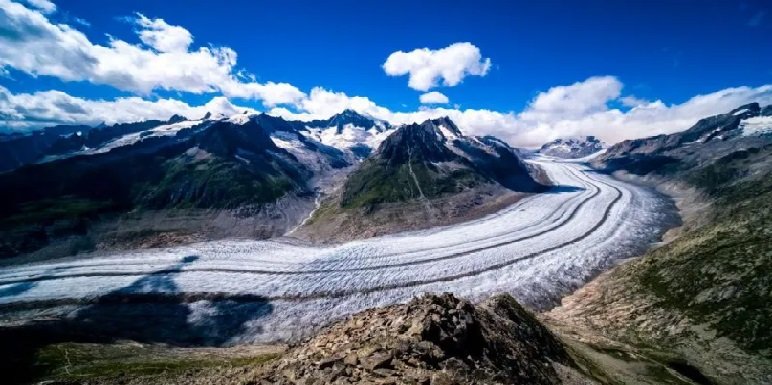
Glacier melt is accelerating because rising atmospheric temperatures, amplified by greenhouse‑gas emissions, trigger feedback loops that speed ice loss, threatening water supplies, sea levels, and ecosystems worldwide.
Quick Answer
Glaciers are melting faster than any previous instrumental record because the planet’s average temperature has risen, driven primarily by human‑made greenhouse‑gas emissions. Warmer air and ocean waters increase surface melt, while the exposure of darker ice‑free terrain creates an albedo feedback that further accelerates loss. The consensus of major assessments, such as the IPCC Sixth Assessment Report (2021), indicates that continued emissions will likely double the current rate of glacier retreat within this century. This rapid melt contributes to sea‑level rise and reduces the seasonal water storage that many societies depend on, though the exact timing of regional impacts remains uncertain.
Key Takeaways
- Global mean temperatures have risen about 1.1 °C since pre‑industrial times, directly increasing glacier melt rates.
- Albedo feedbacks—where exposed rock or water absorbs more sunlight—amplify warming at glacier surfaces.
- Glacier loss contributes roughly 0.27 mm per year to global sea‑level rise, according to NASA’s GRACE satellite data (2020).
- Many downstream communities face future water scarcity as glacier‑fed rivers decline after an initial surge.
- High‑confidence findings confirm the link between anthropogenic emissions and accelerated glacier retreat, while uncertainties remain about regional timing and ice‑sheet dynamics.
What Is Why the World’s Glaciers Are Melting Faster Than Ever Recorded?
The phrase describes the observed acceleration in the loss of glacier mass worldwide, measured through satellite gravimetry, aerial photogrammetry, and in‑situ stake networks. Glaciers are defined as perennial ice bodies larger than 0.01 km² that flow under their own weight. The current phenomenon differs from natural variability because the rate of mass loss exceeds the range of fluctuations documented over the past several centuries of instrumental and proxy records.
How Does It Work?
Glacier melt is governed by a chain of physical processes that operate on seasonal to centennial timescales.
1. Energy Balance at the Ice Surface
Net energy reaching a glacier surface equals incoming solar radiation, long‑wave radiation from the atmosphere, and sensible and latent heat fluxes, minus reflected short‑wave radiation (albedo) and emitted long‑wave radiation. Warmer air raises sensible heat, while higher atmospheric water vapor enhances latent heat transfer, both adding melt energy.
2. Temperature‑Dependent Ice Flow
Ice viscosity decreases exponentially with temperature. As surface meltwater percolates to the glacier base, it lubricates the bed, accelerating sliding and internal deformation, which can increase the discharge of ice into downstream valleys.
3. Albedo Feedback
Clean ice reflects 60–80 % of incoming solar radiation, but freshly exposed rock or meltwater reflects only 10–30 %. Each square meter of ice loss therefore raises the amount of absorbed solar energy, creating a positive feedback loop.
4. Ocean‑Glacier Interaction
Marine‑terminating glaciers receive heat directly from relatively warm ocean currents. Observations from the West Antarctic Ice Sheet show that a 1 °C increase in subsurface ocean temperature can double basal melt rates (NOAA, 2021).
What Does the Evidence Show?
Multiple, independent lines of evidence converge on the conclusion that glacier melt has accelerated dramatically since the mid‑20th century.
- Satellite gravimetry: The GRACE mission (2002–2020) measured a net loss of about 9,000 Gt of glacier ice worldwide, equivalent to a 0.27 mm/yr contribution to sea level (NASA, 2020).
- Global glacier inventories: The World Glacier Monitoring Service (WGMS) reports that the average annual mass balance of surveyed glaciers shifted from near‑neutral in the 1960s to a negative balance of –0.5 m w.e. yr⁻¹ in the 2010s.
- Field observations: Long‑term stake measurements in the Himalayas, Andes, and European Alps reveal a consistent increase in melt season length by 2–3 weeks per decade (IPCC AR6, 2021).
- Historical reconstructions: Ice‑core and moraine dating indicate that the current rate of retreat exceeds the maximum rates observed during the Little Ice Age (≈1300–1850 AD) by a factor of three to five.
These observations are supported by climate‑model simulations that attribute >80 % of the observed glacier loss to anthropogenic greenhouse‑gas forcing (IPCC, 2021).
Main Causes or Drivers
Direct Causes
- Increased atmospheric CO₂ from fossil‑fuel combustion, now exceeding 420 ppm (NOAA, 2023).
- Rising surface air temperatures, especially in high‑altitude and polar regions.
- Warmer ocean waters contacting tide‑water glaciers.
Underlying Drivers
- Global‑scale greenhouse‑gas emissions that trap long‑wave radiation.
- Land‑use change that reduces surface albedo, indirectly influencing regional climate patterns.
- Feedback mechanisms such as the albedo effect and melt‑water lubrication.
Environmental and Human Impacts
Environmental Impacts
- Sea‑level rise: Glacier melt adds roughly 0.27 mm per year to global sea level, compounding contributions from thermal expansion and ice‑sheet loss.
- Hydrological changes: Seasonal meltwater peaks shift earlier, reducing late‑summer river flow that sustains wetlands and riparian habitats.
- Ecosystem disruption: Cold‑water fish species, such as salmon in the Pacific Northwest, depend on stable glacier‑fed streams; altered flow regimes threaten spawning success.
Human Health and Social Impacts
- Water security: Communities in the Andes, Himalayas, and Central Asia rely on glacier melt for drinking water and irrigation; models predict a 20–30 % reduction in summer runoff by 2050 under high‑emission scenarios.
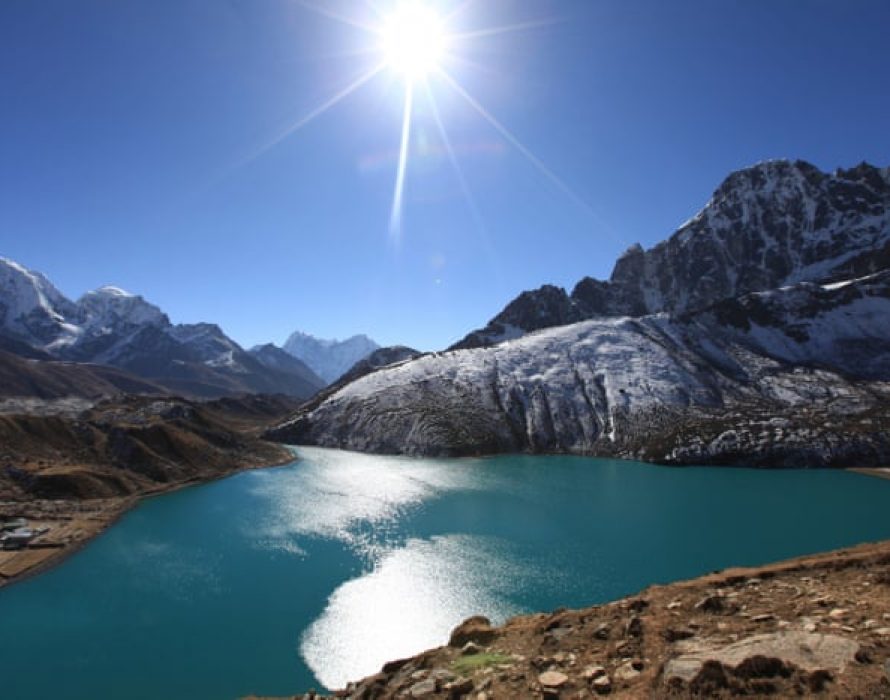
- Disaster risk: Rapid glacier retreat can destabilize moraine dams, increasing the likelihood of Glacial Lake Outburst Floods (GLOFs), which have caused fatalities in Bhutan and Nepal.
- Livelihoods: Agriculture and tourism that depend on predictable meltwater are vulnerable to altered water availability.
Regional Differences
Glacier response varies with latitude, altitude, and local climate.
- High‑latitude Arctic: Greenland’s peripheral glaciers have lost an average of 300 Gt yr⁻¹ since 2000 (NASA, 2022), driven by oceanic warming.
- Mid‑latitude mountain ranges: The European Alps have experienced a 50 % reduction in glacier area since 1850, with recent retreat rates of 1.5 % yr⁻¹ (WGMS, 2021).
- Tropical Andes: Glaciers are receding faster than in any other region, losing up to 5 % of surface area per year in some basins, because they sit close to the melting threshold.
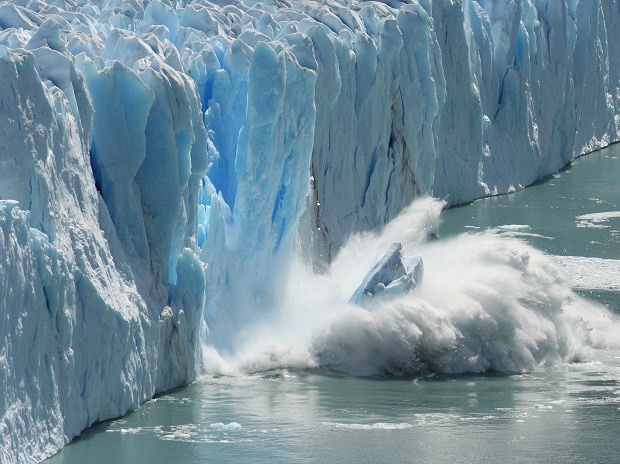
- Antarctic Peninsula: Although the interior ice sheet remains relatively stable, coastal glaciers there have shown a 30 % increase in calving rates over the past two decades.
What Scientists Know With High Confidence
What Scientists Know With High Confidence
- The global mean surface temperature has risen by about 1.1 °C since the pre‑industrial era.
- Human‑generated greenhouse gases are the dominant driver of the observed warming trend.
- Glacier mass loss has accelerated globally since the 1990s, as shown by satellite gravimetry and ground observations.
- Albedo feedbacks significantly amplify melt rates once ice surfaces are exposed.
- Continued high‑emission pathways will likely cause most mountain glaciers to disappear by the end of the 21st century.
What Remains Uncertain
What Remains Uncertain
Key uncertainties include the precise timing of regional glacier disappearance, the rate of basal melt beneath marine‑terminating glaciers, and how evolving precipitation patterns will interact with melt to affect net water balance. Improving high‑altitude weather stations and expanding satellite lidar coverage are priorities for reducing these gaps.
Common Misconceptions
Common Misconceptions
Misconception: Glaciers only melt in summer.
Reality: While summer melt is most visible, increased winter precipitation as rain rather than snow, and higher night‑time temperatures, also contribute to year‑round mass loss.
Misconception: Glacier melt is a short‑term “pulse” that will soon stop.
Reality: The initial surge in meltwater is a transient response, but the underlying energy imbalance persists, leading to long‑term decline.
Misconception: Only polar ice caps matter for sea‑level rise.
Reality: Mountain glaciers, though smaller individually, collectively add a measurable fraction of sea‑level rise and affect regional water resources.
Solutions and Limitations
Addressing glacier melt requires both mitigation of greenhouse‑gas emissions and adaptation to inevitable changes.
- Mitigation: Rapid decarbonisation of energy systems can limit warming to 1.5 °C, reducing projected glacier loss by up to 60 % according to IPCC scenario analyses. Limitations include political inertia and the need for massive infrastructure investment.
- Adaptation: Developing water‑storage infrastructure (e.g., reservoirs, managed aquifer recharge) can buffer communities against reduced meltwater. However, such projects can disrupt ecosystems and require substantial capital.
- Conservation of cold‑water habitats: Protecting upstream catchments preserves remaining glacier melt and reduces sediment load, but effectiveness depends on enforcement and land‑use policies.
- Improved monitoring: Expanding satellite missions (e.g., ICESat‑2) and local gauge networks enhances early warning for GLOFs, yet data gaps persist in remote regions.
What Individuals, Communities, and Governments Can Do
What Individuals Can Do
- Reduce personal carbon footprints by using renewable energy, limiting air travel, and supporting low‑carbon products.
- Support organizations that fund glacier monitoring and climate research.
- Advocate for policies that promote clean energy and protect watersheds.
What Communities and Organizations Can Do
- Implement integrated water‑resource management that incorporates glacier‑runoff forecasts.
- Invest in early‑warning systems for GLOFs and develop evacuation plans.
- Promote sustainable tourism that funds glacier preservation initiatives.
What Governments Can Do
- Commit to nationally determined contributions (NDCs) that align with the Paris Agreement’s 1.5 °C pathway.
- Fund and coordinate transboundary glacier monitoring programs.
- Incorporate glacier‑related risks into national climate‑adaptation strategies and infrastructure planning.
Synthesis
The accelerated melt of the world’s glaciers is a direct, observable consequence of human‑induced warming, reinforced by powerful feedback mechanisms such as albedo loss and basal lubrication. Robust observational records and model assessments give high confidence that emissions are the primary driver, while uncertainties remain around the exact timing of regional impacts and the response of marine‑terminating glaciers. Mitigation that limits global temperature rise, combined with targeted adaptation measures, offers the most effective path to preserve the critical water, ecological, and cultural services that glaciers provide.
Frequently Asked Questions
What causes glaciers to melt faster now than in the past?
Glaciers melt faster primarily because human‑driven greenhouse‑gas emissions have warmed the atmosphere and oceans, increasing melt energy and triggering feedbacks like reduced albedo that further accelerate ice loss.
How does glacier melt affect sea‑level rise?
When glaciers lose mass, the water flows into the oceans, adding roughly 0.27 mm per year to global sea level; this contribution combines with thermal expansion and ice‑sheet melt to raise coastlines worldwide.
Which regions are experiencing the most rapid glacier loss?
The tropical Andes, the European Alps, Greenland’s peripheral glaciers, and the Antarctic Peninsula’s coastal glaciers have shown the steepest recent declines, each driven by local temperature and ocean‑water changes.
What are the main uncertainties scientists still face about glacier melt?
Key uncertainties include the exact timing of regional glacier disappearance, how fast basal melt occurs beneath marine‑terminating glaciers, and how future precipitation patterns will interact with melt to affect total water balance.
What actions can individuals take to help slow glacier melting?
Individuals can reduce their carbon footprints by using renewable energy, limiting air travel, supporting climate‑research organizations, and advocating for policies that protect watersheds and promote clean energy.





Leave a Comment