
Melting glaciers not only signal a climate crisis but also reveal why the English word “glacier” is pronounced in several ways, reflecting linguistic history, regional identity, and the growing urgency of ice loss.
Quick Answer
“Glacier” is pronounced differently across English‑speaking regions because the word entered English from French, and subsequent phonological adaptation was shaped by local dialects, education, and media exposure. The same linguistic diversity mirrors the varied ways communities experience and discuss glacier melt, which is driven by global warming, reduces freshwater storage, raises sea level, and threatens ecosystems worldwide. While the basic physical process of ice loss is well‑understood, uncertainties remain about regional melt rates, permafrost feedbacks, and the long‑term socioeconomic consequences.
Key Takeaways
- Multiple pronunciations stem from the French origin “glacier” and regional phonetic evolution in English.
- Glacier melt is a measurable indicator of climate change, driven primarily by rising atmospheric temperatures.
- Melting glaciers contribute to sea‑level rise, alter freshwater availability, and erase climate archives.
- High‑confidence findings include global glacier mass loss since the 1990s and the link to anthropogenic warming.
- Uncertainties involve future melt trajectories in the Himalaya, feedbacks from permafrost, and precise socioeconomic impacts.
- Effective responses combine mitigation of greenhouse gases, adaptation of water management, and protection of vulnerable communities.
What Is Why Melting Glaciers Has So Many English Pronunciations?
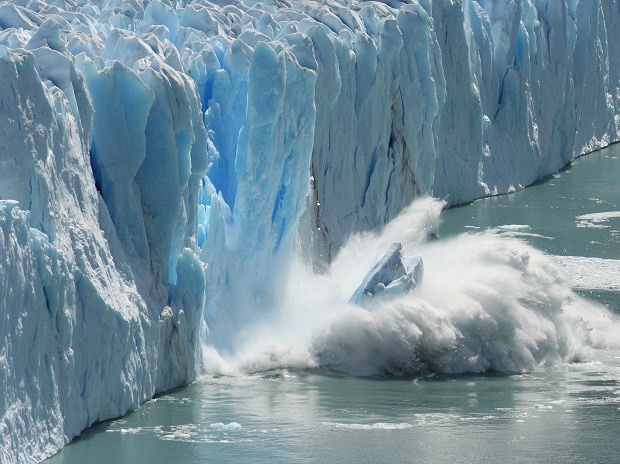
The phrase refers to two intertwined phenomena: the sociolinguistic variation in saying the word “glacier” and the physical process of glacier ice loss. Linguistically, “glacier” entered English in the 16th century from French glacier (ice), itself derived from Latin glacies. As English spread across continents, speakers adapted the spelling to local phonological rules, producing pronunciations such as “GLAY‑sher” (common in the United States) and “GLAS‑yer” (typical in the United Kingdom and Australia). Environmentally, melting glaciers describe the rapid reduction of ice mass in mountain ranges, polar caps, and temperate regions, a hallmark of ongoing climate change.
How Does It Work?
Physical Mechanism of Glacier Melt
- Solar radiation and warm air increase surface temperatures on the glacier.
- Melting (ablation) occurs when energy input exceeds the latent heat needed to keep ice solid.
- Runoff transports meltwater downstream, while some water refreezes at depth, forming ice lenses.
- Negative mass balance (more melt than accumulation) leads to glacier thinning and retreat.
Linguistic Adaptation Process
When speakers encounter a loanword, they adjust its phonemes to fit the existing sound system. In American English, the vowel shift toward a diphthong produces “GLAY‑sher,” whereas British English retains the monophthong “GLAS‑yer.” Social identity, education, and media exposure reinforce these variants, creating a stable regional pattern.
What Does the Evidence Show?
Long‑term monitoring by the World Glacier Monitoring Service (WGMS) indicates a net loss of about 9 % of global glacier volume per decade between 2000 and 2020. Satellite gravimetry from the GRACE mission confirms that the Greenland Ice Sheet lost roughly 3,800 Gt of ice between 2002 and 2020, contributing an average of 0.11 mm per year to global sea level (IPCC, 2021). Ice‑core records from Antarctica and the Andes demonstrate that glaciers preserve atmospheric composition for centuries, providing a climate archive that is now being erased as melt accelerates.
Main Causes or Drivers
Direct Climate Drivers
- Increasing mean annual air temperature – the primary driver of surface melt.
- Changes in precipitation patterns – reduced snowfall limits accumulation.
- Enhanced solar radiation due to decreased albedo from surface darkening.
Underlying Human Drivers
- Greenhouse‑gas emissions from fossil‑fuel combustion, agriculture, and industry.
- Land‑use change that modifies regional climate (e.g., deforestation).
- Black carbon deposition on ice surfaces, which accelerates melt.
Environmental and Human Impacts
Environmental Impacts
- Sea‑level rise: melt from mountain glaciers adds roughly 0.4 mm per year to global sea level, compounding contributions from ice sheets.
- Hydrological changes: seasonal runoff patterns shift, affecting downstream ecosystems and biodiversity.
- Loss of paleoclimate records: ice cores that store past atmospheric gases dissolve, limiting future climate reconstruction.
Human Health and Social Impacts
- Water security: millions of people in the Andes, Himalaya, and Central Asia rely on glacier melt for drinking water and irrigation.
- Agricultural productivity: altered melt timing can lead to water shortages during critical growing periods.
- Cultural heritage: Indigenous communities hold spiritual connections to glaciers; loss erodes cultural identity.
Economic and Infrastructure Impacts
- Hydropower generation may decline as long‑term meltwater supplies dwindle.
- Tourism revenue linked to iconic glaciers (e.g., Patagonia, Alps) faces decline.
- Increased risk of glacial lake outburst floods (GLOFs) threatens settlements downstream.
Regional Differences
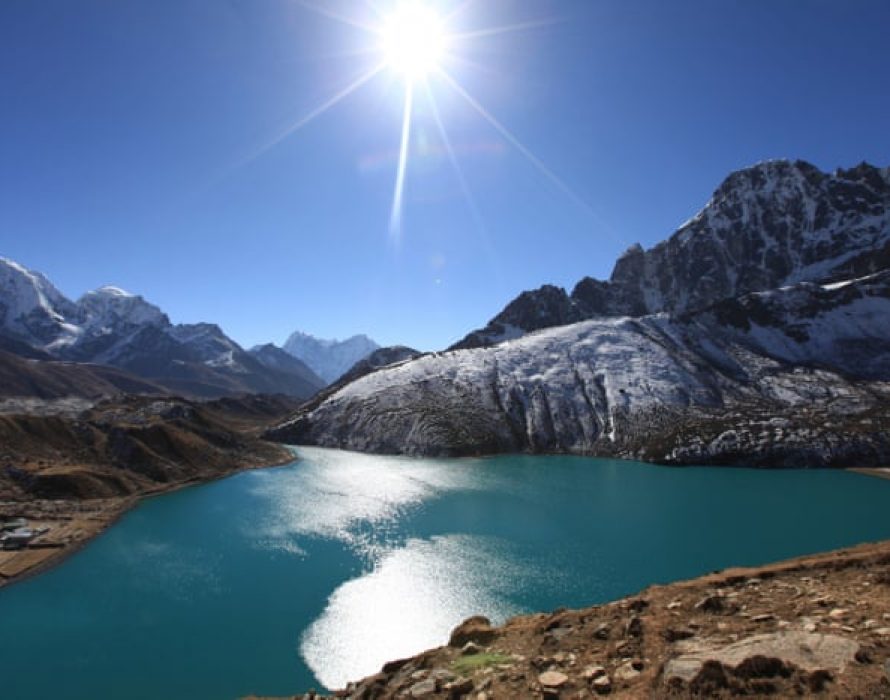
In the European Alps, glacier retreat has averaged 0.5 m per year since the 1990s, directly affecting ski‑tourism economies. In the Himalaya, glaciers store water for over a billion people; recent studies suggest a 30 % reduction in winter runoff compared with the 1970s. The Andes experience rapid retreat in tropical latitudes, with some glaciers disappearing entirely, leading to acute water shortages for Andean cities. Conversely, Antarctica’s interior ice sheet remains relatively stable, though coastal sectors show accelerated thinning.
What Scientists Know With High Confidence
- Global average temperatures have risen about 1.1 °C above pre‑industrial levels (IPCC, 2021).
- All major glacier systems are losing mass; the rate of loss has accelerated since the early 2000s.
- Anthropogenic greenhouse‑gas emissions are the dominant driver of observed warming.
- Glacier melt contributes measurably to sea‑level rise, accounting for roughly 10 % of the observed increase since 1993.
What Remains Uncertain
Key uncertainties include the precise response of the vast Himalayan–Karakoram–Himalaya (HKH) glacier system to future warming, the magnitude of permafrost carbon feedbacks triggered by meltwater infiltration, and the socioeconomic resilience of communities dependent on seasonal melt. Limited in‑situ observations in remote regions and the coarse resolution of global climate models contribute to these gaps. Ongoing satellite missions (e.g., Sentinel‑6) and expanded ground‑based monitoring are expected to reduce uncertainty over the next decade.
Common Misconceptions
Misconception: Only polar ice is melting.
Reality: Mountain glaciers worldwide—such as those in the Rockies, Alps, and Himalaya—are also retreating rapidly and have a direct impact on regional water supplies.
Misconception: Glaciers will disappear completely within a few years.
Reality: While many small glaciers have vanished, the largest ice sheets contain enough mass to persist for centuries under current warming trajectories, though they will continue to lose volume.
Misconception: Pronunciation differences are purely “incorrect.”
Reality: Variants like “GLAY‑sher” and “GLAS‑yer” are both linguistically valid; they reflect historical borrowing and regional phonology, not errors.
Misconception: Glacier melt has no effect on sea level because ice is already on land.
Reality: When land‑based ice melts, the water flows into the oceans, directly raising sea level; this is a primary mechanism behind observed sea‑level rise.
Misconception: Reducing personal carbon footprints will stop glacier melt.
Reality: Individual actions are valuable but insufficient alone; systemic emission reductions and policy measures are required to curb the primary driver of glacier loss.
Solutions and Limitations
Mitigation strategies focus on reducing CO₂ and short‑lived climate forcers (e.g., black carbon). The effectiveness of mitigation depends on rapid policy implementation and global cooperation; delays can lock in higher melt rates. Adaptation includes enhancing water‑storage infrastructure, diversifying water sources, and developing early‑warning systems for GLOFs. Conservation of high‑altitude ecosystems can preserve microclimates that slow local melt, yet protection alone cannot offset warming. Technological approaches such as artificial snowmaking or glacier “refreezing” are experimental, costly, and have limited scalability.
What Individuals, Communities, and Governments Can Do
What Individuals Can Do
- Support policies that price carbon and fund renewable energy.
- Reduce personal consumption of products linked to high black‑carbon emissions (e.g., certain biomass fuels).
- Participate in local water‑conservation programs that protect downstream glacier‑fed basins.
What Communities and Organizations Can Do
- Develop integrated water‑resource management plans that account for declining glacier runoff.
- Invest in community‑based monitoring of glacial lakes to anticipate GLOF hazards.
- Promote education about local glacier changes to strengthen cultural ties and advocacy.
What Governments Can Do
- Implement ambitious Nationally Determined Contributions (NDCs) consistent with limiting warming to 1.5 °C.
- Fund high‑resolution climate and glaciological monitoring networks in vulnerable regions.
- Provide financial and technical assistance to Indigenous and low‑income communities dependent on glacier water.
Synthesis
The diversity of English pronunciations for “glacier” mirrors the cultural and geographic diversity of the people who observe its retreat. Scientific evidence confirms that glacier melt is accelerating due to human‑driven warming, with clear impacts on sea level, water security, and cultural heritage. While the mechanisms of ice loss are well understood, uncertainties about regional futures and socioeconomic outcomes persist. Effective responses require coordinated mitigation to curb emissions, targeted adaptation to safeguard water supplies, and inclusive policies that respect the voices of communities most affected by glacier change.
Frequently Asked Questions
Why are there different English pronunciations of the word “glacier”?
The word “glacier” entered English from French in the 16th century. Regional dialects adapted its sounds, leading to “GLAY‑sher” in the United States and “GLAS‑yer” in the United Kingdom and Australia, among other variants.
What is the main driver behind the recent rapid loss of glacier ice?
The primary driver is rising global temperatures caused by anthropogenic greenhouse‑gas emissions. Higher air and surface temperatures increase melt rates, leading to a negative mass balance for most glaciers worldwide.
How does glacier melt contribute to sea‑level rise?
When land‑based ice melts, the water flows into the oceans, adding to global sea level. Glaciers currently contribute about 0.4 mm per year, roughly 10 % of the total observed sea‑level rise since 1993.
Which regions are most vulnerable to the loss of glacier‑fed water supplies?
Mountain regions such as the Himalaya, Andes, and Central Asian ranges depend heavily on glacier melt for drinking water, irrigation, and hydropower. Declining melt threatens water security for over a billion people in these areas.
What actions can governments take to address glacier melt?
Governments can adopt ambitious emissions reductions, fund high‑resolution glaciological monitoring, and provide support to communities reliant on glacier water. Policies that limit warming to 1.5 °C are essential to slow further ice loss.




Leave a Comment