
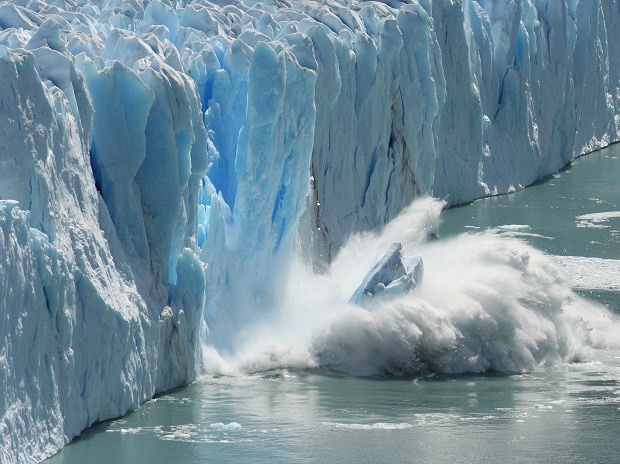
Human activities, especially the release of greenhouse gases from fossil‑fuel combustion and land‑use change, are the dominant driver of the accelerated glacier melt observed worldwide since the late‑20th century.
Quick Answer
Glaciers are losing mass because rising global temperatures—largely caused by anthropogenic greenhouse‑gas emissions—increase surface melt and accelerate ice flow toward the oceans. Multiple lines of evidence from satellite gravimetry, in‑situ mass‑balance measurements, and long‑term climate records show a consistent worldwide thinning trend. The most immediate implication is a contribution to sea‑level rise and reduced freshwater availability for downstream communities, although uncertainties remain regarding the exact timing of regional impacts.
Key Takeaways
- Human‑driven greenhouse‑gas emissions are the primary cause of the global increase in glacier melt rates.
- Satellite observations (e.g., GRACE, ICESat‑2) document a loss of over 30 % of glacier volume since the 1990s.
- Melting glaciers raise sea level, alter river runoff, and threaten ecosystems that depend on cold‑water habitats.
- High‑confidence findings include the link between atmospheric warming and surface melt; major uncertainties involve future melt under different emission scenarios.
- Effective responses combine rapid emissions reductions, adaptation of water‑resource management, and protection of vulnerable mountain communities.
What Is Why Humans Are Mostly to Blame for Recent Glacier Melt?
The phrase refers to the scientific consensus that the recent, unprecedented acceleration of glacier retreat is overwhelmingly attributable to anthropogenic climate change rather than natural variability alone. Glaciers are bodies of compacted snow and ice that respond to long‑term energy balance: when annual net energy gain exceeds loss, they grow; when loss dominates, they shrink. The current imbalance is driven by elevated atmospheric concentrations of carbon dioxide (CO₂), methane (CH₄), and nitrous oxide (N₂O) from activities such as fossil‑fuel combustion, deforestation, and intensive agriculture.
How Does It Work?
Physical Mechanism
- Burning fossil fuels releases CO₂ and other greenhouse gases.
- These gases trap infrared radiation, raising the average temperature of the lower atmosphere.
- Higher air temperatures increase the amount of melt energy reaching glacier surfaces during the melt season.
- Warmer air also reduces snowfall, limiting the replenishment of ice.
- Increased meltwater lubricates the base of glaciers, accelerating ice flow toward the ocean.
Feedback Loops
As glaciers shrink, their surface albedo (reflectivity) declines, causing the exposed darker ice or rock to absorb more solar radiation. This albedo feedback amplifies local warming and further melt—a process documented in the IPCC Sixth Assessment Report (2021).
What Does the Evidence Show?
Long‑term monitoring by the World Glacier Monitoring Service (WGMS) records a net mass loss of roughly 1 m water‑equivalent per year for the global glacier inventory between 2000 and 2019. Satellite gravimetry from the Gravity Recovery and Climate Experiment (GRACE) mission, operating from 2002 to 2017, measured a cumulative loss of about 300 Gt (gigatonnes) of ice, equivalent to roughly 0.8 mm of global sea‑level rise. Regional studies, such as a 2020 assessment of the Himalaya, found average thinning rates of 0.5 m per year, while the Andes have lost over 25 % of glacier area since 1970. These independent data streams—field observations, satellite remote sensing, and climate reanalysis—converge on the conclusion that human‑induced warming is the dominant driver.
Main Causes or Drivers
Direct Human Causes
- Carbon dioxide emissions from coal, oil, and natural‑gas power plants (accounting for ~75 % of global CO₂ emissions).
- Methane releases from agriculture (especially ruminant livestock) and fossil‑fuel extraction.
- Land‑use change that reduces carbon sinks and alters surface energy fluxes.
Underlying Drivers
- Industrialization and urbanization that increase energy demand.
- Global trade patterns that sustain high‑carbon supply chains.
- Policy frameworks that have historically prioritized economic growth over emissions limits.
Amplifying Natural Factors
- Volcanic aerosols can temporarily cool the climate, but their effect is short‑lived compared with the persistent greenhouse‑gas forcing.
- Natural variability such as the El Niño‑Southern Oscillation influences year‑to‑year melt rates but does not explain the long‑term trend.
Environmental and Human Impacts
Environmental Impacts
Accelerated melt contributes approximately 0.3 mm per year to global sea‑level rise, according to the IPCC AR6. Freshwater runoff patterns shift, leading to earlier peak flows in alpine rivers, which can stress cold‑water fish species such as salmon and trout. Loss of glacier‑fed wetlands reduces biodiversity and diminishes carbon sequestration capacity.
Human Health and Social Impacts
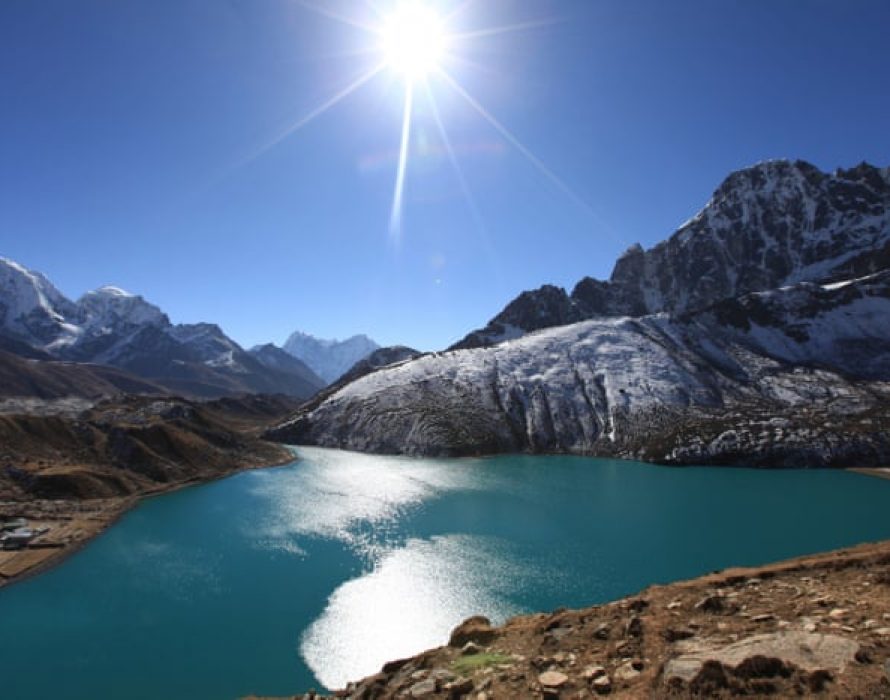
Mountain communities that rely on glacier melt for irrigation, hydropower, and drinking water face increased water insecurity, especially during dry seasons. Reduced summer melt can lower hydropower generation, affecting electricity supply for millions of people in regions such as the Himalaya and the Andes. In extreme cases, rapid melt can trigger glacial lake outburst floods (GLOFs), posing direct threats to life and infrastructure.
Economic and Infrastructure Impacts
Tourism that depends on iconic glaciers (e.g., Patagonia, the Alps) suffers revenue losses as ice retreats. Infrastructure built on permafrost or near glacial valleys may become unstable, raising maintenance costs. Adaptation measures—such as building new reservoirs or diversifying water sources—require substantial public investment.
Regional Differences
Glacier response varies with latitude, altitude, and local climate. In the Arctic, sea‑ice loss amplifies oceanic heat transport to adjacent glaciers, accelerating melt in Greenland. In the tropical Andes, modest temperature rises translate into large relative losses because many glaciers exist near the regional snow line. Conversely, some high‑latitude glaciers in the Canadian Arctic have shown periods of stability due to local precipitation increases, highlighting the importance of regional climate nuances.
What Scientists Know With High Confidence
- Global average surface temperature has risen by about 1.1 °C since pre‑industrial times, primarily due to anthropogenic greenhouse‑gas emissions (IPCC AR6, 2021).
- Glacier mass loss is occurring on all continents where glaciers exist, with a net loss exceeding 30 % of ice volume since the 1990s (WGMS, 2020).
- The physical link between atmospheric warming and increased surface melt is well established through energy‑balance models and field measurements.
- Sea‑level contribution from glacier melt is a measurable component of the observed 20‑cm rise since 1900.
What Remains Uncertain
Key uncertainties include the magnitude of future melt under low‑emission scenarios, the timing of threshold crossings that could trigger irreversible loss of large glacier systems, and the regional variability of precipitation changes that may offset or amplify melt. Improved high‑resolution monitoring in remote mountain ranges and better representation of glacier dynamics in Earth system models are needed to narrow these gaps.
Common Misconceptions
Misconception: Glacier melt is a natural cycle unrelated to human activity.
Reality: While glaciers have historically advanced and retreated, the speed and global extent of recent loss exceed natural variability and align closely with the timing of industrial‑era greenhouse‑gas emissions.
Misconception: Only the polar ice caps matter for sea‑level rise.
Reality: Mountain glaciers, though smaller individually, collectively contribute a significant portion of sea‑level rise and affect regional water resources.
Misconception: Reducing local pollution will stop glacier melt.
Reality: Local air‑quality improvements are beneficial for health but do not address the global greenhouse‑gas concentrations that drive temperature rise.
Misconception: Glaciers will regrow if temperatures cool temporarily.
Reality: Once a glacier loses its accumulation zone, recovery can take centuries, even if short‑term cooling occurs.
Solutions and Limitations
Mitigation strategies focus on cutting CO₂ emissions through rapid deployment of renewable energy, energy efficiency, and carbon‑pricing mechanisms. The Intergovernmental Panel on Climate Change indicates that limiting warming to 1.5 °C would markedly reduce future glacier loss, but such pathways require near‑zero emissions by mid‑century—a formidable technical, economic, and political challenge.
Adaptation measures include diversifying water supply (e.g., rainwater harvesting, improved storage), early‑warning systems for GLOFs, and ecosystem‑based management of downstream wetlands. These actions can reduce vulnerability but do not address the underlying cause of melt.
Conservation of remaining glacier‑fed ecosystems (e.g., protected area designation) preserves biodiversity but cannot halt ice loss without broader climate action. Moreover, geoengineering proposals (e.g., solar radiation management) remain experimental, carry significant governance risks, and are not a substitute for emissions reductions.
What Individuals, Communities, and Governments Can Do
What Individuals Can Do
- Reduce personal carbon footprints by using public transit, improving home energy efficiency, and choosing low‑carbon diets.
- Support policies and organizations that advocate for strong climate legislation.
- Participate in citizen‑science glacier monitoring projects where available.
What Communities and Organizations Can Do
- Develop integrated water‑resource plans that account for decreasing glacier contributions.
- Invest in early‑warning systems and risk mapping for glacial lake outburst floods.
- Promote sustainable tourism that funds glacier conservation and education.
What Governments Can Do
- Implement ambitious nationally determined contributions (NDCs) aligned with the Paris Agreement’s 1.5 °C pathway.
- Fund long‑term glacier monitoring networks and climate‑impact research.
- Regulate land‑use change in mountain basins to protect natural carbon sinks and reduce sediment runoff that can accelerate glacier melt.
Synthesis
Scientific evidence unequivocally links the rapid acceleration of glacier melt to human‑driven greenhouse‑gas emissions. While uncertainties remain about the precise timeline of regional impacts, the high‑confidence findings are sufficient to justify immediate mitigation and adaptation actions. Reducing emissions offers the most effective means of slowing melt, whereas adaptation safeguards water security and reduces disaster risk for vulnerable mountain societies. The path forward requires coordinated effort across scales—from individual lifestyle choices to national climate policies—grounded in the robust science that places humanity at the heart of the glacier crisis.
Frequently Asked Questions
What is glacier melt and why does it matter?
Glacier melt is the loss of ice mass from glaciers due to a net energy gain that exceeds loss. It matters because it contributes to sea‑level rise, alters freshwater runoff, and threatens ecosystems and communities that depend on meltwater.
How do human activities accelerate glacier melt?
Human activities release greenhouse gases such as CO₂ and CH₄, which trap heat and raise atmospheric temperatures. Warmer air increases surface melt, reduces snowfall, and lubricates glacier bases, all of which speed up ice loss.
What scientific evidence links recent glacier loss to humans?
Satellite gravimetry (e.g., GRACE), glacier mass‑balance networks, and long‑term climate records all show a consistent global thinning trend since the 1990s that matches the rise in anthropogenic greenhouse‑gas concentrations documented in IPCC assessments.
What are the main impacts of glacier melt on people and the environment?
Melting glaciers raise sea level, shift river runoff timing, reduce water availability for agriculture and hydropower, increase flood risk from glacial lakes, and threaten cold‑water species and tourism that rely on icy landscapes.
What actions can help reduce future glacier melt?
The most effective action is rapid reduction of greenhouse‑gas emissions through renewable energy, energy efficiency, and strong climate policies. Complementary measures include water‑resource adaptation, early‑warning systems for glacial floods, and protecting glacier‑fed ecosystems.




Leave a Comment