
Glaciers are critical freshwater reservoirs, climate regulators, biodiversity havens, and cultural icons, and their decline threatens water security, ecosystems, and global temperature balance.
Quick Answer
Glaciers are massive, long‑lived ice bodies that store about 69% of the planet’s liquid freshwater. They melt slowly, feeding rivers that supply drinking water, irrigation, and hydroelectric power. Because ice reflects solar radiation (the albedo effect), glaciers help keep Earth cool; when they shrink, darker surfaces absorb more heat, amplifying warming. The most important implication is that continued glacier loss will reduce water availability for billions of people and contribute to sea‑level rise, while the exact timing of regional impacts remains uncertain.
Key Takeaways
- Glaciers act as natural water towers, releasing meltwater during dry seasons.
- Their rapid retreat is a high‑confidence indicator of global warming.
- Loss of glacier albedo accelerates regional and global temperature rise.
- Glacial ecosystems support specialized species and cultural values.
- Mitigation, adaptation, and conservation together can reduce future risks.
What Is Why Glaciers Matter More Than You Think?
The phrase refers to the many interconnected roles glaciers play in Earth’s climate system, water cycle, biodiversity, and human societies. Glaciers are not a single uniform entity; they include mountain glaciers, ice caps, and the larger ice sheets of Greenland and Antarctica. While all contain frozen precipitation, mountain glaciers respond most quickly to temperature changes, making them especially valuable as early warning signals. Understanding why they matter helps explain how a seemingly static ice mass influences far‑reaching environmental processes.
How Does It Work?
1. Accumulation and Ablation Cycle
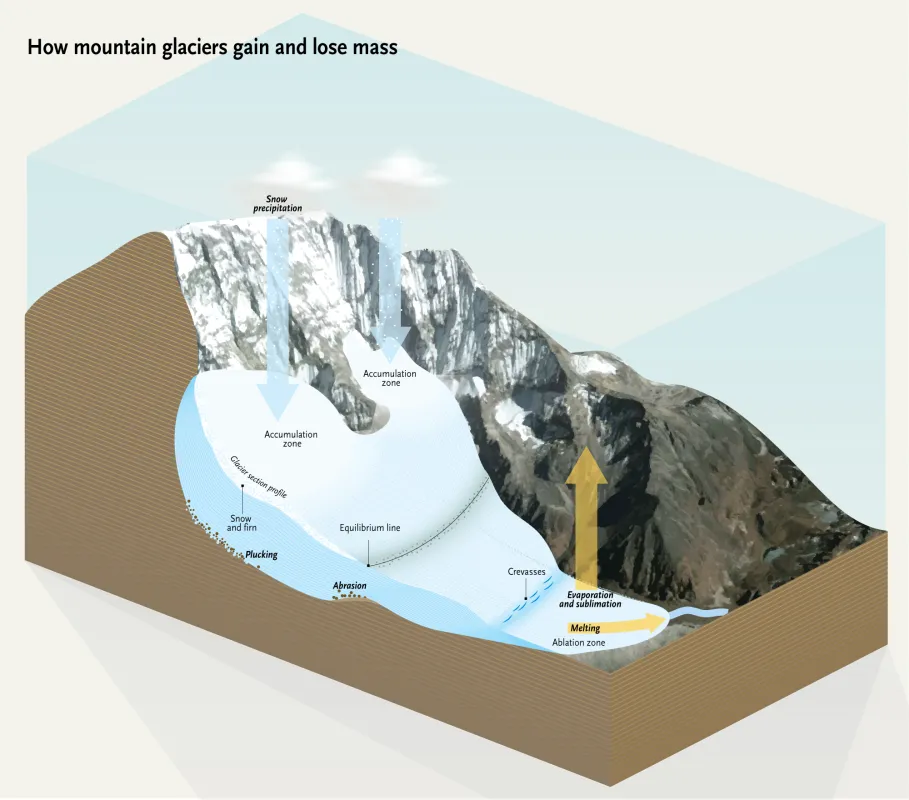
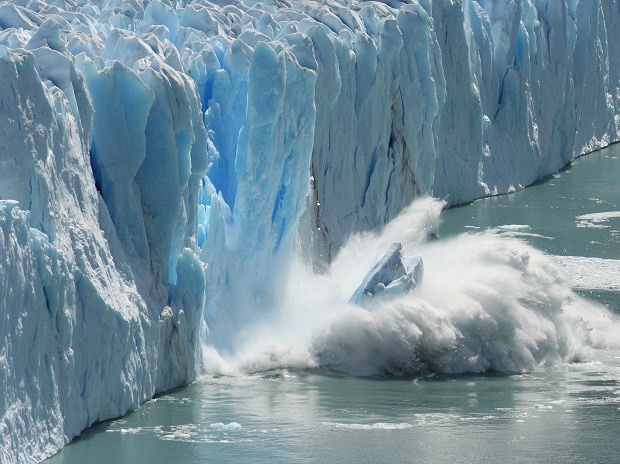
Snowfall adds mass (accumulation) in winter; summer melting, sublimation, or iceberg calving removes mass (ablation). The balance between these processes determines whether a glacier grows or shrinks.
2. Seasonal Meltwater Release
During warm months, meltwater travels through subglacial channels and emerges as streamflow, sustaining downstream rivers. This delayed release smooths seasonal water availability compared with direct rainfall.
3. Albedo Feedback
Fresh snow reflects 80–90% of incoming solar radiation. As glaciers thin, exposed ice or rock absorbs more heat, creating a positive feedback that speeds further melt.
4. Sediment and Nutrient Transport
Glaciers grind bedrock into fine sediment that is deposited downstream, enriching soils and influencing aquatic habitats.
5. Habitat Provision
Cold‑stable niches near glacier margins support cold‑adapted mosses, lichens, and invertebrates such as ice worms, while larger predators (e.g., snow leopards) depend on prey linked to glacial streams.
What Does the Evidence Show?
Long‑term monitoring by the World Glacier Monitoring Service (WGMS) indicates that worldwide glacier mass loss accelerated from an average of –0.4 m water‑equivalent per year in the 1970s to –0.9 m / yr in the 2000s. The Intergovernmental Panel on Climate Change (IPCC) AR6 (2021) reports that glacier melt contributed roughly 0.3 mm of sea‑level rise per year between 2000 and 2019, a figure supported by satellite gravimetry (GRACE) and altimetry missions. Field studies in the Himalayas, Andes, and Alps consistently link higher summer temperatures to earlier melt onset and reduced runoff during late dry seasons. Ecological surveys show that species restricted to glacial outwash plains have declined in abundance as ice retreats, confirming habitat loss.
Main Causes or Drivers
Direct Climate Forcing
Rising atmospheric greenhouse‑gas concentrations increase surface air temperature, directly accelerating melt.
Regional Atmospheric Circulation
Changes in monsoon strength, El Niño‑Southern Oscillation patterns, and jet‑stream positioning modify precipitation inputs, influencing accumulation rates.
Black Carbon Deposition
Combustion‑derived soot settles on snow, lowering albedo and hastening melt, especially in the Himalayas (observed by the UNEP).
Human Water Extraction
In some basins, upstream diversion of meltwater for irrigation reduces downstream glacier mass balance, creating a feedback loop.
Environmental and Human Impacts
Environmental Impacts
- Sea‑level rise: Continued glacier loss adds to global ocean volume, threatening low‑lying coastal systems.
- Temperature amplification: Reduced albedo contributes to regional warming, especially in high‑altitude basins.
- Biodiversity loss: Specialized alpine species lose habitat, increasing extinction risk.
- Geomorphology: Retreat exposes unstable moraines, raising landslide and debris‑flow hazards.
Human Health and Social Impacts
- Reduced meltwater can compromise drinking‑water supplies for up to 2 billion people dependent on glacier‑fed rivers (IPCC, 2021).
- Hydropower generation declines where seasonal flow diminishes, affecting energy security.
- Indigenous cultures that revere glaciers face loss of sacred sites and traditional knowledge.
Economic and Infrastructure Impacts
- Agricultural productivity in downstream valleys may fall without reliable summer irrigation.
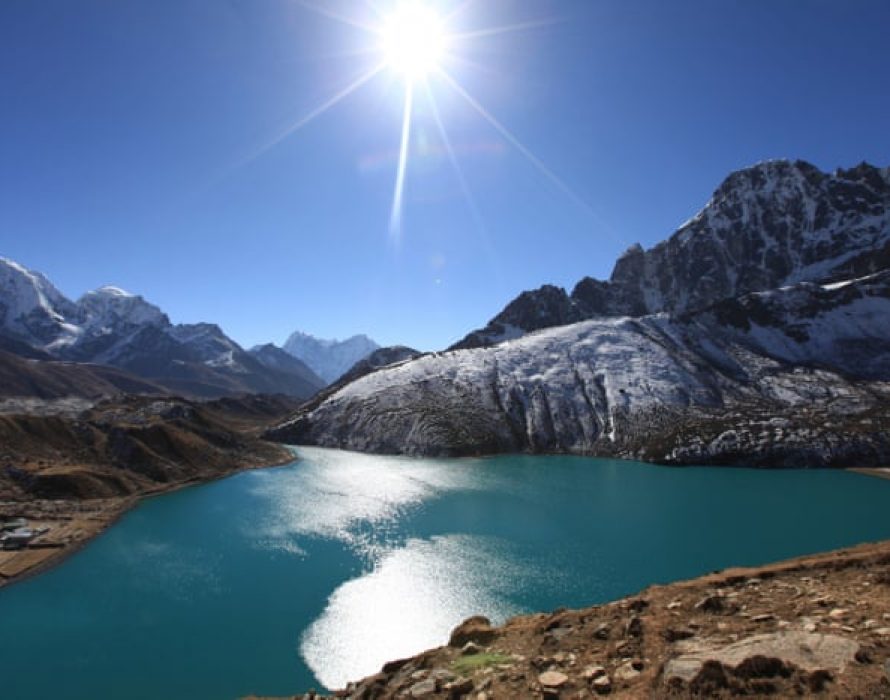
- Glacial lake outburst floods (GLOFs) become more frequent, threatening roads, bridges, and settlements.
Regional Differences
In the Himalayas, glaciers supply the Ganges, Brahmaputra, and Indus, where melt contributes up to 30 % of dry‑season flow. In the Andes, glacier retreat has already reduced summer river discharge by 15–20 % in the Upper Rio Santa basin. The European Alps show a 40 % reduction in glacier area since 1850, leading to earlier peak runoff. By contrast, Antarctica’s massive ice sheets lose mass primarily through basal melting driven by ocean warming, a process less directly linked to freshwater supply but critical for global sea‑level projections.
What Scientists Know With High Confidence
- Glaciers have been losing mass globally since the late 20th century.
- The albedo feedback from glacier loss accelerates regional warming.
- Glacier melt contributes measurably to sea‑level rise.
- Mountain‑glacier meltwater is a crucial component of dry‑season water budgets for many densely populated regions.
What Remains Uncertain
Key uncertainties include the precise timing of threshold crossings where glacier loss becomes irreversible for specific basins, the magnitude of black‑carbon impacts in remote regions, and how future socioeconomic pathways will alter water demand relative to shrinking meltwater supplies. Improved high‑altitude monitoring and integrated climate‑hydrology models are needed to narrow these gaps.
Common Misconceptions
Misconception: Glaciers are static and unimportant.
Reality: Glaciers are dynamic systems that store freshwater, regulate climate, and shape ecosystems; their changes have cascading effects.
Misconception: Only polar ice sheets affect sea level.
Reality: While the Antarctic and Greenland ice sheets dominate sea‑level contributions, mountain‑glacier melt accounts for roughly one‑third of observed sea‑level rise since 2000.
Misconception: All glacier melt is bad for water supply.
Reality: Early‑stage melt can increase water availability, but long‑term retreat reduces the total volume stored, leading to shortages later.
Misconception: Glaciers will disappear completely within a decade.
Reality: The rate of loss varies widely; some small alpine glaciers may vanish within decades, while the largest ice sheets will persist for centuries under current warming trajectories.
Solutions and Limitations
Addressing glacier loss requires a mix of mitigation, adaptation, and conservation.
- Mitigation: Rapid reduction of CO₂ emissions limits further temperature rise; however, even stringent pathways cannot halt melt of glaciers already out of balance.
- Adaptation: Investing in water‑storage infrastructure (e.g., reservoirs, managed aquifer recharge) can buffer seasonal deficits, yet such projects may have ecological trade‑offs.
- Conservation: Protecting upstream catchments reduces sediment load and black‑carbon deposition, but enforcement can be challenging in remote regions.
- Monitoring: Expanding satellite and ground‑based observations improves early‑warning capacity for GLOFs, though data gaps remain in politically unstable areas.
What Individuals, Communities, and Governments Can Do
What Individuals Can Do
- Support policies that accelerate renewable‑energy adoption and carbon pricing.
- Reduce personal carbon footprints through energy efficiency, low‑carbon travel, and sustainable consumption.
- Participate in citizen‑science glacier monitoring programs where available.
What Communities and Organizations Can Do
- Develop integrated water‑resource management plans that account for declining glacier contributions.
- Implement early‑warning systems for GLOFs in high‑risk valleys.
- Promote traditional water‑conservation practices of indigenous peoples.
What Governments Can Do
- Adopt and enforce ambitious nationally determined contributions (NDCs) aligned with the Paris Agreement to limit warming below 1.5 °C.
- Fund long‑term glacier monitoring networks and share data openly.
- Regulate black‑carbon emissions from industry and transport in mountainous regions.
- Facilitate transboundary water‑governance agreements for shared glacier‑fed rivers.
Closing Synthesis
Glaciers are far more than frozen scenery; they are active agents that store freshwater, modulate climate, nurture biodiversity, and uphold cultural values. Robust evidence shows they are retreating fast, driven primarily by anthropogenic warming, with serious implications for water security, sea‑level rise, and ecosystem health. While uncertainties remain about exact regional timelines, the high‑confidence findings demand immediate mitigation of greenhouse‑gas emissions, strategic adaptation of water systems, and protection of glacier‑dependent habitats. Collective action across individuals, communities, and governments offers the most resilient path to preserving these vital ice reservoirs for future generations.
Frequently Asked Questions
How much of the world’s freshwater is stored in glaciers?
Glaciers contain about 69 % of the planet’s liquid freshwater, acting as natural reservoirs that release meltwater during dry periods.
Why does glacier melt affect global sea level?
When glacier ice turns to water and flows into the ocean, it adds volume to the seas; mountain‑glacier melt has contributed roughly one‑third of observed sea‑level rise since 2000.
What is the albedo effect and how do glaciers influence it?
Albedo is the reflectivity of a surface; bright snow and ice reflect most sunlight, cooling the Earth. As glaciers shrink, darker land or water absorbs more heat, amplifying warming.
Which regions rely most on glacier‑fed water supplies?
The Himalayas, the Andes, and the European Alps provide a large share of dry‑season runoff for billions of people, supporting agriculture, drinking water, and hydropower.
What actions can governments take to protect glaciers?
Governments can set strong emissions targets, fund glacier monitoring, regulate black‑carbon deposition, develop transboundary water agreements, and invest in early‑warning systems for glacier‑related hazards.




Leave a Comment