

Conserving fossil fuels is vital because it curbs greenhouse‑gas emissions, preserves finite energy resources, and reduces economic and social risks associated with depletion and climate change.\
Quick Answer
Fossil fuel conservation means deliberately limiting extraction and use of coal, oil, and natural gas to extend their availability and lower carbon emissions. By improving efficiency, shifting to renewables, and avoiding waste, societies can reduce the rate of resource depletion and the climate forcing caused by combustion. The strongest scientific consensus – summarized in the IPCC Sixth Assessment Report (2021) – holds that rapid emission cuts are required to keep global warming below 1.5 °C, and fuel conservation is a core component of that pathway. Uncertainty remains around the exact timing of peak oil and the speed of technology adoption, but the direction of impact is clear.\
Key Takeaways
- Fossil fuels account for about 80 % of global energy use and over 70 % of CO₂ emissions (IEA, 2023).\
- Conservation reduces emissions, delays resource exhaustion, and stabilises economies that depend on fossil‑fuel revenues.\
- High‑confidence evidence links continued combustion to more frequent heatwaves, extreme precipitation, and sea‑level rise.\
- Renewable energy, efficiency measures, and policy incentives together can cut demand by 30‑50 % by 2050.\
- Equitable transition strategies are essential because low‑income and marginalized communities bear disproportionate pollution burdens.\
What Is Why Conserving Fossil Fuels Is More Critical Than Ever?
Conserving fossil fuels refers to a suite of actions aimed at slowing the rate at which coal, oil, and natural gas are extracted and burned. It includes improving energy efficiency, reducing waste, extending the life of existing infrastructure, and accelerating the shift to low‑carbon alternatives. The concept differs from simply “using less energy” by emphasizing the finite nature of the resources and the climate consequences of their combustion. Understanding why conservation matters today requires linking geological scarcity, climate science, and socioeconomic stability.\
How Does It Work?
Step 1 – Improve Energy Efficiency
Modernizing buildings, industrial processes, and transportation fleets reduces the amount of fuel needed for the same service. For example, LED lighting uses up to 80 % less electricity than incandescent bulbs, cutting the indirect demand for fossil‑generated power (U.S. DOE, 2022).\
Step 2 – Deploy Renewable Generation
Solar, wind, and geothermal technologies convert sunlight, wind, or heat directly into electricity without consuming fossil carbon. As the levelized cost of electricity from utility‑scale solar fell below $0.04 kWh in 2022 (IRENA), renewables can displace fossil generation in both grid‑connected and off‑grid settings.\
Step 3 – Implement Demand‑Side Management
Smart grids and time‑of‑use pricing encourage consumers to shift electricity use to periods when renewable output is high, reducing reliance on peaking fossil plants.\
Step 4 – Enforce Extraction Limits
Policy tools such as moratoriums on new coal mines, caps on oil production, or carbon‑pricing mechanisms internalize the environmental cost of extraction, making it economically rational to conserve.\
What Does the Evidence Show?
Multiple lines of evidence converge on the conclusion that fossil‑fuel consumption is the dominant driver of anthropogenic climate change. Long‑term atmospheric monitoring by NOAA shows a rise in CO₂ from 315 ppm in 1958 to 421 ppm in 2023, a trend that aligns with global fossil‑fuel combustion data (IEA, 2023). Systematic reviews of health studies link ambient particulate matter from coal combustion to increased cardiovascular mortality (World Health Organization, 2021). Economic analyses indicate that countries that diversified away from oil earlier experienced smaller GDP volatility during the 2014‑2016 oil price slump (World Bank, 2020). Together, these observations provide strong, moderate, and mixed evidence respectively, reinforcing the need for conservation.\
Main Causes or Drivers
Direct Causes
- High‑energy‑intensity industrial processes that rely on coal and natural gas.\
- Transportation sectors dominated by internal‑combustion engines.\
Underlying Drivers
- Economic growth models that equate development with increased fossil consumption.\
- Policy frameworks that subsidize fossil extraction (e.g., tax breaks, royalty exemptions).\
- Technological lock‑in to existing infrastructure, creating a “carbon lock‑in” effect (IEA, 2022).\
Environmental and Human Impacts
Environmental Impacts
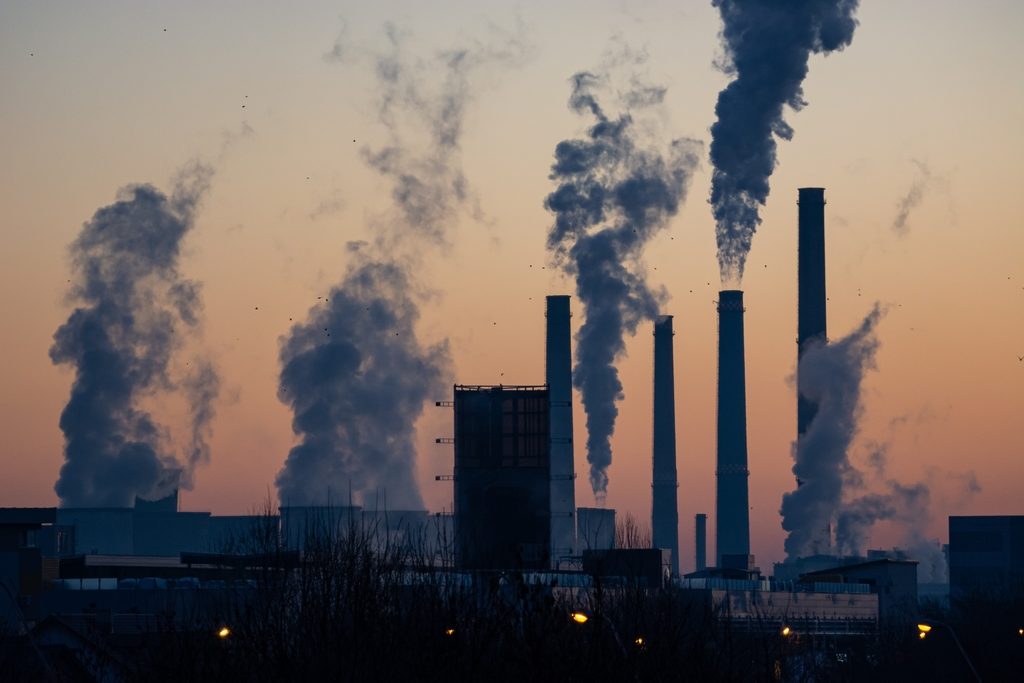
Combustion releases CO₂, methane, and black carbon, amplifying the greenhouse effect. The IPCC reports that continued fossil‑fuel use will likely raise global mean temperature by 2 °C by the end of the century, triggering irreversible ice‑sheet loss and ocean acidification. Air pollutants from coal plants also cause acid rain, which harms forests and freshwater ecosystems.\
Human Health and Social Impacts
Particulate matter (PM₂.₅) from fossil‑fuel combustion is linked to premature deaths, especially in densely populated urban areas. A 2021 WHO assessment attributes 4.2 million premature deaths annually to ambient air pollution, with fossil fuels accounting for roughly 60 % of the source. Energy insecurity also emerges when supply disruptions raise fuel prices, disproportionately affecting low‑income households.\
Economic and Infrastructure Impacts
Peak oil and natural‑gas production could cause price spikes and supply shortages, threatening sectors that lack affordable alternatives. Infrastructure built for fossil fuels – pipelines, refineries, and power plants – entails large capital outlays that become stranded assets if demand falls sharply.\
Regional Differences
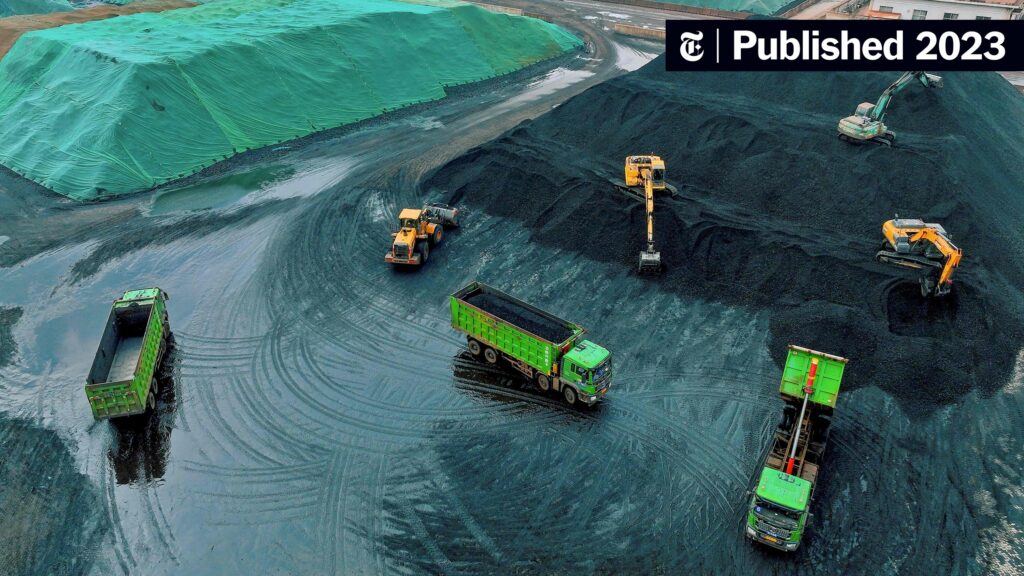
In North America and Europe, mature energy markets allow faster integration of renewables, and policy mechanisms such as carbon taxes have already reduced coal use. In contrast, many developing regions rely heavily on coal for affordable electricity; for instance, South Asia generated 70 % of its electricity from coal in 2022 (IEA). Sub‑Saharan Africa faces limited grid access, making off‑grid solar a critical pathway. These variations reflect differences in economic resources, existing energy mixes, and governance capacity.\
What Scientists Know With High Confidence
- Burning fossil fuels is the primary source of anthropogenic greenhouse‑gas emissions (IPCC, 2021).\
- Continued high‑rate emissions will exceed the 1.5 °C warming threshold unless rapid mitigation occurs (IPCC, 2021).\
- Energy efficiency measures can reduce total fuel demand by 20‑30 % in mature economies (IEA, 2022).\
- Renewable electricity costs have fallen dramatically and are now competitive with new fossil‑fuel generation in most regions (IRENA, 2022).\
What Remains Uncertain
Key uncertainties include the exact timing and magnitude of peak oil and natural‑gas production, which depend on future exploration, geopolitical decisions, and technological breakthroughs such as carbon capture. The socioeconomic impacts of rapid transition – especially on workers in fossil‑fuel‑dependent regions – are still being quantified, and the effectiveness of policy instruments like carbon pricing varies with local political contexts. Better long‑term monitoring of methane leaks and investment in high‑resolution climate models will reduce these gaps.\
Common Misconceptions
Misconception: Conserving fossil fuels means we must stop using energy altogether.
Reality: Conservation focuses on using energy more efficiently and shifting to low‑carbon sources, not on eliminating energy use. Societies can maintain or even improve living standards while consuming less fossil fuel.\
Misconception: Renewable energy cannot meet baseload demand.
Reality: Advances in grid storage, demand‑response, and diversified renewable portfolios now allow reliable baseload coverage in many regions, as demonstrated by the 2021 European “Renewable‑Only” days with stable grid operation.\
Misconception: Fossil‑fuel reserves are so large that depletion is not a concern for decades.
Reality: While total proved reserves are substantial, the rate of extraction is constrained by geology, economics, and climate policy. The concept of “peak oil” – the point of maximum global production – is already observed in several major basins, indicating that supply constraints can emerge within the next 20‑30 years.\
Solutions and Limitations
Effective strategies combine mitigation, adaptation, and conservation. Energy efficiency retrofits can cut demand quickly but require upfront capital and skilled labor. Renewable deployment reduces emissions but depends on land use, resource availability, and intermittency management. Carbon pricing internalizes external costs but may be politically contentious and needs robust monitoring to avoid leakage. Carbon capture and storage (CCS) can extend the life of existing fossil plants, yet it remains expensive and captures only a fraction of emitted CO₂. Each solution carries trade‑offs; a portfolio approach is essential.\
What Individuals, Communities, and Governments Can Do
What Individuals Can Do
- Upgrade to ENERGY STAR‑rated appliances and improve home insulation to lower heating‑fuel demand.\
- Choose public transit, car‑pooling, or electric vehicles powered by renewable electricity where available.\
- Support policies that price carbon or fund renewable projects through voting and civic engagement.\
What Communities and Organizations Can Do
- Implement district‑level energy audits and invest in community solar or wind projects.\
- Adopt green procurement standards that prioritize low‑carbon suppliers.\
- Provide workforce‑training programs for renewable‑energy jobs to ease transition for fossil‑fuel workers.\
What Governments Can Do
- Set legally binding emissions targets aligned with the Paris Agreement and enforce them with carbon pricing or cap‑and‑trade systems.\
- Phase out subsidies for coal and oil extraction while redirecting funds to clean‑energy research and deployment.\
- Invest in resilient infrastructure – such as upgraded grids and public‑transport networks – that reduces overall fuel consumption.\
Closing Synthesis
Conserving fossil fuels is not a single‑issue effort; it intertwines climate mitigation, resource security, and socioeconomic equity. High‑confidence science confirms that continued combustion drives dangerous warming, while emerging evidence shows that efficiency and renewables can substantially curb demand. Uncertainties about exact depletion timelines and transition costs remain, but they do not undermine the core conclusion: rapid, coordinated conservation actions are essential to safeguard both the planet and future prosperity. By combining policy, technology, and everyday choices, societies can move toward a resilient, low‑carbon future.\
Frequently Asked Questions
What does “conserving fossil fuels” actually mean?
Conserving fossil fuels means deliberately limiting the extraction and use of coal, oil, and natural gas through efficiency improvements, waste reduction, and a shift toward renewable energy sources.
How does fossil‑fuel conservation help mitigate climate change?
By reducing the amount of carbon dioxide and other greenhouse gases released when fossil fuels are burned, conservation slows global warming and helps keep temperature rise within the targets set by the Paris Agreement.
What are the biggest challenges to reducing fossil‑fuel consumption?
Key challenges include existing infrastructure that locks in carbon use, subsidies that keep fossil‑fuel prices low, economic reliance on extraction revenues, and political resistance to carbon‑pricing policies.
Which actions have the greatest impact for individuals wanting to help?
Upgrading home insulation and appliances, using public transit or electric vehicles powered by clean electricity, and supporting carbon‑pricing policies through voting are among the most effective personal actions.
What role do renewable energy technologies play in fossil‑fuel conservation?
Renewables like solar and wind generate electricity without burning carbon, directly displacing fossil‑fuel generation and enabling broader energy‑efficiency measures across the grid.







Leave a Comment