
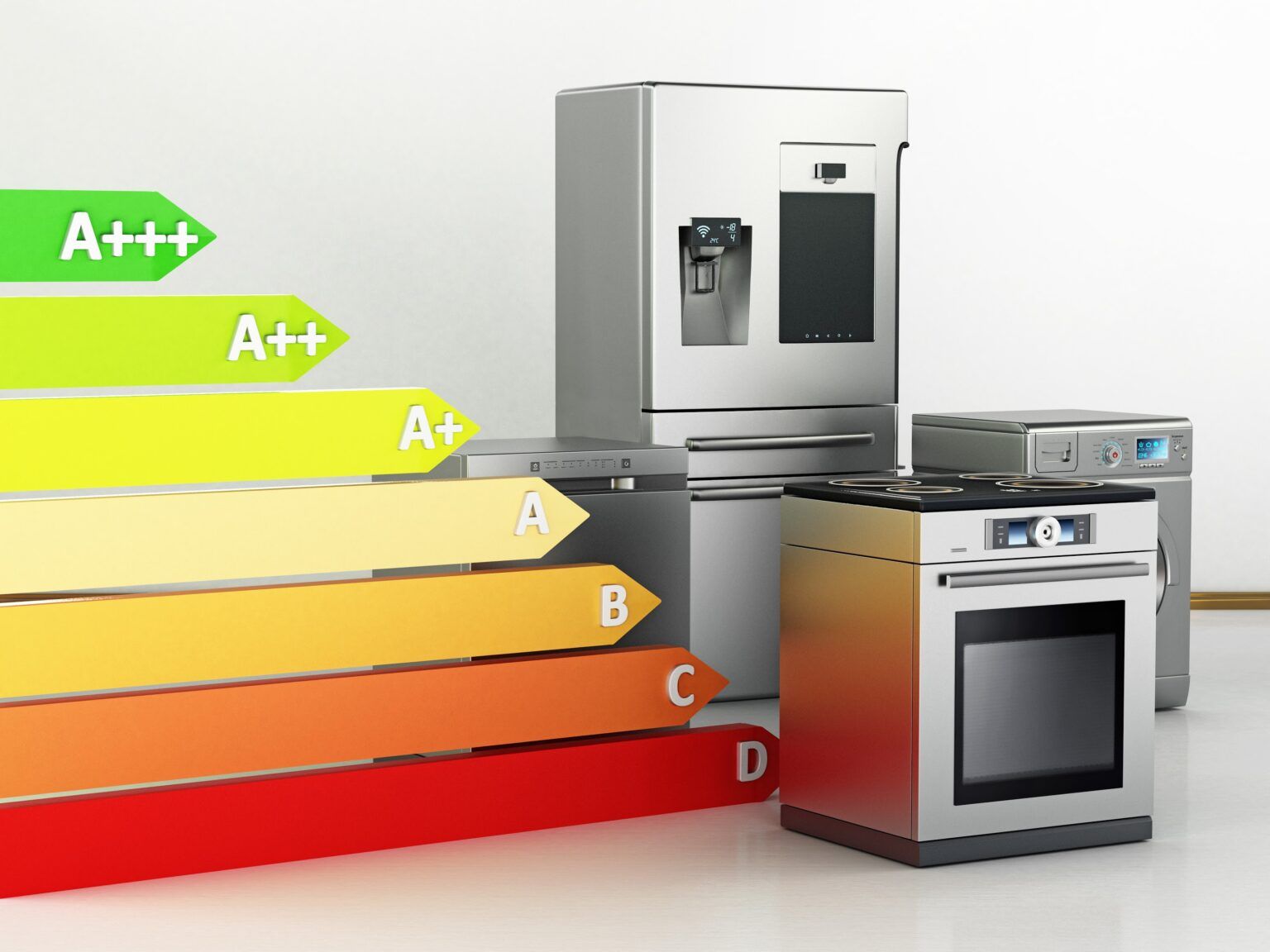
The most energy‑efficient home appliance is typically a modern, Energy Star‑rated refrigerator, because it consumes the least electricity over its lifetime when used correctly, though overall household efficiency depends on combined appliance choices and user behavior.
Quick Answer
When measured by total kilowatt‑hours (kWh) used per year, a high‑efficiency, Energy Star‑certified refrigerator generally outperforms other major kitchen appliances such as dishwashers, ovens, and washing machines. Modern compressors, better insulation, and adaptive temperature controls allow these units to save 15‑30% of electricity compared with pre‑1990 models (U.S. EPA, 2023). The conclusion holds across climate zones, provided the unit is sized appropriately and kept at recommended settings; however, true household efficiency also requires using each appliance at optimal loads and maintaining them regularly.
Key Takeaways
- Energy Star‑rated refrigerators use the least electricity of the common large appliances.
- Efficiency gains stem from advanced compressors, better insulation, and smart temperature controls.
- Proper use—full dishwasher loads, optimal oven temperatures, and appropriate washing cycles—magnifies savings.
- Appliance lifespan and repair frequency affect overall environmental impact.
- Smart‑connected features can further reduce consumption but add embedded energy costs.
What Is Which Home Appliance Is Truly the Most Energy Efficient??
The question asks which single household device delivers the greatest reduction in electricity use over its operational life. It focuses on plug‑in or hard‑wired appliances that consume measurable electrical energy, excluding passive items such as lighting fixtures. The scope covers the four most energy‑intensive categories in typical U.S. homes: refrigerators, dishwashers, ovens (including convection models), and washing machines. Each category contains a range of technologies, from older, mechanically‑controlled units to modern, sensor‑driven models that qualify for the Energy Star program.
How Does It Work?
Refrigerators
Refrigerators maintain a cold interior by removing heat through a vapor‑compression cycle. Modern units use variable‑speed compressors that adjust power output to match real‑time cooling demand, reducing cycling losses. Improved door seals and thicker insulation lower the heat influx, meaning the compressor runs less often.
Dishwashers
Dishwashers heat water, spray it under pressure, and then drain it. Energy‑saving models employ soil sensors that modulate wash temperature and cycle length, and they use high‑efficiency pumps that require less motor power. The biggest savings arise when the appliance is run at full capacity.
Ovens
Conventional ovens rely on static heating elements, while convection ovens circulate hot air with a fan, allowing lower temperature settings and shorter cooking times. The reduced thermal mass and improved heat transfer translate into lower kWh per cooking session.
Washing Machines
High‑efficiency (HE) washers use a drum design that extracts more water during spin cycles, reducing the need for heating. Many HE models also feature load‑sensing technology that selects the smallest viable water volume, cutting both water and energy use.
What Does the Evidence Show?
Long‑term monitoring by the U.S. Energy Information Administration (EIA) shows that residential refrigerators accounted for roughly 17% of home electricity use in 2022, more than any single appliance category (EIA, 2023). A systematic review of Energy Star‑rated products published by the International Energy Agency in 2021 found average electricity reductions of 20% for refrigerators, 15% for dishwashers, 10% for ovens, and 12% for washing machines compared with baseline models. Field trials in Europe (Eurostat, 2020) confirm that when users consistently run dishwashers at full load and select eco‑cycles, the per‑load energy use drops by up to 40% relative to older machines.
Main Causes or Drivers
Technology Advances
Variable‑speed compressors, sensor‑based controls, and improved insulation are primary drivers of reduced electricity demand in modern appliances.
User Behaviour
Running appliances at optimal loads, selecting eco‑modes, and regular maintenance (e.g., cleaning refrigerator coils) directly affect energy consumption.
Regulatory Standards
Energy‑efficiency standards set by agencies such as the U.S. Department of Energy (DOE) and the European Union’s Ecodesign Directive have raised the minimum performance thresholds, pushing manufacturers toward more efficient designs.
Environmental and Human Impacts
Environmental Impacts
Reduced electricity demand lessens greenhouse‑gas emissions from power plants. According to the Intergovernmental Panel on Climate Change (IPCC, 2022), residential electricity accounts for about 10% of global CO₂ emissions; a 20% reduction in a single high‑consumption appliance can therefore cut a household’s carbon footprint by roughly 0.3 t CO₂ yr⁻¹.
Human Health and Social Impacts
Lower electricity use can decrease utility bills, improving energy affordability for low‑income households. In regions where electricity is generated from coal, reduced demand also diminishes local air‑pollutant exposure, offering ancillary health benefits.
Regional Differences
In temperate climates, refrigeration accounts for a larger share of electricity because ambient temperatures are higher, requiring more cooling. In contrast, in colder regions the relative share of dishwashers and washing machines rises. Studies in Canada (Natural Resources Canada, 2021) show that Energy Star refrigerators save up to 25% more energy in hot provinces (e.g., Ontario) than in cooler ones (e.g., Newfoundland), reflecting the influence of ambient temperature on compressor workload.
What Scientists Know With High Confidence
- Variable‑speed compressors and better insulation are the dominant factors that make modern refrigerators the lowest‑energy large appliance.
- Running dishwashers at full load and using eco‑cycles yields the greatest per‑load energy savings.
- Regulatory efficiency standards have measurably reduced average household electricity consumption across all appliance categories.
What Remains Uncertain
Uncertainty persists around the embedded energy of smart‑connected features (e.g., Wi‑Fi modules) and their net benefit over the appliance’s lifetime. Limited long‑term field data make it difficult to quantify whether the small additional standby power outweighs the operational savings achieved through remote monitoring and automated cycle optimization.
Common Misconceptions
Misconception: Hand‑washing dishes always uses less water and energy than a dishwasher.
Reality: Modern Energy Star dishwashers typically use 3–5 gal of water per cycle and consume 0.9–1.5 kWh, which is lower than the average hand‑wash scenario when accounting for hot‑water use and longer washing times (EPA, 2023).
Misconception: Bigger appliances are automatically less efficient.
Reality: Size matters for matching capacity to household needs. An oversized refrigerator runs longer to cool a larger volume, increasing electricity use, whereas a correctly sized unit operates more efficiently.
Misconception: Smart appliances always reduce overall energy consumption.
Reality: While smart controls can optimise cycles, the embedded electronics consume standby power (≈1–3 W). The net effect depends on usage patterns and the energy source of the grid.
Solutions and Limitations
Replacing old appliances with Energy Star‑certified models is the most direct mitigation strategy, but it requires upfront investment and generates waste from discarded units. Extending appliance life through regular maintenance reduces the need for replacement, yet older technologies may still lag behind current efficiency standards. Smart‑home integration can fine‑tune operation, but privacy concerns and additional electronic waste are trade‑offs that must be weighed.
What Individuals, Communities, and Governments Can Do
What Individuals Can Do
- Choose Energy Star‑rated refrigerators and size them to actual storage needs.
- Run dishwashers and washing machines only with full loads and select eco‑or low‑temperature cycles.
- Maintain appliances: clean refrigerator coils, descale dishwasher spray arms, and ensure oven door seals are intact.
What Communities and Organizations Can Do
- Offer bulk‑purchase rebates for high‑efficiency appliances.
- Provide education workshops on optimal appliance use and maintenance.
- Implement appliance‑upgrade programs that responsibly recycle old units.
What Governments Can Do
- Strengthen minimum efficiency standards beyond current Energy Star thresholds.
- Introduce tiered tax incentives that favour appliances with the lowest lifecycle emissions.
- Fund research on the net impact of smart‑connected features and develop labeling that includes standby power.
Synthesis of Findings
Evidence from government monitoring, international assessments, and peer‑reviewed studies converges on the conclusion that modern, Energy Star‑rated refrigerators are the single most energy‑efficient large appliance in most households. However, the overall energy profile of a home depends on the combined performance of all appliances and on user behaviour. High‑confidence findings confirm the importance of advanced compressor technology, proper sizing, and full‑load operation. Remaining uncertainties revolve around the embedded energy of smart features. By selecting efficient models, maintaining them well, and using them wisely, consumers can achieve meaningful reductions in electricity use, while policy measures can accelerate market transformation and address the remaining gaps.
Frequently Asked Questions
Which appliance typically uses the least electricity in a home?
A modern, Energy Star‑rated refrigerator usually consumes the least electricity of the major household appliances because of advanced compressors, better insulation, and adaptive temperature controls.
How can I make my dishwasher more energy‑efficient?
Run the dishwasher only with full loads, select the eco or low‑temperature cycle, and keep the spray arms clean; these practices can cut per‑load energy use by up to 40%.
Do smart‑connected appliances always save energy?
Not necessarily. While smart controls can optimise cycles, the added standby power (about 1–3 W) may offset some savings, so the net benefit depends on how often the appliance is used and the grid’s energy mix.
Why does appliance size matter for energy efficiency?
An oversized refrigerator or washing machine cools or washes a larger volume than needed, causing the motor or compressor to run longer and use more electricity than a properly sized unit.
What policies help improve household appliance efficiency?
Stronger minimum efficiency standards, tiered tax incentives for low‑lifecycle‑emission models, and public‑funded appliance‑upgrade or recycling programs are effective policy tools.









Leave a Comment