

Bitcoin’s proof‑of‑work mining consumes massive energy, generates significant carbon emissions, and creates e‑waste, making its environmental cost a critical issue for sustainable technology.
Quick Answer
Bitcoin operates on a proof‑of‑work (PoW) system where miners solve complex mathematical puzzles using powerful computers. This process requires large amounts of electricity—estimated at over 130 terawatt‑hours per year in 2021, comparable to the consumption of a mid‑size country. Most of this energy comes from fossil‑fuel grids, leading to a sizable carbon footprint and substantial electronic waste. While renewable‑energy‑driven mining is emerging, the overall environmental impact remains a concern, especially in regions reliant on coal power.
Key Takeaways
- Bitcoin’s PoW mining consumes >130 TWh annually, rivaling the electricity use of countries such as Argentina.
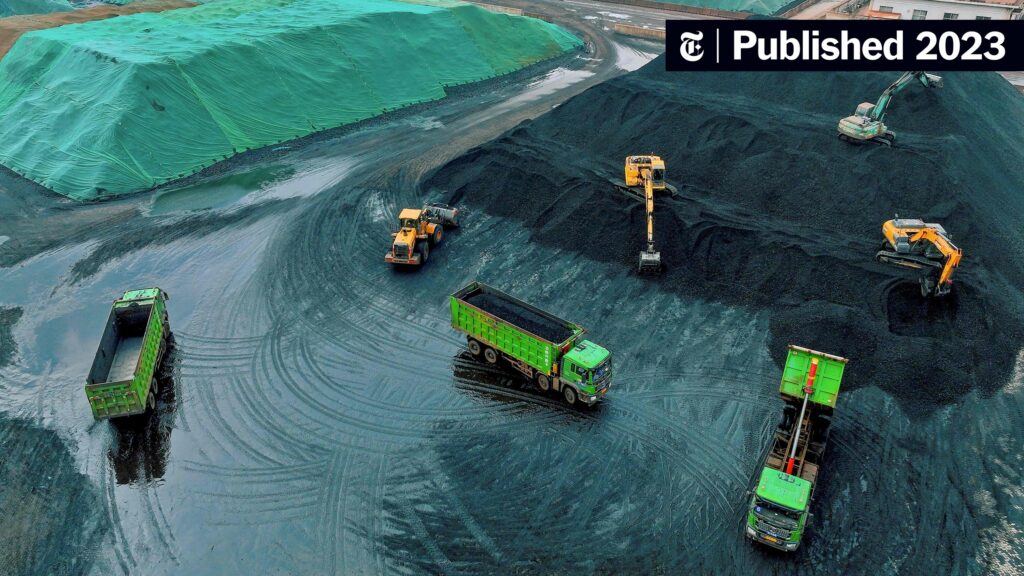
- Carbon emissions are concentrated in regions where electricity is coal‑heavy, historically China and parts of the United States.
- Rapid hardware turnover generates significant e‑waste, including rare‑metal components that require environmentally intensive mining.
- Water use for cooling and thermal pollution affect local ecosystems near large mining facilities.
- Renewable‑energy‑based mining shows promise, but scaling sustainably requires policy incentives and transparent reporting.
What Is Bitcoin Facts: Understanding the Environmental Cost of Crypto?
Bitcoin is a decentralized digital currency that records transactions on a public ledger called a blockchain. The term “environmental cost of crypto” refers to the total energy demand, greenhouse‑gas emissions, water use, and material waste directly linked to the mining and transaction‑validation processes that keep the network operational. This explainer focuses on Bitcoin’s proof‑of‑work consensus mechanism, the primary driver of its ecological footprint, and distinguishes it from other cryptocurrencies that use less energy‑intensive methods such as proof‑of‑stake.
How Does It Work?
Proof‑of‑Work Mining Process
- Transactions are bundled into a block and broadcast to the network.
- Miners hash the block header repeatedly, adjusting a nonce until the resulting hash meets a network‑wide difficulty target.
- The first miner to produce a valid hash submits the block, which is then added to the blockchain.
- The successful miner receives newly minted Bitcoin and transaction fees as a reward.
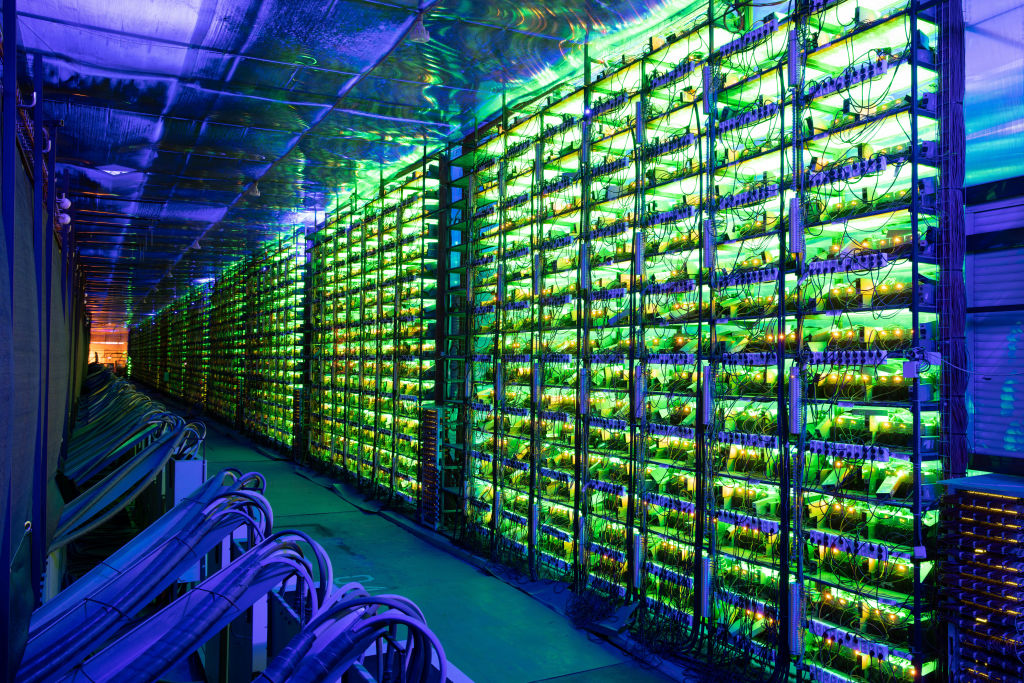
This competition requires high‑performance hardware—often ASIC (application‑specific integrated circuit) devices—that draws several kilowatts per unit and operates continuously.
Energy Flow and Emissions
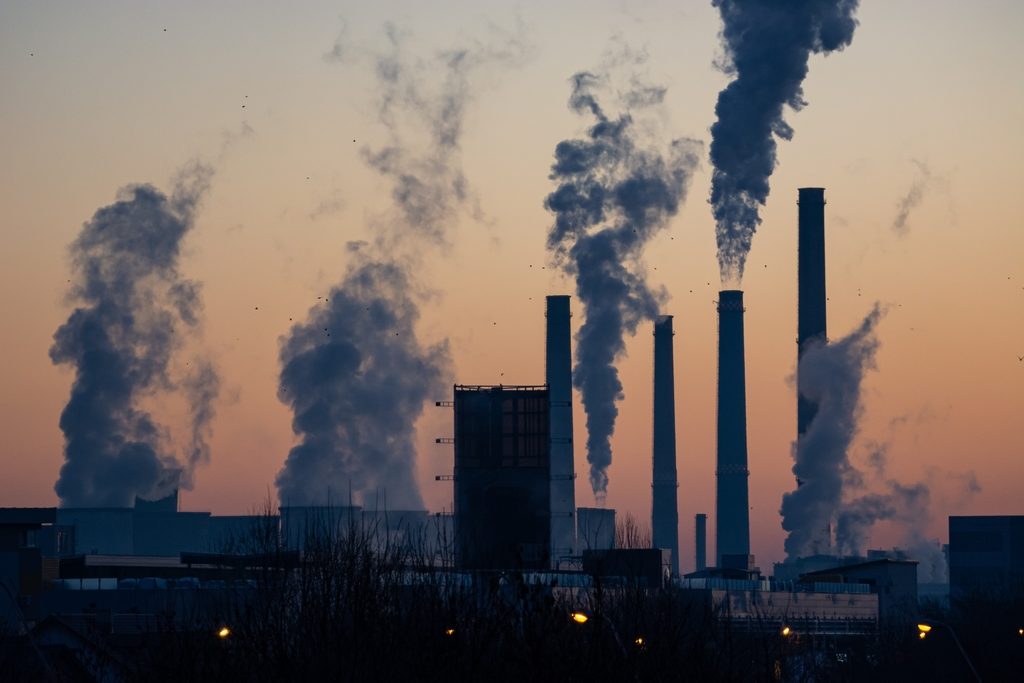
Electricity powers the hardware; the source of that electricity determines the carbon intensity. When miners locate operations near cheap, coal‑based power, each kilowatt‑hour (kWh) can emit 0.9 kg CO₂ or more (International Energy Agency, 2022). Conversely, mining powered by hydro or wind can have emissions below 0.1 kg CO₂/kWh. The aggregate emissions therefore depend on the geographic mix of energy sources.
E‑waste Generation
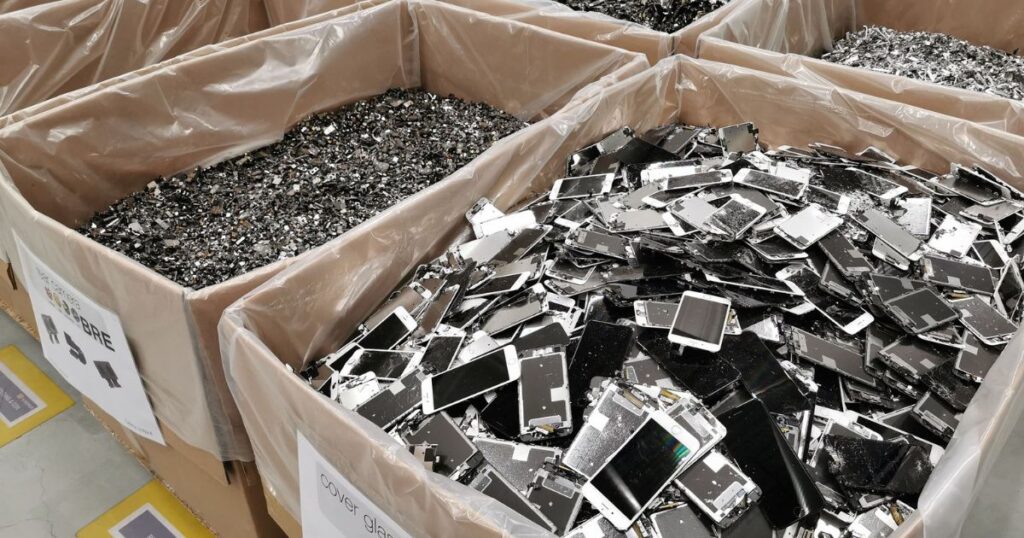
ASICs become obsolete within 12–24 months as newer, more efficient models appear. Discarded units contain copper, aluminum, gold, and rare earth elements, and their improper disposal can lead to soil and water contamination.
What Does the Evidence Show?
Multiple independent assessments converge on similar magnitude estimates. The Cambridge Bitcoin Electricity Consumption Index (CBECI) reported a median annual consumption of 130 TWh for 2021, with a 95 % confidence interval of 100–160 TWh. The Intergovernmental Panel on Climate Change (IPCC) notes that electricity‑related emissions remain the largest source of global anthropogenic CO₂, implying that Bitcoin’s share, though modest relative to total global emissions, is non‑trivial.
Regional carbon‑intensity studies (e.g., a 2022 analysis by the International Energy Agency) indicate that mining in coal‑dominant grids can produce up to 70 Mt CO₂ per year, while operations powered by renewables reduce that figure to under 10 Mt CO₂.
Main Causes or Drivers
Direct Causes
- Proof‑of‑work consensus requiring intensive computation.
- Continuous operation of mining hardware to stay competitive.
Underlying Drivers
- Economic incentives: block rewards and transaction fees motivate miners to seek low‑cost electricity.
- Geopolitical factors: regions with lax regulations and cheap coal attract large mining farms.
- Technological arms race: faster ASICs increase overall network hash rate, raising total energy demand.
Environmental and Human Impacts
Environmental Impacts
- Climate Change: Fossil‑fuel‑based mining contributes to CO₂ emissions, adding to global warming potential.
- Air Quality: Coal‑heavy regions experience elevated particulate matter and sulfur‑dioxide levels.
- Water Use: Large cooling systems can withdraw millions of gallons of water per day, stressing local supplies.
- Thermal Pollution: Discharged warm water raises temperatures of nearby rivers, affecting aquatic species.
- E‑waste: Short‑lived ASICs increase landfill volume and risk of toxic metal leaching.
Human Health and Social Impacts
- Workers in mining facilities may face exposure to high noise levels and electromagnetic fields.
- Communities near coal‑powered farms can suffer respiratory issues linked to air pollutants.
- Water scarcity for cooling can limit availability for agriculture and domestic use, disproportionately affecting low‑income regions.
Regional Differences
China once hosted roughly 65 % of global Bitcoin hash rate, largely powered by coal, leading to high regional emissions. After regulatory crackdowns in 2021, hash power shifted toward North America and Kazakhstan, where the energy mix varies: some U.S. farms tap surplus hydroelectric power in the Pacific Northwest, while Kazakh operations often rely on aging coal plants. These shifts illustrate how policy, electricity pricing, and resource availability create distinct environmental footprints across continents.
What Scientists Know With High Confidence
- The proof‑of‑work algorithm intrinsically requires substantial electricity to maintain network security.
- Energy consumption of the Bitcoin network is comparable to that of a mid‑size nation.
- Carbon emissions are directly linked to the electricity generation mix of mining locations.
- ASIC hardware has a short operational lifespan, leading to measurable e‑waste streams.
What Remains Uncertain
Key uncertainties include the future geographic distribution of mining as policies evolve, the proportion of miners that will voluntarily adopt renewable energy, and the long‑term durability of e‑waste recycling pathways for rare‑metal ASIC components. Improved real‑time monitoring of mining energy sources would reduce these knowledge gaps.
Common Misconceptions
Misconception: Bitcoin uses more electricity than the entire global power grid.
Reality: The global electricity generation in 2021 was about 27,000 TWh; Bitcoin’s share is roughly 0.5 % of that total, not the entire grid.
Misconception: All Bitcoin mining is powered by coal.
Reality: While coal dominates in some regions, a growing share of miners locate near hydro, wind, or solar resources, especially in parts of the United States and Canada.
Misconception: Switching to proof‑of‑stake will instantly eliminate Bitcoin’s environmental impact.
Reality: Proof‑of‑stake can reduce electricity use dramatically, but Bitcoin’s protocol would need to change, which requires broad consensus and is unlikely in the near term.
Misconception: E‑waste from Bitcoin is negligible compared to other industries.
Reality: Annual ASIC turnover adds tens of thousands of tonnes of electronic waste, a non‑trivial contribution given the hazardous materials involved.
Misconception: Renewable‑energy mining is a greenwashing tactic.
Reality: Some mining operations genuinely source power from renewable grids, but verification mechanisms are still developing; transparency is essential to assess true impact.
Solutions and Limitations
Potential strategies fall into three categories:
- Energy‑Source Shifts: Incentivizing miners to locate near abundant renewable energy can lower carbon intensity, but transmission constraints and market volatility may limit scalability.
- Hardware Recycling Programs: Establishing formal e‑waste collection and metal‑recovery schemes can mitigate landfill risks, yet the economic viability of recycling rare‑metal ASICs remains uncertain.
- Regulatory Frameworks: Governments can impose emissions caps or require disclosure of energy sources. Over‑regulation may drive mining underground, reducing transparency.
Each solution carries trade‑offs: renewable integration depends on grid capacity; recycling requires investment in specialized facilities; regulation must balance environmental goals with economic freedoms.
What Individuals, Communities, and Governments Can Do
What Individuals Can Do
- Prefer cryptocurrencies that use low‑energy consensus mechanisms when feasible.
- Support projects that publish transparent energy‑source reports.
- Advocate for responsible e‑waste recycling in local electronics collection programs.
What Communities and Organizations Can Do
- Partner with renewable‑energy providers to create “green mining” hubs.
- Develop local ordinances that require miners to disclose the carbon intensity of their power supply.
- Facilitate public‑private collaborations for ASIC recycling facilities.
What Governments Can Do
- Implement tiered electricity pricing that rewards low‑carbon power use for mining.
- Mandate periodic reporting of energy consumption and emissions for large mining operations.
- Invest in grid upgrades that enable greater integration of variable renewable energy sources.
Closing Synthesis
Bitcoin’s proof‑of‑work design guarantees security at the cost of high energy consumption, leading to measurable carbon emissions, water use, and e‑waste. Robust scientific evidence confirms these impacts, especially where mining relies on coal‑heavy grids. Uncertainties remain around future geographic shifts and the pace of renewable adoption. A balanced pathway forward includes incentivizing clean‑energy mining, improving hardware recycling, and establishing transparent regulatory standards—actions that together can reduce the environmental footprint while preserving the technological benefits of decentralized finance.
Frequently Asked Questions
How much electricity does Bitcoin mining use compared to a country?
Bitcoin mining consumes over 130 terawatt‑hours of electricity per year, which is comparable to the annual electricity use of a mid‑size country such as Argentina.
Why does the location of mining farms affect Bitcoin’s carbon emissions?
Carbon emissions depend on the electricity generation mix; mining in regions powered by coal releases more CO₂ per kilowatt‑hour than mining that uses hydro, wind, or solar power.
What is the main source of electronic waste from Bitcoin?
The rapid turnover of ASIC mining hardware—often replaced every 12 to 24 months—creates large amounts of e‑waste containing metals like copper, gold, and rare earth elements.
Can Bitcoin mining be powered entirely by renewable energy?
Renewable‑energy‑driven mining exists and can dramatically lower carbon intensity, but scaling it globally requires sufficient renewable capacity, grid upgrades, and transparent reporting.
What actions can governments take to reduce Bitcoin’s environmental impact?
Governments can introduce tiered electricity pricing favoring low‑carbon power, require regular emissions reporting from large miners, and invest in grid infrastructure that supports renewable integration.





Leave a Comment