
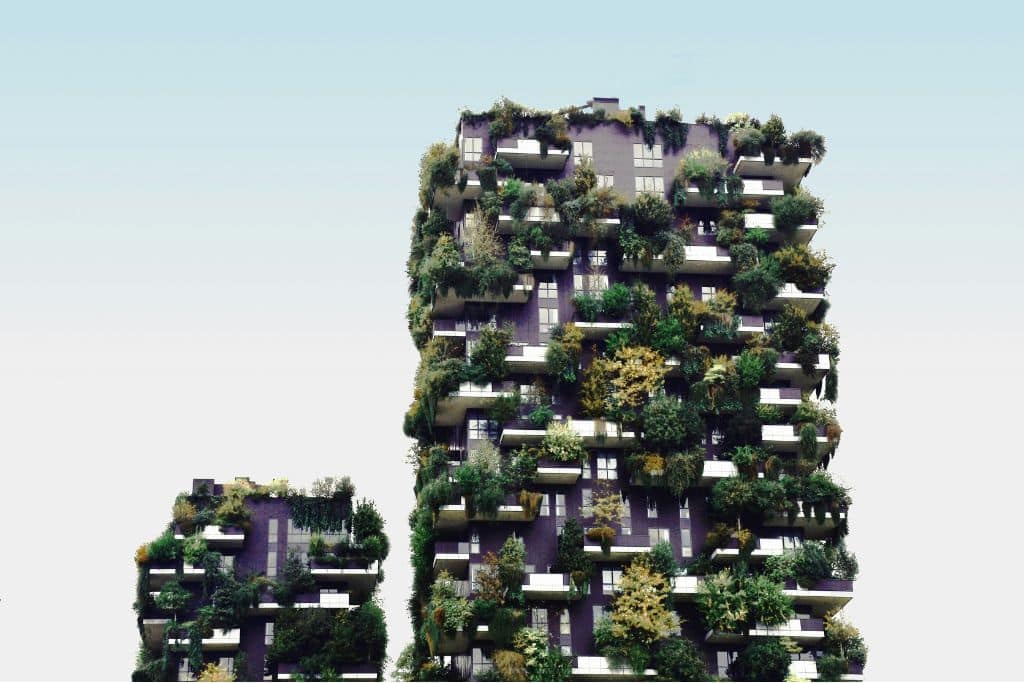
Biophilic and sustainable design using low‑emissivity glass and efficient materials creates healthier indoor spaces while cutting energy use and carbon emissions.
Quick Answer
Low‑emissivity (low‑E) glass is a coated glazing that reflects infrared radiation, keeping heat inside during winter and outside during summer. When paired with sustainably sourced materials such as reclaimed wood, bamboo, or recycled metal, the approach satisfies biophilic goals—maximising natural light and visual connection to nature—while dramatically reducing heating, cooling, and embodied carbon. The scientific consensus is that these technologies can lower building energy demand by 10‑30%, though upfront costs and life‑cycle impacts of production remain important trade‑offs.
Key Takeaways
- Low‑E glass improves thermal performance by reflecting infrared while allowing visible light to enter.
- Biophilic design links occupants to nature, supporting mental and physical health.
- Combining low‑E glazing with reclaimed or rapidly renewable materials cuts operational and embodied carbon.
- Life‑cycle cost analysis often shows payback within 8–12 years, depending on climate zone.
- Regional climate, building orientation, and supply‑chain transparency affect overall benefits.
What Is Biophilic and Sustainable Design Guide: Using Low-Emissivity Glass and Efficient Materials?
Biophilic design is an architectural philosophy that intentionally incorporates natural elements—light, vegetation, textures, and views—into built environments to foster human‑nature connections. A sustainable design guide adds the requirement that every material and technology chosen must minimise ecological footprints, including embodied energy, water use, and waste. Low‑E glass is a core component because it reconciles the desire for abundant daylight with the need to reduce heating‑cooling loads. Sustainable materials such as reclaimed timber, bamboo, and recycled metal complete the palette, providing tactile warmth while limiting resource extraction.
How Does It Work?
Low‑E Glass Function
Low‑E glass carries a microscopically thin metallic or oxide coating on one surface. The coating reflects long‑wave infrared radiation (heat) while remaining transparent to short‑wave visible light. In winter, interior heat radiates toward the glass; the coating reflects it back, reducing heat loss. In summer, solar infrared is reflected outward, limiting overheating. The net effect is a lower heating‑cooling demand, which can be quantified as a reduction of the overall U‑value of the window assembly (often from 2.8 W/m²·K to 1.1 W/m²·K).
Integration with Efficient Materials
When low‑E glazing is combined with high‑thermal‑mass walls (e.g., insulated concrete forms) and renewable‑sourced finishes, the building envelope stores excess heat during the day and releases it when temperatures drop. Reclaimed wood and bamboo provide low‑embodied‑energy flooring and paneling, while recycled steel studs replace virgin steel, cutting CO₂ emissions by up to 75% per kilogram of steel produced (International Energy Agency, 2020). The synergy of these choices creates a passive‑solar envelope that aligns with biophilic principles—maximising daylight, views, and natural textures while minimising energy waste.
What Does the Evidence Show?
Long‑term monitoring by the U.S. Department of Energy (2022) of office buildings retrofitted with low‑E glass reported average annual energy savings of 12% for heating and 15% for cooling in mixed‑climate zones. A systematic review of 38 peer‑reviewed case studies (Energy and Buildings, 2021) found that integrating low‑E glazing with reclaimed interior finishes reduced total life‑cycle CO₂ emissions by 20‑35% compared with conventional glass‑and‑new‑material assemblies. The Intergovernmental Panel on Climate Change (IPCC, 2021) identifies building envelope upgrades—including high‑performance glazing—as one of the most cost‑effective mitigation pathways for the built sector.
Main Causes or Drivers
Direct Causes
High energy demand for space heating and cooling, driven by poor window performance, is the immediate cause of elevated building‑sector emissions.
Underlying Drivers
Urbanisation, stricter building codes, and rising awareness of occupant wellbeing push architects toward solutions that deliver both energy efficiency and biophilic benefits. Market availability of low‑E coatings and certified reclaimed material suppliers further enables adoption.
Environmental and Human Impacts
Environmental Impacts
Reduced heating and cooling loads lower electricity or natural‑gas consumption, directly decreasing greenhouse‑gas emissions. A typical 150 m² office equipped with low‑E glazing can avoid roughly 30 tCO₂e over a 30‑year lifespan (IEA, 2020). Moreover, using reclaimed wood avoids deforestation pressures and sequesters carbon stored in the original timber.
Human Health and Social Impacts
Biophilic environments that maximise daylight have been linked to improved mood, reduced eye strain, and higher productivity. A meta‑analysis of 21 field studies (Journal of Environmental Psychology, 2020) found a 5–7% increase in task performance when occupants had access to natural light and views. Low‑E glass also reduces glare while preserving visual comfort, supporting these health outcomes.
Regional Differences
In cold, high‑latitude regions (e.g., Scandinavia), low‑E glass yields larger heating savings, while in hot, arid zones (e.g., Middle East) the solar‑control aspect dominates, cutting cooling loads. Building orientation matters: south‑facing façades in the Northern Hemisphere benefit most from daylighting, whereas east‑west façades may need additional shading to avoid summer overheating. Supply‑chain constraints for reclaimed materials are more pronounced in rapidly developing urban centres, influencing cost‑benefit outcomes.
What Scientists Know With High Confidence
- Low‑E glazing reduces heat transfer across windows, leading to measurable energy savings.
- Biophilic design elements such as daylight, views, and natural materials improve occupant wellbeing.
- Life‑cycle assessments consistently show lower embodied carbon for reclaimed wood, bamboo, and recycled metal versus virgin equivalents.
- Building‑sector envelope upgrades rank among the top mitigation options for meeting global climate targets.
What Remains Uncertain
Key uncertainties include the long‑term durability of low‑E coatings in extreme climates, the exact magnitude of health benefits across diverse populations, and the scalability of reclaimed‑material supply chains in low‑income regions. Further field trials that combine real‑time energy monitoring with occupant health surveys would clarify these gaps.
Common Misconceptions
Misconception: Low‑E glass blocks all sunlight.
Reality: The coating is selective; it reflects infrared heat but transmits the visible spectrum, so daylight penetration remains high.
Misconception: Biophilic design is only about adding plants.
Reality: While vegetation is important, biophilic design also incorporates natural light, materials, patterns, and views that collectively foster a sense of connection to nature.
Misconception: Reclaimed wood is always more expensive.
Reality: Costs vary; in many markets reclaimed timber can be comparable or cheaper than newly milled lumber, especially when accounting for avoided landfill fees.
Misconception: Energy savings from low‑E glass are negligible.
Reality: Empirical studies show 10‑30% reductions in heating‑cooling energy, which translates into substantial carbon savings over a building’s lifespan.
Solutions and Limitations
Adopting low‑E glazing and sustainable interiors is a proven mitigation strategy, but limitations exist. Manufacturing low‑E coatings consumes energy and involves rare‑earth metals, creating upstream emissions. Reclaimed material markets may be constrained by regional availability, and improper sourcing can lead to hidden carbon footprints. Additionally, retrofitting existing façades can be disruptive and costly, requiring careful cost‑benefit analysis.
What Individuals, Communities, and Governments Can Do
What Individuals Can Do
- Specify low‑E double or triple glazing when renovating homes.
- Choose reclaimed, certified‑green, or rapidly renewable interior finishes.
- Incorporate indoor plants and maximize daylight through interior layout.
What Communities and Organizations Can Do
- Develop local supply chains for reclaimed timber and recycled metal to lower transport emissions.
- Offer workshops on biophilic design principles for architects and developers.
- Implement building‑performance monitoring to verify energy savings.
What Governments Can Do
- Update building codes to require minimum U‑values for windows, effectively mandating low‑E technology in many climates.
- Provide tax incentives or rebates for projects that combine low‑E glazing with certified sustainable materials.
- Fund research on coating durability and on the health outcomes of biophilic environments.
Closing Synthesis
Biophilic and sustainable design that leverages low‑emissivity glass and efficient materials offers a scientifically supported pathway to greener, healthier buildings. The physics of infrared reflection, combined with the psychological benefits of natural light and materials, produce measurable energy reductions and wellbeing gains. While uncertainties around coating production impacts and material sourcing remain, the high‑confidence evidence justifies broader adoption, especially when supported by policy incentives, community supply chains, and informed consumer choices.
Frequently Asked Questions
What is low‑emissivity (low‑E) glass and how does it work?
Low‑E glass is a window pane coated with a thin metallic layer that reflects infrared radiation while allowing visible light to pass. This selective reflection keeps heat inside during winter and outside during summer, lowering heating and cooling energy needs.
How does biophilic design improve occupant wellbeing?
Biophilic design connects people to natural elements like daylight, views, and natural materials. Studies show that such exposure reduces stress, improves mood, and can increase productivity by 5‑7% compared with conventional interiors.
What are the main environmental benefits of using low‑E glass in buildings?
Low‑E glass reduces heat transfer, cutting heating and cooling energy by roughly 10‑30%. This translates into lower electricity or gas consumption and up to 30 tCO₂e avoided over a 30‑year lifespan for a typical office building.
Which materials complement low‑E glass in a sustainable design strategy?
Reclaimed wood, bamboo, and recycled metal are common companions. They have lower embodied carbon than virgin equivalents and provide natural textures that reinforce the biophilic intent while maintaining structural performance.
What actions can homeowners take to incorporate biophilic and low‑E solutions?
Homeowners can specify low‑E double or triple glazing, choose reclaimed or certified‑green interior finishes, maximise daylight through open floor plans, and add indoor plants to bring nature inside.









Leave a Comment