
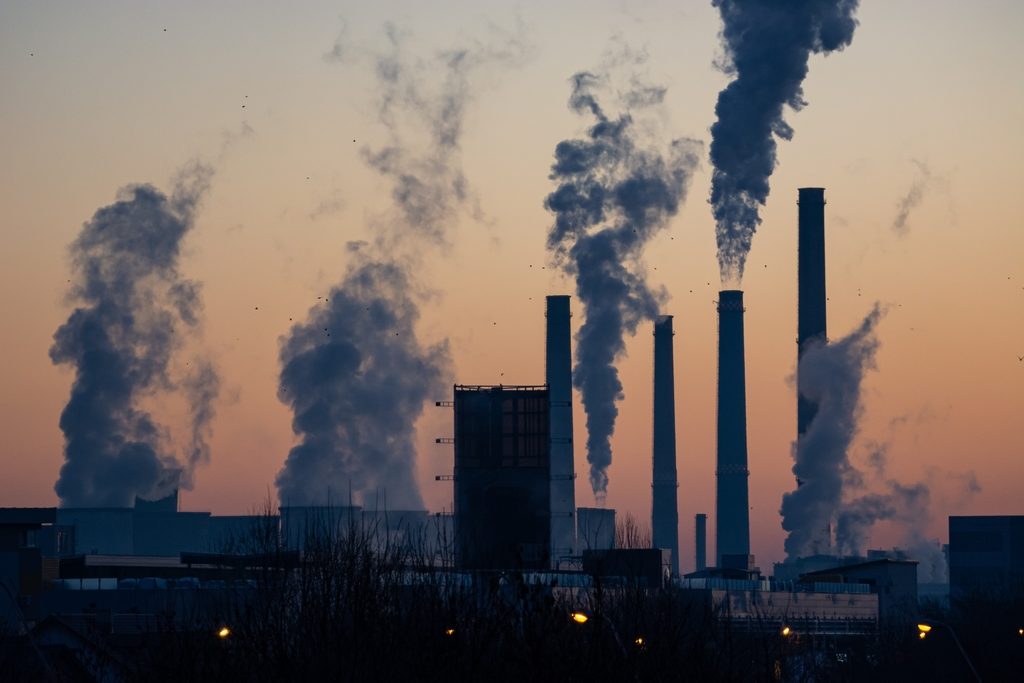
Natural gas power plants emit less CO2 than coal when burned, but methane leaks, water use, habitat disruption, and health risks make them far from a clean energy solution.
Quick Answer
Natural gas is a fossil fuel composed mainly of methane; when burned in power plants it releases about 50% less carbon dioxide than coal, but the full supply chain leaks methane—a greenhouse gas with a warming potential over 80 times that of CO2 over 20 years. These leaks, combined with water‑intensive extraction, habitat fragmentation, and community health impacts, mean that the climate advantage of gas can be erased or even reversed. Scientists therefore conclude that relying on natural‑gas plants hinders the deep emissions cuts needed to meet the Paris Agreement goals.
Key Takeaways
- Methane leakage during extraction and transport can offset the CO2 benefit of gas‑fired electricity.
- Hydraulic fracturing uses large water volumes and can contaminate groundwater.
- Pipeline construction fragments habitats and threatens biodiversity.
- Nearby communities experience air‑quality and noise impacts that affect health.
- Renewable technologies are increasingly cost‑competitive and avoid these risks.
What Is What’s Wrong With Using Natural Gas for Power Plants?
Natural‑gas power generation refers to the combustion of methane‑rich gas to spin turbines that produce electricity. The term encompasses a range of facilities, from large combined‑cycle plants that achieve efficiencies above 60% to smaller peaker plants that run only during high‑demand periods. While the combustion phase emits less CO2 per megawatt‑hour than coal, the broader system—exploration, drilling, processing, compression, and pipeline transport—creates additional emissions and environmental pressures that are often overlooked.
How Does It Work?
1. Extraction and Processing
Natural gas is obtained by drilling into underground formations. In many regions, hydraulic fracturing (fracking) injects water, sand, and chemicals at high pressure to release gas trapped in shale. The extracted gas is then separated from liquids and impurities before entering the transport network.
2. Transmission and Distribution
Processed gas travels through high‑pressure pipelines to compressor stations, which boost pressure to move the gas over long distances. Each compressor consumes energy—often from the gas itself—and can be a source of methane slip.
3. Power Generation
At the power plant, gas is burned in a combustion turbine. The hot gases drive a turbine connected to a generator. Combined‑cycle designs capture waste heat to produce additional electricity, improving overall efficiency.
What Does the Evidence Show?
Multiple lines of evidence converge on a similar picture. The Intergovernmental Panel on Climate Change (IPCC) 2021 report notes that a supply‑chain leakage rate above 3% eliminates the climate benefit of gas relative to coal. Independent field measurements by the U.S. Environmental Protection Agency (EPA) and the European Environment Agency (EEA) have documented leak rates ranging from 1% to 7% in major basins. A 2022 systematic review in *Environmental Science & Technology* found that methane emissions from fracking sites in the United States average 2.5% of total production, with higher rates in older wells. Long‑term monitoring by NOAA shows that regions with dense gas infrastructure experience elevated ground‑level ozone, a known respiratory irritant.
Main Causes or Drivers
Direct Causes
- Well‑bore integrity failures leading to fugitive methane emissions.
- Incomplete combustion in older turbines, producing carbon monoxide and nitrogen oxides.
- Water contamination from chemicals used in fracking fluid.
Underlying Drivers
- Policy incentives that subsidize natural‑gas extraction.
- Market demand for flexible, dispatchable electricity to balance intermittent renewables.
- Insufficient regulatory monitoring of methane leaks.
Environmental and Human Impacts
Environmental Impacts
- Climate: Methane’s 20‑year global warming potential (GWP) is 84–87 times that of CO2, making leaks a potent climate driver.
- Air Quality: NOx and VOC emissions from combustion contribute to ozone formation, affecting downwind ecosystems.
- Water Resources: Fracking can consume millions of gallons of water per well and risk contaminating aquifers with brine and chemicals.
- Biodiversity: Pipeline corridors fragment habitats, increase road mortality for wildlife, and facilitate invasive species spread.
Human Health and Social Impacts
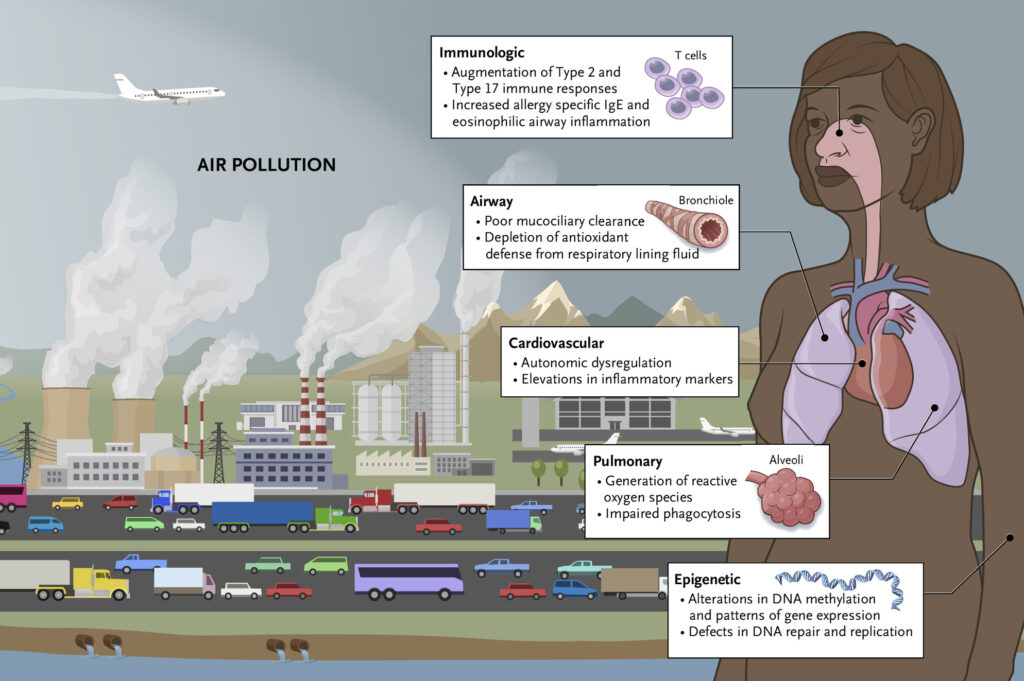
- Elevated exposure to NOx and particulate matter is linked to asthma exacerbations, especially in children.
- Noise and light pollution from compressor stations reduce quality of life for nearby residents.
- Economic booms from gas development are often followed by busts, creating social instability in rural communities.
Regional Differences
Leakage rates and water stress vary by region. In the U.S. Marcellus Shale (Northeast), EPA estimates average leaks of 2.5%, while in the Permian Basin (Southwest) rates can exceed 5% due to older infrastructure. In arid regions of Australia, fracking water use competes with local agriculture, intensifying scarcity. Conversely, in Europe’s mature gas network, stringent leak detection programs have reduced emissions to below 1% in many countries.
What Scientists Know With High Confidence
- Methane leakage above ~3% nullifies the CO2 advantage of natural‑gas electricity over coal.
- Hydraulic fracturing consumes large volumes of water and can introduce contaminants into groundwater.
- Combustion of natural gas emits nitrogen oxides that contribute to ground‑level ozone formation.
- Renewable electricity sources such as wind and solar have lower life‑cycle greenhouse‑gas emissions than gas.
What Remains Uncertain
Key uncertainties include the exact magnitude of methane leaks in regions lacking robust monitoring, the long‑term durability of well‑bore seals, and the effectiveness of emerging leak‑detection technologies at scale. Additionally, the socioeconomic outcomes of transitioning from gas‑dependent economies to renewable‑focused ones remain under‑studied, especially in low‑income regions.
Common Misconceptions
Misconception: Natural gas is a “clean” fuel because it burns hotter.
Reality: While combustion produces less CO2 per unit of energy, methane leaks across the supply chain can offset or outweigh that benefit.
Misconception: All methane leaks are small and insignificant.
Reality: Field studies show that leaks can range from 1% to over 7% of total production, a range that dramatically changes the climate impact.
Misconception: Fracking only affects the drilling site.
Reality: Contaminated water can travel through groundwater pathways, and air‑borne chemicals can disperse miles from the well pad.
Solutions and Limitations
Several strategies can reduce the harms of gas‑fired power, but each has constraints.
- Leak Detection and Repair (LDAR): Advanced infrared cameras can locate leaks, yet widespread implementation requires costly retrofits and rigorous enforcement.
- Carbon Capture and Storage (CCS): Capturing CO2 from plant exhaust can cut emissions, but CCS adds capital expense, consumes energy, and has limited deployment.
- Transition to Renewables: Solar and wind prices have fallen below $50/MWh in many markets, but grid integration needs storage and transmission upgrades.
- Regulatory Caps on Methane: Setting strict leak‑percentage limits can drive improvements, but enforcement varies across jurisdictions.
What Individuals, Communities, and Governments Can Do
What Individuals Can Do
- Choose electricity plans that source power from renewables when available.
- Support policies that fund methane‑monitoring programs.
- Reduce personal energy use through efficiency upgrades (LED lighting, smart thermostats).
What Communities and Organizations Can Do
- Partner with local universities to conduct independent air‑quality monitoring near gas facilities.
- Advocate for transparent reporting of gas production volumes and leak rates.
- Develop community‑owned renewable projects to replace local gas generation.
What Governments Can Do
- Implement and enforce a national methane emissions limit (e.g., 1% of production).
- Provide incentives for replacing peaker gas plants with battery storage or demand‑response programs.
- Fund research into low‑leak extraction technologies and rapid‑deployment CCS pilots.
Synthesis
Natural‑gas power plants were marketed as a bridge between coal and clean energy, but the full life‑cycle analysis shows that methane leaks, water stress, habitat loss, and health impacts undermine that narrative. High‑confidence science demonstrates that without stringent leak controls, gas offers little climate advantage. Uncertainties around regional leak rates and the socioeconomic transition remain, but the evidence favours accelerating renewable deployment while tightening methane regulations. In the long run, moving away from fossil‑fuel‑based generation—natural gas included—offers the most reliable path to meeting climate and public‑health goals.
Frequently Asked Questions
Why is natural gas considered less clean than it appears?
Because methane leaks during extraction and transport can cancel out the lower carbon dioxide emissions from burning the gas, making its overall climate impact comparable to or worse than coal.
What is the main greenhouse‑gas advantage of natural‑gas plants?
Natural‑gas plants emit roughly 50% less carbon dioxide per megawatt‑hour than coal plants when the gas is burned, but this advantage depends on keeping supply‑chain methane leaks below about 3%.
How does hydraulic fracturing affect water resources?
Fracking uses millions of gallons of water per well and can introduce chemicals and brine into groundwater, creating risks to drinking water supplies and increasing local water stress.
What actions can governments take to reduce the harms of natural‑gas power?
Governments can set strict methane‑leak limits, fund leak‑detection technology, incentivize replacing gas peaker plants with batteries or demand‑response, and support research on carbon capture and low‑leak extraction methods.
Are renewable energy sources now cheaper than natural‑gas power?
In many markets, the levelized cost of electricity from solar and wind has fallen below $50 per megawatt‑hour, making renewables cost‑competitive with new natural‑gas plants, especially when accounting for external environmental costs.




Leave a Comment