

The thermal maximum is the projected global‑average temperature rise—typically 1.5 °C to 2 °C above pre‑industrial levels—where climate feedbacks become self‑reinforcing, making warming harder to stop and raising the risk of irreversible impacts.
Quick Answer
The thermal maximum refers to a global‑average surface temperature increase, usually expressed as a range above the 1850‑1900 pre‑industrial baseline, at which positive feedbacks such as ice‑albedo loss, permafrost methane release, and water‑vapor amplification accelerate warming faster than linear projections. The Intergovernmental Panel on Climate Change (IPCC) AR6 (2021) indicates that crossing roughly 1.5 °C to 2 °C could trigger these runaway processes, increasing the likelihood of severe climate impacts. While the exact threshold is uncertain, staying below 1.5 °C markedly reduces the probability of reaching the thermal maximum.
Key Takeaways
- Thermal maximum marks the point where climate feedbacks amplify warming beyond linear trends.
- Current global average temperature is about 1.2 °C above pre‑industrial levels (NASA GISTEMP, 2023).
- Key feedbacks include ice‑albedo loss, permafrost methane release, and water‑vapor amplification.
- Crossing 1.5 °C–2 °C raises the risk of irreversible ecosystem changes and extreme weather.
- Rapid emissions cuts, carbon‑removal strategies, and resilient adaptation are required to stay below the threshold.
What Is the Thermal Maximum of Current Global Warming?
The term “thermal maximum” describes a climatic tipping point where the Earth’s energy balance shifts from a relatively stable regime to one dominated by self‑reinforcing feedbacks. It is not a single local temperature, but a global‑average surface temperature increase relative to the 1850‑1900 pre‑industrial baseline. Unlike climate sensitivity, which quantifies temperature response to a doubling of CO₂, the thermal maximum focuses on the point at which system‑wide stress becomes self‑amplifying, making it difficult to reverse without large‑scale negative emissions.
How Does It Work?
1. Radiative Imbalance Grows
Human emissions of CO₂, methane, and other greenhouse gases trap infrared radiation, creating a net positive radiative forcing. The excess energy raises surface and ocean temperatures, establishing the initial warming signal.
2. Amplifying Feedback Loops
As temperatures rise, several feedbacks intensify the imbalance:
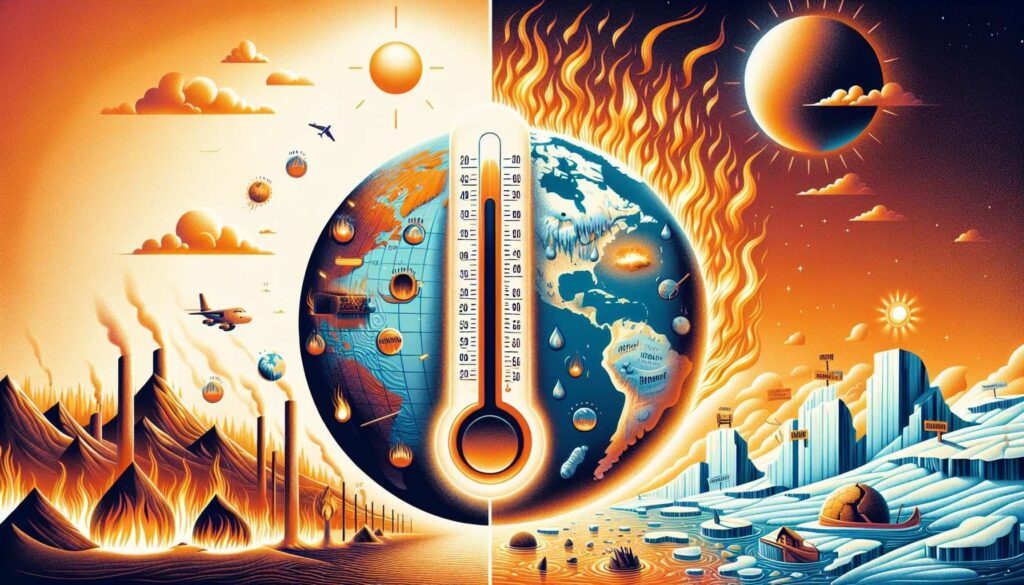
- Ice‑Albedo Feedback: Melting snow and sea ice expose darker ocean or land surfaces, lowering planetary albedo and absorbing more solar energy.
- Permafrost and Methane‑Hydrate Release: Thawing permafrost releases stored methane and CO₂, adding potent greenhouse gases to the atmosphere.
- Water‑Vapor Feedback: Warmer air holds more water vapor, a strong greenhouse gas that further amplifies warming.
- Vegetation and Carbon‑Cycle Feedback: Heat stress and drought reduce forest carbon uptake and increase fire emissions, turning ecosystems from carbon sinks into sources.
3. Approaching a Threshold
When these feedbacks strengthen, the climate system can reach a thermal maximum where additional warming occurs faster than the original forcing. At that point, reversing warming would require large‑scale negative emissions or a substantial reduction in forcing.
What Does the Evidence Show?
Multiple independent lines of evidence converge on a thermal maximum near the 1.5 °C–2 °C range:
- Observational Records: Satellite and surface data from NASA and NOAA document a warming trend of about 0.2 °C per decade since the late 20th century.
- Paleoclimate Reconstructions: The Eocene and Pliocene epochs, with CO₂ concentrations comparable to today, experienced global temperatures 3 °C–5 °C higher, accompanied by massive ice loss and ecosystem reorganization (IPCC, 2021).
- Model Intercomparison Projects (CMIP6): Simulations show rapid escalation of sea‑ice loss and permafrost carbon release once global warming exceeds ~1.5 °C.
- Attribution Studies: Empirical analyses link the increasing frequency of extreme heatwaves and marine heatwaves to crossing the 1.0 °C–1.5 °C threshold.
These sources—observations, paleoclimate analogues, and model ensembles—provide moderate to strong confidence that a thermal maximum is plausible within the next few decades if emissions continue on a high‑emissions pathway.
Main Causes or Drivers
Direct Human Causes
- Fossil‑fuel combustion (≈ 73 % of CO₂ emissions, IEA, 2022).
- Deforestation and land‑use change, which diminish carbon sinks.
- Industrial processes emitting methane, nitrous oxide, and fluorinated gases.
Underlying Drivers
- Economic models reliant on carbon‑intensive energy.
- Population growth and urban expansion increasing energy demand.
- Policy inertia and limited global coordination on emissions reductions.
Environmental and Human Impacts
Environmental Impacts
- Accelerated glacier and ice‑sheet melt, contributing to projected sea‑level rise of 0.3 m–0.5 m by 2100 under high‑emissions scenarios.
- Expansion of marine heatwaves, threatening coral reefs and fisheries.
- Shifts in biome boundaries, such as boreal forests converting to shrublands.
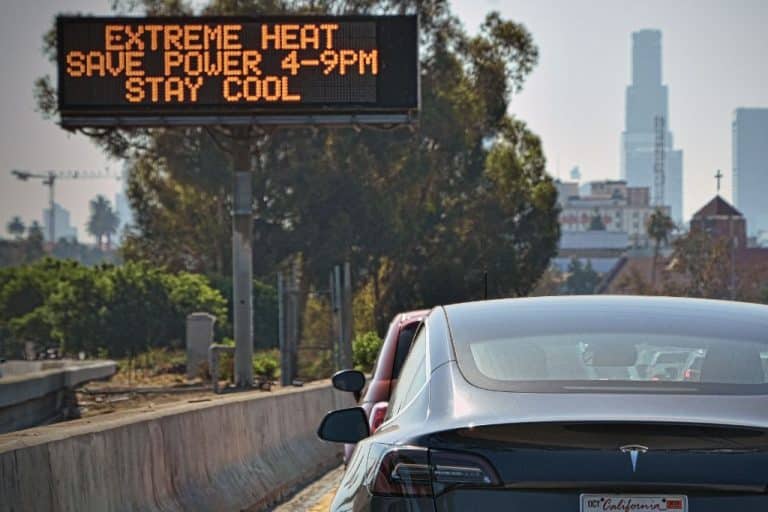
- Increased frequency of extreme events—heatwaves, droughts, and intense precipitation.
Human Health and Social Impacts
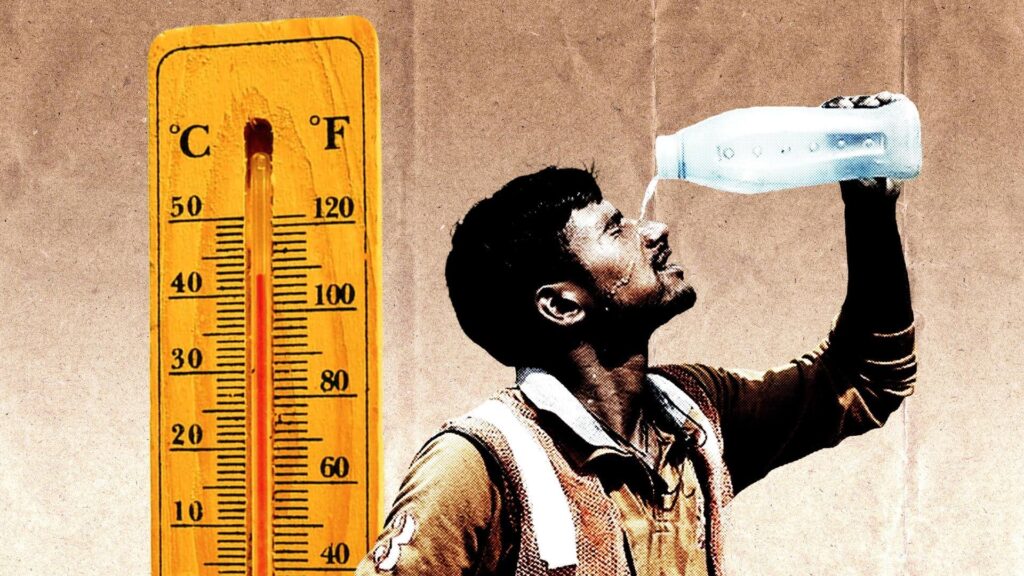
- Higher heat‑related mortality, especially among older adults and outdoor workers.
- Water scarcity intensifying in arid and semi‑arid regions, affecting agriculture and drinking supplies.
- Displacement of communities from low‑lying coastal zones, creating climate‑driven migration.
- Economic losses from damaged infrastructure and reduced crop yields, disproportionately affecting low‑income populations.
Regional Differences
Impacts vary because of geography, climate, and adaptive capacity:
- Arctic: Permafrost thaw is fastest, releasing large methane stores and accelerating local warming.
- Tropics: Heat stress and reduced rainfall threaten food security; many small‑island states face sea‑level rise.
- Mid‑latitudes: Increased storm intensity and flooding affect urban infrastructure.
- Low‑income regions: Limited resources constrain adaptation, raising vulnerability to extreme events.
What Scientists Know With High Confidence
What Scientists Know With High Confidence
- Global average temperature has risen about 1.2 °C above pre‑industrial levels (NASA GISTEMP, 2023).
- Human activities are the dominant cause of observed warming since the mid‑20th century.
- Positive feedbacks such as ice‑albedo loss and water‑vapor amplification exist and accelerate warming.
- Exceeding 1.5 °C substantially increases the risk of crossing irreversible climate thresholds.
What Remains Uncertain
What Remains Uncertain
Key uncertainties include the exact magnitude and timing of permafrost carbon release, the response of the Greenland and Antarctic ice sheets to sustained warming, and the socioeconomic pathways that will shape future emissions. These gaps affect precise projections of when the thermal maximum might be reached, but they do not alter the overall conclusion that rapid mitigation reduces the probability of crossing it.
Common Misconceptions
Common Misconceptions
Misconception: The thermal maximum is a single, fixed temperature.
Reality: It represents a range (approximately 1.5 °C–2 °C) where multiple feedbacks become self‑reinforcing; the exact point varies among climate components.
Misconception: Past warm periods mean the current rise is harmless.
Reality: Earlier warm epochs, such as the Eocene, unfolded over millions of years, allowing ecosystems to adapt. The present rate of change is far faster, limiting natural adaptation.
Misconception: Small emissions cuts can fully prevent the thermal maximum.
Reality: Minor reductions only delay the threshold. Avoiding it requires deep, near‑term cuts consistent with net‑zero pathways.
Solutions and Limitations
Effective responses combine mitigation and adaptation:
- Rapid Decarbonization: Transition to renewable electricity, electrify transport, and improve energy efficiency. Limitation: Requires massive infrastructure investment and strong policy support.
- Carbon Dioxide Removal (CDR): Afforestation, soil carbon sequestration, and direct‑air capture. Limitation: Scale, cost, and land‑use conflicts constrain immediate impact.
- Preserving High‑Albedo Surfaces: Protecting Arctic sea ice and snow cover through aggressive emissions cuts. Limitation: Effectiveness depends on staying below temperature thresholds.
- Adaptation Measures: Flood defenses, drought‑resilient agriculture, and heat‑action plans. Limitation: Does not reduce warming and can be expensive for vulnerable regions.
What Individuals, Communities, and Governments Can Do
What Individuals Can Do
- Choose low‑carbon transportation (public transit, cycling, electric vehicles) where feasible.
- Reduce household energy use through insulation, efficient appliances, and smart thermostats.
- Support policies and leaders that prioritize climate‑neutral goals.
What Communities and Organizations Can Do
- Develop local climate‑action plans that include renewable energy projects and green infrastructure.
- Invest in climate‑resilient water management and heat‑mitigation landscaping.
- Facilitate education and capacity‑building for climate‑smart agriculture.
What Governments Can Do
- Implement carbon pricing to internalize the cost of emissions.
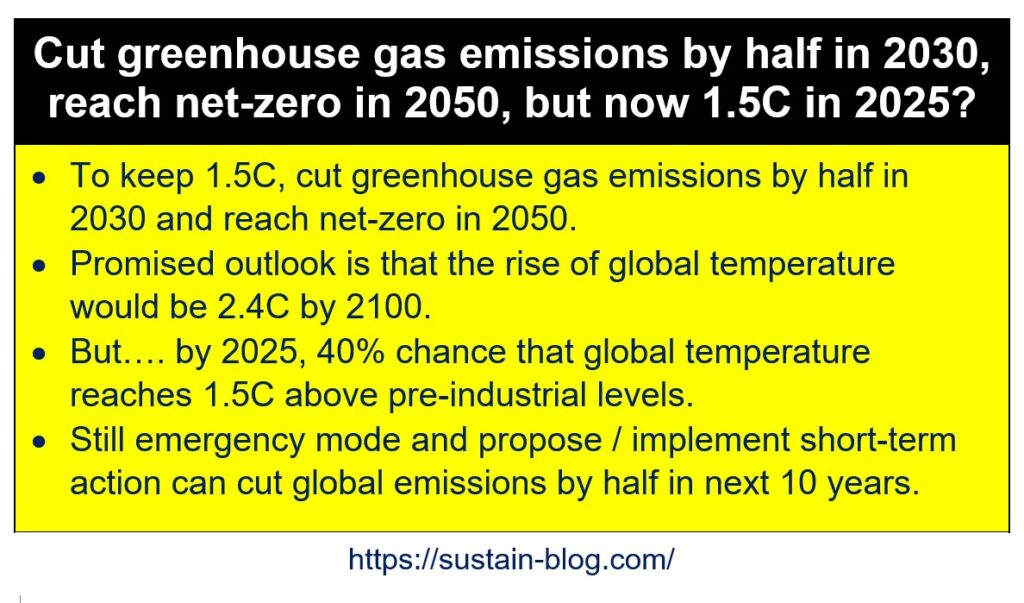
- Set legally binding net‑zero targets aligned with the 1.5 °C pathway (IPCC, 2021).
- Fund large‑scale renewable energy deployment, public transit, and research & development for CDR technologies.
- Provide financial and technical support to low‑income nations for adaptation.
Closing Synthesis
The thermal maximum of current global warming marks the point where climate feedbacks could drive rapid, self‑reinforcing temperature increases. Robust observations, paleoclimate analogues, and model ensembles indicate that staying below roughly 1.5 °C–2 °C greatly reduces the chance of crossing this threshold. While uncertainties remain—particularly regarding permafrost carbon release—high‑confidence findings underscore the urgency of deep emissions cuts and resilient adaptation. By combining systemic policy action with targeted community and individual measures, societies can lower the probability of reaching the thermal maximum and protect ecosystems and human well‑being for future generations.
Frequently Asked Questions
What does the term "thermal maximum" mean in climate science?
The thermal maximum is the projected range of global‑average temperature increase—about 1.5 °C to 2 °C above pre‑industrial levels—at which positive feedbacks like ice‑albedo loss and permafrost methane release begin to amplify warming faster than linear projections.
Why is the 1.5 °C to 2 °C range considered critical?
Crossing this range increases the likelihood that self‑reinforcing feedbacks become dominant, making it harder to reverse warming and raising the risk of severe, potentially irreversible impacts such as rapid sea‑level rise and ecosystem collapse.
Which feedback mechanisms contribute most to the thermal maximum?
Key feedbacks include ice‑albedo loss, permafrost and methane‑hydrate release, water‑vapor amplification, and reduced carbon uptake by stressed vegetation, all of which add extra greenhouse gases or trap more heat.
What are the biggest uncertainties about reaching the thermal maximum?
Uncertainties involve the timing and magnitude of permafrost carbon release, the response of the Greenland and Antarctic ice sheets, and future socioeconomic pathways that determine emissions, which affect precise projections of when the threshold might be crossed.
What actions can individuals take to help avoid the thermal maximum?
Individuals can lower personal carbon footprints by using low‑carbon transport, improving home energy efficiency, and supporting climate‑positive policies and leaders, which together contribute to the broader emissions reductions needed.






Leave a Comment