

Global warming is the long‑term rise in Earth’s average temperature caused by human‑generated greenhouse gases, and it drives sea‑level rise, extreme weather, biodiversity loss, and health risks.
Quick Answer
Global warming refers to the sustained increase in the planet’s average surface temperature due to the buildup of heat‑trapping gases—primarily carbon dioxide (CO₂) and methane (CH₄)—in the atmosphere. The primary mechanism is the enhanced greenhouse effect, where these gases absorb infrared radiation and prevent heat from escaping to space. Scientific assessments, such as the IPCC Sixth Assessment Report (2021), conclude with high confidence that human activities are the dominant driver. The most consequential impact is a cascade of climate‑related changes, including rising seas, more intense heatwaves, and heightened risks to ecosystems and human health, although the exact timing of specific thresholds remains uncertain.
Key Takeaways
- Human‑driven emissions of CO₂, CH₄, and other greenhouse gases have raised global average temperature by about 1.1 °C since pre‑industrial times (IPCC, 2021).
- Sea level is projected to rise 0.3–0.8 m by 2100 under most emission scenarios, threatening coastal communities worldwide.
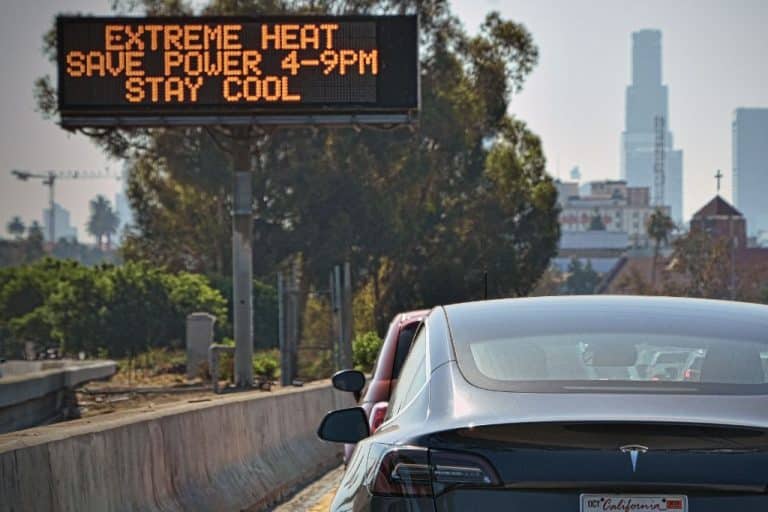
- Extreme heat, drought, and heavy‑rain events are becoming more frequent and severe, affecting food security and water supplies.
- Biodiversity loss accelerates as habitats shift faster than many species can adapt, increasing extinction risk.
- Mitigation (reducing emissions) and adaptation (building resilience) are both essential, but each faces technical, economic, and equity challenges.
What Is Global Warming—and What Are Its Most Dangerous Impacts?
Global warming describes the long‑term upward trend in Earth’s average surface temperature caused primarily by the accumulation of greenhouse gases (GHGs) in the atmosphere. Unlike short‑term weather fluctuations, this warming reflects a shift in the planet’s energy balance: more solar energy is absorbed than is radiated back to space. The term differs from “climate change,” which encompasses broader shifts in climate patterns, including precipitation and wind, whereas global warming focuses on temperature rise.
How Does It Work?
1. Solar radiation reaches the surface.
Sunlight (short‑wave radiation) passes through the atmosphere and warms land, oceans, and air.
2. Earth emits infrared radiation.
Warm surfaces radiate long‑wave infrared energy upward. Greenhouse gases absorb a portion of this radiation.
3. Re‑emission traps heat.
Absorbed energy is re‑radiated in all directions, including back toward the surface, creating a warming “blanket.” This is the natural greenhouse effect, essential for life, but human‑added GHGs amplify it.
4. Feedback loops intensify warming.
Examples include:
- Melting Arctic sea ice reduces surface albedo, causing more solar absorption.
- Permafrost thaw releases additional CH₄ and CO₂.
- Warmer air holds more water vapor, a potent greenhouse gas.
These feedbacks can accelerate warming beyond the direct effect of emissions.
What Does the Evidence Show?
Multiple, independent lines of evidence confirm global warming:
- Instrumental temperature records from surface stations, satellites, and ocean buoys show a global mean increase of ~1.1 °C since 1850 (NOAA, 2023).
- Atmospheric composition measurements reveal CO₂ concentrations rising from ~280 ppm pre‑industrial to 421 ppm in 2023 (NOAA ESRL, 2024).
- Ice core data illustrate the tight correlation between past CO₂ levels and temperature over glacial‑interglacial cycles.
- Attribution studies using climate models attribute >95 % of the observed warming since 1950 to human activities (IPCC, 2021).
- Observed impacts such as higher frequency of heatwaves, glacier retreat, and shifting phenology (e.g., earlier flowering) align with model projections.
These observations are corroborated by peer‑reviewed systematic reviews and the consensus statements of major scientific bodies.
Main Causes or Drivers
Direct Human Causes
- Fossil‑fuel combustion for electricity, transport, and industry, responsible for ~75 % of CO₂ emissions (IEA, 2023).
- Deforestation and land‑use change release stored carbon and reduce the land sink.
- Industrial processes such as cement production emit CO₂ directly.
- Agriculture generates CH₄ from livestock digestion and rice paddies, and nitrous oxide (N₂O) from fertilizer use.
Amplifying Natural Factors
- Variations in solar irradiance are minor compared with the observed warming trend.
- Volcanic eruptions inject aerosols that temporarily cool the climate, but their net effect is short‑lived.
Environmental and Human Impacts
Environmental Impacts
- Sea‑level rise: Thermal expansion and melting of glaciers contribute to a global rise of about 20 cm since 1900; IPCC projects 0.3–0.8 m by 2100 under intermediate scenarios.
- Extreme weather: Heatwaves, heavy precipitation, and tropical cyclones have increased in intensity, as shown by NOAA’s climate extremes index.
- Biodiversity loss: Species’ geographic ranges are shifting poleward and upward; the IUCN reports that climate change now threatens 17 % of assessed species.
- Ocean acidification: Absorbing ~30 % of anthropogenic CO₂ lowers pH, impairing calcifying organisms like corals and shellfish.
Human Health and Social Impacts
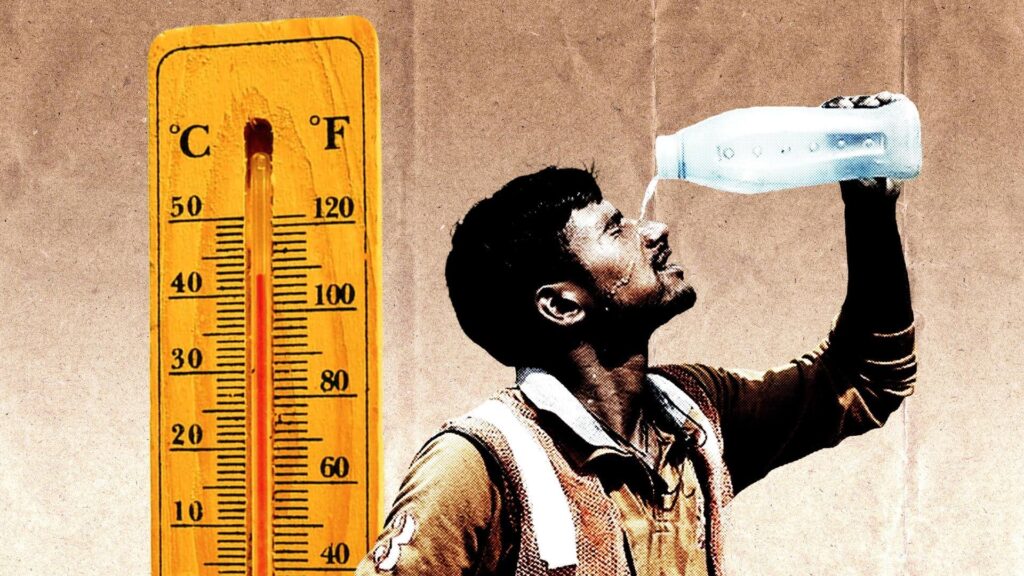
- Heat‑related mortality rises with each degree of warming; a 2022 WHO analysis links >250,000 additional deaths per year to heat stress.
- Vector‑borne diseases (e.g., malaria, dengue) expand their geographic range as temperatures become suitable for mosquitoes.
- Food security is threatened by heat stress on crops, reduced yields in tropical regions, and increased irrigation demand.
- Coastal flooding displaces populations, creating climate‑related migration (“climate refugees”).
Economic and Infrastructure Impacts
- Storm damage and flood repair costs have risen sharply; the World Bank estimates climate‑related losses of $520 billion per year by 2030 under high‑emission pathways.
- Infrastructure built on permafrost or low‑lying coasts faces accelerated degradation.
Regional Differences
Impacts are not uniform:
- Arctic: Temperatures are rising more than twice the global average, leading to rapid sea‑ice loss.
- Small Island Developing States: Sea‑level rise threatens entire nations, with Maldives and Kiribati already planning relocation.
- Sub‑Saharan Africa: Increased drought frequency stresses agriculture and water supplies.
- Europe: Heatwaves are becoming more common, while winter snowfall declines in many mountain regions.
Vulnerability depends on exposure, adaptive capacity, and socioeconomic factors, meaning low‑income and marginalized communities often bear the greatest burden.
What Scientists Know With High Confidence
- Human activities are the dominant cause of observed warming since the mid‑20th century.
- The planet has warmed by roughly 1.1 °C relative to pre‑industrial levels.
- Continued emissions will lead to further warming, sea‑level rise, and more frequent extreme heat events.
- Feedbacks such as ice‑albedo loss and permafrost thaw will amplify warming.
What Remains Uncertain
Key uncertainties include the magnitude of carbon uptake by oceans and forests, the exact timing of potential “tipping points” such as large‑scale ice‑sheet collapse, and regional precipitation responses under different emission pathways. These gaps affect the precision of long‑term projections but do not alter the overall conclusion that warming will continue if emissions are not sharply reduced.
Common Misconceptions
Misconception: Global warming is just a short‑term temperature fluctuation.
Reality: Climate is defined as average conditions over 30 years or more. The observed rise exceeds natural variability and aligns with greenhouse‑gas increases.
Misconception: Only polar regions are affected.
Reality: While the Arctic warms fastest, heatwaves, droughts, and sea‑level rise impact every continent and ocean basin.
Misconception: Individual lifestyle changes can solve the problem alone.
Reality: Personal actions matter, especially when they drive market demand, but systemic emission reductions from energy, transport, and industry are essential for meeting climate goals.
Misconception: Renewable energy cannot meet global demand.
Reality: Studies by the International Energy Agency (2023) show that renewables already supply over 30 % of electricity and can scale further with storage and grid upgrades.
Misconception: Climate models are guesses.
Reality: Models are based on physical laws and have successfully reproduced past climate trends, providing a credible basis for future projections.
Solutions and Limitations
Addressing global warming requires a mix of mitigation (reducing emissions) and adaptation (building resilience).
- Decarbonizing energy: Shifting from coal, oil, and gas to wind, solar, and nuclear reduces CO₂ at source. Limitations include intermittency, material demand for batteries, and the need for transmission upgrades.
- Energy efficiency: Improving building insulation, industrial processes, and vehicle fuel economy cuts demand. Savings can be modest without supportive policies.
- Reforestation and avoided deforestation: Restoring forests sequesters carbon, but effectiveness depends on land tenure, biodiversity outcomes, and permanence.
- Carbon pricing: Taxes or cap‑and‑trade create economic incentives, yet political feasibility varies across jurisdictions.
- Adaptation measures: Flood defenses, drought‑resilient crops, and early‑warning systems reduce vulnerability. These do not lower atmospheric GHG concentrations and can be costly.
- Research and technology development: Innovations such as green hydrogen, carbon capture, and climate‑smart agriculture hold promise but often face scaling, cost, and energy‑use challenges.
What Individuals, Communities, and Governments Can Do
What Individuals Can Do
- Reduce high‑carbon travel (fly less, use public transit, consider electric vehicles).
- Improve home energy efficiency (insulation, LED lighting, programmable thermostats).
- Support policies and companies that prioritize renewable energy and carbon pricing.
- Adopt low‑waste habits (reduce, reuse, recycle) to lower embedded emissions.
What Communities and Organizations Can Do
- Develop local climate action plans that include renewable energy targets and green infrastructure.
- Invest in community solar projects and energy‑efficiency retrofits for public buildings.
- Promote climate‑resilient land use, such as preserving wetlands for flood mitigation.
What Governments Can Do
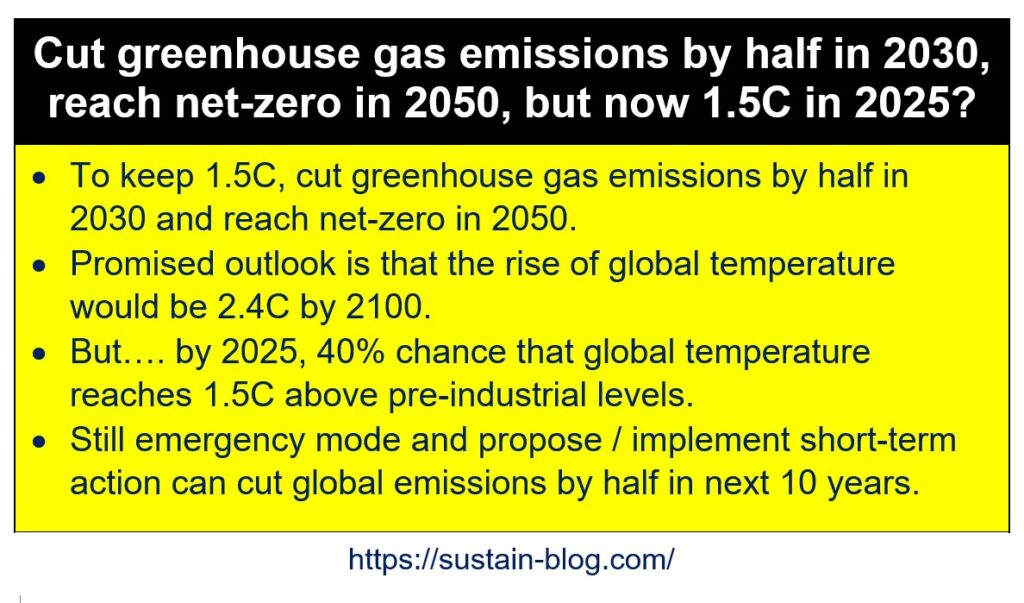
- Set nationally determined contributions (NDCs) that aim for net‑zero emissions by mid‑century, as outlined in the Paris Agreement.
- Implement carbon pricing mechanisms and phase out subsidies for fossil fuels.
- Fund research, monitoring, and capacity‑building in vulnerable regions.
- Enforce building codes that require low‑carbon construction and resilience standards.
Synthesis
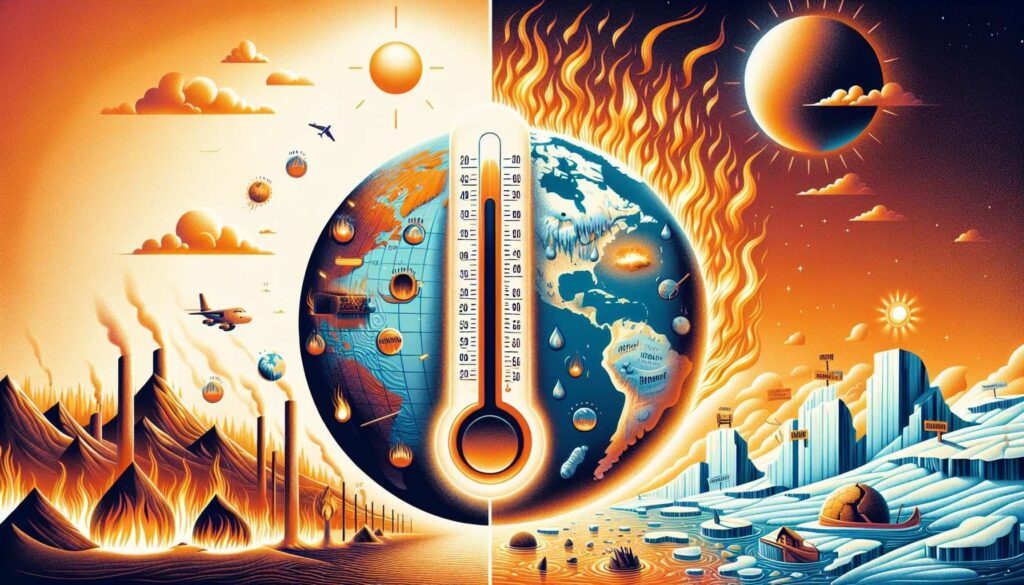
Global warming is a well‑documented, human‑driven increase in Earth’s average temperature that triggers sea‑level rise, more extreme weather, biodiversity loss, and health risks. Robust observational data and climate‑model attribution give scientists high confidence in these findings, while uncertainties remain around the timing of certain tipping points and regional precipitation changes. Mitigation—through rapid decarbonization, energy efficiency, and nature‑based solutions—paired with adaptation measures, offers the most effective pathway to limit dangerous impacts. Collective action across individuals, communities, and governments is essential; no single effort can replace systemic change, but coordinated steps can keep warming below the most hazardous thresholds.
Frequently Asked Questions
What is the scientific definition of global warming?
Global warming is the long‑term increase in Earth’s average surface temperature caused primarily by the buildup of heat‑trapping gases such as carbon dioxide and methane in the atmosphere.
How do greenhouse gases trap heat and cause warming?
Greenhouse gases absorb infrared radiation emitted by Earth’s surface and re‑emit it in all directions, including back toward the surface, creating a warming blanket that raises global temperatures.
What are the most dangerous impacts of global warming?
The most dangerous impacts include rising sea levels, more frequent and intense heatwaves, extreme precipitation and storms, accelerated biodiversity loss, and increased health risks from heat and vector‑borne diseases.
Which human activities contribute most to global warming?
Burning fossil fuels for electricity, transport, and industry, deforestation, cement production, and agriculture (livestock methane and fertilizer nitrous oxide) are the largest sources of greenhouse‑gas emissions.
What actions can governments take to limit global warming?
Governments can set ambitious net‑zero targets, implement carbon pricing, phase out fossil‑fuel subsidies, invest in renewable energy and energy efficiency, and fund climate‑resilient infrastructure.






Leave a Comment