
Energy conservation means using less energy through smarter, more efficient practices, helping lower emissions, reduce costs, and protect natural resources for current and future generations.
\n
Quick Answer
\n
Energy conservation is the intentional reduction of energy use by improving efficiency and altering behavior, thereby decreasing the amount of fuel or electricity required for a given service. It works by matching demand with the minimum necessary supply, often through technology upgrades, better building design, or simple habit changes. The scientific consensus is that widespread conservation can cut global CO₂ emissions by several gigatons per year, while also delivering measurable cost savings for households and businesses. Uncertainty remains around the exact magnitude of future savings because it depends on policy incentives and adoption rates.
\n
\n
Key Takeaways
\n
- \n
- Energy conservation focuses on using less energy without compromising needed services.
- Efficiency gains—such as LED lighting or high‑efficiency appliances—are the most reliable way to conserve energy.
- Behavioral changes, like turning off idle devices, often provide immediate savings.
- Policy measures and community programs amplify individual actions and create systemic reductions.
- Conservation reduces greenhouse‑gas emissions, lowers utility bills, and eases pressure on fossil‑fuel resources.
\n
\n
\n
\n
\n
\n
\n
What Is Energy Conservation? A Beginner-Friendly Guide?
\n
At its core, energy conservation refers to the practice of deliberately lowering energy consumption while maintaining the same level of comfort, productivity, or output. It encompasses two related ideas: energy efficiency—using technology that delivers the same service with less energy—and sustainable use, which means meeting present needs without compromising the ability of future generations to meet theirs. Energy conservation differs from “energy saving” that simply means turning off a device temporarily; it involves systematic choices that reduce overall demand.
\n
Why it matters: the International Energy Agency (IEA) reported that in 2022 global energy‑related CO₂ emissions were roughly 33 gigatonnes, and that efficiency measures could account for up to 40 % of the emissions reductions needed to meet the Paris Agreement goals (IEA, 2023). Reducing demand also lessens the strain on electricity grids, curbs air‑pollutant releases, and lowers household energy expenses.
\n
How Does It Work?
\n
Physical and Technological Mechanisms
\n
Energy is conserved when a system requires less input to perform the same function. For example, an LED bulb converts about 80 % of electrical power into visible light, whereas an incandescent bulb converts less than 10 %, the rest being wasted as heat. Replacing the incandescent with an LED therefore cuts the electricity needed for lighting by roughly 75 %.
\n
Behavioral and Operational Strategies
\n
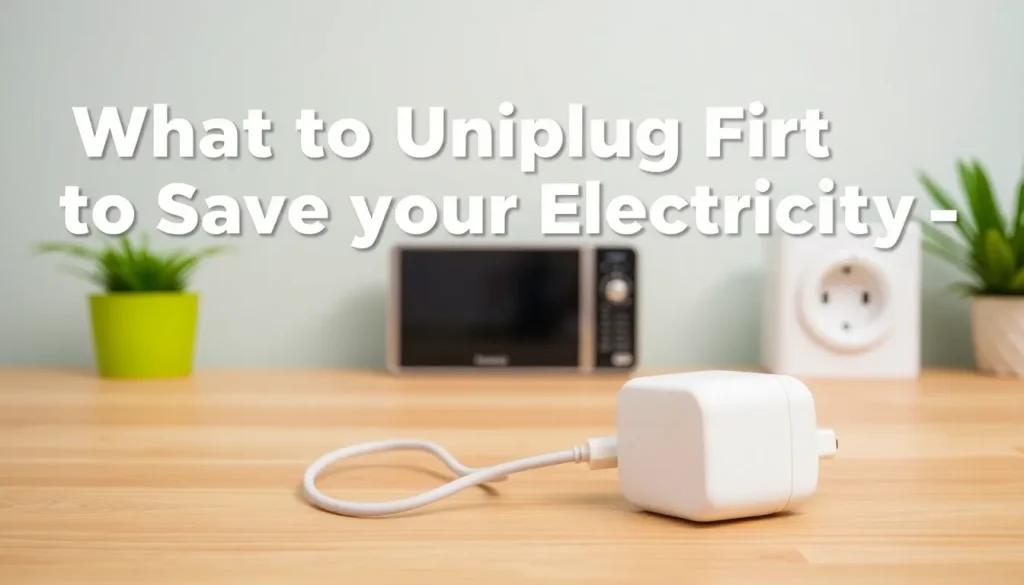
Human decisions shape demand. Simple actions—such as setting thermostats 1–2 °C lower in winter, using natural daylight, or unplugging chargers when not in use—reduce the average power draw of a household. Studies by the U.S. Environmental Protection Agency (EPA) show that these habits can cut residential electricity use by 5–15 %.
\n
Systemic and Policy Levers
\n
Governments can embed conservation into building codes, appliance standards, and utility pricing structures. The European Union’s “Energy‑Efficiency Directive” mandates a 32.5 % improvement in primary energy consumption by 2030, driving large‑scale retrofits and product redesigns across member states.
\n
What Does the Evidence Show?
\n
Long‑term monitoring by national statistical agencies indicates that countries with strict efficiency standards have consistently lower per‑capita energy use despite rising incomes. A meta‑analysis of 45 peer‑reviewed studies (IEA, 2021) found that average energy‑efficiency improvements account for 30–45 % of the observed emissions decline in OECD nations over the past two decades.
\n
Field experiments in residential settings confirm that smart thermostats can reduce heating and cooling energy by 10–12 % without sacrificing comfort (U.S. Department of Energy, 2020). Likewise, large‑scale building retrofits in Germany’s “Energiewende” program have saved an estimated 3 TWh of electricity annually (German Federal Ministry for Economic Affairs, 2022).
\n
Main Causes or Drivers
\n
Direct Causes
\n
- \n
- Reliance on fossil‑fuel‑based electricity generation.
- Inefficient appliances and lighting technologies.
- Building envelopes with poor insulation.
\n
\n
\n
\n
Underlying Drivers
\n
- \n
- Economic growth increasing overall demand for energy services.
- Policy gaps that fail to set minimum efficiency standards.
- Consumer awareness and access to information.
\n
\n
\n
\n
Environmental and Human Impacts
\n
Environmental Impacts
\n
Reducing energy demand directly lowers the amount of fuel burned, decreasing CO₂, NOₓ, and SO₂ emissions. The Intergovernmental Panel on Climate Change (IPCC) notes that energy‑efficiency measures are a “low‑cost, high‑impact” mitigation option, capable of averting up to 2 GtCO₂ yr⁻¹ by 2030 if fully implemented (IPCC, 2022).
\n
Human Health and Social Impacts
\n
Lower emissions improve air quality, reducing respiratory illnesses. EPA’s 2021 health impact assessment linked a 10 % reduction in electricity‑related PM₂.₅ to approximately 2,000 fewer premature deaths in the United States each year.
\n
Economic and Infrastructure Impacts
\n
Energy‑conserving upgrades often have short payback periods. The U.S. Energy Information Administration (EIA) estimates that an average home energy audit yields a 15 % reduction in utility bills, equating to roughly $300 savings per year (EIA, 2022).
\n
Regional Differences
\n
In temperate climates, space‑heating accounts for up to 60 % of residential energy use, making insulation and efficient heating systems especially impactful (IEA, 2023). In hot, arid regions, cooling dominates; here, high‑efficiency air‑conditioning and reflective roofing can cut electricity demand by 20 % (World Bank, 2021). Developing economies often face a trade‑off between expanding access and maintaining efficiency; however, early adoption of efficient cookstoves in India has already reduced household fuel consumption by 30 % (International Renewable Energy Agency, 2020).
\n
What Scientists Know With High Confidence
\n
- \n
- Energy‑efficiency improvements reliably reduce overall energy demand.
- Conservation measures lower greenhouse‑gas emissions and air‑pollutant releases.
- Cost‑effective technologies (LEDs, high‑efficiency appliances) are widely available.
- Policy incentives accelerate adoption and amplify impact.
\n
\n
\n
\n
\n
\n
What Remains Uncertain
\n
Key uncertainties include the future rate of technology adoption in low‑income regions, the rebound effect where efficiency gains lead to increased usage, and the precise magnitude of emissions avoided when large‑scale behavior change is combined with policy measures. Better longitudinal data on consumer behavior and more granular emissions accounting would reduce these gaps.
\n
\n
Common Misconceptions
\n
Misconception: Energy conservation means sacrificing comfort.
\n
Reality: Most conservation actions—such as upgrading to LED lighting or improving insulation—maintain or even enhance comfort while using less energy.
\n
Misconception: Only large industrial facilities can make a difference.
\n
Reality: Residential and small‑business actions collectively account for a substantial share of total demand; widespread adoption of efficient appliances can shift national consumption curves.
\n
Misconception: Renewable energy alone solves the problem.
\n
Reality: While renewables reduce the carbon intensity of supply, conserving energy lessens the amount of generation needed, making the transition to clean power faster and cheaper.
\n
Misconception: Energy efficiency is always cheaper than renewable generation.
\n
Reality: The cost‑effectiveness of efficiency versus new generation depends on local electricity prices, technology costs, and policy incentives; both approaches are complementary.
\n
Misconception: Turning off a device for a few minutes saves significant energy.
\n
Reality: Standby power accounts for about 5–10 % of household electricity; while turning off devices helps, larger savings come from upgrading to efficient models and improving building envelopes.
\n
\n
Solutions and Limitations
\n
Effective solutions combine technology, behavior, and policy. Upgrading to ENERGY STAR‑rated appliances offers immediate savings, but upfront costs can be a barrier for low‑income households. Smart‑grid technologies enable demand‑response programs, yet they require robust data privacy safeguards. Building codes enforce minimum performance, but retrofitting existing stock is costly and logistically complex. Incentive programs (rebates, tax credits) improve uptake, but must be carefully designed to avoid market distortions.
\n
What Individuals, Communities, and Governments Can Do
\n
What Individuals Can Do
\n
- \n
- Replace incandescent bulbs with LEDs.
- Use programmable thermostats and set sensible temperature ranges.
- Unplug chargers and power strips when devices are not in use.
- Seal windows and doors to reduce heating‑cooling losses.
- Choose ENERGY STAR or equivalent appliances.
\n
\n
\n
\n
\n
\n
What Communities and Organizations Can Do
\n
- \n
- Organize neighborhood energy audits and bulk‑purchase rebate programs.
- Develop community solar or micro‑grid projects to share clean generation.
- Implement local ordinances that require efficiency standards for new construction.
- Run public‑education campaigns highlighting simple behavioral changes.
\n
\n
\n
\n
\n
What Governments Can Do
\n
- \n
- Adopt and enforce minimum energy‑performance standards for appliances and buildings.
- Provide targeted subsidies for low‑income households to finance retrofits.
- Integrate demand‑side management into utility regulation.
- Invest in research and development for next‑generation efficiency technologies.
- Report national energy‑use trends transparently to guide policy.
\n
\n
\n
\n
\n
\n
Closing Synthesis
\n
Energy conservation is the practice of delivering the same services with less energy, primarily through efficiency upgrades, smarter behavior, and supportive policies. Robust evidence from the IPCC, IEA, and numerous national studies confirms that conservation cuts emissions, saves money, and improves air quality. While uncertainties remain around adoption rates and rebound effects, the high‑confidence findings underscore that conservation is a cornerstone of any sustainable energy strategy. By aligning individual habits, community initiatives, and government policies, societies can achieve meaningful reductions in energy demand, paving the way for a cleaner, more resilient future.
Frequently Asked Questions
What is the definition of energy conservation?
Energy conservation is the intentional reduction of energy use by improving efficiency and changing behavior, so that the same services are delivered with less fuel or electricity.
How does energy conservation differ from simply turning off lights?
Turning off lights is a short‑term action, while energy conservation involves systematic choices—such as efficient appliances, better insulation, and optimized operating practices—that lower overall demand over the long term.
What are the most effective actions households can take to conserve energy?
Households can achieve large savings by replacing incandescent bulbs with LEDs, installing programmable thermostats, sealing windows and doors, unplugging unused devices, and choosing ENERGY STAR‑rated appliances.
How does energy conservation contribute to climate change mitigation?
By reducing the amount of electricity or fuel needed, conservation cuts greenhouse‑gas emissions from power plants and transportation, which the IPCC identifies as a low‑cost, high‑impact mitigation option.
What are the main challenges in implementing energy conservation at a community level?
Challenges include financing retrofits for low‑income residents, coordinating large‑scale upgrades, overcoming split incentives between owners and tenants, and ensuring policies are enforced while respecting privacy and equity concerns.







Leave a Comment