
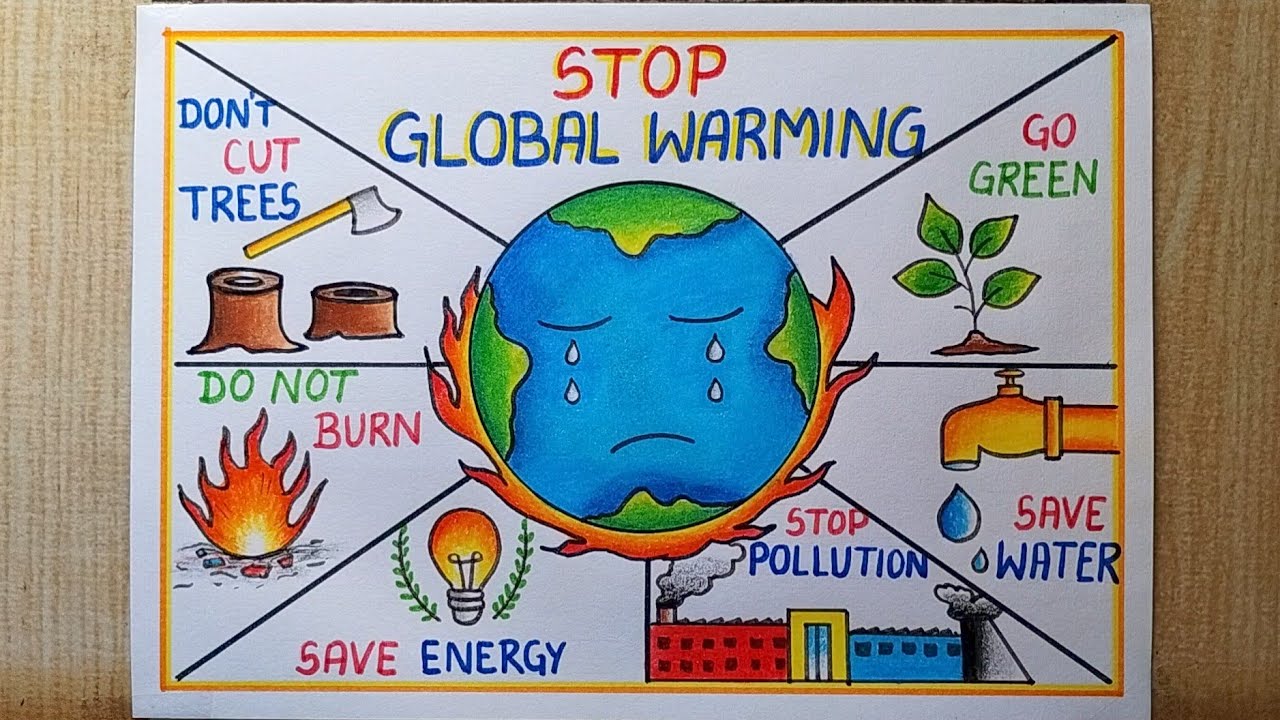
Global warming – the long‑term rise in Earth’s average surface temperature – triggers the broader set of changes known as climate change, and understanding this sequence clarifies why both terms matter for ecosystems and societies.
Quick Answer
Global warming is the initial driver: increasing concentrations of greenhouse gases such as carbon dioxide and methane raise the planet’s average temperature. This temperature rise alters precipitation patterns, wind regimes, and the frequency of extreme events, which together constitute climate change. The scientific consensus, expressed in the IPCC Sixth Assessment Report (2021), is that warming precedes and intensifies climate variability. While the exact timing of specific impacts can vary regionally, the causal chain from warming to broader climate shifts is well supported, though uncertainties remain about thresholds and feedback strength.
Key Takeaways
- Global warming describes the rise in average surface temperature caused by greenhouse‑gas buildup.
- Climate change encompasses all related changes in weather patterns, ecosystems and societal impacts.
- Warming precedes climate change; the former fuels the latter through physical feedbacks.
- Evidence from long‑term observations, satellite records and attribution studies is robust.
- Mitigation targets greenhouse‑gas emissions, while adaptation prepares for inevitable climate effects.
What Is What Comes First: Global Warming or Climate Change?
Global warming is a specific, measurable increase in Earth’s average surface temperature, primarily driven by anthropogenic greenhouse‑gas emissions since the Industrial Revolution. Climate change, by contrast, refers to the suite of alterations in the climate system—including shifts in precipitation, storm tracks, and seasonal cycles—that arise because a warmer atmosphere changes how energy is distributed across the planet. The two concepts are linked: without the temperature increase, the broader suite of changes would not occur at the observed scale.
How Does It Work?
1. Greenhouse‑Gas Accumulation
Burning coal, oil and natural gas releases carbon dioxide (CO₂) and methane (CH₄) into the atmosphere. These gases absorb infrared radiation, trapping heat that would otherwise escape to space. Satellite observations from NASA and NOAA show a steady rise in atmospheric CO₂ from ~315 ppm in 1958 to over 420 ppm in 2023.
2. Surface‑Temperature Rise
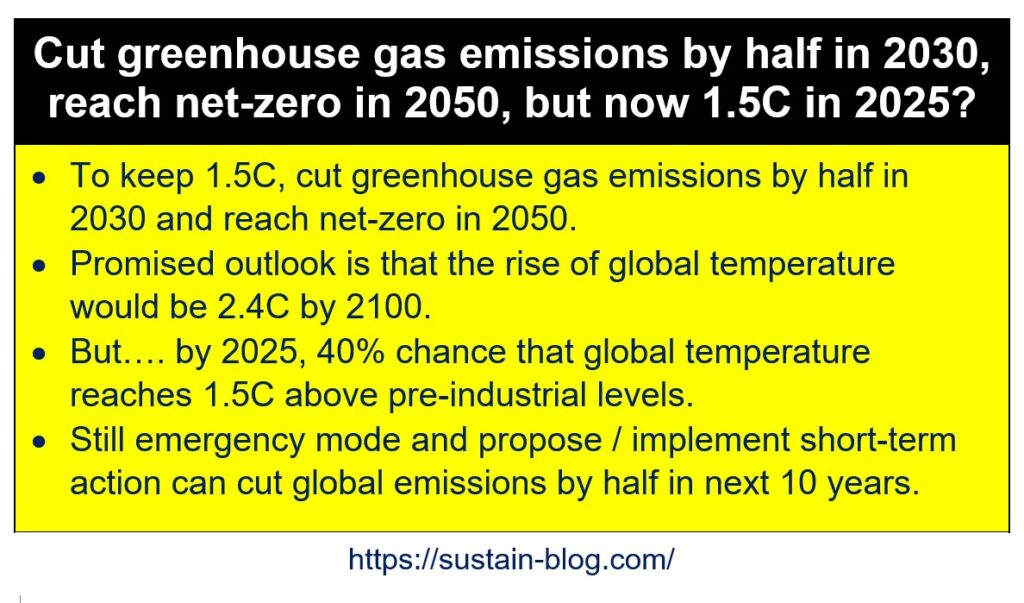
The trapped heat raises global mean surface temperature. The IPCC reports a 1.1 °C increase in the 2011–2020 decade compared with the pre‑industrial baseline (1850‑1900). This warming is not uniform; land warms faster than oceans, and high latitudes experience amplified changes.
3. Climate‑System Feedbacks
Warmer air holds more moisture, enhancing the greenhouse effect (water‑vapour feedback). Melting ice reduces albedo, causing more solar absorption. Permafrost thaw releases additional CH₄, creating a positive feedback loop that further accelerates warming.
4. Emergence of Climate Change
As the baseline temperature shifts, atmospheric circulation patterns adjust. This leads to altered precipitation (e.g., intensified monsoons, prolonged droughts), changes in jet‑stream position, and higher frequency of extreme events such as heatwaves and tropical cyclones. These manifestations are collectively labeled climate change.
What Does the Evidence Show?
Multiple independent lines of evidence converge on the warming‑first narrative. Instrumental temperature records, spanning more than 150 years, demonstrate a clear upward trend. Paleoclimate reconstructions (e.g., ice cores, tree rings) confirm that recent warming exceeds natural variability of the past millennium. Attribution studies using climate‑model ensembles attribute >95 % of the observed warming since 1950 to anthropogenic emissions (IPCC, 2021). In parallel, long‑term monitoring of precipitation, storm intensity and sea‑level rise shows statistically significant changes that align temporally with the temperature increase, indicating that warming drives these broader climate shifts.
Main Causes or Drivers
Direct Causes
- Combustion of fossil fuels for energy, transport and industry.
- Agricultural practices that emit CH₄ (enteric fermentation) and N₂O (fertilizer use).
- Land‑use change, especially deforestation, which reduces carbon sinks.
Underlying Drivers
- Economic growth models that prioritize short‑term output over carbon accounting.
- Population increase and urbanization that raise energy demand.
- Policy environments that lack carbon pricing or enforce weak emission standards.
Environmental and Human Impacts
Environmental Impacts
- Accelerated glacier and ice‑sheet melt contributes to sea‑level rise, threatening coastal habitats.
- Shifts in phenology cause mismatches between pollinators and flowering plants.
- Ocean warming and acidification stress coral reefs and marine food webs.
Human Health and Social Impacts
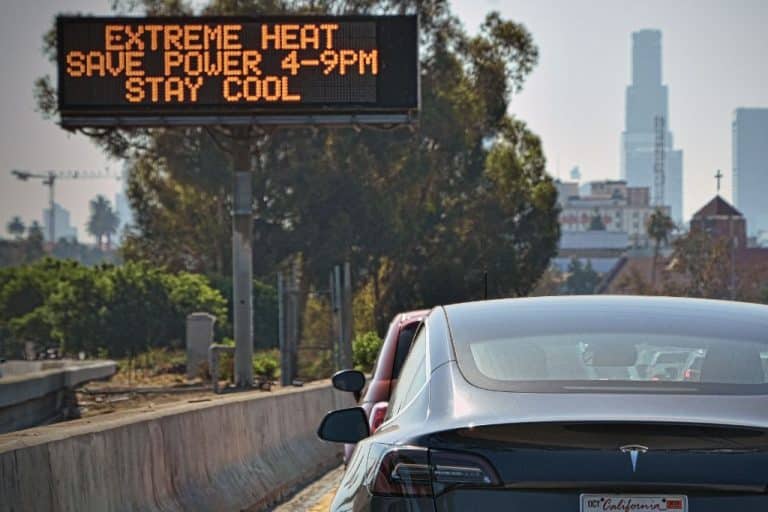
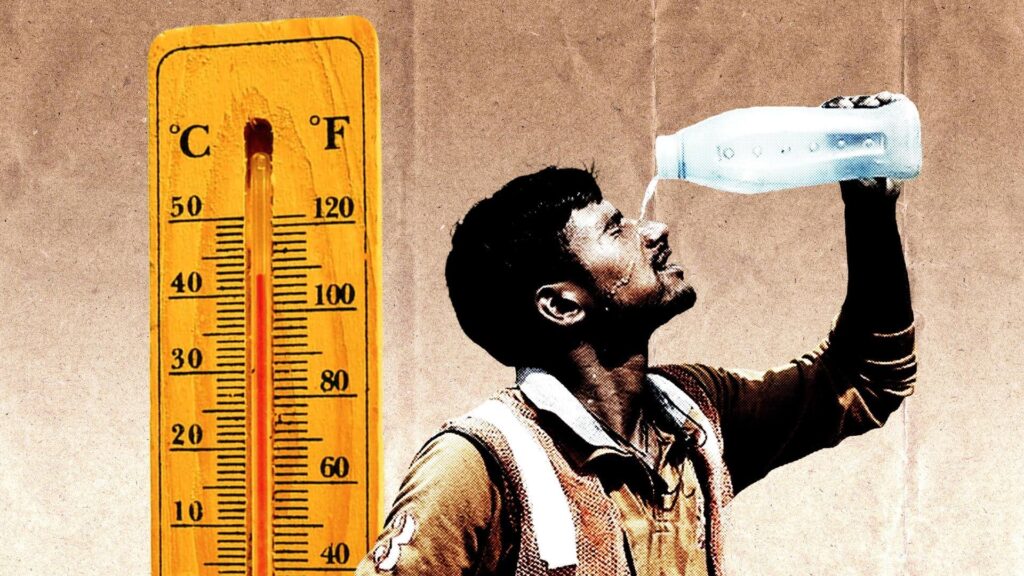
- Heatwaves increase mortality risk, especially among older adults and outdoor workers.
- Changes in vector‑borne disease ranges (e.g., dengue, malaria) are linked to warmer temperatures.
- Agricultural yield variability heightens food‑security concerns in vulnerable regions.
Economic and Infrastructure Impacts
- Increased frequency of extreme storms raises repair costs for buildings and utilities.
- Rising sea levels necessitate costly flood‑defense investments.
- Water scarcity pressures irrigation systems and hydroelectric generation.
Regional Differences
Impact magnitude varies with geography. Tropical regions experience intensified precipitation extremes and heightened disease risk, while high‑latitude areas see the fastest temperature rise and permafrost thaw. Small island states confront sea‑level rise that threatens entire nations, whereas interior continental zones may face prolonged droughts that affect agriculture. These patterns reflect differences in baseline climate, land‑surface characteristics and adaptive capacity.
What Scientists Know With High Confidence
- Human activities are the dominant cause of the observed increase in atmospheric greenhouse gases.
- Global average surface temperature has risen by about 1 °C since pre‑industrial times.
- Warming has already contributed to more frequent and intense heatwaves.
- Sea level has risen by roughly 20 cm since 1900, driven by thermal expansion and ice melt.
- Continued emissions will likely lead to further warming and associated climate changes.
What Remains Uncertain
Key uncertainties involve the magnitude of climate‑feedback processes such as permafrost carbon release, cloud‑cover responses, and the exact temperature thresholds that trigger abrupt changes in ocean circulation. Regional projections—especially for precipitation in the tropics—show higher model spread, limiting precise planning. These gaps do not undermine the core conclusion that warming drives climate change, but they affect the timing and scale of specific impacts.
Common Misconceptions
Misconception: Global warming and climate change are interchangeable terms.
Reality: Global warming describes the rise in average temperature; climate change refers to the broader set of changes—including altered rainfall, storm patterns and ecosystem responses—that result from that warming.
Misconception: Individual lifestyle choices alone can stop climate change.
Reality: Personal actions matter but must be coupled with systemic emission reductions from energy, industry and policy to achieve the scale required for meaningful mitigation.
Misconception: Because climate varies naturally, current changes are not a concern.
Reality: Natural variability operates on decadal to centennial scales, whereas the rapid temperature increase seen since the mid‑20th century exceeds the range of natural fluctuations documented in paleoclimate records.
Solutions and Limitations
Effective responses combine mitigation—reducing greenhouse‑gas emissions—and adaptation—preparing for unavoidable changes. Mitigation strategies include rapid deployment of renewable electricity, energy‑efficiency standards, and protecting carbon sinks such as forests. Their limitations involve upfront capital costs, intermittency of some renewables and the time needed for reforested lands to sequester carbon.
Adaptation measures range from building flood‑resilient infrastructure to developing drought‑tolerant crops. While these actions can reduce vulnerability, they do not address the root cause of warming and may be constrained by economic resources, land availability and social acceptance.
What Individuals, Communities, and Governments Can Do
What Individuals Can Do
- Prioritize energy‑efficient appliances and home insulation to lower personal carbon footprints.
- Choose low‑carbon transportation options (public transit, cycling, electric vehicles where feasible).
- Support policies that price carbon or fund renewable projects through voting and advocacy.
What Communities and Organizations Can Do
- Develop local climate action plans that integrate renewable energy, green space and resilient water management.
- Invest in community‑scale solar or wind installations to reduce reliance on fossil‑fuel grids.
- Implement early‑warning systems for heatwaves and floods to protect vulnerable residents.
What Governments Can Do
- Set ambitious, legally binding emission‑reduction targets aligned with the Paris Agreement.
- Provide subsidies or tax incentives for clean‑energy technologies and energy‑efficiency retrofits.
- Fund climate‑research networks and monitoring stations to improve data on uncertainties.
Synthesis
Global warming initiates the cascade of changes that we label climate change. Robust observations, modeling and attribution studies confirm this causal order, while uncertainties persist mainly in the strength of feedbacks and regional climate projections. Mitigation reduces the driver—greenhouse‑gas emissions—whereas adaptation manages the effects that are already unavoidable. Coordinated action across individuals, communities, industry and governments offers the most realistic pathway to limit warming, protect ecosystems and safeguard human well‑being.
Frequently Asked Questions
What is the difference between global warming and climate change?
Global warming refers specifically to the long‑term increase in Earth's average surface temperature caused by greenhouse‑gas emissions, while climate change includes all related changes such as shifting precipitation patterns, more extreme weather events and ecosystem impacts that result from that warming.
Does global warming happen before climate change?
Yes. Scientific evidence shows that the rise in average temperature (global warming) precedes and drives the broader set of alterations known as climate change, as described in the IPCC Sixth Assessment Report (2021).
What are the main human activities that cause global warming?
The primary drivers are the combustion of fossil fuels for energy, transport and industry; agricultural emissions of methane and nitrous oxide; and land‑use changes like deforestation that reduce the planet's ability to absorb carbon dioxide.
How can communities adapt to climate change impacts?
Communities can develop climate‑action plans, invest in renewable energy projects, improve water‑management systems, and create early‑warning networks for heatwaves and floods to reduce vulnerability and enhance resilience.
Why is there still uncertainty about future climate impacts?
Uncertainties remain around feedback mechanisms such as permafrost carbon release, cloud responses, and regional precipitation projections, which affect the precise timing and magnitude of future climate changes.





Leave a Comment