
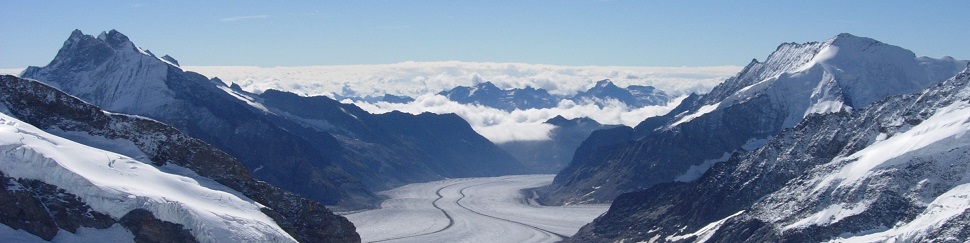
Glacier melt adds freshwater to the oceans, raising global sea level; understanding how, why, and what it means helps societies plan for coastal risks.
\n\n
Quick Answer
\n
Glaciers are long‑lived ice bodies that lose mass when surface melt, basal melt, or iceberg calving exceed snowfall accumulation. The excess water flows directly into the world’s oceans, contributing to global mean sea‑level rise. Satellite gravimetry from NASA’s GRACE mission and the IPCC Sixth Assessment Report (2021) indicate that glaciers added roughly 0.27 m of sea‑level rise between 2000 and 2019, a contribution that will continue as long as temperatures rise. The main implication is a steady increase in coastal water levels, heightening flood risk worldwide, while future rates depend on greenhouse‑gas emissions and ice‑sheet dynamics.
\n
\n\n
Key Takeaways
\n
- \n
- Glaciers hold about 69 % of the planet’s freshwater and currently contribute ~0.27 m to sea‑level rise.
- Mass loss occurs through surface melt, basal melt, and iceberg calving, all accelerated by warmer air and ocean temperatures.
- Satellite observations (GRACE, ICESat‑2, CryoSat‑2) provide strong, consistent evidence of accelerating glacier mass loss.
- Regional impacts vary: low‑lying islands face immediate inundation, while mountain communities may lose vital summer meltwater.
- Mitigation of greenhouse‑gas emissions and adaptation of coastal infrastructure are both essential, but each faces cost, equity, and feasibility challenges.
\n
\n
\n
\n
\n
\n
\n\n
What Is Understanding Glacier Contribution to Sea‑Level Rise?
\n
The phrase describes the scientific study of how mass loss from glaciers—both alpine glaciers and the massive ice sheets of Greenland and Antarctica—adds freshwater to the oceans. It involves measuring changes in ice volume, identifying physical mechanisms that drive melt, and quantifying the resulting rise in global mean sea level. Unlike thermal expansion, which is the warming‑induced increase in water volume, glacier melt adds new water that was previously stored on land. Understanding this process matters because rising seas threaten coastal ecosystems, human settlements, and freshwater supplies that depend on glacier runoff.
\n\n
How Does It Work?
\n
Energy‑Balance Shift
\n
Higher atmospheric temperatures increase the amount of solar and long‑wave radiation absorbed by glacier surfaces, while warmer ocean waters melt the margins of marine‑terminating glaciers.
\n
Surface Melt and Refreezing
\n
During melt seasons, snow and ice turn to water; some of this water refreezes in the porous firn layer, but the net excess runs off into streams that reach the sea.
\n
Basal Melt and Subglacial Drainage
\n
Warm water that circulates at the glacier base can melt ice from below, speeding glacier flow toward the ocean.
\n
Iceberg Calving
\n
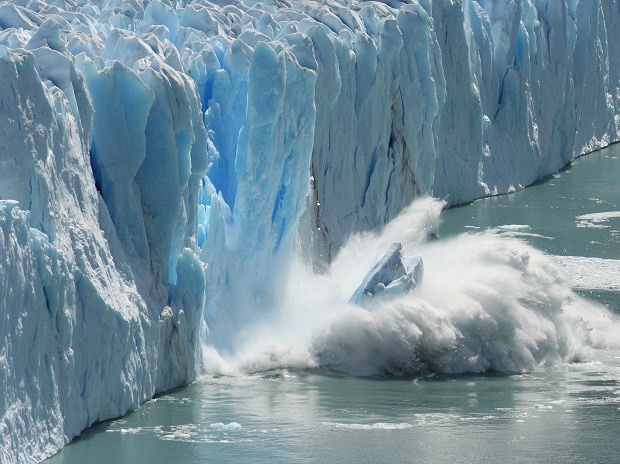
At marine termini, chunks of ice break off as icebergs, delivering whole blocks of ice directly into the ocean.
\n
Mass‑Balance Imbalance
\n
When total loss (surface melt + basal melt + calving) exceeds snowfall accumulation, the glacier’s mass balance becomes negative, and the deficit becomes additional ocean water. These steps operate on timescales from days (surface melt events) to centuries (ice‑sheet response), and thresholds such as “marine‑based ice‑sheet tipping points” can trigger rapid, nonlinear contributions.
\n\n
What Does the Evidence Show?
\n
Multiple, independent lines of evidence confirm accelerating glacier mass loss:
\n
- \n
- Satellite Gravimetry: NASA’s GRACE and GRACE‑Follow‑On missions (2002‑present) detect a net loss of about 270 Gt yr⁻¹ from glaciers worldwide, equivalent to ~0.75 mm yr⁻¹ sea‑level contribution (IPCC, 2021).
- Altimetry: Laser and radar altimeters on ICESat‑2 (since 2020) and CryoSat‑2 (since 2010) record surface lowering of ice sheets and mountain glaciers, confirming thinning trends.
- In‑situ Observations: Long‑term stake networks in the Himalaya, Andes, and Alps document annual mass‑balance deficits that align with remote‑sensing data.
- Historical Reconstructions: Ice‑core and moraine dating show that the end of the Little Ice Age (≈1300‑1850 CE) was followed by accelerated retreat, a pattern repeated in the 20th century.
\n
\n
\n
\n
\n
These datasets converge on the conclusion that glacier melt is a non‑negligible, accelerating driver of sea‑level rise, with high confidence in the observed trend.
\n\n
Main Causes or Drivers
\n
Direct Causes
\n
Rising air temperatures increase surface melt, while warming ocean currents erode marine‑terminating glaciers.
\n
Underlying Drivers
\n
Human‑generated greenhouse‑gas emissions have raised global mean surface temperature by about 1.1 °C above pre‑industrial levels (World Meteorological Organization, 2021), driving the energy‑balance shift described above.
\n
Amplifying Factors
\n
Albedo feedback—where exposed dark ice or rock absorbs more sunlight—enhances melt. Deposition of black carbon from combustion further lowers surface reflectivity, accelerating loss.
\n\n
Environmental and Human Impacts
\n
Environmental Impacts
\n
- \n
- Coastal erosion and loss of mangroves, salt‑marshes, and coral reefs.
- Freshwater influx can alter ocean circulation patterns, potentially affecting regional climate.
- Reduced seasonal meltwater diminishes water availability for downstream ecosystems during dry periods.
\n
\n
\n
\n
Human Health and Social Impacts
\n
Higher sea levels increase the frequency of storm‑surge flooding, exposing communities to water‑borne diseases and contaminant spread. Low‑lying island nations face displacement, threatening cultural heritage and food security.
\n
Economic and Infrastructure Impacts
\n
Coastal infrastructure—ports, roads, power plants—faces higher repair costs and eventual relocation. The World Bank estimates that cumulative coastal adaptation costs could exceed US$1 trillion by 2050 under high‑emission scenarios.
\n\n
Regional Differences
\n
Glacier contribution varies by region:
\n
- \n
- Arctic (Greenland): Melt has contributed ~0.14 m of sea‑level rise since 1992 (NASA, 2022), influencing the North Atlantic.
- Antarctica (West Antarctic Ice Sheet): Warm circumpolar deep water has added ~0.07 m since 1992, with potential for rapid acceleration.
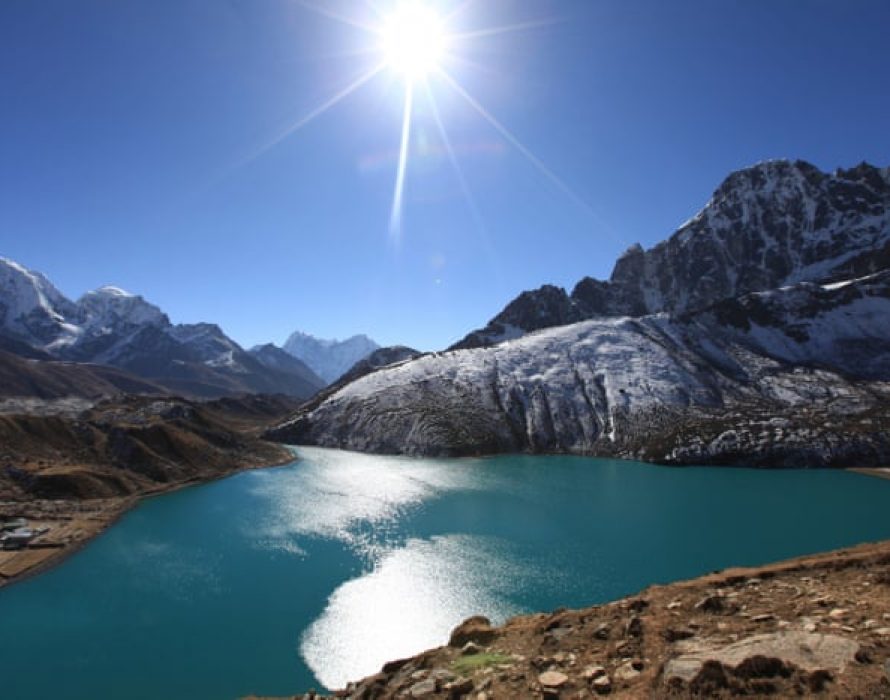
- Mountain Regions: The Himalaya, Andes, and Alps supply freshwater to billions; rapid retreat reduces summer flow, impacting agriculture in South Asia and South America.
\n
\n
\n
\n
These patterns illustrate that while global sea‑level rise is a shared outcome, local exposure and adaptive capacity differ markedly.
\n\n
What Scientists Know With High Confidence
\n
- \n
- Glaciers are losing mass faster than they gain it, as shown by satellite gravimetry and altimetry.
- Human‑induced warming is the primary driver of accelerated glacier melt.
- Glacier melt contributed roughly a quarter of the observed sea‑level rise since the year 2000.
- Continental ice sheets contain enough ice to raise sea level by tens of metres if fully melted, underscoring the long‑term risk.
\n
\n
\n
\n
\n
\n\n
What Remains Uncertain
\n
Key uncertainties include the timing and magnitude of potential tipping points in the West Antarctic Ice Sheet, the exact role of sub‑glacial hydrology in basal melt, and how future emission pathways will interact with natural variability. These gaps affect projections of rapid sea‑level rise but do not alter the established link between warming and glacier loss.
\n
\n\n
Common Misconceptions
\n
Misconception: Only the polar ice caps affect sea level.
\n
Reality: Mountain glaciers worldwide also add water to the oceans; together they account for about 25 % of recent sea‑level rise.
\n
Misconception: Sea‑level rise is caused solely by thermal expansion.
\n
Reality: Thermal expansion and glacier melt are both significant; ignoring melt underestimates total rise.
\n
Misconception: All glaciers are melting at the same rate.
\n
Reality: Melt rates differ by altitude, latitude, and local climate; some high‑altitude glaciers remain relatively stable.
\n
\n\n
Solutions and Limitations
\n
Addressing glacier‑driven sea‑level rise requires both mitigation of climate change and adaptation to inevitable impacts.
\n
Mitigation
\n
Rapid decarbonization of energy systems reduces future warming, slowing glacier melt. However, the climate system’s inertia means some sea‑level rise is unavoidable even under aggressive policies.
\n
Adaptation
\n
Coastal flood defenses, managed retreat, and updated land‑use planning protect vulnerable populations. These measures can be costly, may require relocation of communities, and often disproportionately affect low‑income groups.
\n
Monitoring and Research
\n
Expanding satellite missions and ground‑based observations improves early warning, but funding constraints limit long‑term data continuity.
\n\n
What Individuals, Communities, and Governments Can Do
\n
What Individuals Can Do
\n
- \n
- Reduce personal carbon footprints by using public transit, improving home energy efficiency, and supporting renewable energy.
- Advocate for climate‑friendly policies and vote for leaders committed to net‑zero targets.
- Participate in local watershed protection projects that preserve upstream snow and ice quality.
\n
\n
\n
\n
What Communities and Organizations Can Do
\n
- \n
- Develop climate‑adaptation plans that map flood risk and identify critical infrastructure.
- Invest in early‑warning systems and resilient building codes for coastal zones.
- Partner with scientific institutions to host citizen‑science glacier monitoring programs.
\n
\n
\n
\n
What Governments Can Do
\n
- \n
- Implement and strengthen nationally determined contributions under the Paris Agreement to limit warming to 1.5 °C.
- Fund long‑term cryosphere research, including satellite missions like NASA’s ICESat‑3.
- Provide financial and technical assistance to small island developing states for relocation or protective infrastructure.
\n
\n
\n
\n\n
Closing Synthesis
\n
Glaciers act as a massive, temperature‑sensitive freshwater reservoir; when they melt, the released water adds directly to global sea level. Robust satellite and field observations confirm an accelerating mass loss, driven primarily by human‑induced warming. While uncertainties remain—especially regarding ice‑sheet tipping points—the core relationship between warming, glacier melt, and sea‑level rise is well established. Effective responses combine rapid emissions reductions, targeted coastal adaptation, and sustained scientific monitoring. Understanding these mechanisms enables societies to make informed choices that reduce risk and protect both coastal environments and the millions who depend on them.
Frequently Asked Questions
What defines glacier contribution to sea‑level rise?
Glacier contribution to sea‑level rise is the addition of freshwater to the oceans when a glacier’s mass loss—through surface melt, basal melt, or iceberg calving—exceeds snowfall accumulation. The excess water directly raises global mean sea level.
How do scientists measure glacier mass loss?
Scientists use satellite gravimetry (e.g., NASA’s GRACE missions) to detect changes in Earth’s gravity caused by mass loss, laser and radar altimetry (ICESat‑2, CryoSat‑2) to track surface lowering, and in‑situ stake networks that record annual mass‑balance deficits on glaciers worldwide.
Which regions are most affected by glacier‑driven sea‑level rise?
Greenland’s melt has contributed about 0.14 m of sea‑level rise since 1992, affecting the Arctic and North Atlantic. West Antarctica adds roughly 0.07 m, while mountain regions such as the Himalaya, Andes, and Alps impact freshwater availability for billions of people downstream.
What are the main uncertainties in future glacier melt projections?
Key uncertainties include the timing of potential tipping points in the West Antarctic Ice Sheet, how sub‑glacial hydrology influences basal melt, and how different greenhouse‑gas emission pathways will interact with natural climate variability. These affect the magnitude of future sea‑level rise.
What actions can individuals take to help reduce glacier‑related sea‑level rise?
Individuals can lower their carbon footprints by using public transit, improving home energy efficiency, and supporting renewable energy. They can also advocate for climate‑friendly policies, vote for leaders committed to net‑zero targets, and join local watershed protection projects that safeguard upstream snow and ice.





Leave a Comment