
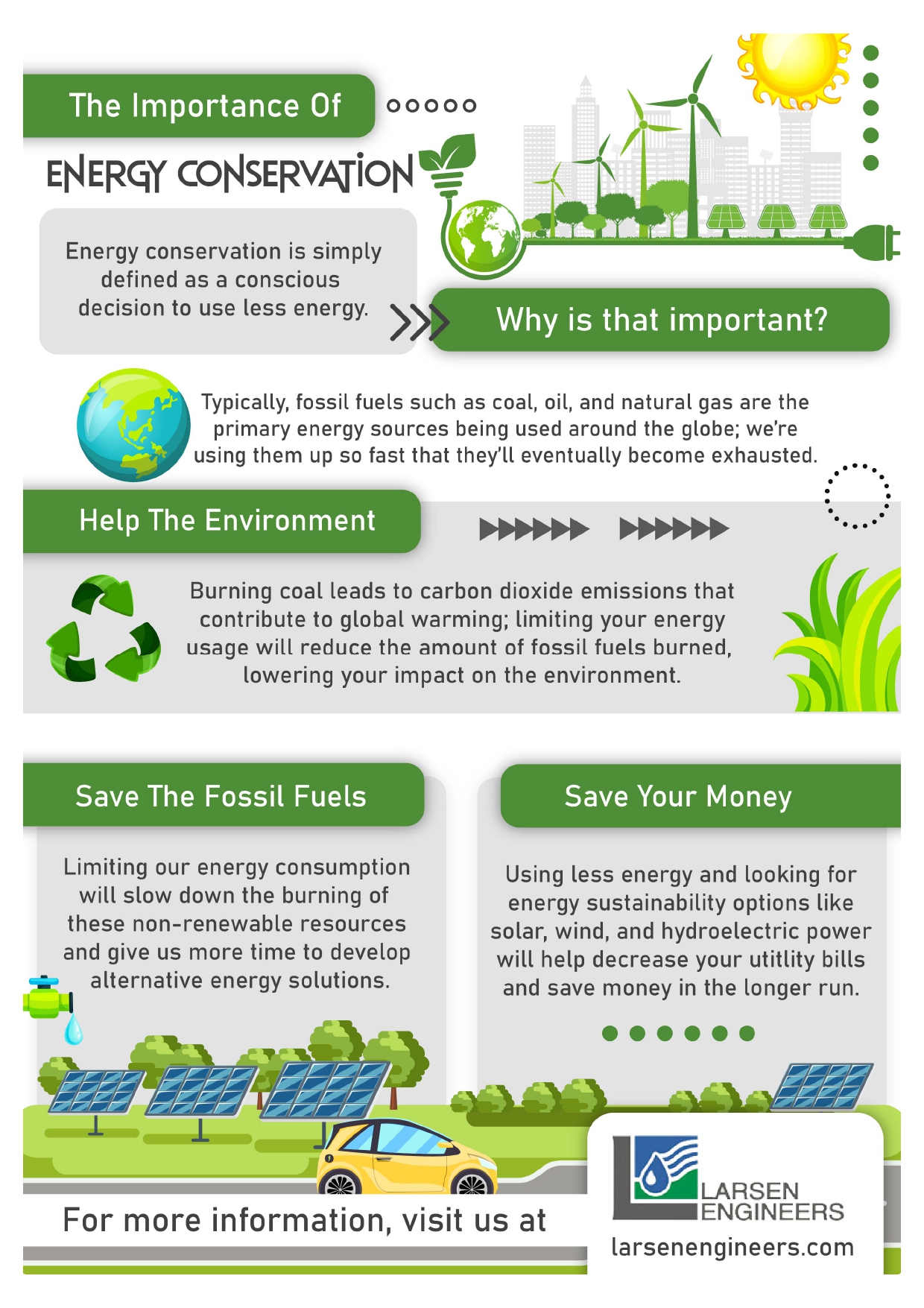
Energy conservation means using less power to accomplish the same tasks, which reduces fossil‑fuel demand, cuts greenhouse‑gas emissions, lowers household bills, improves air quality, and strengthens system resilience.
Quick Answer
Energy conservation is the practice of reducing the amount of energy used to perform the same functions, typically by improving efficiency and eliminating waste. By lowering the fuel burned for electricity, heating, and transport, it directly cuts carbon‑dioxide and other pollutant emissions. The Intergovernmental Panel on Climate Change (IPCC, 2023) concludes that widespread conservation can reduce global emissions by several gigatonnes per year while delivering measurable household cost savings. Although exact avoided‑emission figures vary by region, the direction of the effect—lower emissions and lower costs—is well established.
Key Takeaways
- Conserving energy reduces demand for fossil‑fuel power, cutting greenhouse‑gas emissions.
- Households can save 5‑15% on utility bills through simple efficiency measures.
- Reduced combustion improves air quality, benefiting respiratory health, especially in cities.
- Lower peak demand enhances grid resilience against price spikes and supply disruptions.
- Policy incentives and community programs amplify the impact of individual actions.
What Is The Real Importance of Energy Conservation in Daily Life?
Energy conservation refers to the intentional reduction of energy consumption through more efficient technologies, behavioral changes, and building‑envelope upgrades. It covers residential lighting, appliances, heating and cooling, water heating, and transportation choices. Unlike renewable‑energy generation, which changes the source of power, conservation limits the total amount of energy required, making the existing electricity grid less carbon‑intensive. The importance stems from three interlinked dimensions: environmental (lower emissions), economic (cost savings), and societal (health and resilience).
How Does It Work?
Physical and Technological Mechanisms
- Efficiency upgrades: Replacing incandescent bulbs with LEDs or old furnaces with high‑efficiency models reduces electricity or fuel use for the same output.
- Demand‑side management: Smart thermostats and time‑of‑use pricing shift or shave peak loads, decreasing reliance on fossil‑fuel peaker plants.
- Building envelope improvements: Adding insulation, sealing leaks, and installing reflective roofing lower heat loss, reducing heating and cooling demand.
Behavioral Pathways
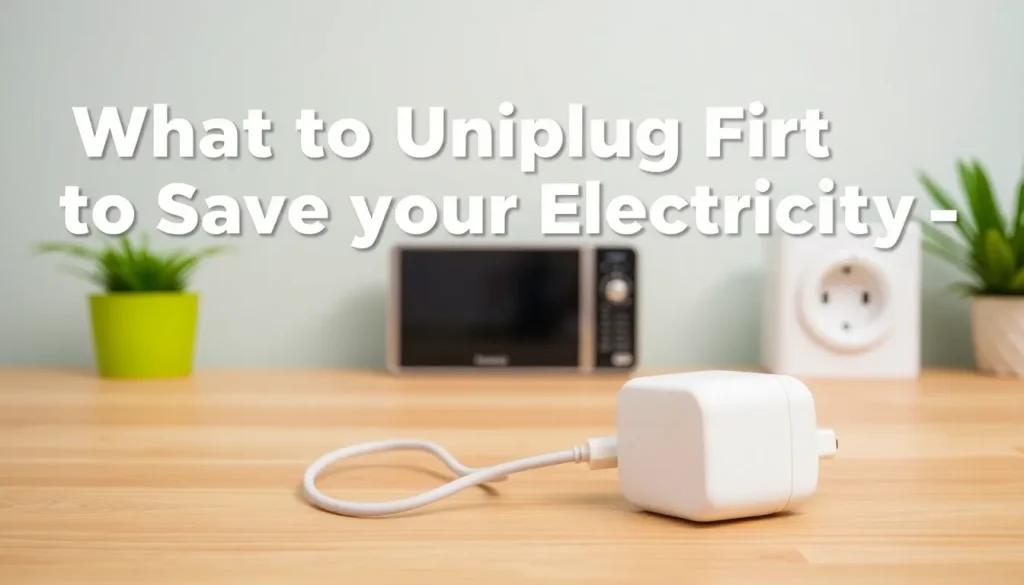
- Turning off standby power saves roughly 1‑3% of residential electricity (U.S. Energy Information Administration, 2022).
- Setting thermostats 1‑2 °C lower in winter can cut heating demand by 5‑10% without sacrificing comfort.
- Choosing public transit, cycling, or walking reduces fuel consumption per passenger‑kilometre.
Feedback Loops
Reduced demand lessens the need for new fossil‑fuel power plants, which in turn lowers future emissions and mitigates climate‑related feedbacks such as increased heat‑wave frequency.
What Does the Evidence Show?
Long‑term monitoring by national agencies indicates that energy‑efficiency programmes in the United States and European Union avoided an estimated 2–3 gigatonnes of CO₂‑equivalent between 2000 and 2020 (International Energy Agency, 2021). Systematic reviews of household interventions report average electricity savings of 10‑15% for LED retrofits and 5‑12% for smart‑thermostat use (Energy Policy, 2022). The IPCC (2023) cites energy conservation as a “high‑confidence” mitigation lever that delivers immediate emission reductions without the long lead times required for new renewable capacity.
Main Causes or Drivers
Direct Causes
- Rising electricity demand from electrification of transport and heating.
- Prevalence of low‑efficiency appliances and poorly insulated buildings.
Underlying Drivers
- Economic growth that raises per‑capita energy use.
- Policy environments lacking mandatory efficiency standards.
- Consumer habits that prioritize convenience over efficiency.
Environmental and Human Impacts
Environmental Impacts
Lower fossil‑fuel combustion reduces carbon dioxide, methane, and particulate emissions. The World Health Organization estimates that a 10% reduction in PM₂.₅ from energy sources could prevent up to 1.2 million premature deaths globally each year. Conservation also reduces water withdrawal for thermoelectric cooling, preserving freshwater resources.
Human Health and Social Impacts
Cleaner air improves respiratory outcomes, particularly for children and older adults in dense urban areas. Savings on utility bills free household income for food, education, or health care, contributing to poverty alleviation. Community‑wide conservation programs often strengthen social cohesion through shared goals.
Economic and Infrastructure Impacts
Lower peak demand defers costly grid upgrades and postpones the construction of new power plants. In regions with volatile fossil‑fuel prices, households that conserve energy experience greater financial stability.
Regional Differences
High‑income temperate regions such as Western Europe have achieved sizable savings through strict building codes and widespread LED adoption. Rapidly urbanizing tropical megacities face higher cooling loads; however, targeted shading and reflective roofing have demonstrated 5‑7% reductions in cooling‑energy use (UN Environment Programme, 2020). Rural low‑income areas often lack access to efficient appliances, making subsidy programmes especially impactful.
What Scientists Know With High Confidence
- Energy consumption is a major source of global CO₂ emissions (IPCC, 2023).
- Efficiency improvements consistently lower both energy use and emissions across sectors.
- Reduced combustion yields measurable air‑quality benefits that translate into health savings.
- Demand‑side measures are cost‑effective, often delivering payback within a few years.
What Remains Uncertain
Precise quantification of avoided emissions in regions with limited monitoring remains difficult because of data gaps in informal economies. The magnitude of the rebound effect—where efficiency gains lead to higher overall consumption—is observed, but estimates vary widely across studies. Improving high‑resolution, household‑level data would reduce these uncertainties.
Common Misconceptions
Misconception: Energy conservation is too small to affect climate change.
Reality: When aggregated across billions of households, conservation can offset emissions comparable to those of small nations, making a measurable contribution to global mitigation.
Misconception: Only renewable energy matters; conservation is optional.
Reality: Conservation lowers the total energy that must be generated, accelerating the transition to renewables and reducing the cost of that transition.
Misconception: Turning off lights saves negligible energy.
Reality: Lighting accounts for roughly 15% of residential electricity in many countries; replacing incandescent bulbs with LEDs can cut that load by up to 80%.
Solutions and Limitations
Effective strategies combine technology, policy, and behavior change. Upgrading to high‑efficiency appliances delivers clear savings, but upfront costs can be a barrier for low‑income households. Building‑code reforms guarantee long‑term performance yet require political will and enforcement capacity. Demand‑response programs shift load but depend on widespread smart‑meter deployment, which is uneven globally. Each solution involves trade‑offs between cost, equity, and speed of implementation.
What Individuals, Communities, and Governments Can Do
What Individuals Can Do
- Replace incandescent bulbs with LEDs.
- Install programmable thermostats and set heating 1‑2 °C lower in winter.
- Unplug devices or use smart power strips to eliminate standby draw.
- Choose ENERGY STAR‑rated appliances.
- Prefer walking, cycling, or public transit for short trips.
What Communities and Organizations Can Do
- Launch neighborhood retrofit programs funded by local grants.
- Negotiate bulk‑purchase discounts for efficient appliances.
- Run public‑awareness campaigns that highlight verified savings.
- Develop shared‑ownership solar or micro‑grid projects that pair generation with conservation.
What Governments Can Do
- Set minimum energy‑performance standards for buildings and appliances.
- Provide tax credits or rebates for efficiency upgrades.
- Mandate smart‑meter rollout to enable demand‑response.
- Integrate energy‑conservation targets into national climate‑action plans.
- Support research on the behavioural economics of energy use.
Synthesis
Energy conservation is a proven, high‑confidence lever that reduces emissions, saves money, and improves public health. While uncertainties remain around regional data gaps and the rebound effect, the overall direction of benefit is clear. Combining efficient technologies, supportive policies, and informed personal choices creates a more resilient energy system that can adapt to future challenges without relying solely on new generation capacity.
Frequently Asked Questions
What exactly is energy conservation?
Energy conservation is the intentional reduction of energy use to achieve the same tasks, typically through more efficient technologies, better building insulation, and smarter habits.
How does conserving energy lower greenhouse‑gas emissions?
When households use less electricity or heat, less fossil fuel is burned to generate that energy, directly reducing carbon‑dioxide and other pollutant emissions.
What are the most cost‑effective actions for a typical home?
Replacing incandescent bulbs with LEDs, installing programmable thermostats, and unplugging standby devices are low‑cost measures that can cut household energy bills by 5‑15%.
Do the benefits of energy conservation vary by region?
Yes. In temperate, high‑income regions savings come from strict building codes and LED adoption, while tropical megacities see larger gains from shading and reflective roofing to reduce cooling demand.
What uncertainties remain about the impact of energy conservation?
Key uncertainties include exact avoided‑emission numbers in data‑poor regions and the size of the rebound effect, where efficiency gains might lead to higher overall consumption.








Leave a Comment