

The most important topics in the global warming debate encompass climate science, energy systems, policy frameworks, equity considerations, and technological innovation, each backed by robust evidence and essential for effective mitigation and adaptation.
Quick Answer
Global warming is the long‑term rise in Earth’s average surface temperature caused mainly by human‑generated greenhouse gases that trap infrared radiation. The core mechanism—radiative forcing from CO₂, CH₄, and N₂O—is well documented in assessments such as the IPCC AR6. The most consequential implication is that continued emissions will intensify heatwaves, sea‑level rise, and ecosystem disruption, while uncertainties remain around regional precipitation changes and carbon‑cycle feedbacks.
Key Takeaways
- Human‑derived greenhouse gases are the primary driver of warming since the mid‑20th century.
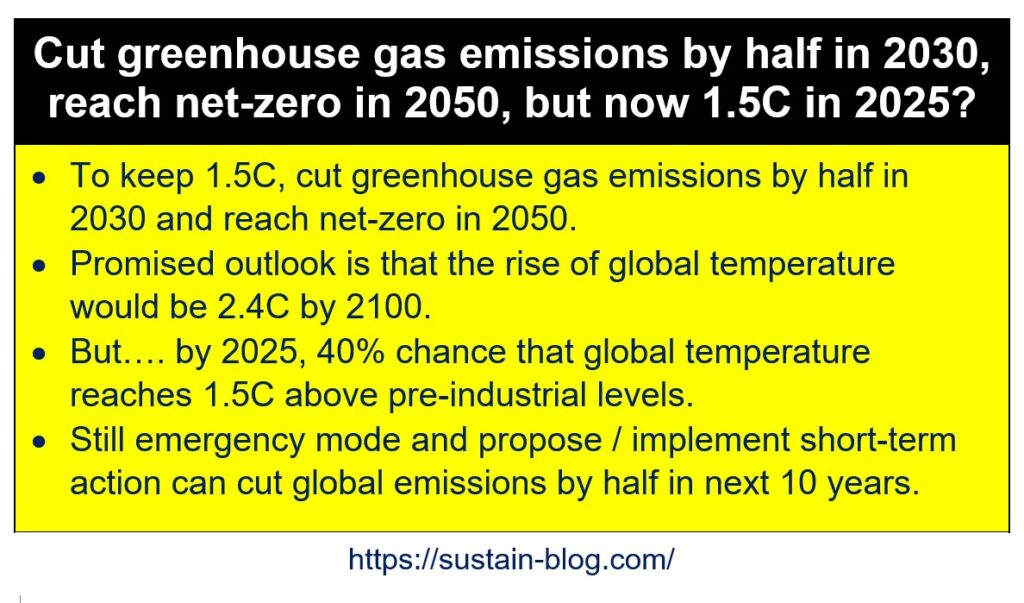
- Transitioning from fossil fuels to renewable energy is critical to limit warming below 2 °C.
- International agreements set a framework, but national implementation determines impact.
- Climate impacts are uneven; low‑income and marginalized groups face the greatest risks.
- Effective responses combine mitigation, adaptation, and nature‑based solutions.
What Is The Most Important Topics in the Global Warming Debate?
The phrase refers to the core themes that repeatedly shape scientific research, policy discussions, and public discourse about climate change. These themes include:
- Climate science – the physical and chemical mechanisms that drive temperature rise.
- Energy systems – the role of fossil‑fuel combustion versus renewable alternatives.
- Policy and international cooperation – agreements, carbon pricing, and regulatory approaches.
- Economic and justice dimensions – costs, job transitions, and climate‑justice considerations.
- Technology and innovation – carbon capture, storage, and efficiency improvements.
- Societal action – grassroots movements, consumer choices, and institutional change.
Understanding each component clarifies why the debate is complex and why coordinated, multi‑sectoral action is required.
How Does It Work?
Greenhouse‑Gas Forcing
Solar radiation reaches the surface, is absorbed, and re‑emitted as infrared radiation. Greenhouse gases (GHGs) such as CO₂, CH₄, and N₂O absorb portions of this infrared energy and re‑radiate it toward the surface, producing a net warming effect measured as radiative forcing. The IPCC AR6 (2021) reports a net anthropogenic forcing of +2.72 W m⁻² relative to pre‑industrial levels.
Feedback Loops
Several feedbacks can amplify the initial forcing:
- Ice‑albedo feedback: Melting ice reduces surface reflectivity, causing more solar absorption.
- Water‑vapor feedback: Warmer air holds more water vapor, a potent GHG.
- Permafrost carbon release: Thawing soils emit CO₂ and CH₄, adding to atmospheric concentrations.
Sources, Sinks, and Emission Pathways
Human activities release roughly 36 gigatonnes of CO₂‑equivalent per year (Global Carbon Project, 2022). Major sources are electricity generation, industry, transportation, and land‑use change. Natural sinks—forests, oceans, and soils—absorb about half of these emissions, but their capacity may weaken under continued warming.
What Does the Evidence Show?
Multiple, independent lines of evidence converge on a consistent picture:
- Instrumental temperature records show a global mean increase of ~1.1 °C since 1850 (NASA GISS, 2023).
- Atmospheric CO₂ rose from ~280 ppm pre‑industrial to 419 ppm in 2023 (Mauna Loa Observatory).
- Attribution studies using coupled climate models assign >95 % of warming since 1950 to human activities (IPCC AR6, 2021).
- Sea level has risen at an average rate of 3.4 mm yr⁻¹ since 1993 (NOAA, 2022).
- Observed impacts include more frequent heatwaves, shifting species ranges, and increased ocean acidification.
These findings are supported by peer‑reviewed assessments, long‑term monitoring networks, and reproducible model simulations.
Main Causes or Drivers
Direct Causes
Combustion of coal, oil, and natural gas releases CO₂; livestock and rice cultivation emit CH₄; synthetic fertilizer use releases N₂O. Together they account for roughly 78 % of total GHG emissions.
Underlying Drivers
Economic growth models, rising global population, and entrenched energy‑intensive infrastructure create structural incentives for fossil‑fuel use. Urbanization and long‑lived transportation systems lock in emission pathways for decades.
Amplifying Factors
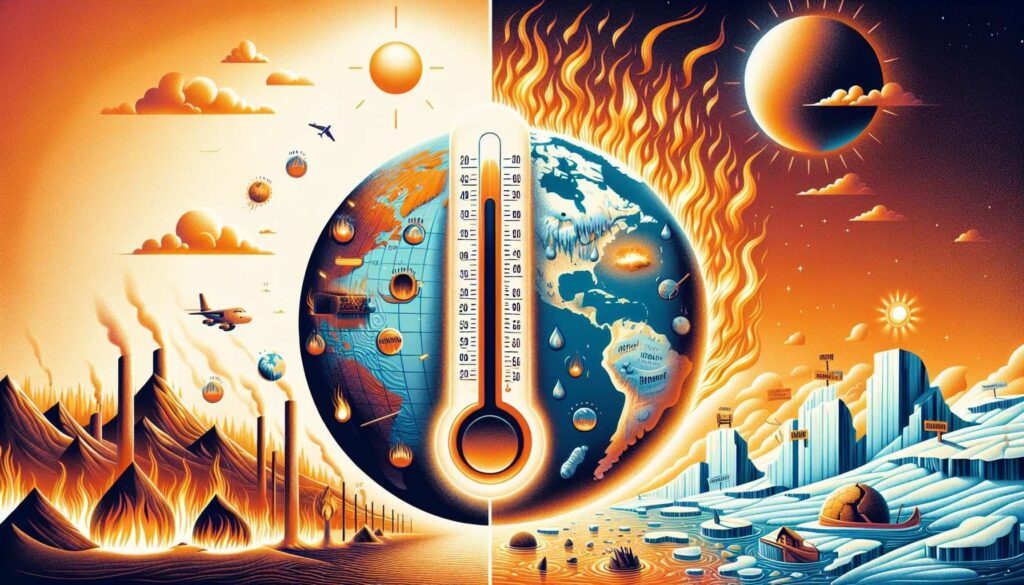
Deforestation reduces carbon uptake, while black‑carbon deposition on snow accelerates melt. Climate‑feedback mechanisms such as permafrost thaw can push the system toward tipping points like a slowdown of the Atlantic Meridional Overturning Circulation.
Environmental and Human Impacts
Environmental Impacts
Warming alters precipitation patterns, intensifies droughts in many mid‑latitude regions, and expands the geographic range of wildfires. Ocean acidification, driven by CO₂ uptake, has lowered seawater pH by ~0.1 units since pre‑industrial times, threatening coral reefs and shell‑forming organisms.
Human Health and Social Impacts
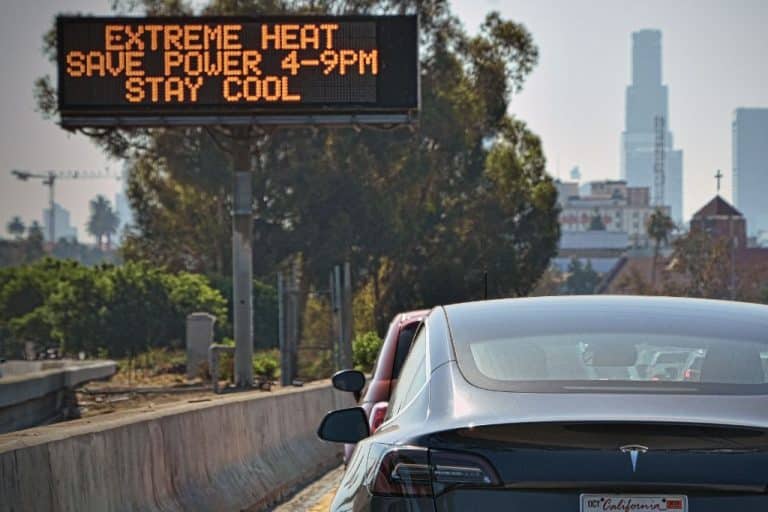
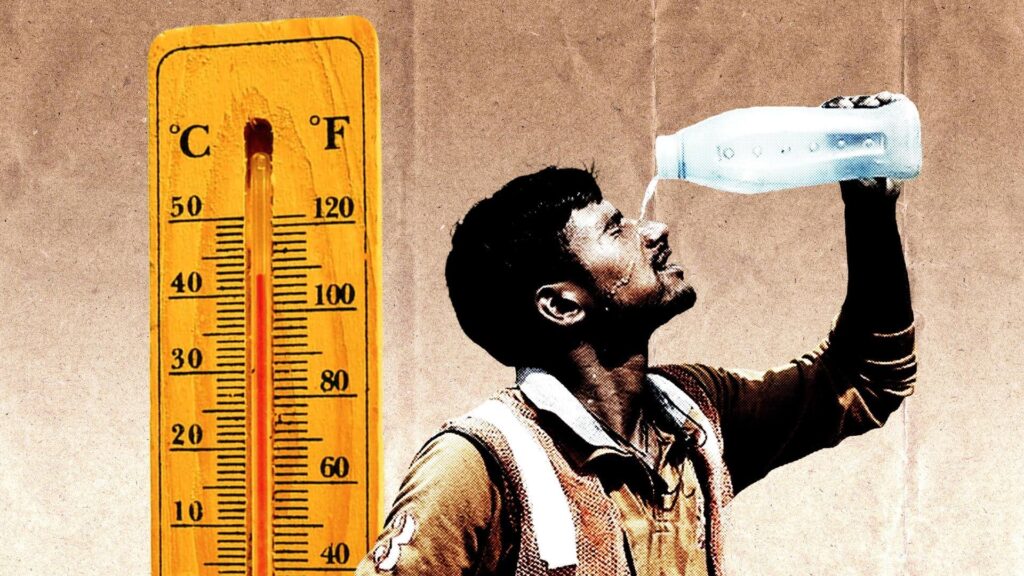
Heat stress raises mortality risk, especially for older adults and outdoor workers. Expanding suitable climates for disease‑carrying vectors increases the geographic range of illnesses such as dengue. Crop‑yield models show reduced productivity for staple foods in tropical and subtropical zones, jeopardizing food security.
Economic and Infrastructure Impacts
Extreme weather events cause billions of dollars in damage each year; the World Bank estimates climate‑related losses reached $650 billion in 2020. Coastal communities face chronic flooding from sea‑level rise, prompting costly adaptation measures like seawalls or managed retreat.
Regional Differences
Impact intensity varies with geography and socioeconomic capacity:
- Arctic: Warming occurs at more than twice the global average, leading to rapid permafrost melt and sea‑ice loss.
- Sub‑Saharan Africa: Increased drought frequency threatens water supplies and agriculture.
- Southeast Asia: Low‑lying river deltas experience heightened flood risk.
- Small Island Developing States: Even modest sea‑level rise can render land uninhabitable, creating existential challenges.
These patterns reflect local climate dynamics, economic resources, and governance capacity.
What Scientists Know With High Confidence
- Human activities are the dominant cause of observed warming since the mid‑20th century.
- Greenhouse gases increase radiative forcing, leading to a measurable rise in global average temperature.
- Multiple independent data sets show concurrent increases in temperature, sea level, and atmospheric CO₂.
- Continued high‑emission pathways raise the likelihood of crossing climate‑system thresholds.
What Remains Uncertain
Key uncertainties include the precise timing and magnitude of regional precipitation changes, the strength of carbon‑cycle feedbacks from permafrost and forest dieback, and the socioeconomic pathways that will shape future emissions. Model disagreement is greatest for cloud feedbacks, which can either amplify or moderate warming. While these uncertainties affect detailed projections, they do not overturn the overarching conclusion that rapid emission reductions are required.
Common Misconceptions
Misconception: Climate change is just natural variability.
Reality: Attribution studies show that the recent warming trend exceeds natural variability and aligns with the rise in anthropogenic GHG concentrations.
Misconception: Individual recycling can solve climate change.
Reality: Personal actions matter for demand signaling, but systemic emission cuts require policy, infrastructure, and industry‑scale changes.
Misconception: Renewable energy cannot meet global demand.
Reality: The International Energy Agency (2023) projects that renewables could supply about 70 % of global electricity by 2050 if investment and grid upgrades are pursued.
Misconception: A hotter Earth will become uninhabitable soon.
Reality: Severe outcomes are linked to high‑emission scenarios; strong mitigation can limit temperature rise and avoid the worst impacts.
Misconception: Carbon offsets fully cancel emissions.
Reality: Offsets contribute to net‑zero goals only when they demonstrate additionality, permanence, and robust verification; they are not a substitute for direct cuts.
Solutions and Limitations
Response strategies fall into three broad categories, each with evidence‑based benefits and notable constraints:
- Mitigation: Deploying renewable energy, improving energy efficiency, and phasing out coal can reduce emissions dramatically. Limitations include upfront capital costs, supply‑chain bottlenecks, and political resistance.
- Adaptation: Building flood defenses, developing drought‑resistant crops, and establishing early‑warning systems increase resilience. Trade‑offs involve land‑use competition, potential “maladaptation,” and the need for long‑term financing.
- Nature‑based approaches: Protecting forests, restoring wetlands, and promoting regenerative agriculture enhance carbon sinks. Success depends on secure tenure, sustained funding, and monitoring to avoid leakage.
Carbon capture and storage (CCS) shows technical promise but operates at scale in only a few locations and adds to energy costs. Policy tools such as carbon pricing must be designed to avoid regressive impacts on low‑income households.
What Individuals, Communities, and Governments Can Do
What Individuals Can Do
Choose low‑carbon transportation (public transit, cycling, electric vehicles), reduce meat consumption, improve home energy efficiency (insulation, LED lighting), and support climate‑friendly policies through voting and advocacy.
What Communities and Organizations Can Do
Implement district‑wide renewable projects, develop local climate‑action plans, and create green‑job training programs aligned with regional economic needs.
What Governments Can Do
Set ambitious nationally determined contributions, phase out coal subsidies, invest in resilient infrastructure, and enforce regulations that limit emissions from industry and agriculture.
What Businesses and Industries Can Do
Adopt science‑based targets, transition supply chains to renewable energy, and disclose climate‑related financial risks in line with the Task Force on Climate‑Related Financial Disclosures (TCFD).
Closing Synthesis
The most important topics in the global warming debate—climate science, energy systems, policy, equity, and technology—are tightly interwoven. Robust evidence confirms that human‑driven greenhouse‑gas emissions are the primary cause of warming and that the planet is already experiencing measurable impacts. While uncertainties remain around regional feedbacks and socioeconomic pathways, they do not diminish the urgency of rapid mitigation and equitable adaptation. Aligning scientific insight with pragmatic policies, scalable technologies, and inclusive social action offers the best path toward a safer, more resilient climate future.
Frequently Asked Questions
What are the main topics that shape the global warming debate?
The debate centers on climate science, energy systems, policy and international cooperation, economic and justice dimensions, technology and innovation, and societal action. Each theme influences how societies understand and respond to climate change.
How do greenhouse gases cause global warming?
Greenhouse gases absorb infrared radiation emitted by Earth’s surface and re‑radiate it back, creating a net warming effect known as radiative forcing. This process is quantified as a positive forcing of +2.72 W m⁻² relative to pre‑industrial levels (IPCC AR6, 2021).
What evidence shows that human activities are the dominant cause of warming?
Multiple lines of evidence—instrumental temperature records, atmospheric CO₂ measurements, attribution studies using climate models, and sea‑level rise data—all point to human‑driven greenhouse gases as the primary driver of warming since the mid‑20th century.
Why are low‑income and marginalized communities more vulnerable to climate impacts?
These groups often have limited resources to adapt, live in higher‑risk areas, and depend on climate‑sensitive livelihoods. Consequently, they face greater exposure to heat stress, food insecurity, and extreme weather events.
What are realistic actions for individuals to help address global warming?
Individuals can lower their carbon footprint by choosing low‑carbon transportation, reducing meat consumption, improving home energy efficiency, and supporting climate‑friendly policies through voting and advocacy.






Leave a Comment