
Biodiversity loss is the rapid decline of species, habitats, and genetic variety driven mainly by human actions, and it threatens ecosystem services, human health, and economies worldwide.
\n\n
Quick Answer
\n
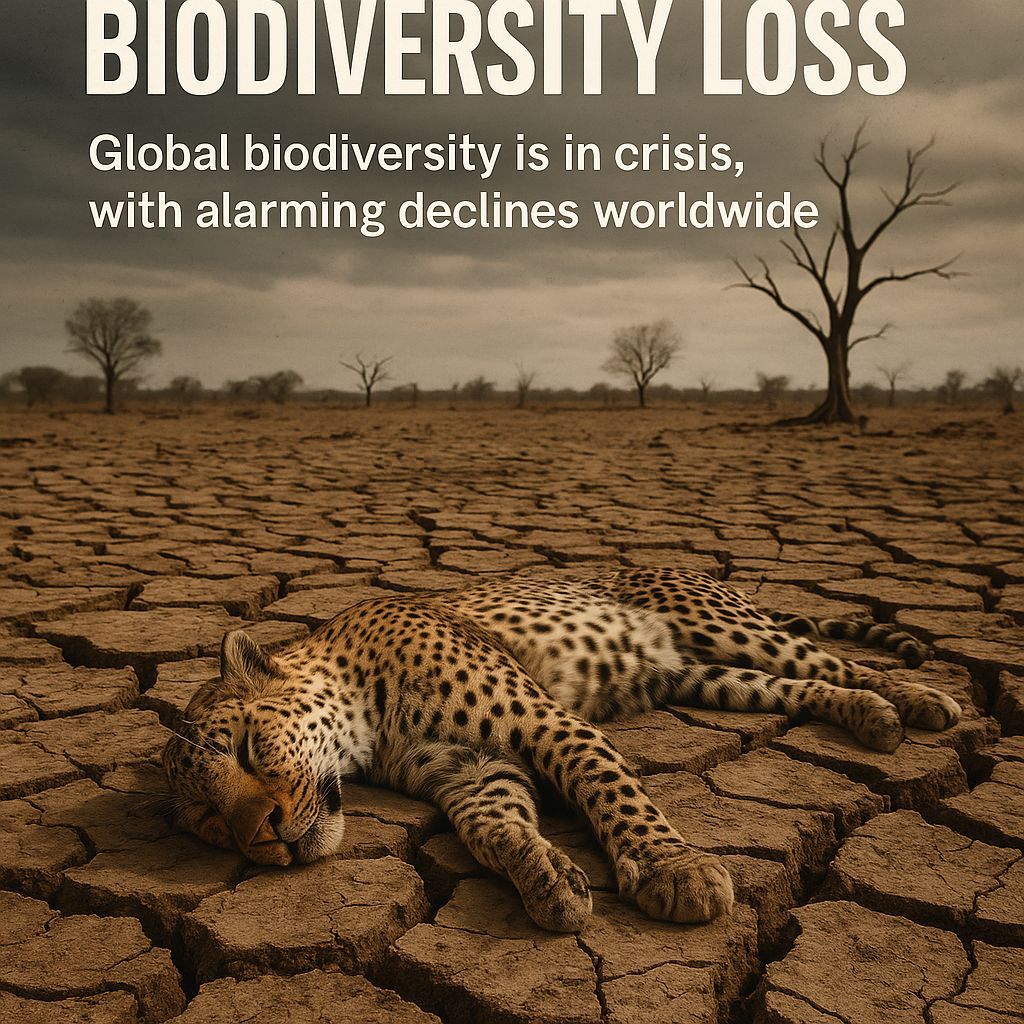
Biodiversity loss refers to the reduction in the number, abundance, and variety of living organisms across ecosystems. It is driven primarily by habitat destruction, climate change, pollution, overexploitation, and invasive species. The strongest scientific consensus shows that these drivers are causing species extinctions and weakening ecosystem resilience, which in turn reduces services such as food provision, water purification, and disease regulation. While the direction of change is clear, uncertainties remain about exact extinction timelines and regional variations.
\n
\n\n
Key Takeaways
\n
- \n
- Habitat loss, climate change, pollution, overexploitation, and invasive species are the five direct drivers of biodiversity loss.
- High‑confidence evidence shows a global decline of vertebrate populations by roughly 68 % since 1970 (Living Planet Report 2022).
- Reduced biodiversity lowers ecosystem resilience, making natural systems more vulnerable to disturbances.
- Human societies experience impacts on food security, health, livelihoods, and cultural heritage.
- Effective solutions combine protected‑area expansion, sustainable resource management, pollution control, and restoration, but each has trade‑offs.
\n
\n
\n
\n
\n
\n
\n\n
What Is The Causes and Effects of Biodiversity Loss Explained?
\n
Biodiversity encompasses the variety of life at genetic, species, and ecosystem levels. Loss occurs when any of these components decline significantly, often measured through species‑extinction rates, population trends, or habitat fragmentation. The term differs from “species decline” because it includes loss of functional diversity and ecosystem services, not just the disappearance of individual species. Understanding the causes and effects is essential because biodiversity underpins food production, climate regulation, disease control, and cultural identity.
\n\n
How Does It Work?
\n
Step 1: Habitat alteration
\n
When forests, wetlands, or grasslands are cleared for agriculture, urban development, or infrastructure, the spatial extent and quality of habitats shrink. Species that cannot move or adapt quickly experience population drops or local extinction.
\n
Step 2: Climate‑driven habitat shift
\n
Rising temperatures and altered precipitation patterns move climatic niches poleward and upward. Species must track suitable conditions, migrate, adapt, or face heightened extinction risk.
\n
Step 3: Pollution and toxic stress
\n
Chemicals such as pesticides, heavy metals, and plastic particles accumulate in soils and waters, reducing reproductive success and increasing mortality across trophic levels.
\n
Step 4: Overexploitation
\n
Unsustainable fishing, logging, and wildlife trade remove organisms faster than they can replenish, directly lowering population sizes and disrupting food webs.
\n
Step 5: Invasive species introduction
\n
Non‑native organisms often lack natural predators and can outcompete, prey on, or transmit diseases to native species, accelerating declines.
\n\n
What Does the Evidence Show?
\n
Long‑term monitoring by the International Union for Conservation of Nature (IUCN) indicates that over 1 million species are at risk of extinction, a rate 1,000 times the background level (IUCN Red List, 2023). The Intergovernmental Science‑Policy Platform on Biodiversity and Ecosystem Services (IPBES) Global Assessment (2019) reports an average 68 % decline in monitored vertebrate populations since 1970. Meta‑analyses of peer‑reviewed studies confirm that habitat loss accounts for roughly 50 % of global species declines, while climate change contributes 15‑20 % (Nature, 2020). These lines of evidence, derived from field surveys, remote sensing, and statistical modelling, converge on the conclusion that biodiversity is decreasing at an unprecedented pace.
\n\n
Main Causes or Drivers
\n
Direct causes
\n
- \n
- Habitat destruction – conversion of natural land for agriculture, cities, and infrastructure.
- Climate change – temperature rise, ocean acidification, and altered precipitation.
- Pollution – chemical runoff, plastic debris, and airborne contaminants.
- Overexploitation – commercial fishing, logging, and illegal wildlife trade.
- Invasive species – non‑native organisms that outcompete or prey on natives.
\n
\n
\n
\n
\n
\n
Underlying drivers
\n
Economic growth, population increase, and policy gaps create the demand for land, resources, and energy that fuel the direct causes. Global trade networks spread invasive species and increase pressure on remote ecosystems.
\n\n
Environmental and Human Impacts
\n
Environmental Impacts
\n
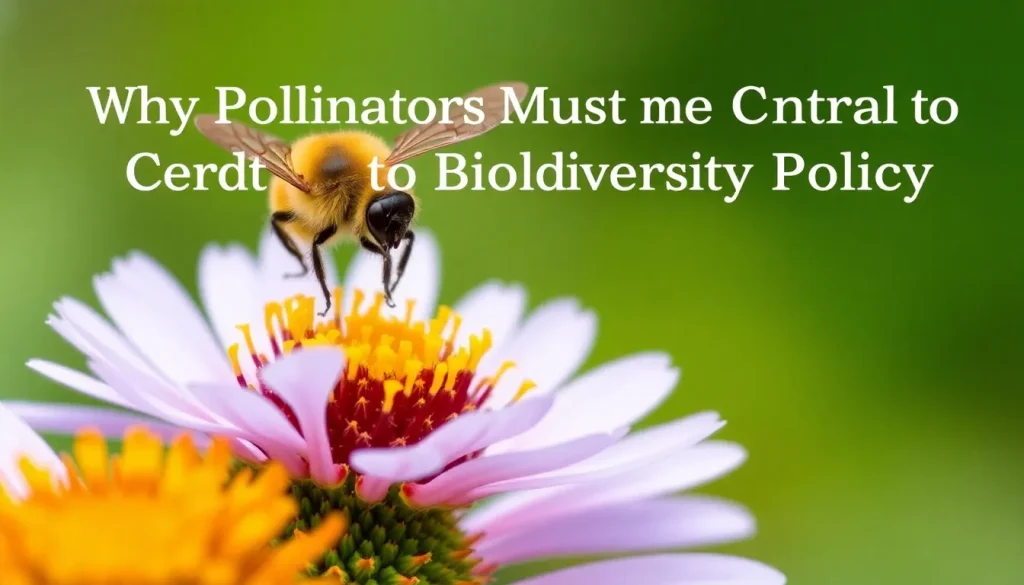
Loss of pollinators reduces crop yields; diminished forest cover weakens carbon sequestration; coral reef die‑offs impair coastal protection and fisheries; and simplified food webs become more prone to collapse.
\n
Human Health and Social Impacts
\n
Reduced biodiversity can increase disease transmission, as seen with Lyme disease expansion linked to fragmented habitats. Food insecurity rises when fisheries and pollinator‑dependent crops decline. Cultural practices tied to specific species or landscapes are eroded, disproportionately affecting Indigenous peoples and rural communities.
\n
Economic and Infrastructure Impacts
\n
The World Bank estimates that ecosystem‑service losses from biodiversity decline could cost up to 5 % of global GDP annually by 2050 if trends continue.
\n\n
Regional Differences
\n
Tropical regions host the greatest species richness and therefore experience the steepest absolute losses when forests are cleared, as documented in the Amazon Basin and Southeast Asian rainforests. Temperate regions show slower declines but are more affected by climate‑induced range shifts, such as boreal forest tree migrations in Canada and Europe. Island ecosystems, like Madagascar and the Pacific Islands, are especially vulnerable to invasive species because of their isolated evolution.
\n\n
What Scientists Know With High Confidence
\n
- \n
- Human‑driven habitat loss is the leading cause of species extinctions worldwide.
- Global biodiversity is declining; vertebrate populations have dropped by about two‑thirds since the 1970s.
- Ecosystem services depend on species richness; reduced diversity lowers resilience to disturbances.
- Climate change is already altering species distributions and accelerating extinction risk.
\n
\n
\n
\n
\n
\n\n
What Remains Uncertain
\n
Key uncertainties include precise extinction timelines for poorly studied taxa, the synergistic effects of multiple stressors, and the capacity of ecosystems to adapt to rapid climate change. Data gaps are especially large for invertebrates, deep‑sea organisms, and microbial diversity, limiting the ability to quantify total biodiversity loss.
\n
\n\n
Common Misconceptions
\n
Misconception: Biodiversity loss only affects exotic animals.
\n
Reality: Declines in common species such as pollinating insects or soil microbes directly impact food production, water quality, and human health.
\n
Misconception: Protected areas alone can stop biodiversity loss.
\n
Reality: While essential, protected areas must be well‑managed, connected, and complemented by sustainable land‑use practices outside their boundaries.
\n
Misconception: Climate change is the sole driver of biodiversity loss.
\n
Reality: Climate change interacts with habitat loss, pollution, and overexploitation; addressing all drivers is necessary for effective conservation.
\n
\n\n
Solutions and Limitations
\n
Effective responses combine prevention, mitigation, and restoration:
\n
- \n
- Protected‑area expansion – Can safeguard habitats but may displace local communities if not planned inclusively.
- Sustainable agriculture and fisheries – Reduces overexploitation but requires market incentives and monitoring.
- Pollution control – Limits chemical inputs, yet legacy contaminants persist in soils and sediments.
- Invasive‑species management – Early detection saves costs, but eradication is often expensive and technically challenging.
- Restoration ecology – Reforestation and wetland creation rebuild habitat, but restored ecosystems may take decades to regain full functionality.
\n
\n
\n
\n
\n
\n\n
What Individuals, Communities, and Governments Can Do
\n
What Individuals Can Do
\n
Choose sustainably sourced food, reduce single‑use plastics, support certified wildlife‑friendly products, and engage in citizen‑science monitoring programs.
\n
What Communities and Organizations Can Do
\n
Implement local land‑use plans that protect critical habitats, develop community‑based monitoring, and promote native‑species landscaping.
\n
What Governments Can Do
\n
Enact and enforce strong environmental regulations, invest in protected‑area networks, provide subsidies for low‑impact farming, and fund long‑term biodiversity monitoring.
\n\n
Synthesis
\n
Biodiversity loss is a multi‑faceted problem driven primarily by habitat destruction, climate change, pollution, overexploitation, and invasive species. Robust evidence from the IUCN, IPBES, and peer‑reviewed research confirms that species and ecosystem functions are declining worldwide, undermining the services on which human societies rely. While uncertainties remain about exact future trajectories, the high‑confidence findings justify immediate, coordinated action that blends protection, sustainable resource use, pollution reduction, and ecological restoration.
Frequently Asked Questions
What is biodiversity loss?
Biodiversity loss is the decline in the variety of life at genetic, species, and ecosystem levels, measured by reduced species numbers, shrinking populations, and loss of functional traits that support ecosystem services.
Which human activities are the biggest drivers of biodiversity loss?
The biggest drivers are habitat destruction from agriculture and urban expansion, climate change caused by fossil‑fuel emissions, pollution from chemicals and plastics, overexploitation of wildlife and fisheries, and the introduction of invasive species.
How does biodiversity loss affect human health and livelihoods?
Reduced biodiversity weakens pollination, clean water provision, and disease regulation, leading to lower food yields, increased exposure to pathogens, and loss of cultural practices that depend on specific species, especially for rural and Indigenous communities.
What evidence shows that biodiversity is declining globally?
Global monitoring by the IUCN, IPBES, and the Living Planet Report indicates that over 1 million species face extinction risk and vertebrate populations have fallen about 68 % since 1970, confirming a widespread biodiversity decline.
What actions can individuals take to help protect biodiversity?
Individuals can choose sustainably sourced foods, cut single‑use plastics, support wildlife‑friendly products, participate in citizen‑science projects, and advocate for policies that protect natural habitats and reduce pollution.



Leave a Comment