
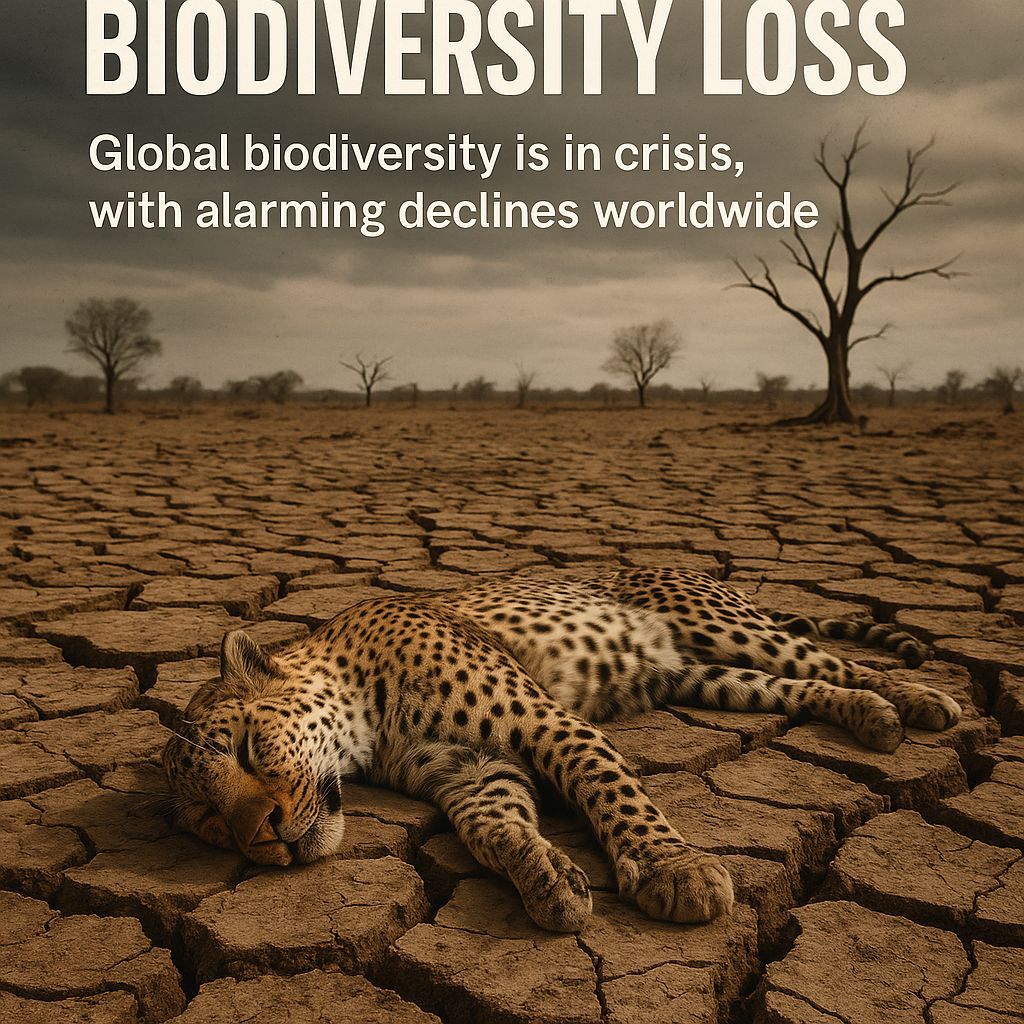
Biodiversity loss undermines ecosystem stability, reduces essential services, and heightens risks to human health, food security, and climate regulation, making nature loss a direct threat to life on Earth.
Quick Answer
Biodiversity refers to the variety of species, genetic makeup, and ecosystems on our planet. When habitats are destroyed, climates shift, and species are overexploited, this variety declines, weakening the natural processes that clean air, purify water, pollinate crops, and buffer extreme weather. Scientific assessments from the Intergovernmental Science-Policy Platform on Biodiversity and Ecosystem Services (IPBES, 2019) and the United Nations Convention on Biological Diversity show that about one‑third of species are threatened with extinction, and that ecosystem services are already diminishing. The most pressing implication is that reduced biodiversity amplifies vulnerability for both natural systems and human societies, although uncertainties remain about the exact timing of ecosystem collapse in many regions.
Key Takeaways
- Approximately 30% of known species face a high risk of extinction, according to the 2019 IPBES Global Assessment.
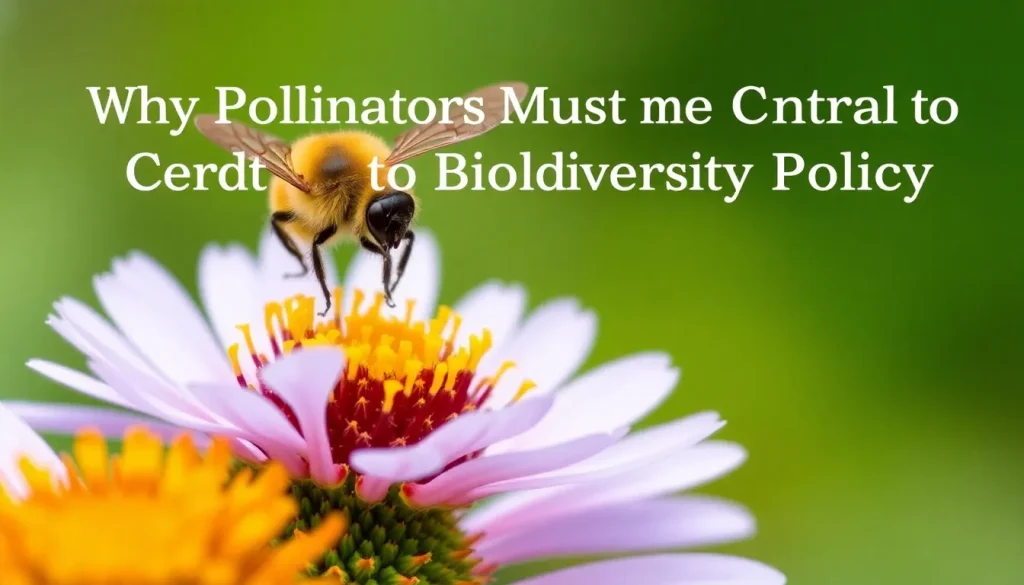
- Loss of pollinators, apex predators, and keystone species can trigger cascading effects that destabilize food webs.
- Reduced biodiversity compromises critical ecosystem services such as carbon storage, water filtration, and disease regulation.
- Primary drivers include habitat destruction, climate change, pollution, and overexploitation, often interacting synergistically.
- Conservation, sustainable land‑use practices, and restoration can mitigate many impacts, but success depends on adequate funding, governance, and local engagement.
What Is Biodiversity at Risk: Why Nature Loss Threatens Life on Earth?
Biodiversity encompasses three interrelated levels: species diversity (the number of different organisms), genetic diversity (the variation within species), and ecosystem diversity (the range of habitats and ecological processes). The phrase “biodiversity at risk” highlights the accelerating loss of these components due to human activities. Unlike a single‑species decline, risk to biodiversity implies a systemic erosion of the web of life that underpins ecosystem resilience and the services humans depend on.
How Does It Work?
1. Habitat Loss and Fragmentation
When natural areas are cleared for agriculture, urban development, or mining, species lose the space they need to feed, breed, and migrate. Fragmented habitats isolate populations, limiting gene flow and increasing extinction risk.
2. Climate Change
Rising temperatures and altered precipitation shift species’ climatic niches. Species that cannot migrate or adapt quickly face population declines, while novel species interactions can create unpredictable ecosystem responses.
3. Overexploitation
Unsustainable fishing, hunting, and timber harvesting remove individuals faster than populations can replenish, often targeting the most economically valuable species and disrupting trophic dynamics.
4. Pollution and Invasive Species
Chemical pollutants degrade water and soil quality, directly harming organisms and altering reproductive success. Invasive species outcompete natives, sometimes leading to local extinctions.
What Does the Evidence Show?
Long‑term monitoring by the IUCN Red List indicates that, as of 2022, more than 28,000 species are classified as threatened. A systematic review of 150 peer‑reviewed studies (Nature, 2020) found consistent evidence that biodiversity loss reduces pollination rates by up to 40% in agricultural landscapes. Satellite‑derived analyses by NASA show that forest canopy loss between 2000 and 2020 contributed to a 12% decline in global carbon sequestration capacity. Meta‑analyses of freshwater studies (Science, 2019) reveal that species‑rich streams are up to 2.5 times more effective at removing nitrogen than species‑poor streams, underscoring the link between diversity and water quality.
Main Causes or Drivers
Direct Causes
- Deforestation and land‑use conversion
- Overfishing and wildlife trade
- Industrial pollution (e.g., pesticides, heavy metals)
- Introduction of invasive species
Underlying Drivers
- Population growth and rising consumption
- Globalized supply chains that shift environmental pressures across borders
- Economic incentives that favor short‑term resource extraction
- Weak governance and insufficient enforcement of environmental regulations
Environmental and Human Impacts
Environmental Impacts
Loss of keystone species such as pollinators reduces plant reproduction, leading to lower primary productivity. Declines in predator populations can cause herbivore overbrowsing, which degrades soil and accelerates erosion. Coral reef degradation diminishes coastal protection, increasing vulnerability to storm surges.
Human Health and Social Impacts
Reduced biodiversity can increase the emergence of zoonotic diseases by altering host‑vector dynamics, a pattern documented in multiple epidemiological studies (Lancet Planetary Health, 2021). Food security is threatened because pollinator‑dependent crops—such as fruits, nuts, and vegetables—provide essential nutrients for billions of people. Communities that rely on fisheries experience declining catches when marine biodiversity erodes, affecting livelihoods and cultural practices.
Economic and Infrastructure Impacts
Ecosystem service valuation by the World Bank estimates that global annual benefits from biodiversity amount to roughly US$125 trillion, comparable to worldwide GDP. When services decline, societies incur higher costs for water treatment, flood protection, and agricultural inputs.
Regional Differences
Tropical regions host the greatest species richness and therefore experience the steepest absolute losses; the Amazon Basin, for example, lost an estimated 17% of its forest cover between 2000 and 2020, according to Brazil’s INPE monitoring program. In contrast, temperate regions such as Europe have seen slower rates of species extinction but face intense habitat fragmentation that threatens genetic diversity of agricultural crops. Arctic ecosystems are rapidly changing due to warming, leading to range shifts for iconic species such as caribou, which in turn affect indigenous subsistence practices.
What Scientists Know With High Confidence
- Habitat destruction is the leading direct cause of species decline (IPBES, 2019).
- Biodiversity underpins multiple ecosystem services essential for human well‑being.
- Loss of pollinators directly reduces yields of many food crops.
- Climate change amplifies existing stressors, accelerating extinction risk.
What Remains Uncertain
Key uncertainties include the exact thresholds at which ecosystem functions collapse, the speed of evolutionary adaptation in response to rapid climate change, and the cumulative impacts of multiple stressors acting simultaneously. Data gaps persist for many invertebrate groups and for biodiversity trends in the deep ocean, limiting precise global assessments.
Common Misconceptions
Misconception: Biodiversity loss only matters for exotic or charismatic species.
Reality: Even seemingly obscure microorganisms contribute to nutrient cycling and soil health; their loss can impair ecosystem productivity.
Misconception: Protected areas alone can stop biodiversity decline.
Reality: While protected zones are crucial, they must be coupled with sustainable land‑use practices outside their boundaries to address the majority of habitat loss.
Misconception: Climate change and biodiversity are unrelated issues.
Reality: Climate change reshapes species’ ranges and phenology, intensifying pressures on already vulnerable populations.
Solutions and Limitations
Effective responses combine prevention, restoration, and sustainable management. Conservation easements and indigenous stewardship can preserve large tracts of habitat, yet they often require long‑term financing. Ecological restoration—such as reforestation with native species—improves carbon storage and habitat quality, but success depends on soil conditions, species selection, and post‑planting monitoring. Sustainable agriculture practices (e.g., agroforestry, reduced pesticide use) protect pollinators and soil microbes, though they may lower short‑term yields without adequate market incentives. International agreements like the Convention on Biological Diversity provide a policy framework, but implementation varies widely among nations.
What Individuals, Communities, and Governments Can Do
What Individuals Can Do
- Choose foods with lower pesticide footprints and support certified sustainable products.
- Reduce waste and recycle responsibly to lessen pressure on raw material extraction.
- Participate in citizen‑science monitoring programs that track local species.
What Communities and Organizations Can Do
- Implement habitat corridors that connect fragmented green spaces.
- Adopt community‑led mangrove or wetland restoration projects.
- Educate members about the importance of pollinators and create pollinator gardens.
What Governments Can Do
- Enforce and expand legally protected areas, ensuring connectivity across landscapes.
- Integrate biodiversity considerations into national climate‑adaptation plans.
- Provide subsidies or tax incentives for farmers who adopt biodiversity‑friendly practices.
- Fund long‑term ecological monitoring to fill data gaps identified in the uncertainty section.
Closing Synthesis
Biodiversity loss is a systemic threat that weakens ecosystem services, endangers human health, and amplifies climate risks. High‑confidence science confirms that habitat destruction, climate change, overexploitation, and pollution are the main drivers. While uncertainties remain about precise tipping points and the capacity for rapid adaptation, the evidence is clear: preserving the variety of life is essential for a resilient, thriving planet. Coordinated actions that combine protection, sustainable use, and restoration—supported by sound policy and community engagement—offer the most viable path forward.
Frequently Asked Questions
What does biodiversity mean in simple terms?
Biodiversity is the variety of life on Earth, including the number of species, the genetic differences within each species, and the range of ecosystems they form.
Why is the loss of pollinators a serious problem?
Pollinators such as bees and butterflies enable many plants to reproduce; without them, fruit, nut, and vegetable yields drop, reducing food supplies and nutritional quality for people worldwide.
Which human activities drive the greatest biodiversity loss?
The main drivers are habitat destruction from agriculture and urban growth, climate change, overexploitation of wildlife, and pollution that degrades habitats and harms species.
How does biodiversity loss affect human health?
Reduced biodiversity can increase the spread of zoonotic diseases, diminish clean‑water filtration, and limit access to medicinal resources derived from diverse organisms.
What practical steps can governments take to protect biodiversity?
Governments can expand and connect protected areas, embed biodiversity goals in climate policies, provide incentives for sustainable farming, and fund long‑term ecological monitoring.





Leave a Comment