
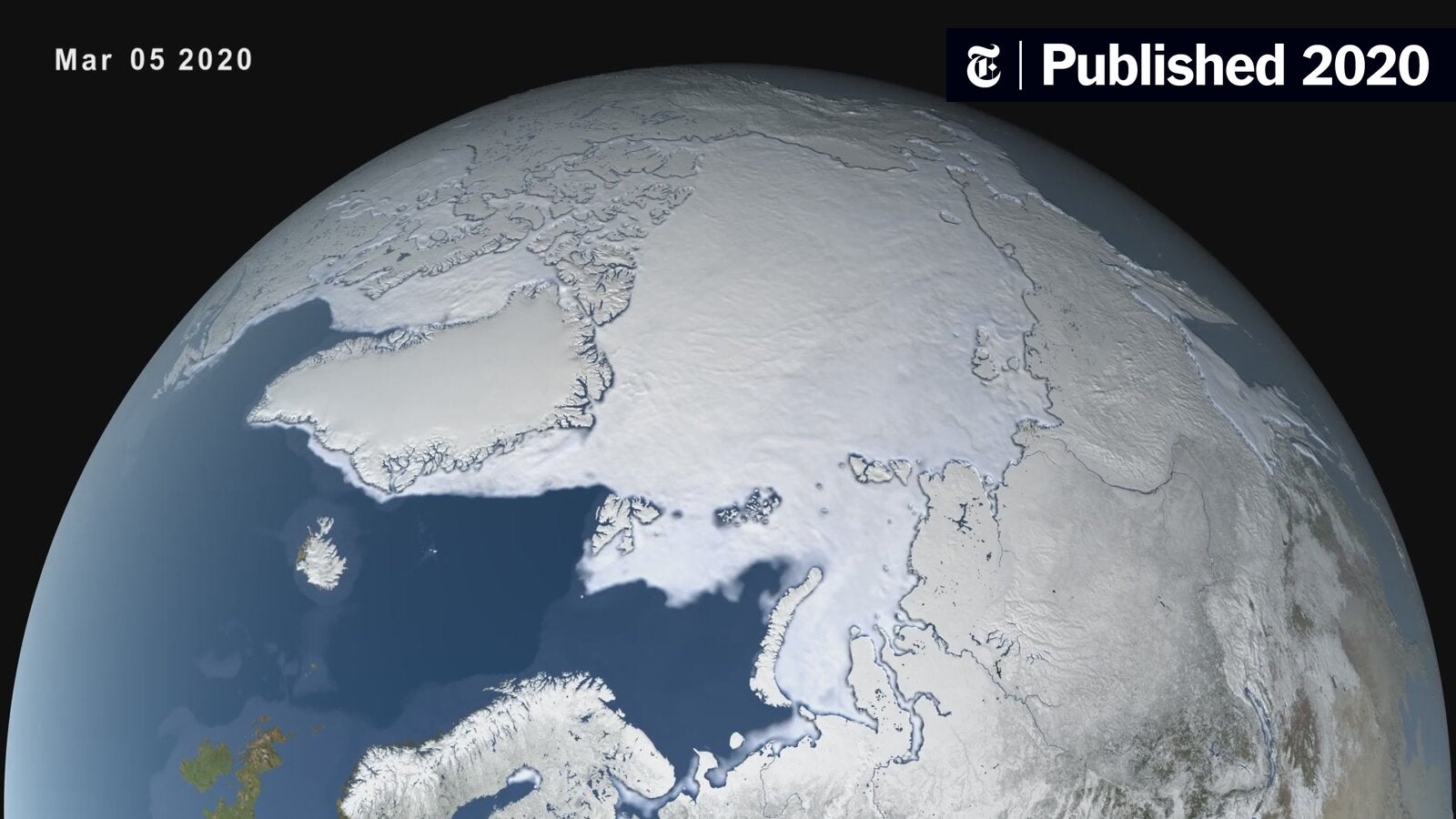
Scientists warn that the Arctic is transitioning to a new climate state, driven by accelerated warming, permafrost thaw, and feedbacks that reshape regional and global systems.
Quick Answer
The Arctic is moving into a distinct climate regime in which sea‑ice cover, permafrost stability, and ecosystem composition are changing faster than historical variability. This shift is primarily caused by Arctic amplification—enhanced warming due to loss of reflective ice and increased heat absorption by open water. High‑confidence evidence shows that the region is warming at roughly twice the global average, leading to permafrost carbon release and altered atmospheric circulation. While the overall direction of change is clear, uncertainties remain around the magnitude of future methane emissions and the timing of ecosystem thresholds.
Key Takeaways
- Arctic temperatures have risen about 2 °C since the late 1970s, roughly twice the global average.
- Loss of sea ice reduces surface albedo, creating a positive feedback that accelerates warming.
- Thawing permafrost can release large amounts of methane and carbon dioxide, potentially amplifying global warming.
- Changes affect wildlife, Indigenous livelihoods, and weather patterns across the Northern Hemisphere.
- Mitigation, adaptation, and Indigenous knowledge integration are essential to limit impacts.
What Is The Arctic Is Entering a New Climate State Scientists Warn?
The phrase describes a transition from the historically cold, ice‑dominated conditions that have characterized the Arctic for millennia to a regime where warmer temperatures, reduced sea‑ice extent, and altered precipitation patterns become the new norm. This state is not a temporary anomaly; it reflects a systemic shift in energy balances, surface properties, and ecosystem dynamics. Understanding the boundaries—such as the extent of sea‑ice loss, the depth of permafrost thaw, and the emergence of new vegetation zones—helps clarify why the change matters for global climate, biodiversity, and human societies.
How Does It Work?
1. Arctic Amplification
When sea ice melts, the darker ocean surface absorbs more solar radiation (lower albedo). This extra heat warms the lower atmosphere, which in turn melts more ice—a classic positive feedback loop. Observations from NASA and NOAA satellites show that Arctic sea‑ice extent has declined by about 13 % per decade since 1979.
2. Permafrost Thaw and Greenhouse‑Gas Release
Permafrost—soil that remains below 0 °C for at least two years—stores roughly 1,500 Gt of carbon, about twice the amount currently in the atmosphere. As surface temperatures rise, the active layer deepens, allowing microbes to decompose organic matter and emit carbon dioxide and methane. The IPCC (2021) notes that permafrost carbon feedback could add 0.1–0.5 °C of warming by 2100 under high‑emission scenarios.
3. Changes in Atmospheric Circulation
Reduced temperature contrast between the Arctic and mid‑latitudes weakens the polar jet stream, leading to more persistent weather patterns. This can increase the frequency of extreme cold spells in some regions and heat waves in others, as documented in multiple peer‑reviewed studies.
4. Ecosystem Reorganization
Warmer conditions allow shrub expansion, altering surface energy balance and providing new habitats for insects and herbivores. Species such as polar bears and ringed seals lose critical sea‑ice hunting platforms, while some fish and seabirds expand northward.
What Does the Evidence Show?
Long‑term monitoring by the National Snow and Ice Data Center (NSIDC) confirms a steady decline in September sea‑ice extent from an average of 7.2 million km² in the 1980s to 4.3 million km² in the 2020s. Ground‑based temperature records across Arctic stations indicate a mean warming of 2.3 °C (1979–2020) compared with the global mean of 1.1 °C. Satellite gravimetry (GRACE) detects increasing mass loss from the Greenland Ice Sheet, contributing to sea‑level rise. Permafrost monitoring networks (e.g., the Global Terrestrial Network for Permafrost) report active‑layer deepening of 0.3 m per decade. These independent lines of evidence converge on the conclusion that the Arctic is undergoing a rapid, multi‑component transformation.
Main Causes or Drivers
Direct Human Influences
- Burning of fossil fuels releases CO₂, the primary driver of global temperature rise.
- Aerosol and black‑carbon deposition on snow accelerates melt.
Amplifying Natural Processes
- Reduced sea‑ice albedo enhances solar absorption.
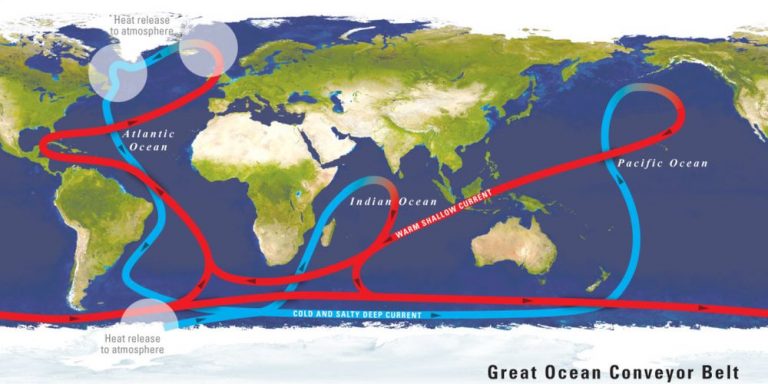
- Oceanic heat transport brings warmer Atlantic and Pacific waters into the Arctic basin.
Environmental and Human Impacts
Environmental Impacts
- Loss of sea ice diminishes habitat for ice‑dependent species and reduces the Earth’s reflectivity.
- Permafrost thaw can trigger landslides and destabilize infrastructure.
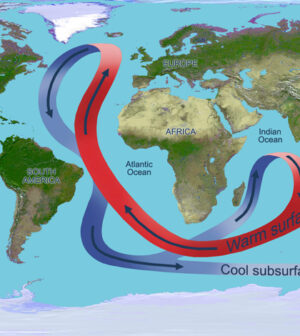
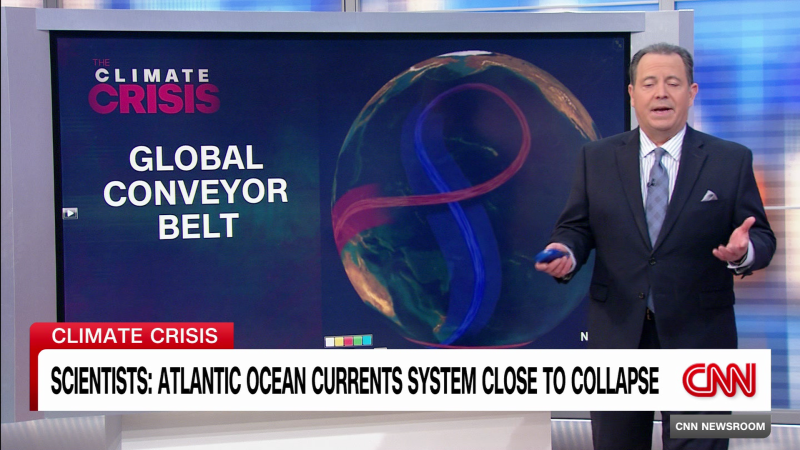
- Changes in freshwater input affect Atlantic Meridional Overturning Circulation, with potential global climate repercussions.
Human Health and Social Impacts
- Indigenous communities face food‑security challenges as traditional hunting grounds shrink.
- Increased exposure to contaminants released from melting ice threatens local health.
- More frequent extreme weather events can strain emergency services across the Northern Hemisphere.
Economic and Infrastructure Impacts
- New Arctic shipping routes (e.g., the Northwest Passage) shorten transit times but raise risks of oil spills and invasive species.
- Oil‑and‑gas exploration becomes more feasible, potentially increasing greenhouse‑gas emissions.
- Infrastructure built on permafrost (roads, pipelines) may require costly retrofits as ground stability declines.
Regional Differences
While the entire Arctic is warming, the rate varies. The Russian Arctic has experienced some of the fastest sea‑ice loss, whereas parts of the Canadian Archipelago retain relatively thicker multi‑year ice. Permafrost thaw is most pronounced in Siberia and Alaska, where deep‑soil carbon pools are extensive. These regional patterns shape local ecological responses and the scale of socioeconomic challenges.
What Scientists Know With High Confidence
- The Arctic is warming at roughly twice the global average.
- Sea‑ice extent has declined consistently over the past four decades.
- Permafrost stores large amounts of carbon that can be released as the active layer deepens.
- Arctic amplification creates a feedback loop that accelerates regional warming.
What Remains Uncertain
Key uncertainties include the exact magnitude of methane release from thawing permafrost, the threshold at which large‑scale ice‑sheet collapse may occur, and how quickly ecological communities can adapt to rapid habitat changes. Model representations of permafrost carbon feedback differ, leading to a range of projected warming contributions. Improved field measurements and higher‑resolution models are needed to narrow these gaps.
Common Misconceptions
Misconception: The Arctic will simply “freeze again” if global emissions drop.
Reality: Even with rapid emissions reductions, the inertia in the climate system means that much of the observed ice loss is already locked in, and some changes (e.g., permafrost carbon release) may continue for centuries.
Misconception: New Arctic shipping lanes are a net environmental win.
Reality: While shorter routes reduce fuel use per voyage, they also increase traffic in fragile ecosystems, raise the risk of accidents, and may encourage further fossil‑fuel extraction in the region.
Misconception: Only polar bears are affected by Arctic warming.
Reality: Warming impacts a cascade of species—from phytoplankton to seabirds—and alters the livelihoods of Indigenous peoples who depend on the whole ecosystem.
Solutions and Limitations
Addressing the Arctic transition requires coordinated mitigation, adaptation, and conservation strategies.
- Mitigation: Rapid global reduction of CO₂ emissions is the most effective way to limit further warming. International agreements such as the Paris Agreement provide a framework, but current nationally determined contributions are insufficient to stay below 2 °C.
- Adaptation: Communities can invest in permafrost‑resilient infrastructure, develop alternative food‑security programs, and enhance early‑warning systems for extreme weather. Adaptation is costly and cannot fully compensate for ecosystem loss.
- Conservation: Protecting critical habitats (e.g., marine protected areas) helps preserve biodiversity and maintains natural carbon sinks. However, enforcement in remote Arctic waters is challenging.
- Indigenous Knowledge Integration: Co‑producing research with Indigenous peoples improves monitoring and informs culturally appropriate adaptation, yet institutional barriers often limit meaningful participation.
What Individuals, Communities, and Governments Can Do
What Individuals Can Do
- Support policies and organizations that advocate for rapid decarbonization.
- Reduce personal carbon footprints through energy efficiency, sustainable travel, and plant‑rich diets.
- Stay informed about Arctic issues and amplify Indigenous voices.
What Communities and Organizations Can Do
- Develop local climate‑resilience plans that incorporate permafrost monitoring.
- Partner with Indigenous groups to incorporate traditional ecological knowledge into resource management.
- Invest in renewable energy projects that reduce dependence on diesel generators in remote Arctic settlements.
What Governments Can Do
- Implement and strengthen emissions‑reduction targets aligned with the IPCC 1.5 °C pathway.
- Fund long‑term Arctic observation networks (e.g., the Arctic Observing Network) to close data gaps.
- Regulate commercial activities (shipping, mining, oil exploration) with stringent environmental standards and mandatory impact assessments.
- Provide financial and technical assistance for climate‑adaptation infrastructure in vulnerable Indigenous communities.
Synthesis
The Arctic’s shift to a new climate state is a well‑documented, high‑confidence phenomenon driven by amplified warming, sea‑ice loss, and permafrost thaw. These changes ripple through ecosystems, Indigenous cultures, and global weather patterns. While uncertainties persist—especially regarding future greenhouse‑gas releases—the core message is clear: rapid global mitigation combined with locally tailored adaptation is essential. By integrating scientific knowledge, Indigenous insight, and proactive policy, society can reduce the most severe impacts while preserving the Arctic’s unique natural heritage.
Frequently Asked Questions
What does it mean that the Arctic is entering a new climate state?
It means the region is moving from long‑standing cold, ice‑dominated conditions to a regime where higher temperatures, reduced sea‑ice cover, and altered ecosystems become the new normal, driven by accelerated warming and feedback processes.
How does Arctic amplification differ from global warming?
Arctic amplification refers to the region warming about twice as fast as the global average because loss of reflective ice exposes darker ocean water that absorbs more sunlight, creating a feedback loop that speeds regional warming beyond the overall planetary trend.
What are the main risks of permafrost thaw in the Arctic?
Thawing permafrost can release large stores of carbon as carbon dioxide and methane, potentially adding 0.1–0.5 °C of warming by 2100, while also destabilizing infrastructure, increasing landslide risk, and altering hydrology that affects ecosystems and Indigenous livelihoods.
Are new shipping routes in the Arctic an environmental benefit?
Shorter routes can reduce fuel use per voyage, but they increase traffic in fragile ecosystems, raise spill and invasive‑species risks, and may spur more fossil‑fuel extraction, so the net environmental impact is mixed and not a clear benefit.
What actions can individuals take to help mitigate Arctic climate change?
Individuals can support strong climate policies, reduce personal carbon emissions through energy efficiency and sustainable travel, adopt plant‑rich diets, and amplify Indigenous voices and scientific information about the Arctic.





Leave a Comment