How GLIMS Uses Satellites to Track Glaciers From Space
GLIMS (Global Land Ice Measurements from Space) combines satellite remote‑sensing data with automated processing to monitor glacier extent, thickness, flow and mass balance,
November 20, 2025
GLIMS (Global Land Ice Measurements from Space) combines satellite remote‑sensing data with automated processing to monitor glacier extent, thickness, flow and mass balance,
November 20, 2025
Master the correct pronunciation of “glacier” (/ˈɡleɪʃər/), understand its linguistic roots, and see why accurate speech matters for climate communication. Quick Answer The
November 20, 2025
Glaciers worldwide are losing mass at an accelerating rate, a trend driven primarily by rising temperatures, and this loss threatens freshwater supplies, sea‑level
November 19, 2025
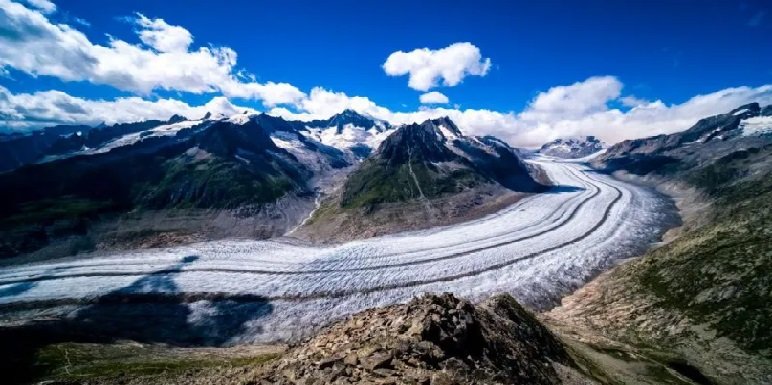
Swiss glaciers are rapidly losing ice because rising summer temperatures and reduced snowfall, driven by global greenhouse‑gas emissions, disrupt their natural mass‑balance, threatening
November 19, 2025
The Sahara shows patches of new vegetation, and scientists link this greening to rising temperatures, higher CO₂, and shifting rainfall, though the picture
November 18, 2025
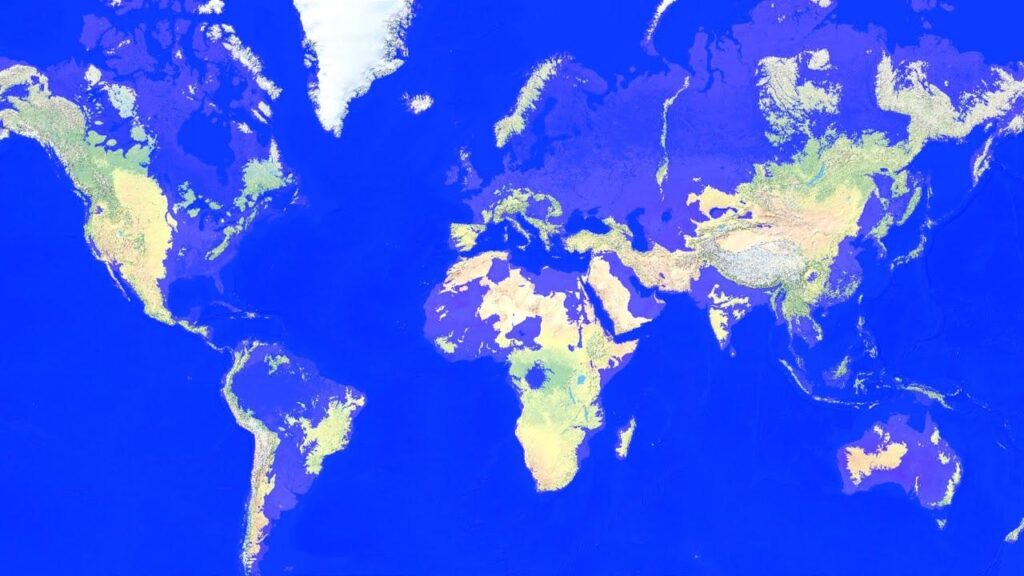
Melting ice from glaciers, ice caps, and the polar ice sheets adds water to the oceans and, together with thermal expansion, raises global
November 16, 2025