Blue Carbon: How Coastal Ecosystems Capture Carbon and Protect the Planet
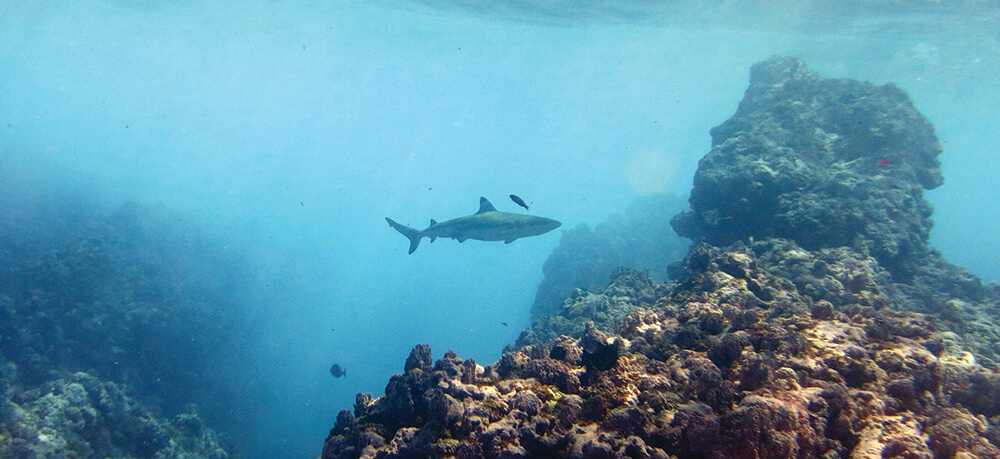
Blue carbon refers to the carbon captured and stored by coastal ecosystems such as mangroves, salt marshes, and seagrass meadows, offering a natural,
March 19, 2026
Blue carbon refers to the carbon captured and stored by coastal ecosystems such as mangroves, salt marshes, and seagrass meadows, offering a natural,
March 19, 2026
Bats are essential ecosystem engineers whose health is threatened by deforestation, habitat loss, and wildlife trade, and it is these human actions—not the
March 12, 2026
Several Australian species once listed as extinct have rebounded through targeted conservation, illustrating how science, policy, and community action can restore biodiversity. Quick
March 8, 2026
The 2024 East African elephant rescue combined drone surveillance, community empowerment, and policy advocacy to create a replicable model that reshapes modern wildlife
March 4, 2026
Rising temperatures and shrinking sea ice are altering the timing and routes of Arctic species, reshaping ecosystems and affecting Indigenous livelihoods. Quick Answer
March 1, 2026
The buffy‑tufted marmoset (Callithrix aurita) is a small Atlantic‑Forest primate whose survival hinges on habitat protection, anti‑poaching measures, and community‑based conservation. Quick Answer
February 28, 2026