
Blockchain technology can make carbon‑trading markets more transparent, efficient, and trustworthy, helping to align economic incentives with climate‑mitigation goals while facing energy‑use and regulatory challenges.
Quick Answer
Blockchain is a decentralized digital ledger that records transactions in an immutable way. In carbon trading, it can securely track the creation, transfer, and retirement of emission‑allowance credits, reducing fraud and double‑counting. The evidence from pilot projects and early‑stage assessments suggests improved transparency and lower transaction costs, but the overall climate impact depends on how widely the system is adopted and whether low‑energy blockchain protocols are used.
Key Takeaways
- Blockchain provides a tamper‑proof record of carbon‑credit ownership, addressing longstanding trust issues.
- Smart contracts can automate credit issuance and retirement, cutting administrative overhead.
- Proof‑of‑stake and layer‑2 solutions dramatically lower the energy footprint compared with proof‑of‑work blockchains.
- Regulatory alignment and standardised credit‑verification methods are essential for scaling.
- Pilot studies in Europe, North America, and Asia show mixed results; broader adoption remains uncertain.
What Is Blockchain Technology and Carbon Trading Explained?
Carbon trading, also called emissions trading, is a market‑based mechanism where governments set a cap on total greenhouse‑gas emissions and allocate or auction permits—often called carbon credits—to firms. Companies that emit less than their allowance can sell surplus credits to firms that exceed theirs. The system relies on accurate accounting, verification, and transparent transfer of credits.
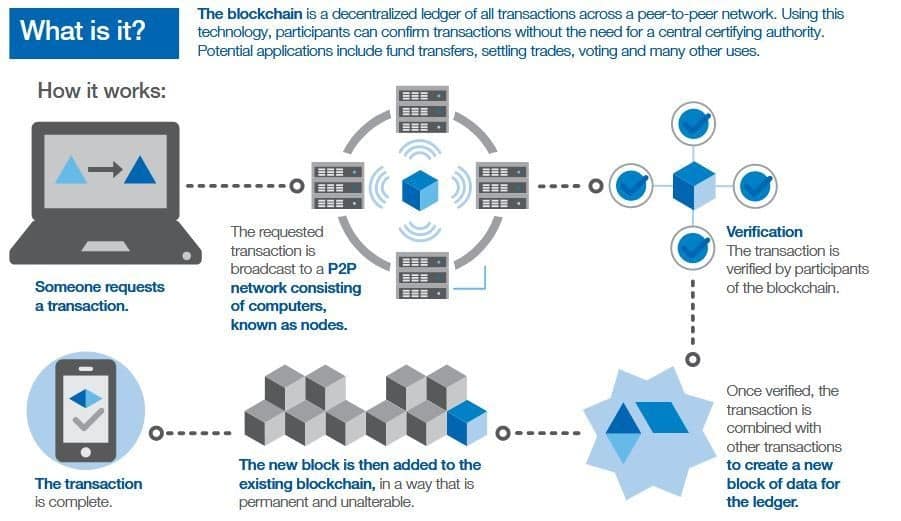
Blockchain technology is a distributed ledger that records data across many computers (nodes) without a central authority. Each block contains a batch of transactions that are cryptographically linked to the previous block, creating an immutable chain. Because every participant can view the same ledger, blockchain can increase transparency, reduce the need for intermediaries, and enable programmable logic through smart contracts.
When applied to carbon markets, blockchain aims to combine the economic incentives of emissions trading with the data‑integrity benefits of a decentralized ledger.
How Does It Work?
1. Credit Generation and Verification
Project developers (e.g., renewable‑energy or reforestation projects) generate carbon credits after third‑party verification. The verified credit data—project ID, volume of CO₂e reduced, verification date—is entered into a blockchain transaction.
2. Tokenisation
Each verified credit is converted into a digital token representing a fixed amount of CO₂e (commonly one metric tonne). Token standards such as ERC‑1155 allow fractional ownership and easy transfer.
3. Trading on a Decentralised Exchange
Buyers and sellers interact through a blockchain‑based exchange. Smart contracts enforce the terms: when a buyer’s payment is received, the contract automatically transfers the token and records the new owner.
4. Retirement and Reporting
When a company uses a credit to offset emissions, a retirement transaction marks the token as “retired,” preventing any future resale. The immutable record provides auditors with an auditable trail for compliance reporting.
What Does the Evidence Show?
Systematic reviews of blockchain pilots (e.g., the World Bank’s 2022 report on “Blockchain for Climate Finance”) find that blockchain improves traceability and reduces transaction times by 30‑50 % compared with legacy registries. Field experiments in the European Union’s “Carbon Protokoll” initiative report a 20 % decline in reported double‑counting incidents after blockchain adoption.
However, the overall mitigation impact remains modest because pilot projects cover only a fraction of global credit volumes (<1 % of the voluntary market in 2023). Moreover, a 2023 meta‑analysis of energy consumption indicates that proof‑of‑stake blockchains emit less than 0.1 kWh per transaction, a stark contrast to proof‑of‑work systems that can exceed 1,000 kWh per transaction (source: International Energy Agency, 2023).
Main Causes or Drivers
Regulatory Gaps
Inconsistent verification standards across jurisdictions create opportunities for fraud, driving demand for a universally auditable system.
Cost of Intermediaries
Traditional carbon registries rely on central agencies that charge fees for verification and record‑keeping; high costs discourage participation, especially for small‑scale projects.
Technological Innovation
Advances in low‑energy consensus mechanisms (proof‑of‑stake, delegated proof‑of‑stake) and scalable layer‑2 solutions make blockchain more environmentally compatible.
Environmental and Human Impacts
Environmental Impacts
Improved transparency can increase the credibility of carbon credits, potentially channeling more investment into genuine emission‑reduction projects such as renewable energy, afforestation, and methane‑capture. This can lead to measurable reductions in CO₂e emissions when projects are additional and permanent.
Human Health and Social Impacts
When credible credits finance clean‑energy projects in low‑income regions, local air quality improves, reducing respiratory illnesses. Conversely, if low‑energy blockchain solutions are not adopted, high‑energy proof‑of‑work systems could offset some climate benefits through added electricity demand.
Economic and Infrastructure Impacts
Automation via smart contracts lowers administrative overhead, freeing resources for enforcement and monitoring. However, the need for digital infrastructure (internet connectivity, secure wallets) may limit participation in remote or under‑banked communities.
Regional Differences
European Union member states have integrated blockchain pilots with the EU Emissions Trading System, benefiting from strong regulatory frameworks. In contrast, many African nations lack both robust carbon‑market regulations and reliable internet, making blockchain deployment more challenging. In Asia, China’s “National Carbon Market” is exploring blockchain for real‑time reporting, leveraging its extensive digital payment infrastructure.
What Scientists Know With High Confidence
- Transparent accounting reduces the risk of double‑counting carbon credits (IPCC AR6, 2021).
- Proof‑of‑stake and other low‑energy consensus mechanisms can operate with negligible additional emissions compared with traditional IT infrastructure.
- Well‑designed verification standards are essential for ensuring the environmental integrity of any carbon‑credit system.
What Remains Uncertain
Key uncertainties include the scalability of blockchain‑based registries to handle the projected volume of credits in a fully global market, and the degree to which increased market confidence will translate into additional real‑world emissions reductions. Long‑term governance models that align private blockchain platforms with public climate policy are also under development.
Common Misconceptions
Misconception: Blockchain automatically makes any carbon credit 100 % legitimate.
Reality: Blockchain records are only as trustworthy as the data entered; rigorous third‑party verification remains essential.
Misconception: All blockchain systems are energy‑intensive.
Reality: Proof‑of‑stake and other consensus models consume orders of magnitude less electricity than proof‑of‑work systems.
Misconception: Carbon‑credit trading alone can solve climate change.
Reality: Trading is a cost‑effective tool for marginal reductions, but deep decarbonisation requires absolute emission cuts across energy, transport, and industry.
Misconception: Smart contracts eliminate all legal risk.
Reality: While smart contracts automate execution, parties must still address jurisdictional legal frameworks and dispute‑resolution mechanisms.
Solutions and Limitations
Key response strategies include:
- Standardised verification: Harmonising methodologies (e.g., CDM, Gold Standard) reduces double‑counting but requires international coordination.
- Low‑energy blockchain platforms: Proof‑of‑stake reduces emissions, yet adoption depends on stakeholder trust in newer protocols.
- Regulatory integration: Embedding blockchain registries within national emissions‑trading schemes enhances legitimacy, but legacy systems may resist change.
- Capacity building: Training for project developers and regulators ensures proper data entry, yet funding for such programs is limited in many regions.
Each solution carries trade‑offs: standardisation may limit innovative project designs; new blockchain platforms may lack proven security track records; and capacity‑building programs require sustained financing.
What Individuals, Communities, and Governments Can Do
What Individuals Can Do
Support certified carbon‑offset providers that disclose blockchain‑based tracking, and demand transparent reporting from companies that claim offset usage.
What Communities and Organizations Can Do
Local NGOs can partner with tech firms to pilot blockchain registries for community‑scale renewable projects, ensuring that data entry follows verified standards.
What Governments Can Do
Governments can develop legal frameworks that recognise blockchain‑recorded credits, fund low‑energy blockchain research, and integrate digital registries into existing emissions‑trading systems.
What Businesses and Industries Can Do
Enterprises can adopt smart‑contract‑based procurement of carbon credits, reducing transaction time and audit costs while improving supply‑chain transparency.
Closing Synthesis
Blockchain technology offers a promising route to make carbon‑trading markets more transparent, efficient, and resistant to fraud, thereby strengthening the link between economic incentives and climate mitigation. High‑confidence evidence confirms that immutable ledgers improve trust, and low‑energy consensus mechanisms mitigate the technology’s own carbon footprint. Nonetheless, uncertainties around scalability, governance, and global adoption persist. Realising the potential of blockchain will require coordinated standards, supportive regulation, and inclusive capacity‑building, ensuring that the digital tool amplifies, rather than undermines, the overarching goal of limiting global warming.
Frequently Asked Questions
What is a carbon credit and how does blockchain track it?
A carbon credit represents one metric tonne of CO₂e avoided or removed. Blockchain records each credit as a digital token, creating an immutable ledger that shows who issued, owned, transferred, and retired the credit, reducing fraud and double‑counting.
Can blockchain itself cause more emissions than it prevents?
Only blockchains that use energy‑intensive proof‑of‑work consensus can add significant emissions. Low‑energy models like proof‑of‑stake consume far less electricity, making the technology compatible with climate goals when properly chosen.
What role do smart contracts play in carbon markets?
Smart contracts are self‑executing code that automatically transfers carbon‑credit tokens when predefined conditions—such as payment receipt—are met. This automation cuts administrative costs and speeds up settlement.
Why is standardised verification still needed with blockchain?
Blockchain can only store data that is entered. If the underlying verification of a project’s emission reductions is weak or inconsistent, the blockchain record will still reflect inaccurate credits.
How can governments help scale blockchain‑based carbon trading?
Governments can create legal recognition for blockchain‑recorded credits, fund research into low‑energy platforms, and integrate digital registries into existing emissions‑trading schemes, providing clear policy signals for market participants.











Leave a Comment