
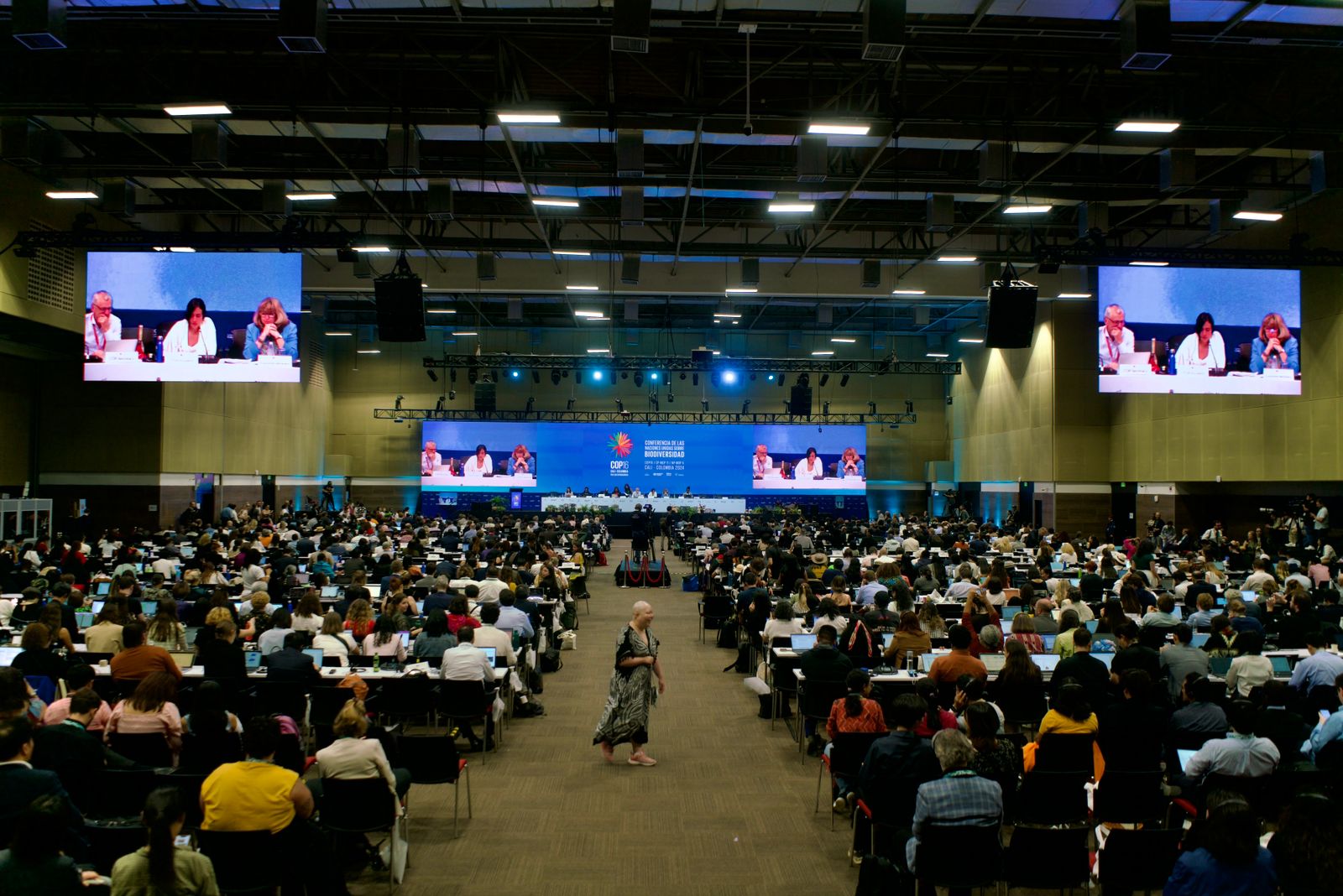
COP16 talks have reconvened in Rome, pressing governments to close the chronic funding gap for biodiversity conservation and restore ecosystems essential for climate resilience, human wellbeing, and planetary health.
Quick Answer
COP16, the 16th meeting of the Conference of the Parties to the Convention on Biological Diversity, resumed in Rome to negotiate new financial commitments for biodiversity. Delegates are discussing how to mobilise public and private resources, integrate natural‑capital accounting, and ensure equitable support for developing nations. The scientific consensus is that under‑funded biodiversity loss threatens ecosystem services, climate mitigation, and human livelihoods. While exact funding levels remain debated, the talks underscore that substantial, predictable finance is indispensable for halting species declines.
Key Takeaways
- Global biodiversity financing is estimated at less than 0.1% of GDP, far below the $200‑$300 billion annual shortfall identified by the IPBES Global Assessment (2023).
- Integrating biodiversity values into national accounting can make conservation a fiscal priority rather than an after‑thought.
- Indigenous stewardship accounts for up to 80% of the world’s remaining intact ecosystems, yet funding for Indigenous‑led projects remains limited.
- Green‑washing by corporations poses a risk; transparent, verifiable financing mechanisms are essential.
- Effective solutions combine protected‑area expansion, ecosystem restoration, and sustainable financing tools such as biodiversity offsets, debt‑for‑nature swaps, and blended finance.
What Is COP16 Talks Resume as Governments Face Pressure to Fund Biodiversity?
The COP16 gathering is the 16th plenary session of the Convention on Biological Diversity (CBD), an international treaty adopted in 1992 to conserve biological diversity, promote sustainable use, and ensure fair benefit‑sharing. After a pause due to the COVID‑19 pandemic, the conference reconvened in Rome in 2024 to assess progress against the 2030 biodiversity targets and to negotiate new financial commitments. The term “pressure to fund biodiversity” refers to the increasing demand from scientists, NGOs, and vulnerable communities for governments to allocate sufficient, predictable resources to halt species loss, restore habitats, and protect ecosystem services.
How Does It Work?
1. International Negotiation Process
Member States submit draft proposals, which are debated in working groups. Consensus‑based decisions are then adopted, forming the basis for national implementation plans.
2. Funding Mechanisms Under Discussion
- Biodiversity‑specific allocations within existing climate finance streams (e.g., Green Climate Fund).
- Debt‑for‑nature swaps, where creditor nations forgive debt in exchange for domestic conservation investment.
- Blended finance that combines public grants with private‑sector capital to de‑risk projects.
- Natural‑capital accounting that requires governments to report ecosystem values alongside GDP.
3. Implementation Pathway
- Agreement on a global target for biodiversity finance (e.g., 10% of national budgets by 2030).
- Establishment of monitoring frameworks to track disbursements and outcomes.
- Integration of biodiversity considerations into sectoral policies such as agriculture, infrastructure, and mining.
What Does the Evidence Show?
Multiple lines of evidence converge on the urgency of increased funding. The Intergovernmental Science‑Policy Platform on Biodiversity and Ecosystem Services (IPBES, 2023) estimates that over 1 million species face elevated extinction risk, a trajectory linked to insufficient conservation finance. The United Nations Environment Programme’s Global Biodiversity Outlook 2024 reports that only 7% of the $10 trillion annual economic value of ecosystem services is currently protected by public spending. Long‑term monitoring by the World Wildlife Fund shows that protected‑area coverage has risen to 15% of land surface, yet biodiversity loss continues at an average rate of 68% of species populations per decade in heavily altered regions. Together, these data indicate that financial shortfalls are a principal driver of ongoing decline.
Main Causes or Drivers
Direct Causes
- Habitat conversion for agriculture, urban expansion, and extractive industries.
- Overexploitation of wildlife for food, trade, and pet markets.
- Pollution, including plastic debris and chemical runoff.
- Climate‑induced stress such as altered temperature regimes and extreme weather.
Underlying Drivers
- Economic incentives that favour short‑term resource extraction over long‑term stewardship.
- Governance gaps, including weak enforcement of environmental regulations.
- Insufficient valuation of ecosystem services in national accounts.
- Historical inequities that leave low‑income countries bearing disproportionate biodiversity losses.
Environmental and Human Impacts
Environmental Impacts
- Loss of pollinator communities reduces crop yields, threatening food security.
- Deforestation diminishes carbon sequestration, amplifying climate change.
- Degraded wetlands reduce water‑filtration capacity, increasing flood risk.
- Marine habitat loss (e.g., coral bleaching) undermines fisheries and coastal protection.
Human Health and Social Impacts
- Reduced biodiversity correlates with higher incidence of zoonotic disease spillover, as identified in a 2022 systematic review by the WHO.
- Indigenous peoples, who manage 80% of the planet’s most biodiverse areas, experience cultural and livelihood loss when ecosystems degrade.
- Rural communities dependent on natural resources face income insecurity as ecosystems collapse.
Economic and Infrastructure Impacts
- Estimated $2 trillion in annual avoided costs from ecosystem services (e.g., flood mitigation) are lost when habitats are degraded (World Bank, 2021).
- Infrastructure projects built without biodiversity safeguards often require costly retrofits or face legal challenges.
Regional Differences
Funding gaps and biodiversity trends vary widely. In tropical regions such as the Congo Basin and Amazon, illegal logging and mining drive rapid habitat loss, yet international finance contributes less than 5% of conservation budgets. In contrast, European Union member states allocate on average 0.3% of GDP to nature‑based solutions, reflecting stronger policy frameworks. Small island developing states experience compounded threats from sea‑level rise and coral loss, but receive limited climate‑biodiversity financing, highlighting a mismatch between vulnerability and resource flow.
What Scientists Know With High Confidence
- Biodiversity underpins ecosystem services that support agriculture, water purification, and climate regulation.
- Current global financing for biodiversity is far below the $200‑$300 billion annual shortfall identified by IPBES.
- Indigenous and community‑managed lands harbor a disproportionate share of global biodiversity.
- Protected‑area expansion alone cannot halt species declines without adequate management funding.
What Remains Uncertain
Key uncertainties include the precise elasticity of biodiversity outcomes to different financing instruments, the long‑term effectiveness of biodiversity offsets in delivering net gains, and how climate‑change acceleration will reshape species‑distribution thresholds. Data gaps persist in many low‑income countries where monitoring networks are limited, making it difficult to assess the full impact of newly pledged funds. Resolving these uncertainties will require expanded, standardized reporting and longitudinal studies that track ecological responses to financial interventions.
Common Misconceptions
Misconception: Biodiversity loss is only a “nature” issue, not linked to human welfare.
Reality: Scientific assessments show that ecosystem services—pollination, clean water, disease regulation—directly affect food security, health, and economic stability.
Misconception: Climate finance automatically covers biodiversity.
Reality: While climate funds have grown, they are earmarked for mitigation and adaptation; dedicated biodiversity finance remains a separate, under‑funded stream.
Misconception: Private‑sector pledges are sufficient to meet biodiversity targets.
Reality: Voluntary corporate commitments often lack verification, and without robust public‑sector baselines they cannot replace the systemic funding required for large‑scale conservation.
Solutions and Limitations
Effective responses blend several approaches:
- Prevention: Strengthening land‑use planning and enforcing anti‑poaching laws can halt further loss, but requires political will and adequate enforcement capacity.
- Mitigation: Restoring degraded habitats (e.g., reforestation, mangrove planting) sequesters carbon and supports species recovery; however, restoration success depends on site selection, native species use, and long‑term maintenance.
- Adaptation: Building climate‑resilient protected areas helps ecosystems cope with changing conditions, yet may conflict with existing land‑rights if not inclusive.
- Financing Innovation: Debt‑for‑nature swaps and blended finance unlock new capital but can be complex to negotiate and may impose conditionalities that affect sovereignty.
- Indigenous Partnerships: Co‑management agreements respect rights and improve outcomes, but require legal recognition and equitable benefit‑sharing mechanisms.
Each strategy carries trade‑offs: high‑tech solutions may be costly; community‑based actions may lack scaling potential; market‑based instruments risk green‑washing if not rigorously monitored.
What Individuals, Communities, and Governments Can Do
What Individuals Can Do
- Support certified sustainable products (e.g., FSC timber, MSC seafood) to create market incentives for responsible sourcing.
- Engage in citizen‑science programs that monitor local biodiversity, supplying data for policy makers.
- Advocate for transparent corporate biodiversity reporting through shareholder resolutions.
What Communities and Organizations Can Do
- Form local conservation trusts that pool resources for habitat protection and restoration.
- Integrate traditional ecological knowledge into land‑management plans, strengthening cultural resilience.
- Partner with NGOs to develop biodiversity‑friendly business models, such as eco‑tourism that reinvests profits locally.
What Governments Can Do
- Adopt national biodiversity finance strategies aligned with the CBD’s 2030 targets, including legally binding budget allocations.
- Incorporate natural‑capital accounting into GDP reporting to reveal the economic cost of ecosystem loss.
- Facilitate equitable access to international funds for developing nations, ensuring that a minimum of 50% of financing reaches Indigenous and community‑led projects.
- Strengthen regulatory frameworks to prevent green‑washing and enforce corporate biodiversity commitments.
Synthesis of Key Insights
COP16 marks a pivotal moment where scientific consensus, economic analysis, and equity considerations converge on the need for substantially higher biodiversity finance. Robust evidence links under‑funded conservation to ecosystem service loss, climate‑change amplification, and human wellbeing risks. While uncertainties remain around the optimal mix of financing tools, the high‑confidence findings provide a clear roadmap: integrate biodiversity values into national accounts, expand equitable funding mechanisms, and centre Indigenous stewardship. Achieving these steps will require coordinated action across sectors, transparent monitoring, and sustained political commitment, ensuring that the planet’s living heritage is preserved for future generations.
Frequently Asked Questions
What is the main purpose of the COP16 meeting?
COP16 is the 16th session of the Convention on Biological Diversity, convened to assess progress toward global biodiversity targets and to negotiate new financial commitments for conservation and ecosystem restoration.
Why is biodiversity funding considered a priority alongside climate finance?
Biodiversity underpins ecosystem services such as carbon sequestration, water purification, and pollination, which are essential for climate mitigation and human livelihoods; however, dedicated biodiversity finance remains far lower than climate finance, creating a critical funding gap.
How do debt‑for‑nature swaps work as a financing tool?
In a debt‑for‑nature swap, a creditor nation forgives part of a developing country's external debt in exchange for that country committing the equivalent amount of resources to protected‑area expansion or habitat restoration.
What role do Indigenous peoples play in biodiversity conservation?
Indigenous and community‑managed lands contain up to 80% of the world’s remaining intact ecosystems, and their traditional knowledge improves stewardship outcomes, making their inclusion in funding strategies essential for effective conservation.
What are the biggest uncertainties about biodiversity financing discussed at COP16?
Key uncertainties include how different financing mechanisms translate into measurable biodiversity outcomes, the long‑term effectiveness of offsets, and the limited monitoring data from many low‑income countries that hampers assessment of fund impact.










Leave a Comment