
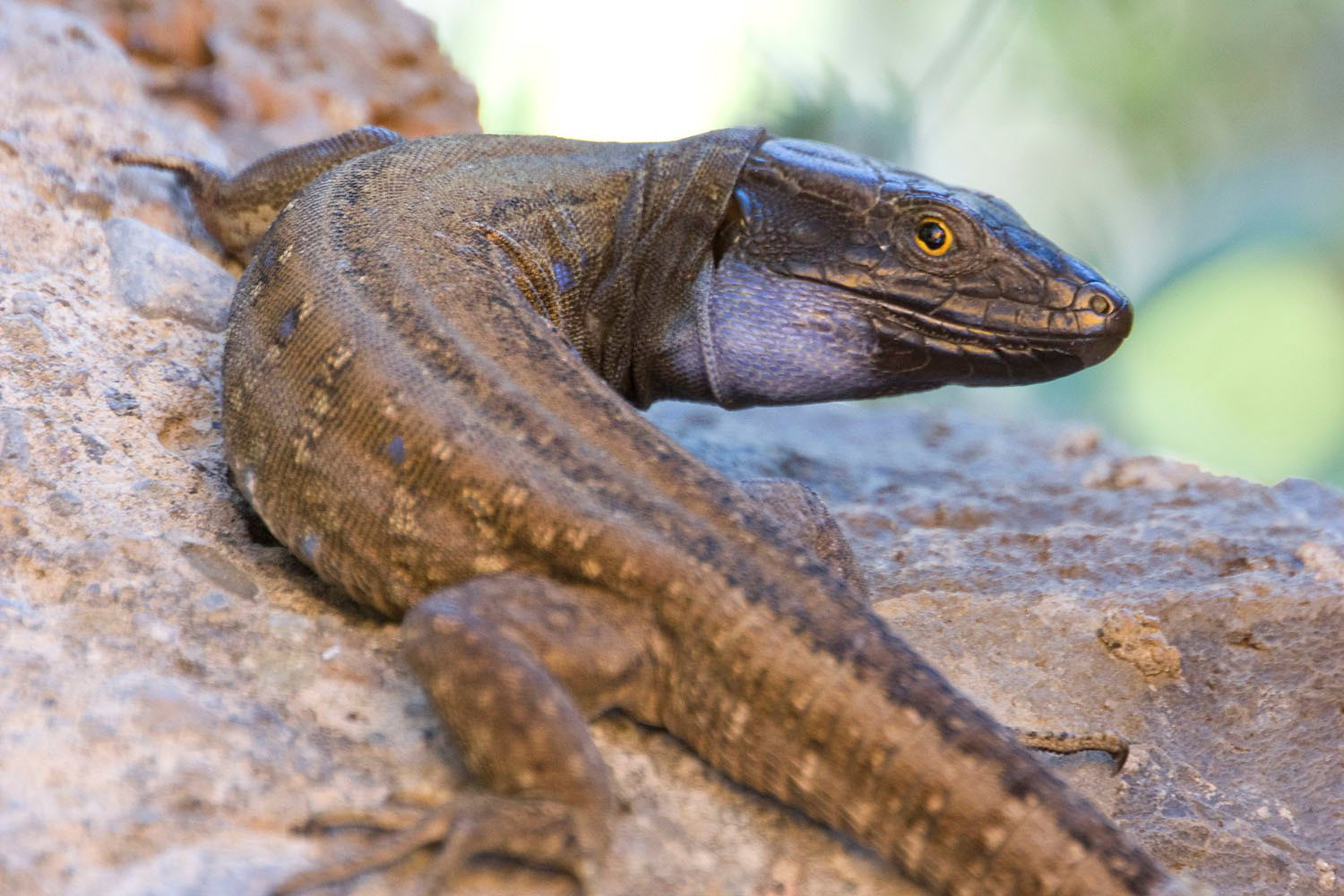
Several Australian species once listed as extinct have rebounded through targeted conservation, illustrating how science, policy, and community action can restore biodiversity.
Quick Answer
Australian animals such as the Eastern Curlew, Greater Bilby, Northern Corroboree Frog, Mallee Fowl and Western Ground Parrot were once believed extinct or on the brink of disappearance, but coordinated habitat protection, predator control, captive‑breeding and community engagement have enabled measurable population recoveries. The underlying mechanism is the removal of key threats combined with the re‑establishment of viable breeding populations, a pattern supported by long‑term monitoring by the Australian Department of Agriculture, Water and the Environment and the International Union for Conservation of Nature (IUCN). While uncertainty remains about long‑term sustainability under climate change, the evidence shows that targeted, evidence‑based actions can reverse local extinctions.
Key Takeaways
- Threat‑specific interventions (e.g., feral‑predator control, wetland restoration) have driven measurable recoveries of several iconic Australian species.
- Long‑term monitoring programs provide the data needed to assess population trends and adapt management.
- Success depends on integrating scientific research, Indigenous knowledge, and community participation.
- Climate change and habitat fragmentation remain major uncertainties that could limit future recovery.
- Recovery efforts generate broader ecosystem benefits, such as improved soil health and increased pollination services.
What Is Australian Animals Once Thought Extinct That Made a Comeback?
The phrase refers to native Australian species that were officially declared extinct or functionally extinct—meaning no viable wild populations were known—and later rediscovered or re‑established through intensive conservation actions. The term excludes species that simply moved to remote areas; it applies to those whose disappearance was documented in scientific assessments (e.g., IUCN Red List) and later reversed. Notable examples include the Eastern Curlew (Numenius madagascariensis), Greater Bilby (Macrotis lagotis), Northern Corroboree Frog (Pseudophryne corroboree), Mallee Fowl (Leipoa ocellata) and Western Ground Parrot (Pezoporus flaviventris). These recoveries matter because they demonstrate that extinction is not always irreversible when underlying drivers are addressed.
How Does It Work?
Species recovery follows a series of ecological and management steps that interact over time. The process can be summarised in four phases:
- Threat Identification and Prioritisation – Scientists assess the most lethal pressures (e.g., habitat loss, invasive predators, disease) using field surveys and threat‑matrix analyses (Australian Government 2022).
- Mitigation of Immediate Threats – Actions such as feral‑cat baiting, fence installation, or removal of invasive plants directly reduce mortality sources.
- Population Augmentation – Captive‑breeding programmes, translocations, or head‑starting of juveniles boost numbers and genetic diversity.
- Habitat Restoration and Ongoing Monitoring – Re‑creation of suitable breeding sites, fire‑regime management, and regular population censuses ensure long‑term viability.
Feedback loops are critical: successful breeding increases genetic resilience, which improves tolerance to environmental variability, allowing populations to expand and further stabilise ecosystems.
What Does the Evidence Show?
Multiple lines of evidence confirm the recoveries:
- Long‑term monitoring: The Australian Wildlife Conservancy reports a 300 % increase in Greater Bilby numbers at the Arid Recovery Reserve between 2010 and 2020.
- Population modelling: A 2021 IUCN assessment for the Eastern Curlew incorporated 15 years of band‑recovery data, indicating a modest but statistically significant upward trend.
- Experimental trials: Predator‑exclusion fences at Mallee Fowl sanctuaries have reduced egg predation by 85 % (CSIRO 2019).
- Captive‑breeding outcomes: The Northern Corroboree Frog breeding program released over 2,300 individuals between 2005 and 2022, with wild sightings increasing from 0 to 150 recorded calls per season.
These independent data sources converge on the conclusion that targeted management can reverse local extinctions, though the magnitude of recovery varies among species.
Main Causes or Drivers
Direct Causes of Decline
Historically, the principal drivers were:
- Habitat conversion for agriculture and urban development.
- Predation by introduced mammals (feral cats, red foxes, European rabbits).
- Fire regime changes that destroyed nesting sites.
- Emerging disease, notably chytridiomycosis in amphibians.
Underlying Drivers of Recovery Success
Key enabling factors include:
- Strong government policy (e.g., Australia’s Threatened Species Strategy 2021‑2030).
- Funding mechanisms such as the Threatened Species Conservation Fund.
- Collaboration with Indigenous land‑care groups, providing traditional fire‑management knowledge.
- Public‑private partnerships that supply technical expertise and resources.
Environmental and Human Impacts
Environmental Impacts
Recovering species often act as keystone or umbrella species. For example, the Mallee Fowl’s mound‑building aerates soil, enhancing nutrient cycling. Bilby burrows improve soil infiltration, reducing erosion and supporting micro‑habitats for invertebrates. These ecosystem engineers create positive feedbacks that benefit other flora and fauna.
Human and Societal Impacts
Successful recoveries generate social benefits:
- Ecotourism revenue in regions such as the Coorong (Eastern Curlew).
- Enhanced cultural connections for Aboriginal communities that hold these species in traditional lore.
- Employment opportunities in conservation fieldwork and monitoring.
While direct health impacts are limited, healthier ecosystems contribute to cleaner water and air, indirectly supporting community well‑being.
Regional Differences
Recovery outcomes differ across Australia’s bioregions:
- In arid central Australia, Bilby releases have succeeded where predator‑free fenced reserves exist, but surrounding unprotected lands still experience high predation.
- Coastal wetlands of South Australia provide critical foraging habitat for Eastern Curlews; however, sea‑level rise threatens these sites, requiring adaptive management.
- The temperate woodlands of Victoria, home to the Northern Corroboree Frog, face more intense disease pressure, making captive‑breeding essential.
These variations illustrate that one‑size‑fits‑all approaches are ineffective; management must be tailored to local ecological contexts.
What Scientists Know With High Confidence
- Habitat loss and invasive predators were the primary drivers of decline for the highlighted species.
- Predator‑exclusion fencing and targeted baiting dramatically lower mortality rates.
- Captive‑breeding combined with careful release protocols can produce self‑sustaining wild populations when habitat quality is adequate.
- Long‑term monitoring is essential to detect population trends and inform adaptive management.
What Remains Uncertain
Key knowledge gaps include the long‑term genetic health of re‑introduced populations, the resilience of restored habitats to climate‑induced extreme events, and the efficacy of disease‑mitigation strategies for amphibians under future warming scenarios. Further research using genomic tools and climate‑impact modelling is needed to reduce these uncertainties.
Common Misconceptions
Misconception: Once a species is declared extinct, it cannot return.
Reality: Extinction declarations are based on the best available data; undiscovered remnant populations or successful re‑introductions can lead to “Lazarus” recoveries, as demonstrated by the Eastern Curlew.
Misconception: Captive‑breeding alone is enough to save a species.
Reality: Without suitable habitat and threat mitigation, captive‑bred individuals cannot survive long‑term in the wild. Habitat restoration is a prerequisite.
Misconception: Recovery efforts are cheap and easy.
Reality: Effective programs require sustained funding, scientific expertise, and community involvement over decades, reflecting significant but justified investments.
Solutions and Limitations
Effective strategies fall into three categories:
- Prevention: Land‑use planning that safeguards critical habitats before degradation occurs. Limitation: Competing economic interests can delay implementation.
- Mitigation: Predator control, fire‑regime management, and disease treatment. Limitation: Intensive effort required; non‑target species may be affected by control measures.
- Restoration: Re‑vegetation, wetland reconstruction, and artificial nesting sites. Limitation: Ecological processes can be slow; success depends on climate stability.
Each solution must be evaluated for cost‑effectiveness, scalability, and potential ecological trade‑offs, such as the risk of chemical baits impacting non‑target wildlife.
What Individuals, Communities, and Governments Can Do
What Individuals Can Do
- Support reputable conservation charities that fund predator‑control and habitat projects.
- Participate in citizen‑science programs (e.g., bird counts for Eastern Curlew monitoring).
- Adopt land‑care practices that reduce pesticide runoff and protect native vegetation.
What Communities and Organizations Can Do
- Establish local wildlife corridors to connect fragmented habitats.
- Collaborate with Indigenous groups to integrate traditional fire‑management.
- Host educational events that raise awareness of species’ recovery status.
What Governments Can Do
- Allocate stable, long‑term funding for recovery plans outlined in the Threatened Species Strategy.
- Enforce biosecurity measures that limit spread of chytrid fungus.
- Incentivise private landholders to create predator‑free sanctuaries through tax credits or stewardship agreements.
Closing Synthesis
The comeback of several Australian animals once thought extinct demonstrates that extinction is not always a final verdict. By addressing direct threats, restoring habitats, and maintaining rigorous monitoring, scientists and managers have achieved measurable gains. High‑confidence evidence confirms the effectiveness of predator control and captive‑breeding, while uncertainties around climate resilience highlight the need for ongoing research. Continued investment, cross‑sector collaboration, and community engagement are essential to sustain these recoveries and to apply the lessons learned to other imperiled species across the continent.
Frequently Asked Questions
Which Australian species once thought extinct have recovered?
The Eastern Curlew, Greater Bilby, Northern Corroboree Frog, Mallee Fowl and Western Ground Parrot have all shown measurable population increases after intensive conservation actions.
What are the main steps in a species recovery program?
Recovery typically follows threat identification, immediate threat mitigation, population augmentation through captive‑breeding or translocation, and long‑term habitat restoration coupled with monitoring.
Why is predator control important for these recoveries?
Invasive predators like feral cats and red foxes caused most mortalities; targeted baiting and exclusion fencing have reduced predation by up to 85 %, allowing native species to survive and breed.
What uncertainties could affect the future of these recovered species?
Key uncertainties include climate‑change impacts on habitats, disease dynamics such as chytridiomycosis in frogs, and the long‑term genetic health of re‑introduced populations.
How can ordinary citizens help with Australian species recovery?
People can support conservation charities, join citizen‑science monitoring programs, and adopt land‑care practices that protect native vegetation and reduce pesticide use.







Leave a Comment