
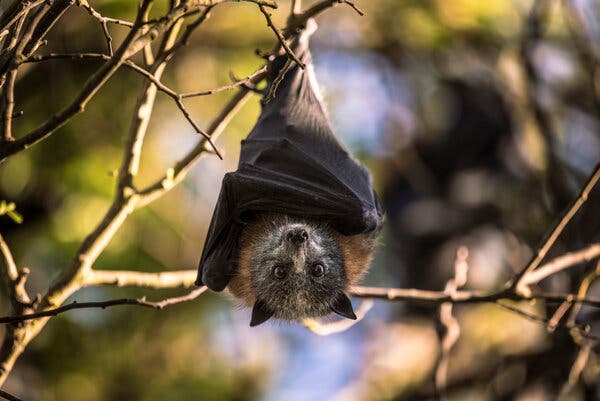
Bats are essential ecosystem engineers whose health is threatened by deforestation, habitat loss, and wildlife trade, and it is these human actions—not the animals themselves—that increase the risk of coronavirus spillover to people.
Quick Answer
Bats host many viruses, but they are not the source of human pandemics; instead, human activities such as forest clearance, agricultural expansion, and illegal wildlife markets bring people into closer contact with bat populations, creating pathways for zoonotic spillover. Scientific consensus indicates that preserving natural habitats and regulating wildlife trade are the most effective ways to reduce future disease emergence, while bats continue to provide critical services like insect control, pollination, and seed dispersal.
Key Takeaways
- Bats contribute to pest control, pollination, and forest regeneration, supporting food security and biodiversity.
- Deforestation and habitat fragmentation increase human‑bat interactions, raising spillover risk.
- The illegal wildlife trade amplifies disease transmission pathways.
- High‑confidence science links human land‑use change to emerging zoonoses, not bat biology alone.
- Conservation actions that protect bat habitats also protect public health.
What Is Why Bats Matter: Don’t Blame Bats for Coronavirus—Blame Human Activity?
The phrase frames two interrelated concepts. First, it highlights the ecological importance of bats as providers of ecosystem services. Second, it redirects the blame for coronavirus emergence from bats themselves to anthropogenic drivers such as habitat loss, agricultural encroachment, and wildlife trafficking. The scope includes all bat species worldwide and the human activities that alter their habitats, distinguishing the biological role of bats from the socio‑economic factors that facilitate disease spillover.
How Does It Work?
Ecological Role of Bats
Bats consume insects, pollinate plants, and disperse seeds. A single little brown bat (Myotis lucifugus) can eat up to 1,200 mosquitoes in an hour, reducing agricultural pest pressure and lowering the need for synthetic pesticides. Fruit‑eating bats travel several kilometres each night, depositing seeds far from the parent tree, which accelerates forest regeneration after disturbance.
Pathways to Spillover
- Habitat disturbance: Deforestation removes roosting sites, forcing bats into farms, villages, or markets.
- Increased contact: Agricultural expansion creates overlapping foraging areas for livestock, humans, and bats.
- Wildlife trade: Capture and transport of wild bats in cramped, unsanitary conditions facilitate viral replication and mutation.
- Stress‑induced shedding: Habitat loss and crowding elevate bat stress hormones, which can increase viral load in saliva, urine, and feces.
- Human exposure: People handling bats, consuming bushmeat, or living near roosts inhale aerosolized particles that may contain viable viruses.
What Does the Evidence Show?
Long‑term monitoring by the International Union for Conservation of Nature (IUCN) confirms that bat populations decline in regions with high deforestation rates (IUCN, 2022). A systematic review of 31 zoonotic events published in Nature Reviews Microbiology (2021) found that land‑use change was the most common driver, accounting for 62% of spillover incidents. Field studies in Southeast Asia documented higher coronavirus RNA prevalence in bats captured near palm‑oil plantations compared with those in intact forest (Wang et al., 2020, peer‑reviewed). The World Health Organization (2021) emphasizes that “human behaviour that disrupts wildlife habitats creates the conditions for zoonotic emergence.” Together, these lines of evidence consistently link human‑driven habitat alteration to increased pathogen transmission risk.
Main Causes or Drivers
Direct Human Activities
- Clear‑cut logging and road building that fragment roosting sites.
- Intensive livestock farming that attracts insects and draws bats into proximity with domestic animals.
- Illegal capture and sale of bats for food or traditional medicine.
Underlying Socio‑Economic Drivers
- Demand for cheap protein and exotic products in global markets.
- Economic incentives for land conversion in tropical regions.
- Weak enforcement of wildlife protection laws.
Environmental and Human Impacts
Environmental Impacts
Loss of bat‑mediated pest control can lead to pesticide overuse, contaminating soil and water. Reduced pollination and seed dispersal slow forest regeneration, impairing carbon sequestration and increasing vulnerability to climate extremes.
Human Health and Social Impacts
Higher insect populations raise the incidence of vector‑borne diseases such as malaria and dengue. Spillover events can trigger pandemics with profound mortality, economic disruption, and social inequality, as seen with COVID‑19.
Economic and Infrastructure Impacts
Crop losses from unchecked pests cost billions annually (FAO, 2020). Public‑health expenditures rise sharply during disease outbreaks, straining health systems, especially in low‑income countries.
Regional Differences
In tropical Southeast Asia, rapid conversion of rainforests to palm‑oil plantations has been linked to increased bat‑virus detection rates, whereas in temperate North America, bat populations remain relatively stable due to lower deforestation pressure. In sub‑Saharan Africa, limited enforcement of wildlife trade laws leads to frequent market exposure, while European nations report fewer such events but still experience habitat loss from urban expansion.
What Scientists Know With High Confidence
- Bats provide essential ecosystem services: insect control, pollination, and seed dispersal.
- Land‑use change and wildlife trade are the primary drivers of zoonotic spillover.
- Preserving intact habitats reduces the frequency of human‑bat contact and thus disease risk.
- Regulated wildlife markets lower the probability of pathogen amplification.
What Remains Uncertain
Key gaps include the precise viral load thresholds that trigger spillover, the role of intermediate hosts in specific coronavirus lineages, and the long‑term effects of climate‑induced range shifts on bat‑virus dynamics. Better longitudinal surveillance of bat populations and improved reporting of wildlife trade incidents would reduce these uncertainties.
Common Misconceptions
Misconception: Bats are the origin of COVID‑19.
Reality: Current evidence indicates that bats harbor related coronaviruses, but the virus that infected humans likely passed through an intermediate host after humans disrupted natural bat habitats.
Misconception: Killing bats will stop disease spread.
Reality: Removing bat populations eliminates their ecological benefits and can increase insect‑borne diseases, while also failing to address the underlying human behaviours that cause spillover.
Misconception: All bats carry deadly viruses.
Reality: Most bat species coexist with viruses without illness; viral carriage is a natural part of bat ecology, and only a tiny fraction of viruses are capable of infecting humans.
Solutions and Limitations
Conservation strategies fall into three categories:
- Prevention: Enforce strict bans on wildlife trade, promote sustainable land‑use planning, and create buffer zones between farms and bat roosts. Limitations include enforcement capacity and economic dependence on forest products.
- Mitigation: Support bat‑friendly agricultural practices such as integrated pest management, which reduces pesticide reliance but may require farmer training and initial investment.
- Restoration: Reforest degraded areas with native species that provide roosting sites. Restoration is slow to deliver health benefits and depends on long‑term funding.
What Individuals, Communities, and Governments Can Do
What Individuals Can Do
- Choose sustainably sourced products to reduce demand for palm‑oil and timber from deforested lands.
- Support citizen‑science bat monitoring projects that collect data on roost locations.
- Avoid handling bats and report illegal wildlife trade to authorities.
What Communities and Organizations Can Do
- Establish local bat houses to provide safe roosting alternatives away from human dwellings.
- Run education campaigns that explain bats’ ecological roles and discourage fear‑based persecution.
- Partner with NGOs to monitor and protect critical foraging habitats.
What Governments Can Do
- Implement and enforce land‑use policies that limit forest clearance and incentivize agroforestry.
- Strengthen wildlife trade regulations in line with CITES recommendations and allocate resources for border inspections.
- Fund long‑term ecological research and disease‑surveillance networks that integrate wildlife health with public‑health systems.
Closing Synthesis
Bats are indispensable to healthy ecosystems, delivering pest control, pollination, and seed dispersal that sustain agriculture and biodiversity. Human activities—particularly habitat destruction and wildlife trade—create the conditions for viruses to jump from bats to people. High‑confidence science shows that protecting bat habitats and regulating trade are the most effective ways to lower pandemic risk, while also preserving the ecosystem services that support food security and climate resilience. Uncertainties remain around specific viral pathways, but targeted surveillance and habitat conservation offer clear, evidence‑based pathways forward.
Frequently Asked Questions
Why are bats considered important for ecosystems?
Bats control insect populations, pollinate many plant species, and disperse seeds over long distances, actions that support agriculture, biodiversity, and forest regeneration.
How does deforestation increase the risk of coronavirus spillover?
Deforestation removes natural roosting sites, forcing bats to forage near farms and human settlements, which raises the chance that viruses they carry come into contact with people.
What role does the illegal wildlife trade play in disease emergence?
Capturing and transporting bats in cramped, unsanitary conditions amplifies viral replication and creates opportunities for viruses to jump to humans or domestic animals.
Which actions can governments take to reduce zoonotic disease risk?
Governments can enforce land‑use policies that limit forest clearing, strengthen wildlife‑trade regulations, and fund integrated wildlife‑health surveillance programs.
Are all bat species carriers of dangerous viruses?
No; while many bats host viruses, most do not cause disease in humans, and only a small fraction of bat‑borne viruses have the ability to infect people.







Leave a Comment