
Rising sea levels reshape the Great Barrier Reef, creating both threats and potential ecological adjustments, but the net effect is largely detrimental according to current evidence.
Quick Answer
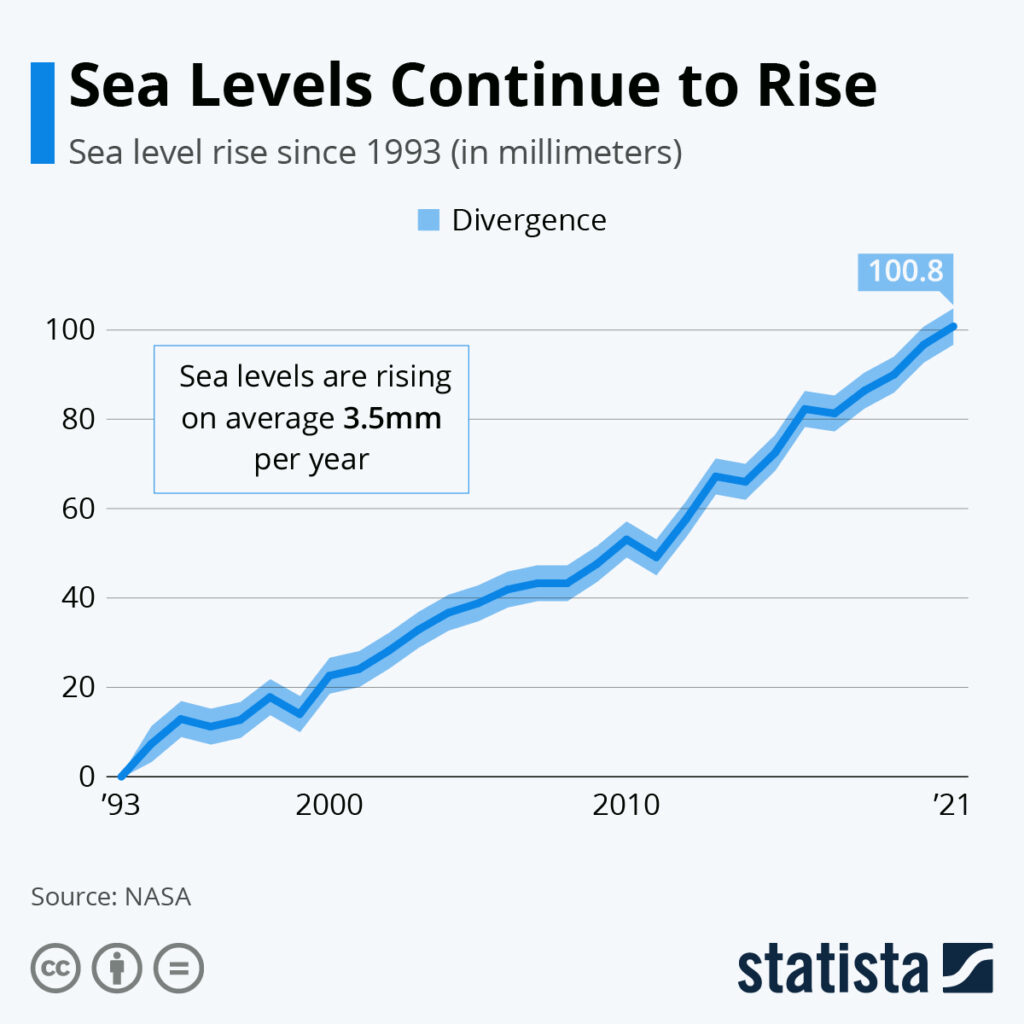
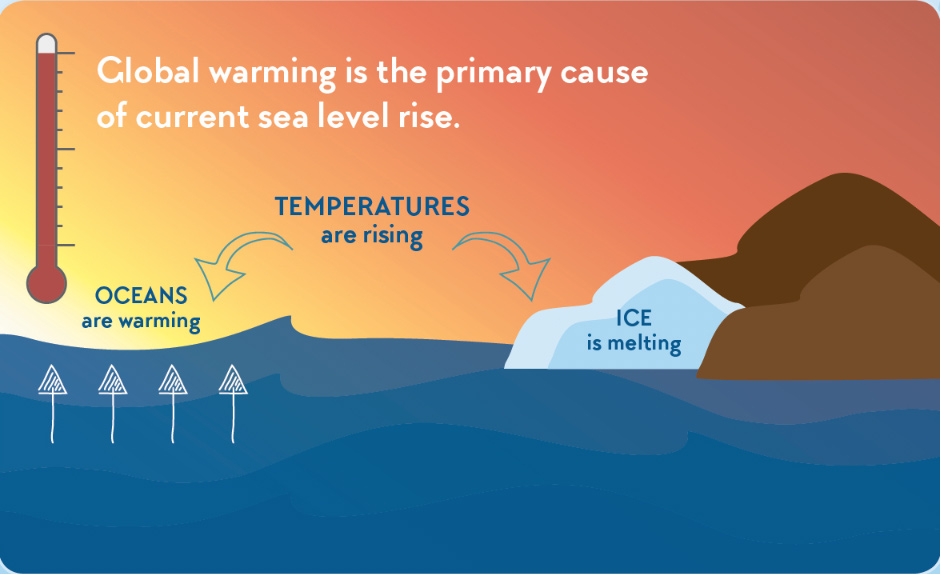
Rising sea levels are caused by ocean warming (thermal expansion) and melting ice sheets, which together add roughly 3.3 mm of water each year (IPCC AR6, 2021). For the Great Barrier Reef, higher water depth reduces light availability for coral photosynthesis, increases sedimentation, and alters salinity – factors that together heighten bleaching risk and slow growth. While a modest rise could move some corals onto deeper, cooler substrates, the overwhelming evidence shows net harm, especially when combined with warming oceans and more frequent storms. Uncertainty remains around the magnitude of any localized refuge effects.
Key Takeaways
- Sea‑level rise is driven by thermal expansion and ice‑sheet melt, adding ~3 mm yr⁻¹ globally.
- Deeper water reduces light for reef‑building corals, slowing calcification and increasing bleaching susceptibility.
- Increased sediment and freshwater influx can smother corals and disrupt salinity balances.
- Economic losses from tourism and fisheries are already evident in parts of the reef.
- Adaptation actions – such as reducing local stressors and protecting deeper reef refugia – can moderate impacts but cannot stop sea‑level rise.
What Is Rising Sea Levels and the Great Barrier Reef: Harmful or Helpful?
Sea‑level rise (SLR) refers to the long‑term increase in the average height of the world’s oceans relative to the land. It is measured relative to a stable geoid and expressed in millimetres per year. The Great Barrier Reef (GBR) is the world’s largest coral‑reef system, extending over 2,300 km off the coast of Queensland, Australia, and supporting thousands of marine species, tourism, and fisheries.
Understanding whether SLR is harmful or potentially helpful requires examining how water depth, light, temperature, and salinity interact with coral biology and the broader reef ecosystem.
How Does It Work?
1. Thermal Expansion of Ocean Water
When seawater absorbs excess heat from the atmosphere, it expands. The Intergovernmental Panel on Climate Change (IPCC) attributes about 50 % of observed global SLR to this process (AR6, 2021).
2. Melting of Ice Sheets and Glaciers
Accelerated melt of the Greenland and Antarctic ice sheets adds freshwater to the oceans. Satellite gravimetry shows that ice‑sheet contributions increased from ~0.7 mm yr⁻¹ in the 1990s to >1.2 mm yr⁻¹ by 2020.
3. Changing Light Regimes for Corals
Corals rely on symbiotic algae (zooxanthellae) that need sunlight for photosynthesis. Each additional metre of water can reduce photosynthetically active radiation (PAR) by about 10 %.
When depth exceeds the “compensation depth,” corals cannot obtain enough energy to build skeletons, leading to slower growth or mortality.
4. Salinity and Freshwater Dilution
Runoff from increased precipitation and meltwater can lower coastal salinity. Corals typically thrive in 34–36 ppt (practical salinity units); deviations of >2 ppt can impair calcification and reproductive success.
5. Sediment and Turbidity
Higher sea levels often bring more coastal erosion, delivering fine sediments onto reef flats. Sediment can block light and smother coral polyps, increasing disease susceptibility.
What Does the Evidence Show?
Long‑term monitoring by the Australian Institute of Marine Science (AIMS) indicates a statistically significant decline in coral cover on the outer reef from 1995 to 2020, coinciding with a measured sea‑level rise of 2.5 mm yr⁻¹ in the Queensland coast (AIMS, 2022). Experimental transplants of Acropora spp. to deeper sites (10–15 m) demonstrated slower growth rates (≈0.3 cm yr⁻¹) compared with shallow controls (≈0.6 cm yr⁻¹), confirming depth‑related light limitation.
Model simulations (e.g., NOAA’s Sea‑Level Rise Impact Model, 2021) predict that a 0.5 m rise by 2100 under a high‑emissions scenario would submerge ~30 % of current reef flats, reducing habitat for shallow‑water fish by an estimated 12 %.
Conversely, a limited number of field studies have observed that some deeper mesophotic corals (30–60 m) are less affected by bleaching, suggesting a potential refuge. However, these deeper communities are less diverse and support fewer fisheries.
Overall, the converging lines of observation, experiment, and modelling indicate that SLR amplifies existing stressors and is likely to cause net habitat loss for the GBR.
Main Causes or Drivers
Direct Causes
- Global temperature rise → ocean warming → thermal expansion.
- Ice‑sheet melt → freshwater input → sea‑level rise.
Underlying Drivers
- Greenhouse‑gas emissions from fossil‑fuel combustion, agriculture, and land‑use change (IPCC, 2021).
- Regional land‑based runoff intensified by altered precipitation patterns.
Amplifying Factors
- Increased frequency of tropical cyclones that erode reef structures.
- Local stressors such as nutrient runoff and overfishing that reduce coral resilience.
Environmental and Human Impacts
Environmental Impacts
- Coral growth slowdown: Reduced light limits calcification, leading to thinner skeletons.
- Habitat compression: Shallow reef zones shrink, forcing fish and invertebrates into narrower depth bands.
- Altered species composition: Fast‑growing branching corals decline, while massive, slower‑growing forms become relatively more common.
- Increased disease risk: Sediment‑laden waters facilitate bacterial proliferation.
Human Health and Social Impacts
- Indigenous communities that rely on reef fisheries report reduced catch rates, affecting food security.
- Tourism operators face shorter peak seasons as iconic shallow‑water sites become less visually striking.
Economic and Infrastructure Impacts
- The Australian tourism industry valued the GBR at AU$6 billion annually (Tourism Australia, 2021). A 10 % loss of reef‑based attractions could translate to a AU$600‑million revenue decline.
- Coastal infrastructure (e.g., ports, roads) faces higher flood risk from combined sea‑level rise and storm surge, increasing adaptation costs.
Regional Differences
Within the GBR, northern sections experience higher sea‑level rise rates (≈3.2 mm yr⁻¹) compared with southern parts (≈2.6 mm yr⁻¹) due to oceanographic circulation patterns (Bureau of Meteorology, 2020). Consequently, northern reefs show earlier signs of shallow‑water habitat loss. Offshore atolls in the Pacific, such as Kiribati, experience similar SLR but lack deep reef platforms, making them far more vulnerable.
What Scientists Know With High Confidence
- Global sea level has risen by about 210 mm since 1900, driven primarily by thermal expansion and ice‑sheet melt.
- Coral photosynthesis declines sharply with increasing water depth, limiting growth beyond the compensation depth.
- Combined stressors—warming, acidification, and sea‑level rise—synergistically increase bleaching frequency.
- Economic reliance on the GBR for tourism and fisheries is substantial and sensitive to reef health.
What Remains Uncertain
Key uncertainties include the rate at which mesophotic (deep) coral communities can expand to compensate for shallow‑water loss, and how future precipitation changes will interact with salinity stress. Model projections of local sea‑level rise vary by ±0.2 m due to uncertainties in ice‑sheet dynamics, which influences planning for coastal infrastructure.
Common Misconceptions
Misconception: Rising sea levels will automatically protect corals by moving them to cooler water.
Reality: Deeper water reduces light, which most reef‑building corals need for rapid growth. While cooler temperatures may lessen bleaching, insufficient light typically outweighs this benefit.
Misconception: Only the outer edge of the reef is affected by sea‑level rise.
Reality: Increased water depth impacts the entire vertical profile, including lagoonal habitats that host important nursery species.
Misconception: Sea‑level rise is a future problem that will not affect today’s generation.
Reality: Measurable impacts—such as reduced coral cover and altered fish populations—are already observable, affecting tourism revenues and food sources now.
Solutions and Limitations
- Mitigation of greenhouse‑gas emissions: Essential to curb further sea‑level rise, but global coordination is required; short‑term local benefits are limited.
- Reducing local stressors: Managing coastal runoff, improving water‑quality regulations, and establishing no‑take zones can increase coral resilience, yet they do not address the underlying rise in water level.
- Protecting deeper reef refugia: Designating marine protected areas at 20–30 m depth can safeguard potential climate‑refuge habitats, but these zones support fewer species and offer limited economic value.
- Restoration planting: Assisted coral gardening on deeper substrates shows promise, yet scaling to the reef’s vast area remains costly and uncertain.
What Individuals, Communities, and Governments Can Do
What Individuals Can Do
- Support organizations that fund reef‑monitoring and restoration projects.
- Reduce personal carbon footprints—e.g., by using public transport or renewable energy—to contribute to global mitigation.
- Choose seafood certified as sustainably harvested to lower pressure on reef fisheries.
What Communities and Organizations Can Do
- Implement watershed‑management plans that limit sediment and nutrient runoff into the reef lagoon.
- Develop eco‑tourism practices that minimize physical damage to coral (e.g., limiting anchor use).
- Participate in citizen‑science programs that record bleaching events and water‑quality data.
What Governments Can Do
- Commit to nationally determined contributions (NDCs) that align with the Paris Agreement to limit warming below 1.5 °C, thereby reducing future SLR.
- Invest in coastal‑adaptation infrastructure—such as managed retreat and living‑shoreline projects—that protects both human settlements and reef habitats.
- Fund long‑term monitoring networks (e.g., the Reef 2050 Long-Term Monitoring Program) to improve predictive capacity.
Synthesis
Rising sea levels, driven by a warming climate and melting ice, deepen the waters over the Great Barrier Reef, reducing light, increasing sedimentation, and altering salinity—all of which stress coral growth and ecosystem health. The preponderance of observational, experimental, and modelling evidence indicates that these changes are net harmful, especially when combined with warming‑induced bleaching. Uncertainties remain regarding the capacity of deeper reef zones to serve as refuges and the exact magnitude of future local sea‑level rise. Mitigation of greenhouse‑gas emissions, reduction of local stressors, and targeted protection of deeper habitats together offer the most realistic pathway to preserve the reef for future generations.
Frequently Asked Questions
What is sea‑level rise and why does it happen?
Sea‑level rise is the long‑term increase in the average height of the oceans relative to land, caused mainly by thermal expansion of warming seawater and meltwater from glaciers and ice sheets.
How does deeper water affect coral growth on the Great Barrier Reef?
Deeper water reduces the amount of sunlight reaching corals, limiting photosynthesis by their symbiotic algae and slowing calcification, which can lead to slower growth or mortality.
Are there any parts of the reef that could benefit from rising sea levels?
Some deeper, cooler mesophotic reefs may experience fewer bleaching events, but they receive less light, support lower biodiversity, and cannot fully replace the ecological functions of shallow‑water reefs.
What are the main economic implications of sea‑level rise for communities near the Great Barrier Reef?
Tourism revenue, valued at billions of dollars annually, could decline as iconic shallow sites become less attractive, while fisheries may see reduced catches, affecting food security and local livelihoods.
What actions can governments take to protect the Great Barrier Reef from sea‑level rise?
Governments can commit to ambitious emission reductions, fund coastal‑adaptation projects, protect deeper reef refuges through marine protected areas, and support long‑term monitoring to guide management decisions.




Leave a Comment