
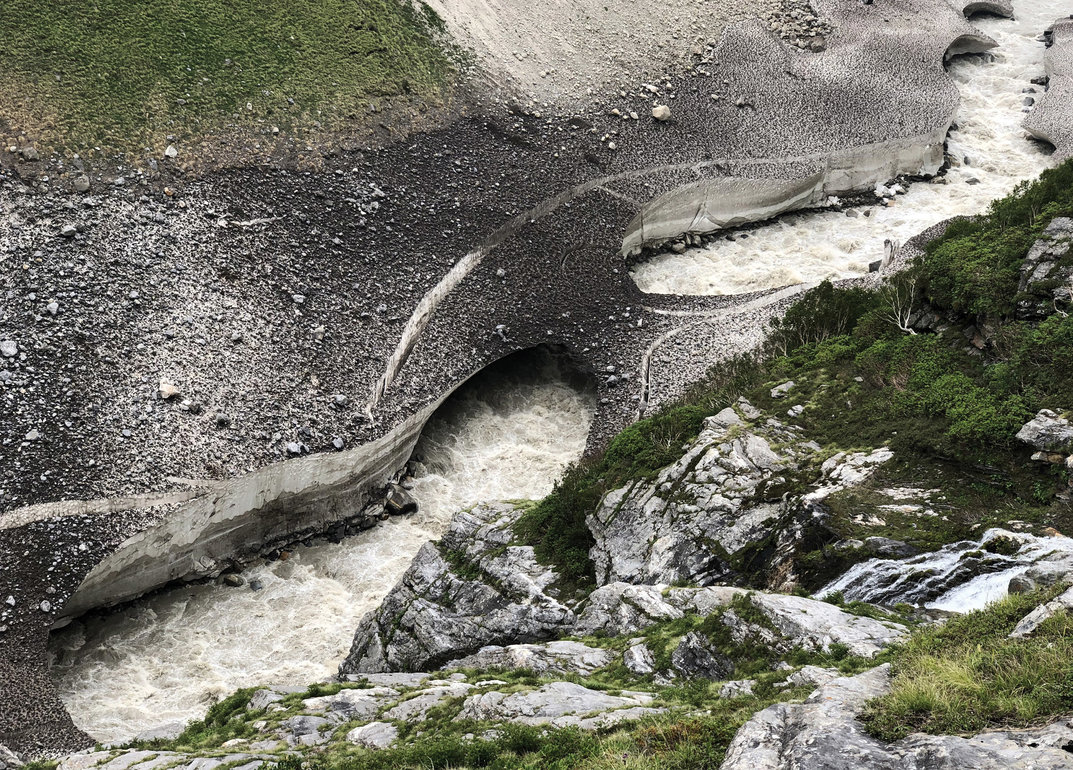
Melting glaciers are ice masses that shrink because rising temperatures and altered precipitation disturb the balance between snowfall and melt, leading to sea‑level rise, water shortages, and ecosystem changes.
Quick Answer
Melting glaciers are large, persistent bodies of ice that lose more mass each year than they gain from snowfall. The primary driver is global warming caused by greenhouse‑gas emissions, which raises air and surface temperatures and changes snowfall patterns. Strong scientific consensus indicates that continued warming will accelerate melt, contributing to sea‑level rise and reducing freshwater supplies for millions of people. While the overall trend is clear, uncertainties remain about the exact timing of regional impacts and the response of individual glaciers.
Key Takeaways
- Glaciers store about 69% of the world’s fresh water, but they are losing mass faster than they can replenish.
- The dominant cause is the enhanced greenhouse effect, which raises temperatures and alters precipitation.
- Melting contributes roughly 20% of observed sea‑level rise, threatening coastal communities.
- Regional impacts vary: mountain glaciers affect water for agriculture, while polar ice influences ocean circulation.
- Solutions combine emissions reduction, adaptation of water resources, and improved glacier monitoring.
What Is Melting Glaciers Explained for Intermediate English Learners CEFR B2?
A glacier is a thick, persistent layer of ice that forms where snowfall exceeds melt over many years. When a glacier loses more ice than it gains, it is said to be melting or retreating. The term does not refer to a single event but to a long‑term trend measured in decades or centuries. Glaciers exist mainly in polar regions (e.g., Antarctica, Greenland) and high mountain ranges such as the Himalayas, Andes, and Rockies. Understanding glacier melt matters because these ice bodies act as natural water reservoirs and influence global sea level.
How Does It Work?
Physical Processes
- Energy Balance: Glaciers gain mass when snowfall adds ice and lose mass when solar radiation, warm air, or rain melt the surface. The balance depends on temperature, humidity, and cloud cover.
- Albedo Effect: Fresh snow reflects most sunlight (high albedo). As snow ages or becomes dirty, its albedo drops, absorbing more heat and accelerating melt.
- Ice Flow: Gravity causes ice to flow downhill. When meltwater reaches the glacier base, it can lubricate this flow, increasing the speed of ice discharge.
Feedback Loops
- Higher temperatures → more melt → darker surface → lower albedo → further warming.
- Increased meltwater → faster ice flow → more ice reaches the ocean → sea‑level rise, which can alter ocean currents and regional climate.
What Does the Evidence Show?
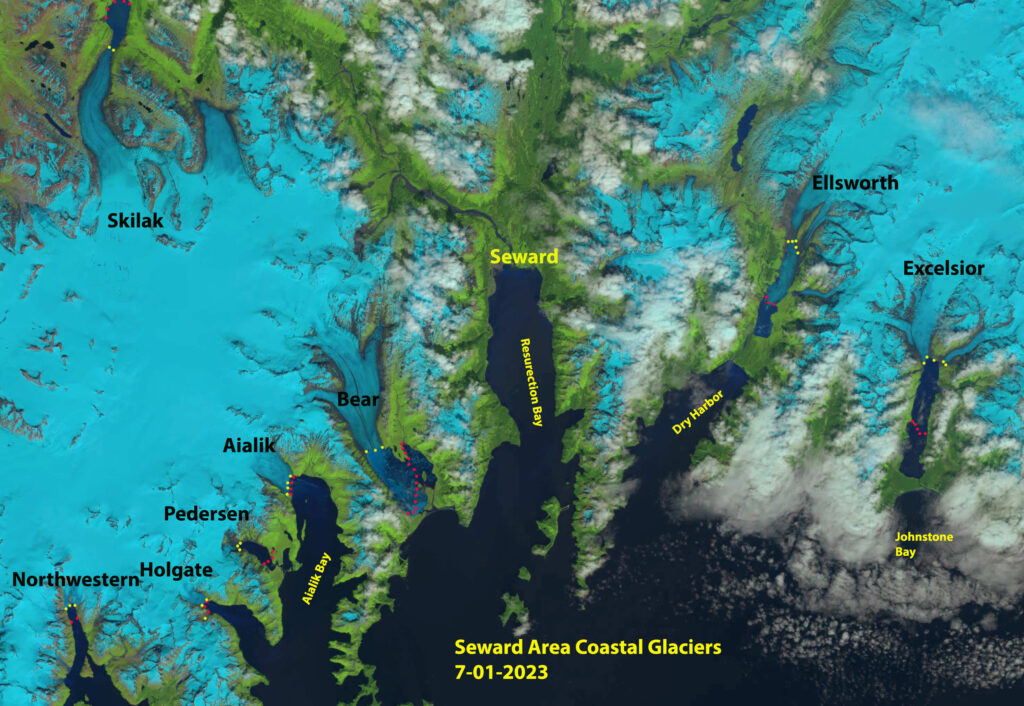
Long‑term satellite observations from NASA’s Landsat program (1999‑present) show that the world’s glaciers have lost about 9 % of their ice volume, equivalent to roughly 300 km³ per year on average. The Intergovernmental Panel on Climate Change (IPCC) Fifth Assessment Report (2014) and the more recent Sixth Assessment Report (2021) both conclude that glacier mass loss has accelerated since the 1990s, with high confidence that human‑induced warming is the main driver. Field measurements in the Himalayas, Andes, and European Alps confirm that annual melt rates have increased by 10‑30 % compared with the mid‑20th century baseline.
Main Causes or Drivers
Direct Causes
- Rising Air Temperatures: Global mean surface temperature increased by about 1.1 °C between 1850 and 2020 (IPCC, 2021), directly raising melt rates.
- Changing Snowfall Patterns: Warmer winters shift precipitation from snow to rain, reducing the amount of new ice formed.
Underlying Drivers
- Greenhouse‑Gas Emissions: Carbon dioxide concentrations reached 419 ppm in 2022 (NOAA), trapping additional heat.
- Feedbacks: Reduced albedo and increased meltwater lubrication amplify the primary temperature effect.
Environmental and Human Impacts
Environmental Impacts
- Sea‑Level Rise: Melting glacier ice contributes roughly 0.4 mm per year to global sea level, adding to thermal expansion.
- Freshwater Availability: In the Himalayas, glacier melt supplies up to 30 % of the annual flow of major rivers such as the Ganges and Indus, supporting agriculture for billions.
- Ecosystem Change: Cold‑water habitats downstream become warmer, threatening species like salmon and certain alpine insects.
Human Health and Social Impacts
- Reduced summer water flow can lead to irrigation shortages, increasing food‑security risks in regions reliant on glacier‑fed rivers.
- Communities downstream may experience heightened competition for water, potentially escalating social tensions.
Economic and Infrastructure Impacts
- Coastal cities face higher flood risk as sea level rises, requiring costly adaptation such as sea walls.
- Hydropower plants that depend on steady meltwater may see reduced generation during dry seasons.
Regional Differences
In the Arctic, rapid warming (about 2 °C per decade) has caused Greenland’s ice sheet to lose an average of 280 Gt per year between 2002 and 2020 (NASA, 2021). In contrast, the European Alps have experienced a 30‑40 % reduction in glacier area since 1850, affecting tourism and local water supply. Tropical mountain glaciers, such as those on Kilimanjaro, are retreating despite relatively modest temperature increases, because reduced cloud cover decreases precipitation. These examples illustrate that while the overarching driver—global warming—is common, local climate, topography, and socioeconomic factors shape the specific impacts.
What Scientists Know With High Confidence
- Human‑driven greenhouse‑gas emissions are the primary cause of the observed increase in global average temperatures.
- Glaciers worldwide have been losing mass faster than they gain snow since the late 20th century.
- The contribution of glacier melt to sea‑level rise is measurable and increasing.
- Reduced glacier meltwater threatens freshwater availability for millions of people, especially in South‑Asia.
What Remains Uncertain
Uncertainties focus on the timing and magnitude of regional glacier responses. Small alpine glaciers are less well monitored, leading to gaps in data on their exact melt rates. The interaction between meltwater‑induced ice flow acceleration and long‑term glacier stability is still an active research area. Improving high‑resolution satellite coverage and expanding ground‑based observations will reduce these uncertainties over the next decade.
Common Misconceptions
Misconception: Glacier melt is a natural cycle independent of humans.
Reality: While glaciers do retreat naturally over geological time, the rapid acceleration observed since the 1990s aligns with the unprecedented rise in atmospheric CO₂, and attribution studies assign a dominant human influence.
Misconception: Only polar ice matters for sea‑level rise.
Reality: Mountain glaciers, though smaller individually, collectively add a measurable amount of water to the oceans and can affect regional sea level, especially in nearby coastal zones.
Misconception: Melting glaciers will eventually create new water resources.
Reality: Short‑term melt can increase river flow, but long‑term loss reduces the stored water volume, leading to lower summer flows and heightened water scarcity.
Solutions and Limitations
Effective responses combine mitigation (reducing emissions) with adaptation (managing water resources). Mitigation is essential because without limiting warming, glacier loss will continue regardless of local actions. Adaptation measures—such as building reservoirs, improving water‑use efficiency, and developing early‑warning flood systems—can reduce vulnerability but do not restore lost ice. Conservation of high‑altitude wetlands can buffer downstream ecosystems, yet these measures require substantial investment and coordinated governance.
What Individuals, Communities, and Governments Can Do
What Individuals Can Do
- Reduce personal carbon footprints by using public transport, conserving energy at home, and supporting renewable electricity.
- Advocate for policies that set ambitious emissions targets.
- Support organizations that monitor glaciers and fund climate research.
What Communities and Organizations Can Do
- Implement water‑saving practices, such as rainwater harvesting and efficient irrigation.
- Develop local climate‑resilience plans that consider reduced glacier runoff.
- Participate in citizen‑science programs that collect glacier observations.
What Governments Can Do
- Enact and enforce strong greenhouse‑gas reduction commitments consistent with the Paris Agreement.
- Invest in high‑resolution satellite monitoring and ground stations for glacier mass balance.
- Provide financing for adaptive infrastructure in water‑scarce regions.
- Integrate glacier‑change scenarios into national water‑resource management.
Synthesis
Melting glaciers result from an imbalance between snowfall and melt driven primarily by human‑induced warming. Robust evidence from satellite records, field studies, and IPCC assessments confirms accelerating loss, which contributes to sea‑level rise and threatens freshwater supplies. While the broad trend is clear, uncertainties remain about the precise timing of regional impacts and the dynamics of ice flow under increased meltwater. Addressing the challenge requires rapid emissions cuts, improved monitoring, and adaptive water‑management strategies that respect local contexts and equity concerns.
Frequently Asked Questions
What defines a glacier and how is melting measured?
A glacier is a large, persistent body of ice formed where annual snowfall exceeds melt. Scientists measure melting by tracking changes in ice volume and surface area using satellite imagery, ground surveys, and mass‑balance studies.
Why are greenhouse gases linked to glacier melt?
Greenhouse gases trap heat in the atmosphere, raising global temperatures. Higher air and surface temperatures increase ice melt and reduce snowfall, shifting the balance so glaciers lose more ice than they gain.
How does glacier melt affect sea level?
When glacier ice melts, it adds freshwater to the oceans. According to the IPCC, melting glaciers contribute about 0.4 mm per year to global sea‑level rise, which adds to thermal expansion and raises coastal flood risk.
Which regions experience the most serious impacts from glacier loss?
Mountain regions such as the Himalayas, Andes, and the European Alps rely on glacier melt for river flow and agriculture, while the Arctic, especially Greenland, contributes significantly to sea‑level rise. Impacts vary with local climate and water dependence.
What actions can help reduce glacier melt?
The most effective action is reducing greenhouse‑gas emissions through clean energy, efficient transport, and policy support. Adaptation measures like water‑saving technologies and improved flood defenses also help communities cope with the changes.




Leave a Comment