
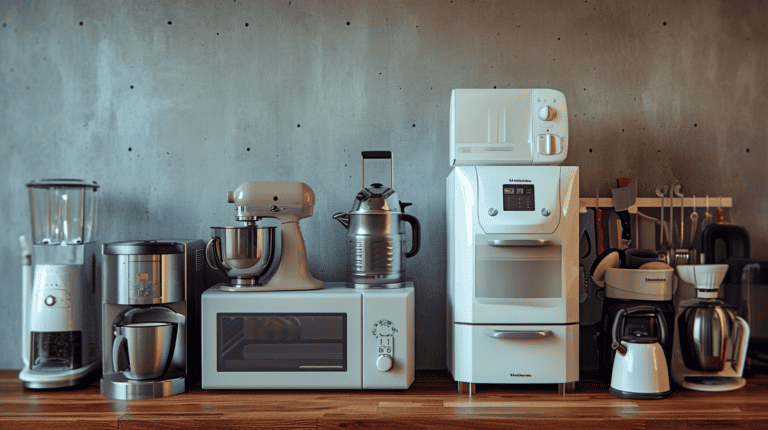
Simple daily energy‑saving habits teach mindfulness, reduce costs, and illustrate how personal choices connect to broader environmental benefits backed by scientific evidence.
Quick Answer
Everyday energy‑saving actions—like using natural light, unplugging idle devices, or choosing active transport—are small behavioral adjustments that cumulatively lower household electricity demand, decrease greenhouse‑gas emissions, and foster a mindset of resource awareness. The scientific consensus confirms that residential energy efficiency can cut emissions by 10‑30% in many regions, though the exact impact varies with climate, building stock, and local electricity mixes. While individual actions alone cannot solve the climate crisis, they are proven entry points for broader systemic change.
Key Takeaways
- Energy‑saving habits cultivate mindfulness about resource use.
- Physical mechanisms—reduced demand, lower heat loss, and diminished phantom loads—directly cut emissions.
- Evidence from the International Energy Agency and national monitoring shows residential efficiency saves millions of tons of CO₂ annually.
- Benefits differ by climate zone, housing type, and electricity source.
- Effective solutions blend personal habits with community programs and supportive policies.
What Is Life Lessons From Everyday Energy‑Saving Experiences?
The phrase refers to the practical, repeatable actions people take in homes, workplaces, or neighborhoods that reduce electricity consumption, and the broader personal insights those actions generate. It encompasses low‑tech measures (e.g., daylighting, thermostat adjustments), behavioral shifts (e.g., unplugging devices), and the reflective learning—such as heightened awareness of waste and a sense of agency—that arises from seeing tangible savings. Unlike large‑scale industrial efficiency projects, these experiences occur at the individual or community level and are readily observable.
How Does It Work?
Physical and Technical Mechanisms
- Reduced Electrical Load: Turning off lights or appliances lowers the instantaneous demand measured in kilowatts (kW). Fewer kilowatt‑hours (kWh) are drawn from the grid, directly decreasing fuel combustion at power plants.
- Mitigated Phantom Load: Many devices consume 0.5‑5 W even when not in active use. Unplugging or using smart power strips eliminates this continuous drain, which can account for up to 10 % of residential electricity use (U.S. Energy Information Administration, 2022).
- Improved Building Envelope: Simple actions like closing blinds in summer reduce solar heat gain, decreasing air‑conditioning demand.
Behavioral and Psychological Pathways
- Mindfulness: Monitoring energy use encourages people to notice other wasteful patterns, fostering a habit of conscious consumption.
- Feedback Loops: Seeing a lower utility bill reinforces the behavior, creating a positive reinforcement cycle.
- Social Diffusion: Demonstrated savings often inspire neighbors, amplifying the impact through peer influence.
What Does the Evidence Show?
Long‑term monitoring by the International Energy Agency (IEA) indicates that widespread adoption of basic efficiency measures (e.g., LED lighting, programmable thermostats) could reduce global residential electricity demand by 1,200 TWh per year—equivalent to removing roughly 250 million tCO₂ annually (IEA, 2023). Field experiments in Europe and North America consistently report 5‑30 % reductions in household energy use after interventions that promote unplugging and daylighting (e.g., ENERGY STAR field study, 2021). Meta‑analyses of behavior‑change programs find that combined technical retrofits and feedback devices achieve the highest savings, with an average of 15 % reduction in total consumption.
Main Causes or Drivers
Direct Causes
- Excess lighting due to habitually leaving lights on in unoccupied rooms.
- Phantom loads from chargers, televisions, and standby‑mode electronics.
- Inefficient appliances that consume more electricity than modern Energy Star‑rated equivalents.
Underlying Drivers
- Convenience culture that prioritizes immediate comfort over long‑term resource stewardship.
- Lack of real‑time energy feedback in many homes, making invisible consumption difficult to notice.
- Building designs that rely heavily on artificial lighting and mechanical climate control.
Environmental and Human Impacts
Environmental Impacts
Reduced electricity demand translates into lower fossil‑fuel combustion at power plants, decreasing emissions of CO₂, SO₂, and NOₓ. In regions where electricity is predominantly coal‑based (e.g., parts of Asia), a 10 % household demand cut can avert up to 0.5 tCO₂ per household per year (World Bank, 2022). Lower emissions improve air quality, yielding measurable health benefits such as reduced incidence of asthma attacks.
Human Health and Social Impacts
Energy savings lower household energy bills, which is especially important for low‑income families that spend a higher share of income on utilities. Moreover, active transport choices (walking, cycling) associated with energy‑saving mindsets improve physical fitness and reduce traffic‑related injuries.
Economic and Infrastructure Impacts
Aggregated demand reductions ease peak‑load stress on grids, potentially delaying costly infrastructure upgrades. Utilities can invest saved capital into renewable generation instead of new fossil‑fuel plants.
Regional Differences
In temperate climates with long daylight hours (e.g., Scandinavia), daylighting yields significant electricity savings, while in tropical regions with high solar irradiance, shading strategies become more important to curb cooling loads. In high‑income countries where appliance turnover is rapid, the focus is often on replacing old devices with high‑efficiency models. Conversely, in low‑income settings, behavioral measures like unplugging may provide the largest immediate gains because appliance stock is already limited.
What Scientists Know With High Confidence
- Residential energy efficiency measures reliably reduce electricity consumption and associated emissions.
- Phantom loads constitute a measurable share of residential electricity use worldwide.
- Behavioral feedback (e.g., real‑time displays) enhances the effectiveness of technical upgrades.
What Remains Uncertain
Uncertainties persist around the long‑term durability of behavior change without ongoing feedback, the exact rebound effects (e.g., using saved energy for other activities), and the variability of savings across diverse housing stock in developing nations where data are sparse.
Common Misconceptions
Misconception: Turning off a single light saves negligible energy.
Reality: A 60‑W incandescent bulb used for 5 hours daily consumes 0.3 kWh per day. Over a year, that equals 109 kWh, roughly the electricity used by an average refrigerator in a year. Replacing it with an LED (≈10 W) or simply turning it off saves about 90 kWh annually.
Misconception: Energy‑saving actions are only for environmentally‑concerned people.
Reality: Savings directly lower utility bills, benefiting anyone facing rising energy costs, regardless of environmental motivations.
Misconception: All energy‑saving technologies are expensive.
Reality: Simple measures—such as using power strips, sealing drafts, or adjusting thermostat settings—cost little to implement and often pay for themselves within months through reduced bills.
Solutions and Limitations
Effective strategies combine low‑cost behavioral changes with supportive policies:
- Lighting upgrades: Switching to LEDs cuts lighting electricity by up to 80 %, but the initial purchase cost can be a barrier for some renters.
- Smart thermostats: Provide automated temperature control, yet rely on reliable internet connectivity and user trust.
- Appliance standards: Mandatory efficiency standards reduce average consumption, but older stock remains in use for many years, limiting immediate impact.
- Community programs: Local energy‑audit initiatives foster collective action, though they require funding and sustained outreach.
What Individuals, Communities, and Governments Can Do
What Individuals Can Do
- Use daylight whenever possible; keep blinds open in winter and closed in summer.
- Unplug chargers and electronics when not in use, or employ smart power strips.
- Set thermostats 1‑2 °C lower in winter and higher in summer; use programmable schedules.
- Choose ENERGY STAR‑rated appliances when replacing old equipment.
- Walk, bike, or use public transit for short trips to cut transportation‑related energy use.
What Communities and Organizations Can Do
- Offer free or low‑cost home energy audits and retrofits.
- Install shared solar or micro‑grid projects that reward reduced demand.
- Run awareness campaigns that showcase real‑world savings stories.
- Develop local car‑pool or bike‑share programs to lower collective travel energy.
What Governments Can Do
- Enforce minimum efficiency standards for lighting, appliances, and building envelopes.
- Provide rebates or tax credits for low‑income households to upgrade to high‑efficiency equipment.
- Invest in real‑time pricing and smart‑meter infrastructure to give consumers actionable feedback.
- Integrate energy‑efficiency targets into climate‑action plans and monitor progress through national statistics.
Synthesis of Lessons
Everyday energy‑saving experiences illustrate a clear scientific principle: reducing demand lessens emissions and saves money. The evidence confirms that simple actions—daylighting, unplugging, efficient appliances—produce measurable gains, especially when reinforced by feedback and community support. While uncertainties remain about long‑term behavior persistence and rebound effects, the high‑confidence findings provide a solid foundation for policies that promote low‑cost efficiency and for individuals seeking tangible ways to contribute to a sustainable future.
Frequently Asked Questions
What are the most effective everyday actions to save energy at home?
Turning off lights when not needed, unplugging idle electronics, using natural daylight, setting thermostats a few degrees lower in winter and higher in summer, and replacing old bulbs with LEDs are the actions consistently shown to cut household electricity use by 5‑30 %.
How do energy‑saving habits affect greenhouse‑gas emissions?
Reducing electricity demand lowers the amount of fossil fuel burned at power plants, which directly cuts CO₂, SO₂, and NOₓ emissions. In coal‑dependent regions, a 10 % drop in residential demand can prevent roughly 0.5 tCO₂ per household each year.
Why is unplugging devices called eliminating “phantom load”?
Phantom load refers to the small amount of power (typically 0.5‑5 W) that devices draw even when turned off. Multiplying this tiny draw across many devices and hours adds up to about 10 % of a home’s electricity use, so unplugging removes that hidden consumption.
Do energy‑saving measures work the same everywhere?
The basic physics is universal, but the magnitude of savings varies. Daylighting is most effective in high‑latitude regions with long daylight hours, while shading and cooling strategies matter more in hot, tropical zones. Local electricity mixes and building types also influence outcomes.
Can individual actions replace the need for large‑scale climate policies?
Individual actions are important entry points and can reduce emissions, but they cannot replace systemic measures such as renewable‑energy deployment, building‑code upgrades, and national efficiency standards, which together achieve the scale needed to meet climate goals.









Leave a Comment