
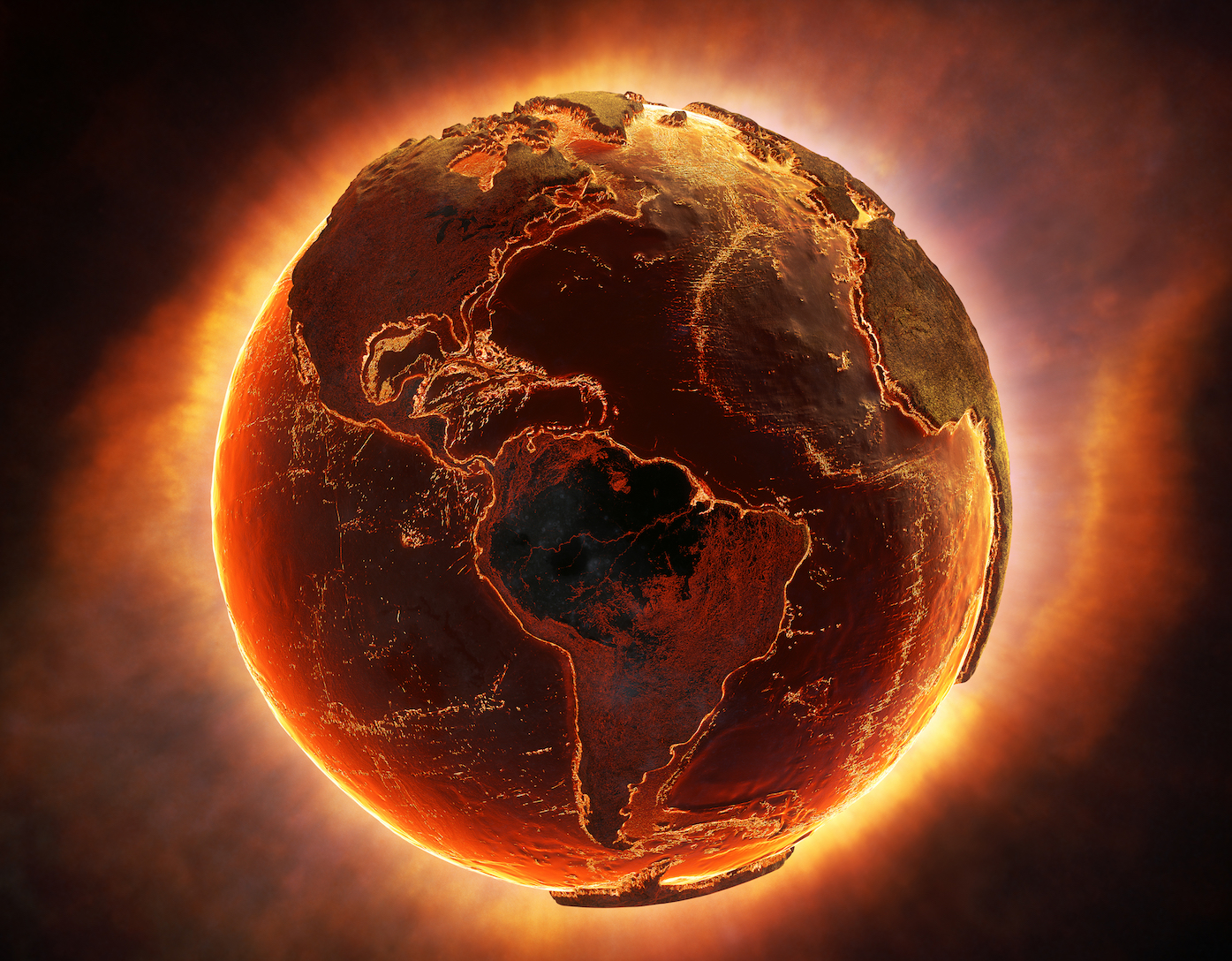
Scientific measurements show that global average temperatures in the past decade are hotter than any comparable period in at least the past 11,000 years, indicating an unprecedented warming trend driven largely by human activity.
Quick Answer
Yes, the Earth is warmer now than at any time in the Holocene epoch (the last 11,700 years) for which reliable temperature reconstructions exist. The primary mechanism is the enhanced greenhouse effect caused by rising concentrations of carbon dioxide, methane, and other gases from fossil‑fuel combustion, deforestation, and industrial processes. Multiple independent data sets—instrumental records, satellite observations, and paleoclimate proxies—converge on this conclusion. The warming has already increased the frequency of extreme heat events, accelerated ice loss, and raised sea level, while uncertainties remain about the timing of specific tipping points.
Key Takeaways
- Instrumental records show a global mean temperature rise of ~1.1 °C since the pre‑industrial era (1850‑1900).
- Paleoclimate evidence from ice cores, sediment, and tree rings indicates the past decade is hotter than any period in the last 11,000 years.
- Human‑generated greenhouse gases are the dominant driver, amplifying the natural greenhouse effect.
- Consequences include more intense heatwaves, accelerated glacier melt, sea‑level rise, and shifts in ecosystems.
- Uncertainties focus on the exact thresholds for irreversible changes and regional climate responses.
What Is Is the Earth Warmer Than Ever Before? The Data Explained?
The question asks whether contemporary global temperatures exceed all previous natural variations over the span of human civilization and beyond. It is distinct from short‑term weather anomalies; it refers to the long‑term average of surface air temperature across the globe, typically expressed as a 30‑year mean. The scope includes land and ocean surface measurements, satellite‑derived temperatures, and indirect proxies that extend the record back thousands of years.
How Does It Work?
Physical Basis of the Greenhouse Effect
Solar radiation reaches Earth as short‑wave energy. About 30 % is reflected, while the remainder is absorbed by the surface and re‑emitted as long‑wave infrared radiation. Greenhouse gases (CO₂, CH₄, N₂O, water vapour) absorb a portion of this infrared radiation and re‑radiate it back toward the surface, producing a warming effect. Adding more greenhouse gases deepens this “blanket,” reducing the net loss of heat to space.
Human Amplification
Since the Industrial Revolution, atmospheric CO₂ has risen from ~280 ppm to over 420 ppm (2023 data from NOAA). Fossil‑fuel combustion, cement production, and land‑use change are the primary sources. The increase in radiative forcing—measured as watts per square metre—is about 2.1 W m⁻² relative to pre‑industrial levels (IPCC AR6, 2021).
Feedback Loops
- Water‑vapour feedback: Warmer air holds more water vapour, itself a potent greenhouse gas, amplifying the initial warming.
- Albedo feedback: Melting snow and ice expose darker surfaces, reducing reflectivity and absorbing more solar energy.
- Carbon‑cycle feedback: Thawing permafrost releases additional CO₂ and CH₄.
Timescales
Immediate warming occurs within years to decades as the atmosphere adjusts. Longer‑term responses, such as deep‑ocean heat uptake and ice‑sheet dynamics, unfold over centuries to millennia.
What Does the Evidence Show?
Multiple, independent lines of evidence converge on the conclusion that the planet is now hotter than any comparable period in the Holocene:
- Instrumental records: The Global Historical Climatology Network and satellite datasets (NASA GISS, NOAA) record a consistent upward trend of ~0.18 °C per decade since 1981.
- Paleoclimate proxies: Ice cores from Antarctica (e.g., EPICA) and Greenland (GRIP) provide isotopic temperature estimates. These show that the 2010‑2020 decade exceeds the temperature range of the past 11,000 years by ~0.5 °C.
- Marine sediment cores: Mg/Ca ratios in foraminifera indicate sea‑surface temperature reconstructions that align with the ice‑core findings.
- Tree‑ring chronologies: Dendroclimatology across temperate regions records growth patterns consistent with a recent unprecedented warming signal.
All major assessment reports—including the IPCC Sixth Assessment Report (2021) and the World Meteorological Organization’s State of the Global Climate (2023)—state with high confidence that recent decades are warmer than any comparable period in the instrumental and proxy records.
Main Causes or Drivers
Direct Human Causes
- Burning of coal, oil, and gas for energy and transport.
- Cement production and other industrial processes that emit CO₂.
- Agricultural practices that release methane (enteric fermentation, rice paddies) and nitrous oxide.
Underlying Drivers
Economic growth, population increase, and energy demand have driven the expansion of fossil‑fuel use. Urbanization intensifies local heat islands, while land‑use change reduces carbon sinks.
Natural Influences
Solar variability and volcanic aerosols affect climate on decadal scales, but their net contribution to the observed warming since the mid‑20th century is minor compared with greenhouse‑gas forcing (IPCC AR6, 2021).
Environmental and Human Impacts
Environmental Impacts
- Ice loss: Greenland ice sheet mass loss accelerated to 279 Gt yr⁻¹ (2020‑2022, NASA GRACE observations).
- Sea‑level rise: Global mean sea level has risen ~20 cm since 1900, with a rate of 3.3 mm yr⁻¹ during 1993‑2022 (IPCC AR6).
- Ecosystem shifts: Species are moving poleward or to higher elevations; coral bleaching events have increased in frequency.
- Extreme weather: Heatwave intensity and duration have risen, consistent with attribution studies linking them to anthropogenic warming.
Human Health and Social Impacts
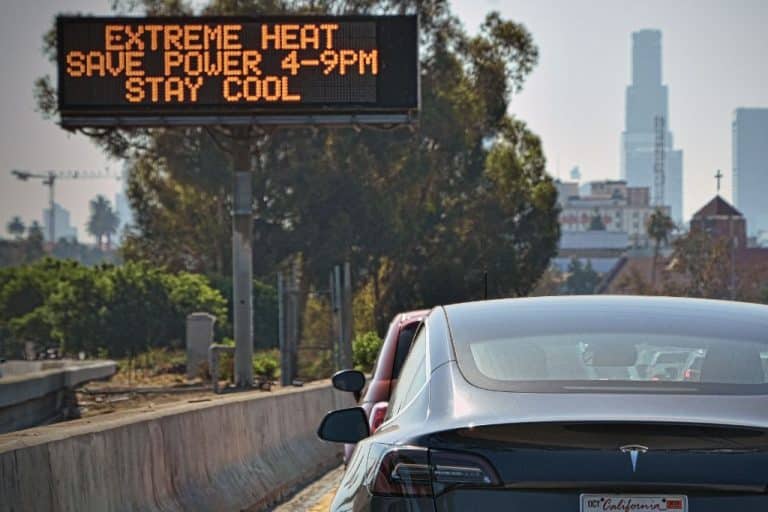
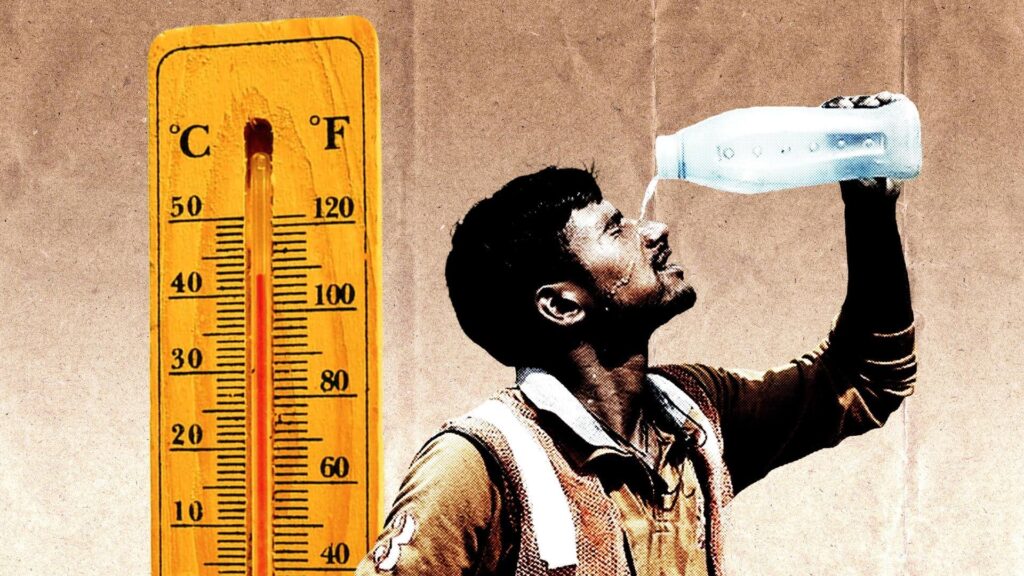
- Heat‑related mortality rises, especially among vulnerable populations (elderly, outdoor workers).
- Vector‑borne diseases (e.g., dengue) expand into previously cooler regions.
- Food security is threatened by heat stress on crops and altered precipitation patterns.
Economic and Infrastructure Impacts
- Coastal flooding incurs higher repair costs; insurance premiums increase in high‑risk zones.
- Agricultural yield variability raises market volatility.
Regional Differences
Warming is not uniform. High‑latitude regions (Arctic) have warmed >2 °C since 1970, amplifying ice loss. Tropical oceans experience strong surface warming but also show regional variability due to ocean currents. In the United States, the Southwest sees heightened drought risk, while the Northeastern seaboard faces more frequent coastal flooding. These patterns reflect differences in latitude, oceanic influence, and local land‑use practices.
What Scientists Know With High Confidence
- Human activities are the dominant cause of global warming since the mid‑20th century.
- Global average surface temperature has risen by about 1.1 °C relative to the 1850‑1900 baseline.
- The past decade is the warmest in at least 11,000 years of reliable proxy records.
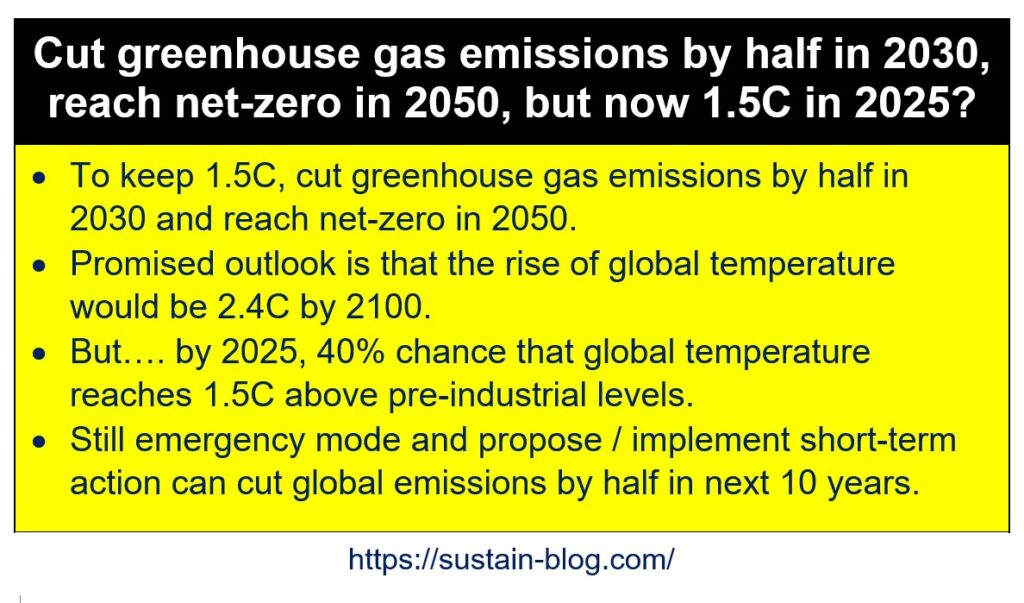
- Continued emissions will likely exceed 1.5 °C of warming within the next two decades without rapid mitigation.
What Remains Uncertain
Key uncertainties include the precise timing of major ice‑sheet thresholds, the magnitude of permafrost carbon feedbacks, and regional precipitation changes in arid zones. Improved observations in data‑sparse regions (e.g., the high Arctic and parts of the Southern Ocean) are needed to refine model projections.
Common Misconceptions
Misconception: A 1 °C increase is too small to matter.
Reality: Even a 1 °C rise amplifies heat extremes, reduces snow cover, and pushes many species toward their thermal limits, as documented in multiple IPCC assessments.
Misconception: Recent cold spells disprove global warming.
Reality: Climate refers to long‑term averages; short‑term variability, including cold snaps, remains possible within a warming climate.
Misconception: Only the last few years matter for the record.
Reality: Paleoclimate reconstructions show that the current warming exceeds natural variability over millennia, not just the instrumental era.
Solutions and Limitations
Effective responses combine mitigation—reducing greenhouse‑gas emissions—and adaptation—preparing for unavoidable impacts.
- Renewable energy deployment: Solar and wind can replace fossil fuels, but intermittency requires storage solutions and grid upgrades.
- Energy efficiency: Building retrofits and industrial efficiency cuts emissions quickly, yet upfront costs can be a barrier for low‑income regions.
- Carbon pricing: Provides economic incentives, but political acceptance varies.
- Nature‑based solutions: Restoring wetlands and forests sequesters carbon, yet land competition and permanence concerns limit scale.
- Adaptation measures: Coastal defenses, drought‑resilient agriculture, and early‑warning systems reduce vulnerability, though they do not address the root cause.
What Individuals, Communities, and Governments Can Do
What Individuals Can Do
- Reduce household energy use (e.g., LED lighting, efficient appliances).
- Choose low‑carbon transportation options—public transit, cycling, electric vehicles where feasible.
- Support policies and companies that prioritize renewable energy and sustainable practices.
What Communities and Organizations Can Do
- Implement local renewable projects (community solar, micro‑grids).
- Develop climate‑resilient land‑use plans that preserve green space and promote water conservation.
- Educate members about climate risks and mitigation opportunities.
What Governments Can Do
- Set nationally determined contributions (NDCs) aligned with the Paris Agreement’s 1.5 °C pathway.
- Invest in public transit, grid modernization, and research on low‑carbon technologies.
- Enforce building codes that require energy efficiency and climate‑resilient design.
Closing Synthesis
The convergence of instrumental measurements, satellite observations, and millennial‑scale proxy records demonstrates that the Earth is now warmer than any comparable period in the Holocene. Human‑driven greenhouse‑gas emissions are the primary engine of this change, and the resulting impacts—ranging from accelerated ice loss to heightened heat stress—are already evident. While uncertainties persist regarding specific tipping thresholds and regional climate nuances, the core conclusion is robust. Mitigation, adaptation, and equitable policy action together offer the most viable pathway to limit further warming and protect ecosystems and societies worldwide.
Frequently Asked Questions
How do scientists know the Earth is warmer now than in the past 11,000 years?
Scientists combine modern instrument records, satellite data, and paleoclimate proxies such as ice cores, sediment layers, and tree rings. These independent lines of evidence all show that the average temperature of the most recent decade exceeds the range observed in the Holocene epoch.
What is the main cause of the recent warming trend?
The dominant cause is the enhanced greenhouse effect from rising concentrations of carbon dioxide, methane, and other gases released by fossil‑fuel combustion, industrial activities, and land‑use change since the Industrial Revolution.
Are short‑term cold spells evidence against global warming?
No. Climate refers to long‑term averages, while weather can vary day to day. Cold spells can still occur within a warming climate because natural variability operates alongside the overall warming trend.
What impacts does the current warming have on human societies?
Warming increases heat‑related illness and mortality, expands the range of vector‑borne diseases, threatens food security through crop stress, raises sea‑level rise risks for coastal communities, and drives economic costs from extreme weather and infrastructure damage.
What actions can individuals take to help address global warming?
Individuals can lower household energy use, choose low‑carbon transportation, support renewable‑energy policies, and reduce waste. While personal actions alone cannot solve the problem, they contribute to broader demand‑side shifts and signal public support for systemic change.





Leave a Comment