
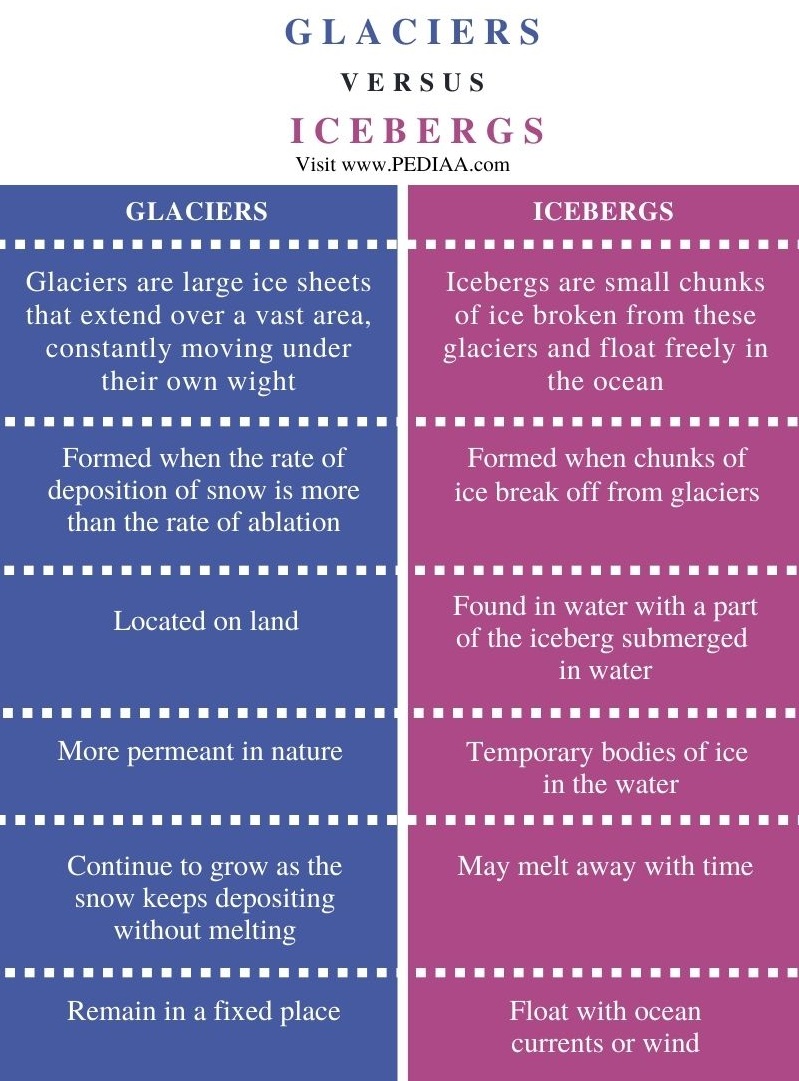
Icebergs are floating fragments that break off from glaciers or ice shelves, while melting glaciers are land‑based ice bodies that shrink in place; understanding their distinct formation, behavior, and impacts clarifies how the cryosphere influences sea level, ecosystems, and climate.
Quick Answer
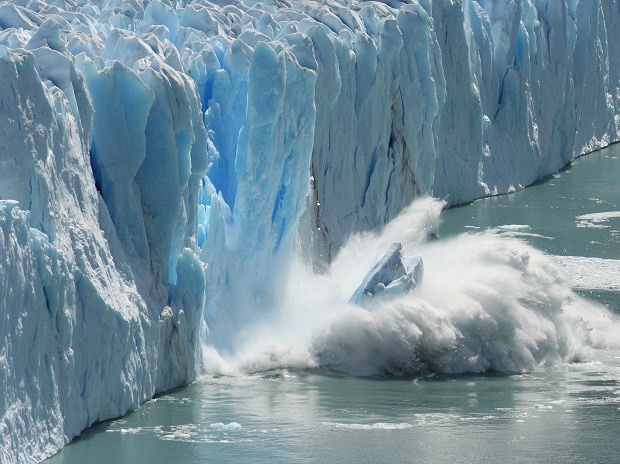
Glaciers are massive, land‑bound rivers of ice that grow from accumulated snowfall and move slowly downhill; when the front of a glacier reaches water, pieces can break off—a process called calving—forming icebergs that float in the ocean. Both phenomena are driven by temperature and precipitation patterns, but glaciers store freshwater on land, whereas icebergs transfer that water to the sea, contributing to sea‑level rise. The overall impact depends on regional climate trends, and scientific confidence is high that warming temperatures increase both glacier melt and iceberg calving rates.
Key Takeaways
- Glaciers are land‑based ice masses; icebergs are the floating fragments that calve from them or from ice shelves.
- Glacier melt adds freshwater to rivers and ultimately the ocean, while iceberg melt directly adds freshwater to the sea.
- Both processes are accelerating under global warming, as documented by long‑term satellite and field observations.
- Glaciers serve as vital freshwater reservoirs and climate archives; icebergs provide temporary habitats for marine organisms.
- Mitigation of greenhouse‑gas emissions and protected mountain regions are the most effective ways to slow future loss.
What Is Icebergs and Melting Glaciers: What’s the Difference??
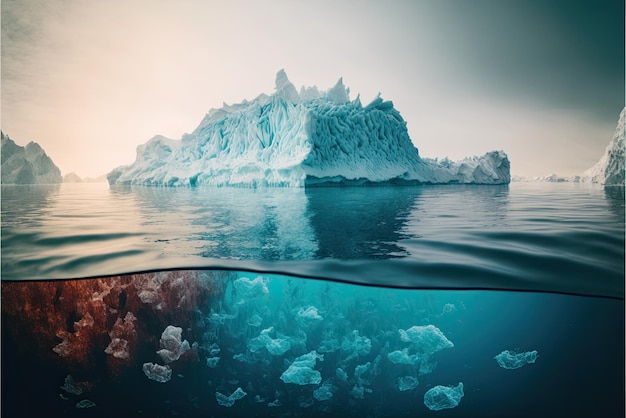
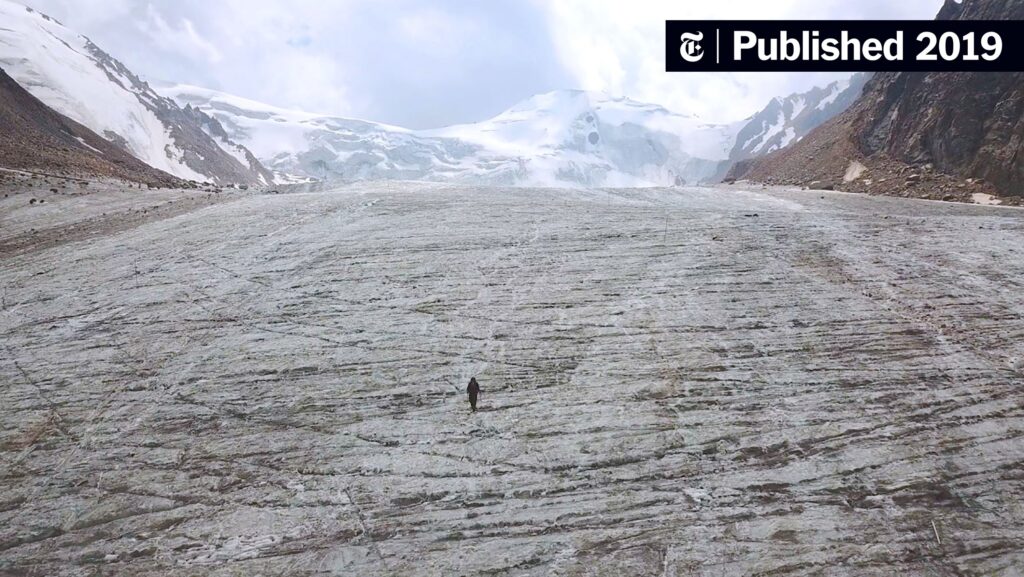
In scientific terminology, a glacier is a persistent body of dense ice that forms where the accumulation of snow exceeds its ablation over many years, often centuries. Glaciers flow downhill under gravity, reshaping valleys and feeding rivers. An iceberg is a discrete chunk of freshwater ice that has broken away—calved—from the terminus of a glacier or an ice shelf and now floats in the ocean. The two are linked physically but differ in location (land vs. sea), dynamics (flow vs. drift), and their roles in the Earth system.
How Does It Work?
Glacier Formation and Flow
- Snowfall accumulates in cold, high‑altitude or high‑latitude regions.
- Repeated snow layers compress under their own weight, turning into firn and eventually solid ice over decades.
- Gravity drives the ice mass to deform and slide, creating a slow river of ice that can move centimeters to meters per day.
- At the glacier’s base, meltwater lubricates the bed, enhancing movement.
- When surface melt exceeds accumulation, the glacier retreats, losing mass.
Calving and Iceberg Drift
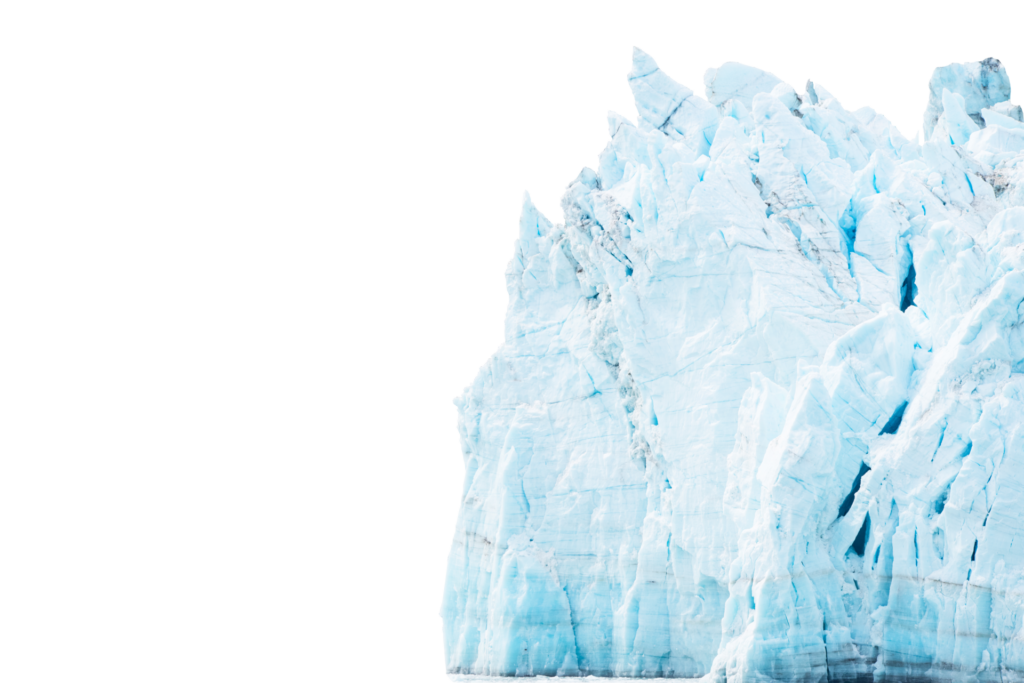
- At the glacier’s terminus, if it reaches a body of water, buoyant forces cause stress fractures.
- When the stress exceeds ice strength, a portion breaks away—this is calving.
- The newly formed iceberg begins to drift, driven by ocean currents, wind, and Coriolis forces.
- Melting occurs from all sides; the rate depends on water temperature, salinity, and iceberg size.
- Eventually the iceberg completely melts, adding its freshwater to the ocean.
What Does the Evidence Show?
Satellite altimetry from NASA and ESA, combined with ground‑based mass‑balance studies, indicate that the world’s glaciers have lost roughly 9 % of their total volume since the mid‑1990s (IPCC, 2021). Long‑term monitoring of Greenland and Antarctic ice shelves documents increasing calving rates, with the Antarctic Peninsula’s iceberg production rising by about 30 % between 1990 and 2020 (NOAA, 2022). Ice‑core records from mountain glaciers reveal temperature‑driven melt cycles spanning millennia, confirming that recent acceleration is unprecedented in the instrumental record.
Main Causes or Drivers
Direct Climate Drivers
- Rising air temperatures: Higher summer temperatures increase surface melt and reduce snow accumulation.
- Warmer ocean waters: Elevated sea‑surface temperatures accelerate basal melting of marine‑terminating glaciers, promoting calving.
Underlying Drivers
- Anthropogenic greenhouse‑gas emissions that raise global mean temperature (IPCC, 2021).
- Changes in atmospheric circulation that alter precipitation patterns, affecting snow accumulation.
Environmental and Human Impacts
Environmental Impacts
- Sea‑level rise: Combined meltwater from glaciers and iceberg melt contributes an estimated 0.8 mm per year to global sea level (IPCC, 2021).
- Freshwater influx alters ocean salinity, which can modify regional circulation patterns such as the Atlantic Meridional Overturning Circulation.
- Loss of glacier‑fed river flow threatens downstream ecosystems, reducing habitat for cold‑water fish and altering sediment transport.
- Icebergs provide temporary habitats for algae, plankton, and seals; their decline reduces these niche environments.
Human Health and Social Impacts
- Reduced glacier meltwater jeopardizes water security for millions of people in the Andes, Himalayas, and parts of Africa.
- Coastal communities face heightened flood risk from sea‑level rise driven partly by glacier and iceberg melt.
- Tourism economies that rely on glacier landscapes experience revenue loss as iconic ice features retreat.
Regional Differences
In the High Andes, glacier retreat has already cut summer river flow by up to 40 % in certain basins (World Bank, 2020). In contrast, Greenland’s outlet glaciers have shown episodic acceleration linked to warm Atlantic waters, while interior Antarctic ice sheets remain relatively stable but are vulnerable to oceanic warming at their margins. Polar regions experience the most rapid iceberg production, whereas temperate mountain ranges, such as the European Alps, see slower but still measurable glacier loss.
What Scientists Know With High Confidence
- Global average temperatures have risen by about 1.1 °C since pre‑industrial times, driving glacier melt (IPCC, 2021).
- Glacier mass loss is the largest contributor among land‑based sources to sea‑level rise.
- Calving rates increase when ocean water at glacier fronts warms above the freezing point of ice.
- Ice cores from glaciers provide reliable records of past atmospheric composition and temperature.
What Remains Uncertain
Key uncertainties include the exact magnitude of future iceberg calving under different warming scenarios, the regional variability of sub‑glacial hydrology that controls glacier speed, and how melt‑induced freshwater pulses will interact with large‑scale ocean circulation. Improved high‑resolution modeling and expanded in‑situ observations are needed to narrow these gaps.
Common Misconceptions
Misconception: Icebergs are the cause of sea‑level rise.
Reality: Icebergs are already floating, so their displacement does not directly raise sea level. The freshwater they release after melting adds to sea level, but the primary driver is the loss of land‑based glacier ice.
Misconception: All glaciers are melting at the same rate.
Reality: Melt rates vary widely due to altitude, latitude, local climate, and glacier dynamics; some high‑latitude glaciers are relatively stable, while many low‑latitude mountain glaciers retreat rapidly.
Misconception: Icebergs only form from Antarctic ice shelves.
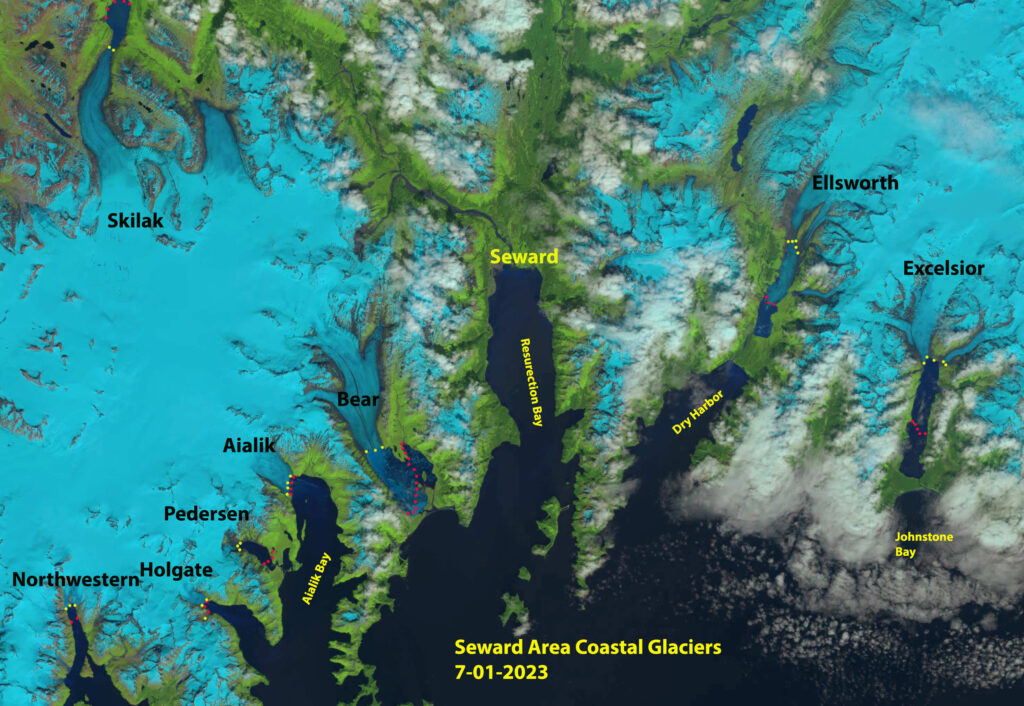
Reality: Icebergs also calve from Greenland’s outlet glaciers, Alaskan tidewater glaciers, and even temperate glaciers that terminate in lakes.
Solutions and Limitations
Mitigation strategies focus on reducing greenhouse‑gas emissions to limit temperature rise; without this, glacier and iceberg loss will continue. Adaptation includes developing water‑management plans in glacier‑dependent regions and designing coastal defenses against sea‑level rise. Conservation measures, such as protecting high‑altitude catchments, can preserve remaining ice. However, these actions are limited by the inertia of the climate system—ice loss already committed by past emissions cannot be fully reversed.
What Individuals, Communities, and Governments Can Do
What Individuals Can Do
- Support policies that aim for net‑zero emissions by reducing personal carbon footprints (e.g., energy efficiency, low‑carbon transport).
- Contribute to organizations that fund glacier monitoring and climate research.
- Raise awareness about water security issues linked to glacier melt in vulnerable regions.
What Communities and Organizations Can Do
- Implement integrated water‑resource management that accounts for declining glacier runoff.
- Develop early‑warning systems for glacier‑lake outburst floods.
- Promote ecotourism that funds glacier preservation rather than exploiting fragile sites.
What Governments Can Do
- Adopt and enforce ambitious climate‑change mitigation targets consistent with the Paris Agreement.
- Invest in long‑term glacier and iceberg monitoring networks (e.g., satellite altimetry, GPS stations).
- Provide financial and technical assistance to downstream communities facing reduced meltwater supplies.
Closing Synthesis
Glaciers and icebergs are distinct components of the cryosphere: glaciers store freshwater on land and shape landscapes, while icebergs are the ocean‑borne fragments that result from glacier calving. Scientific evidence shows that warming temperatures accelerate both glacier melt and iceberg production, contributing to sea‑level rise and altering ecosystems. High‑confidence findings confirm the link between greenhouse‑gas‑driven warming and ice loss, yet uncertainties remain regarding future calving dynamics and regional water impacts. Effective responses combine emissions mitigation, robust monitoring, and adaptive water‑resource planning, acknowledging that individual actions complement—but cannot replace—systemic change.
Frequently Asked Questions
What is the main difference between an iceberg and a glacier?
An iceberg is a floating chunk of ice that has broken off from a glacier or ice shelf, while a glacier is a massive, land‑based river of ice that forms from accumulated snowfall and flows slowly downhill.
How does glacier melt contribute to sea‑level rise?
When a glacier melts, the freshwater it releases drains into rivers and eventually the ocean, adding volume that raises global sea level; this is the largest land‑based contribution to sea‑level rise documented by the IPCC.
Why do icebergs calve from glaciers?
Calving occurs when a glacier reaches water and buoyant forces create stress fractures at its front; once the stress exceeds the ice’s strength, a piece breaks away and becomes an iceberg that drifts in the sea.
What evidence shows that glaciers are retreating worldwide?
Satellite altimetry, ground‑based mass‑balance measurements, and ice‑core records all indicate that global glaciers have lost about 9 % of their volume since the mid‑1990s, with many individual glaciers showing rapid retreat.
What actions can individuals take to help protect glaciers?
Individuals can lower their carbon footprints by using energy‑efficient appliances, supporting clean‑energy policies, and donating to organizations that fund glacier monitoring and climate research.





Leave a Comment