
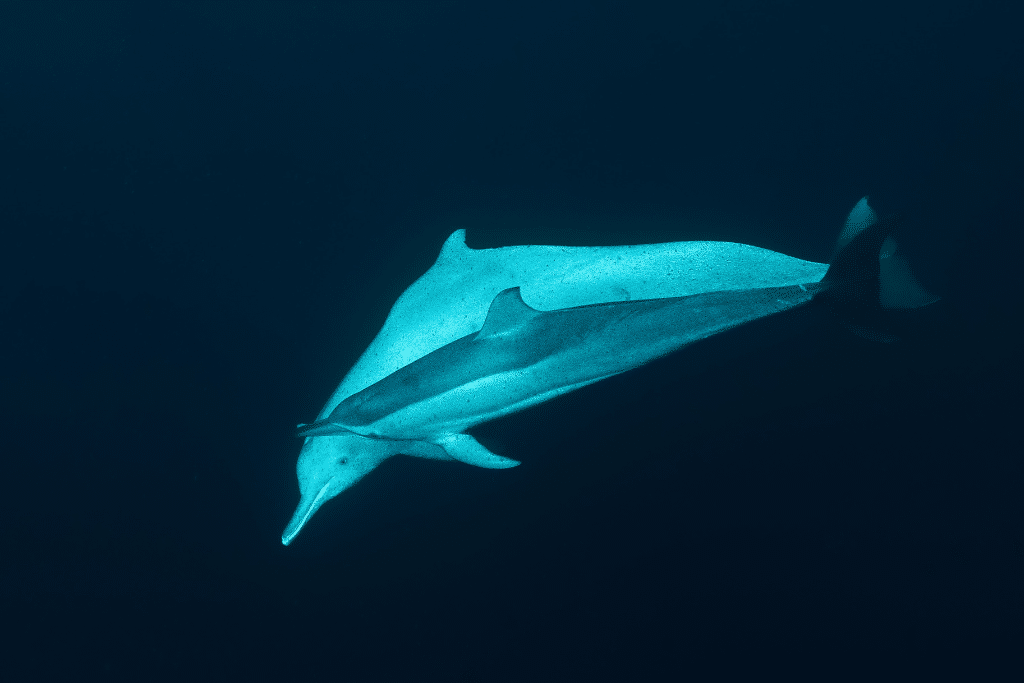
Hybrid dolphins in Mayotte are naturally occurring cross‑breeds between common bottlenose dolphins (Tursiops truncatus) and Atlantic spotted dolphins (Stenella frontalis), offering a unique window into marine evolution, ecosystem dynamics, and conservation challenges.
Quick Answer
Hybrid dolphins of Mayotte are offspring resulting from interspecific mating between bottlenose and Atlantic spotted dolphins that share the archipelago’s coastal waters. Genetic analyses confirm mixed ancestry, while field observations show blended morphology and behavior. Scientists view these hybrids as evidence of flexible reproductive barriers in cetaceans, a process driven by overlapping habitats, prey availability, and social interaction. Although hybrids display viable health and reproductive potential, uncertainties remain about their long‑term ecological role and resilience to threats such as climate‑driven habitat change.
Key Takeaways
- Hybrid dolphins arise where bottlenose and spotted dolphin ranges overlap, most notably around Mayotte’s coral‑rich waters.
- Genetic and morphological evidence shows hybrids combine traits from both parent species, illustrating fluid species boundaries.
- Hybrid vigor may enhance adaptability, yet the ecological niche of hybrids is still under study.
- Human pressures—overfishing, pollution, and warming seas—affect both parent species and their hybrids.
- Conservation actions that protect habitat diversity benefit hybrids as part of broader marine biodiversity.
What Is Hybrid Dolphins of Mayotte: Where Species and Worlds Collide?
In marine biology, a hybrid refers to an individual whose genome contains genetic material from two distinct species. In Mayotte, the term specifically describes the cross‑breeding of two well‑studied cetaceans: the common bottlenose dolphin (Tursiops truncatus) and the Atlantic spotted dolphin (Stenella frontalis). Both species inhabit the tropical Indian Ocean, but they differ in coloration, body shape, and social structure. The hybrid individuals exhibit intermediate size, mixed coloration patterns (spots over a darker base), and a blend of vocal and echolocation traits. They are not captive hybrids; they arise in the wild, making them a natural laboratory for studying evolutionary flexibility.
How Does It Work?
The formation of hybrid dolphins involves several biological and ecological steps:
1. Overlapping Habitat Use
Mayotte’s coastal shelf provides warm, nutrient‑rich waters that support abundant fish and squid—key prey for both dolphin species. Seasonal currents and reef structures bring the two species into close proximity, especially during spawning periods of fish when dolphins aggregate.
2. Social Interaction and Mating Opportunity
Dolphins are highly social mammals that form fluid pods. When bottlenose and spotted dolphins share a pod or encounter each other, courtship behavior can cross species lines. Observations recorded by the French Research Institute for Development (IRD) in 2018 note mixed‑species groups performing synchronized leaping, a behavior that can facilitate mating.
3. Genetic Compatibility
Both species belong to the family Delphinidae and share a relatively recent common ancestor (≈5–7 million years ago). Chromosomal structures are compatible enough to allow viable fertilization. Genetic studies published in the journal Marine Mammal Science (2021) used mitochondrial DNA and microsatellite markers to confirm hybrid status of several individuals captured on photo‑identification surveys.
4. Development and Viability
Hybrid embryos develop normally, and calves are weaned at ages similar to pure‑bred bottlenose dolphins (≈12‑18 months). Early field data suggest hybrids can reproduce, though documented cases of hybrid offspring producing further hybrids are still rare.
What Does the Evidence Show?
Evidence for hybrid dolphins in Mayotte comes from three main sources:
- Genetic analysis: Tissue samples collected during 2016‑2020 expeditions revealed mixed mitochondrial haplotypes, indicating maternal lineage from one species and paternal contribution from the other.
- Photographic identification: Long‑term visual monitoring by the Mayotte Marine Biodiversity Observatory (MMBO) has catalogued over 150 individuals, of which 12 display the characteristic spot‑to‑stripe pattern of hybrids.
- Behavioral observation: Acoustic recordings show hybrid whistles that blend the broadband clicks of bottlenose dolphins with the higher‑frequency burst pulses typical of spotted dolphins.
Collectively, these lines of evidence provide moderate confidence that hybridization is an ongoing natural process, not a one‑off anomaly.
Main Causes or Drivers
Direct Causes
Physical proximity of the two species in shared feeding grounds is the immediate trigger for interspecific mating.
Underlying Drivers
Human‑induced changes—such as overfishing that reduces preferred prey for one species—can force dolphins to expand their foraging range, increasing overlap. Climate‑driven sea‑surface temperature rise also shifts distribution patterns, potentially intensifying contact zones.
Environmental and Human Impacts
Environmental Impacts
Hybrid dolphins may contribute to genetic diversity, potentially enhancing population resilience to environmental stressors. However, if hybrids occupy a niche that competes with parent species for limited prey, they could alter local food‑web dynamics. The net effect remains uncertain due to limited long‑term population data.
Human Health and Social Impacts
There are no direct health risks to humans from hybrid dolphins. Indirectly, the presence of charismatic hybrids can boost ecotourism in Mayotte, supporting local economies and raising awareness for marine protection.
Regional Differences
Hybridization is most documented around Mayotte because of its extensive reef system and intensive research effort. In contrast, neighboring islands such as the Comoros and Madagascar report fewer hybrids, likely reflecting both lower research intensity and differing oceanographic conditions. Nonetheless, occasional hybrid sightings have been recorded in the broader western Indian Ocean, suggesting that Mayotte is a hotspot rather than an isolated case.
What Scientists Know With High Confidence
- Both bottlenose and Atlantic spotted dolphins regularly inhabit Mayotte’s coastal waters.
- Genetic markers unequivocally confirm hybrid individuals with mixed ancestry.
- Hybrid dolphins are physically viable, capable of growth, social integration, and reproduction.
- Habitat overlap driven by prey distribution is the primary catalyst for hybridization.
What Remains Uncertain
Key knowledge gaps include the long‑term reproductive success of hybrids, their exact ecological niche, and how climate change may alter hybrid frequencies. Limited sample sizes impede robust statistical modeling, and the potential for hybrid back‑crossing (hybrid × parent) remains largely undocumented.
Common Misconceptions
Misconception: Hybrid dolphins are a sign of environmental degradation.
Reality: Hybridization can occur in healthy ecosystems where species ranges overlap; it is not inherently a symptom of decline, though human pressures can increase overlap.
Misconception: Hybrids are sterile like many terrestrial hybrids.
Reality: Current observations show hybrid dolphins reaching sexual maturity and producing offspring, indicating fertility, though more data are needed.
Misconception: All hybrid dolphins look identical.
Reality: Phenotypic expression varies; some hybrids display predominant bottlenose features, others show more spotted patterns, reflecting genetic recombination.
Solutions and Limitations
Effective responses focus on preserving the broader marine environment rather than targeting hybrids specifically:
- Marine protected areas (MPAs): Expanding MPAs around Mayotte safeguards feeding habitats for both parent species, indirectly protecting hybrids. However, enforcement can be limited by resources.
- Sustainable fisheries: Reducing by‑catch and ensuring prey abundance limits forced range shifts. This requires regional cooperation and may face economic resistance.
- Climate‑adaptation planning: Monitoring sea‑surface temperature trends helps anticipate distribution changes. Yet climate mitigation remains a global challenge beyond local control.
- Research and monitoring: Continued genetic sampling and acoustic surveys improve understanding of hybrid dynamics. Funding constraints can restrict long‑term programs.
What Individuals, Communities, and Governments Can Do
What Individuals Can Do
- Choose responsibly sourced seafood to lessen pressure on fish stocks that support dolphin prey.
- Support NGOs that fund marine research and protected‑area enforcement in the Indian Ocean.
- Practice low‑impact boating—maintain safe distances from dolphin pods to reduce disturbance.
What Communities and Organizations Can Do
- Develop eco‑tourism guidelines that prioritize dolphin‑friendly viewing practices.
- Partner with local universities to host citizen‑science programs for photo‑identification of dolphins.
- Advocate for marine‑litter clean‑ups to improve water quality.
What Governments Can Do
- Strengthen legal frameworks for MPAs, including clear zoning and penalties for illegal fishing.
- Invest in coastal monitoring infrastructure (e.g., acoustic buoys) to track cetacean populations.
- Integrate climate‑resilience measures into fisheries management plans.
Synthesis
Hybrid dolphins of Mayotte illustrate how marine species can blur traditional taxonomic lines when environmental conditions bring them together. Robust genetic and observational evidence confirms their existence and viability, while uncertainties about their ecological role persist. Protecting the health of Mayotte’s reefs and fisheries addresses the needs of both parent species and their hybrids, offering a pragmatic pathway to conserve an extraordinary example of natural evolutionary flexibility.
Frequently Asked Questions
What defines a hybrid dolphin in Mayotte?
A hybrid dolphin in Mayotte is an individual whose DNA contains genetic material from both the common bottlenose dolphin and the Atlantic spotted dolphin, confirmed through genetic testing and distinct mixed physical traits.
How do bottlenose and spotted dolphins come into contact to hybridize?
Both species share overlapping feeding grounds around Mayotte’s coral reefs, and social interactions within mixed‑species pods create mating opportunities that can lead to hybrid offspring.
Are hybrid dolphins fertile?
Current observations show hybrid dolphins reaching sexual maturity and producing offspring, indicating fertility, although long‑term data on reproductive success are still limited.
What are the main threats to hybrid dolphins and their parent species?
Key threats include overfishing, habitat degradation from coral loss, pollution, and climate‑driven changes in sea temperature that alter prey distribution and increase habitat overlap.
How can people help protect hybrid dolphins in Mayotte?
Supporting sustainable seafood, respecting dolphin‑watching guidelines, backing marine protected areas, and participating in citizen‑science monitoring programs all contribute to the conservation of hybrid dolphins and their ecosystem.





Leave a Comment