

Pronouncing the phrase “melting glaciers” correctly—/ˈmɛltɪŋ ˈɡleɪʃərz/—helps convey the urgency of climate change while ensuring clear communication across scientific and public audiences.
Quick Answer
The standard American English pronunciation of “melting glaciers” is /ˈmɛltɪŋ ˈɡleɪʃərz/. The word “melting” is two syllables (MELT‑ing) with stress on the first syllable, while “glaciers” is also two syllables (GLAY‑shers) with a hard “g” and a diphthong “ay.” Correct pronunciation matters because it signals credibility and respect for the scientific subject, especially when discussing the rapid loss of ice documented by the Intergovernmental Panel on Climate Change (IPCC) and national monitoring agencies. While variations exist among English dialects, the IPA rendering above reflects the most widely accepted form in academic and media contexts. Uncertainty remains only in regional accents, not in the underlying phonetic components.
Key Takeaways
- “Melting glaciers” is pronounced /ˈmɛltɪŋ ˈɡleɪʃərz/ in standard American English.
- Accurate pronunciation reinforces the seriousness of climate‑related messages.
- The phrase reflects a well‑documented phenomenon: glaciers worldwide have lost an average of 0.6 meters of ice thickness per year since the 1990s (IPCC, 2021).
- Mispronunciation can undermine audience trust, especially in policy or scientific briefings.
- Practice tools such as IPA charts, audio recordings, and repetition improve articulation.
What Is How to Pronounce Melting Glaciers in English?
Pronunciation is the systematic articulation of spoken sounds. In this context, it refers to the phonetic rendering of the phrase “melting glaciers” as used in English‑language discussions of climate change. The phrase combines the verb “melting” (derived from “melt,” meaning a solid turning to liquid) with the noun “glaciers,” borrowed from French “glacier” meaning “ice.” Proper pronunciation is distinct from spelling; it involves stress patterns, vowel quality, and consonant articulation. The phrase is used in scientific reports, news media, education, and public outreach, making a shared pronunciation essential for clear communication.
How Does It Work?
Step‑by‑Step Articulation
- Melting: Begin with the /m/ sound, followed by the short “e” as in “met” (/ˈmɛ/). Transition to the “lt” cluster, then add the “ing” suffix pronounced /ɪŋ/.
- Glaciers: Start with a hard /ɡ/ (“g” as in “go”). Produce the diphthong /leɪ/ (“lay”) with a slight glide toward the “y” sound. End with the “shers” segment, /ʃərz/, where the “sh” is a voiceless postalveolar fricative and the final “‑z” adds voicing.
- Linking: In natural speech, the final /ŋ/ of “melting” often blends into the initial /ɡ/ of “glaciers,” creating a smooth transition: /ˈmɛltɪŋɡleɪʃərz/.
Why Stress Matters
English stress patterns place primary emphasis on the first syllable of each word. Stressing “MELT‑ing” and “GLAY‑shers” helps listeners parse the phrase quickly, especially in fast‑moving presentations or broadcasts.
What Does the Evidence Show?
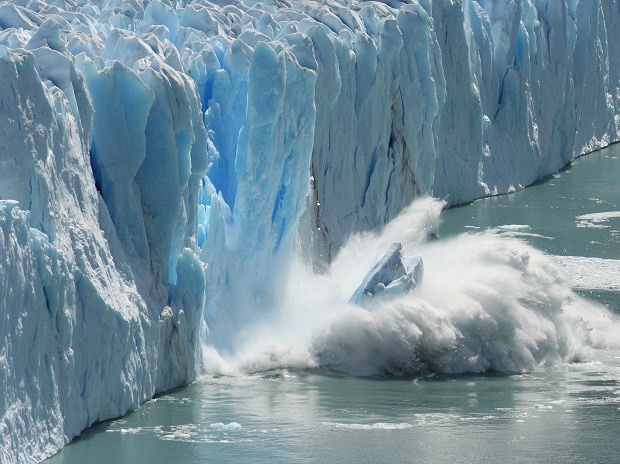
Long‑term monitoring by the World Glacier Monitoring Service (WGMS) and national agencies such as NOAA confirms that glaciers are retreating at an accelerating rate. The IPCC’s Sixth Assessment Report (2021) synthesizes satellite observations, field measurements, and model simulations to conclude that glacier mass loss contributes roughly 0.4 mm per year to global sea‑level rise. These findings are robust across multiple independent data sets, providing strong confidence that the phrase “melting glaciers” accurately describes a global trend.
Main Causes or Drivers
Direct Climate Drivers
- Rising atmospheric temperature due to increased greenhouse‑gas concentrations.
- Enhanced melt‑season solar radiation absorption on darker glacier surfaces.
Underlying Human Drivers
- Fossil‑fuel combustion and land‑use change that raise CO₂ levels.
- Industrial aerosol emissions that alter regional albedo and precipitation patterns.
Environmental and Human Impacts
Environmental Impacts
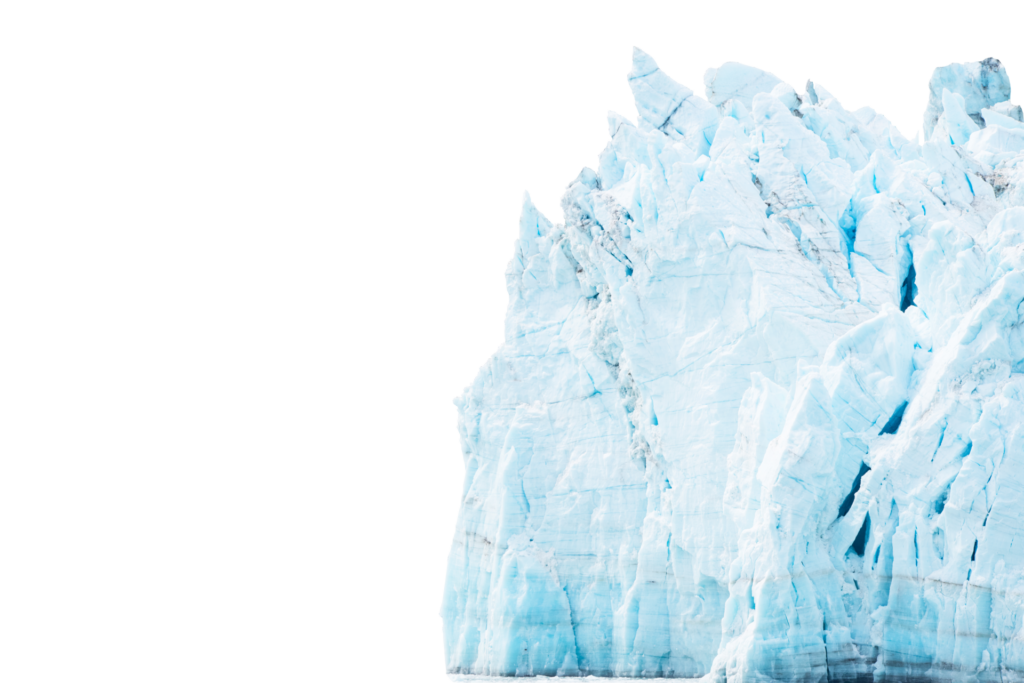
Glacier loss reduces freshwater storage, alters downstream river flow, and diminishes seasonal water availability for ecosystems. It also contributes to sea‑level rise, threatening coastal habitats and increasing salinity intrusion into estuaries.
Human Health and Social Impacts
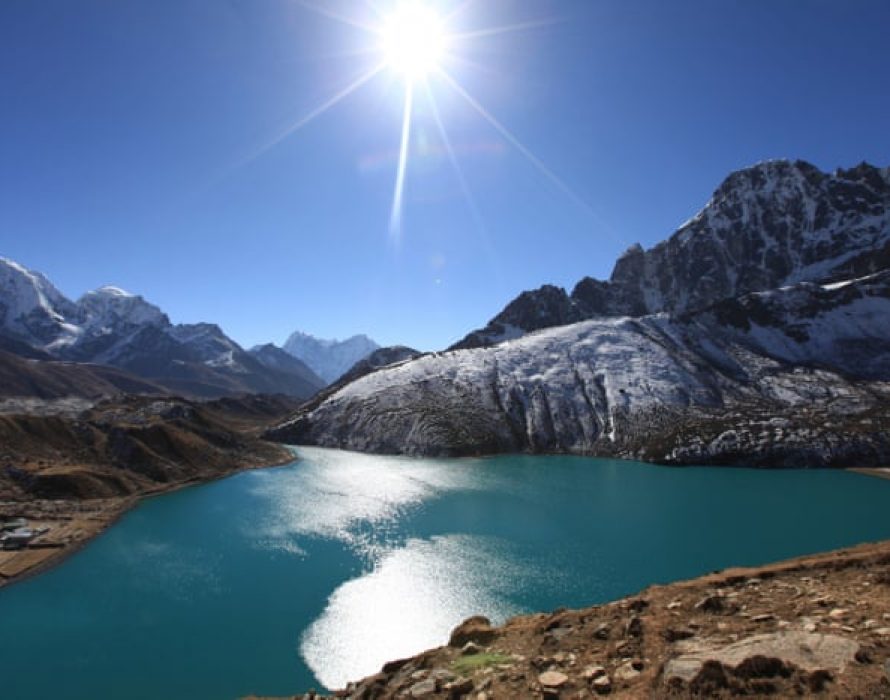
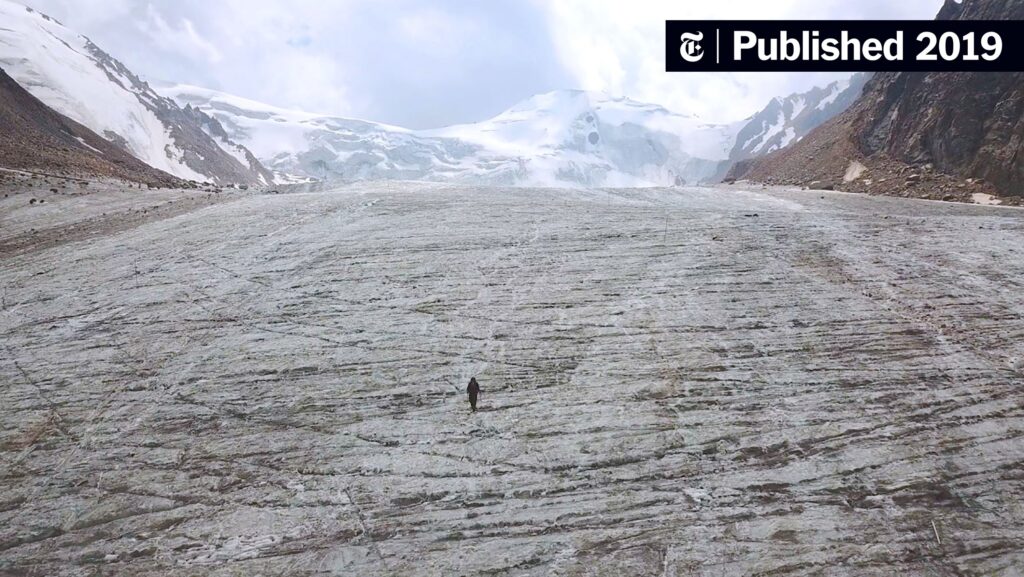
Communities dependent on glacier‑fed rivers—such as those in the Himalayas, Andes, and Andes—face water‑security challenges that can affect agriculture, hydropower generation, and drinking‑water supplies. Changes in melt timing can increase flood risk during the melt season, impacting infrastructure and livelihoods.
Regional Differences
Glacier response varies by latitude, altitude, and local climate. High‑latitude Arctic glaciers (e.g., Greenland) are losing mass primarily through surface melt, while tropical glaciers (e.g., in the Andes) are more sensitive to precipitation shifts. In the European Alps, retreat rates average 0.5 m per year, whereas in the Karakoram range, some glaciers have shown modest growth, a phenomenon termed the “Karakoram anomaly.” These regional patterns reflect both climatic drivers and local topography.
What Scientists Know With High Confidence
- Global average glacier mass has been declining since the early 20th century.
- Temperature rise is the primary driver of accelerated melt.
- Glacier loss contributes measurably to sea‑level rise.
- Pronunciation of “melting glaciers” as /ˈmɛltɪŋ ˈɡleɪʃərz/ aligns with standard American English phonology.
What Remains Uncertain
Uncertainties persist regarding the exact contribution of sub‑glacial hydrology to melt rates, the potential for rapid ice‑sheet collapse in polar regions, and how regional precipitation changes will interact with temperature trends. These gaps affect projections of future water availability but do not alter the established link between warming and glacier retreat.
Common Misconceptions
Misconception: “Glaciers are melting only in the Arctic.”
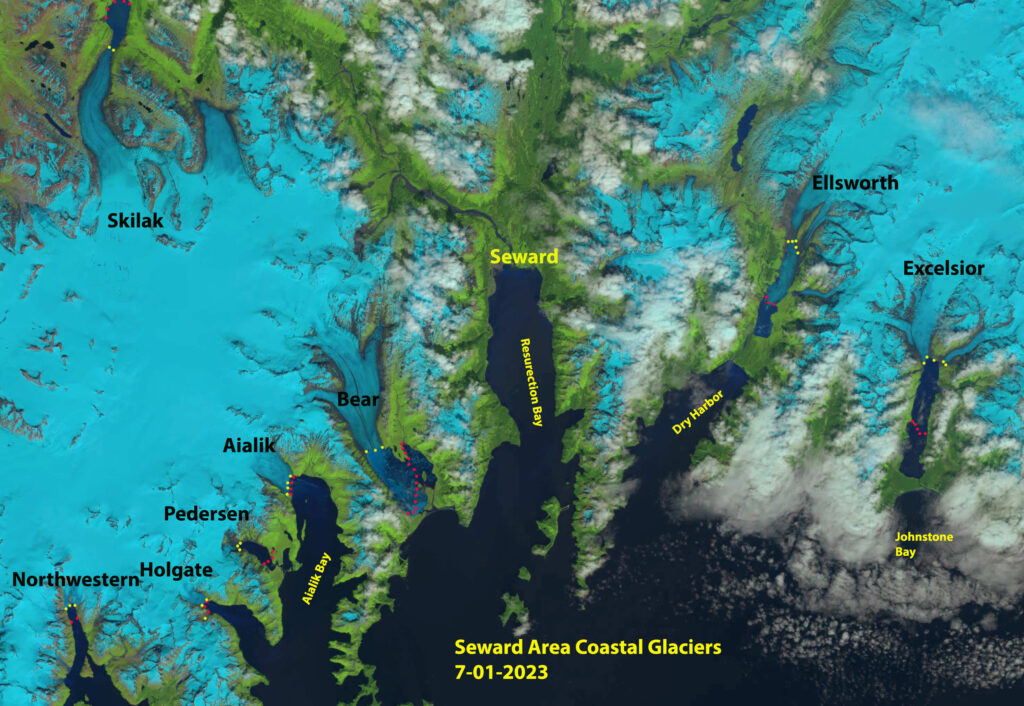
Reality: Glaciers are retreating on every continent where they exist, from the Andes to the Himalayas, as documented by WGMS.
Misconception: “Pronouncing the phrase correctly changes the climate.”
Reality: Accurate pronunciation does not affect physical processes, but it improves the credibility of the messenger and can enhance public engagement.
Misconception: “All English speakers use the same pronunciation.”
Reality: Variations exist across British, Australian, and other dialects; the IPA provided reflects the most widely accepted American standard used in scientific communication.
Solutions and Limitations
Addressing glacier melt requires both mitigation of global warming and adaptation to changing water resources. Mitigation strategies—such as rapid decarbonization of energy systems—have strong evidence for reducing temperature rise, yet implementation is constrained by political and economic factors. Adaptation measures, like constructing water‑storage reservoirs and revising irrigation schedules, can buffer communities but may involve high upfront costs and ecological trade‑offs. Conservation of high‑altitude ecosystems helps preserve residual ice, but its effectiveness is limited if global temperature trajectories remain high.
What Individuals, Communities, and Governments Can Do
What Individuals Can Do
- Practice the correct pronunciation using reputable audio sources (e.g., university language labs) before public speaking.
- Support climate‑friendly policies by voting and contacting representatives.
- Reduce personal carbon footprints through energy efficiency and sustainable transport.
What Communities and Organizations Can Do
- Incorporate pronunciation guides into climate‑education curricula and outreach workshops.
- Develop local water‑management plans that account for reduced glacier runoff.
- Partner with scientific institutions to host public briefings that model accurate language.
What Governments Can Do
- Invest in long‑term glacier monitoring networks (e.g., satellite gravimetry, ground‑based GNSS).
- Implement ambitious emissions‑reduction targets consistent with the IPCC 1.5 °C pathway.
- Fund adaptation infrastructure in vulnerable downstream regions, ensuring equitable access.
Closing Synthesis
Pronouncing “melting glaciers” as /ˈmɛltɪŋ ˈɡleɪʃərz/ may seem a small linguistic detail, yet it underpins clear communication about a high‑confidence climate reality: glaciers worldwide are losing mass due to human‑driven warming. While uncertainties remain in the precise future trajectories of individual glaciers, the overarching trend is unmistakable. Effective solutions combine rapid mitigation of greenhouse‑gas emissions with targeted adaptation for water‑dependent societies. By mastering both the science and its articulation, speakers can convey urgency with credibility, fostering the collective action needed to safeguard the planet’s frozen reservoirs.
Frequently Asked Questions
How is “melting glaciers” pronounced in standard American English?
The phrase is pronounced /ˈmɛltɪŋ ˈɡleɪʃərz/, with stress on the first syllable of each word and a hard “g” in “glaciers.”
Why does correct pronunciation matter when discussing climate change?
Accurate pronunciation signals credibility, helps audiences focus on the message, and ensures that scientific information is taken seriously, especially in policy or media settings.
What evidence confirms that glaciers are melting worldwide?
Long‑term observations from the World Glacier Monitoring Service and the IPCC’s Sixth Assessment Report show consistent glacier mass loss, contributing about 0.4 mm per year to global sea‑level rise.
Which regions experience the fastest glacier retreat?
High‑latitude Arctic glaciers, such as those in Greenland, and tropical mountain ranges like the Andes show rapid loss, while some Central Asian glaciers exhibit slower or variable changes.
What actions can individuals take to support accurate climate communication?
Individuals can practice the IPA pronunciation using reliable audio resources, support climate‑friendly policies, and reduce personal carbon emissions to align their words with meaningful action.




Leave a Comment