
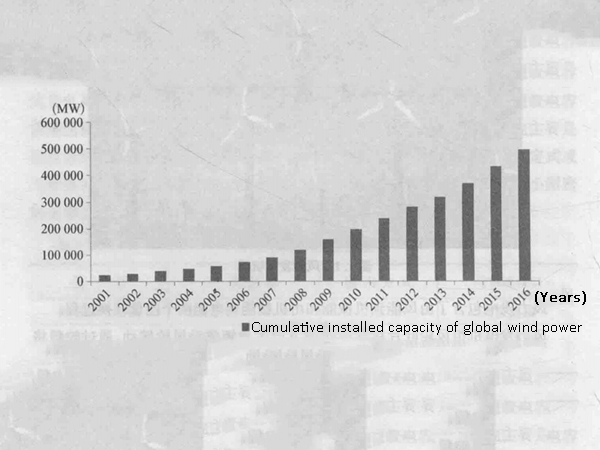
Wind power converts the kinetic energy of moving air into electricity, and modern turbines can generate from a few megawatts up to several hundred megawatts per farm, yet actual output depends on turbine capacity, wind resources, and system integration.
Quick Answer
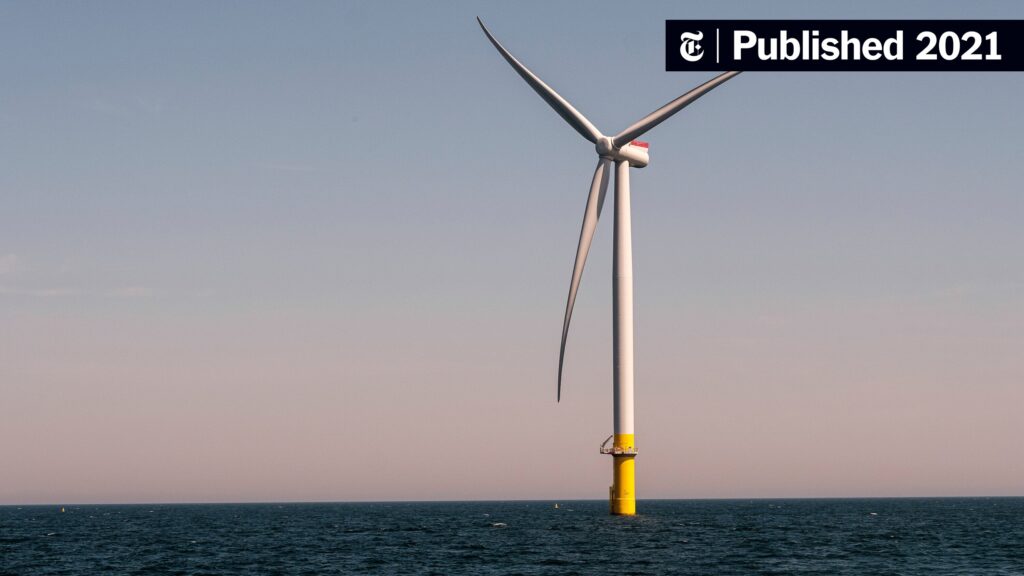
Wind power generates electricity by capturing wind’s kinetic energy with turbine blades that spin a generator; a typical modern on‑shore turbine is rated between 1.5 MW and 3 MW, while offshore units can exceed 10 MW. The amount of electricity actually produced is expressed as the capacity factor, which worldwide averages about 30‑40 % but can reach 50 % or more at exceptionally windy sites. Consequently, a 3 MW turbine with a 35 % capacity factor yields roughly 9 GWh per year—enough for about 2,500 average‑size homes. Because wind is variable, total generation from a wind farm is lower than its name‑plate capacity, and grid operators rely on forecasting and storage to manage fluctuations.
Key Takeaways
- Modern on‑shore turbines are typically 1.5–3 MW; offshore turbines can exceed 10 MW.
- Capacity factor (actual output ÷ name‑plate capacity) averages 30‑40 % globally, reflecting wind variability.
- A 3 MW turbine at 35 % capacity factor produces ~9 GWh annually, powering ~2,500 homes.
- Geography, turbine height, and blade length are the main drivers of higher generation.
- Energy storage, grid integration, and diversified siting mitigate wind’s intermittency.
- Wind now supplies about 10 % of global electricity, with some nations reaching >40 %.
What Is How Much Electricity Can Wind Power Really Generate?
The question asks for the realistic amount of electricity that wind energy systems can produce under real‑world conditions. It is not simply the name‑plate capacity (the maximum power a turbine can deliver at its design wind speed) but the annual energy output after accounting for wind speed distributions, turbine performance, and downtime. The metric most often used is the capacity factor, expressed as a percentage of the theoretical maximum. Understanding this distinction is crucial for policymakers, investors, and the public.
How Does It Work?
1. Capturing Wind Energy
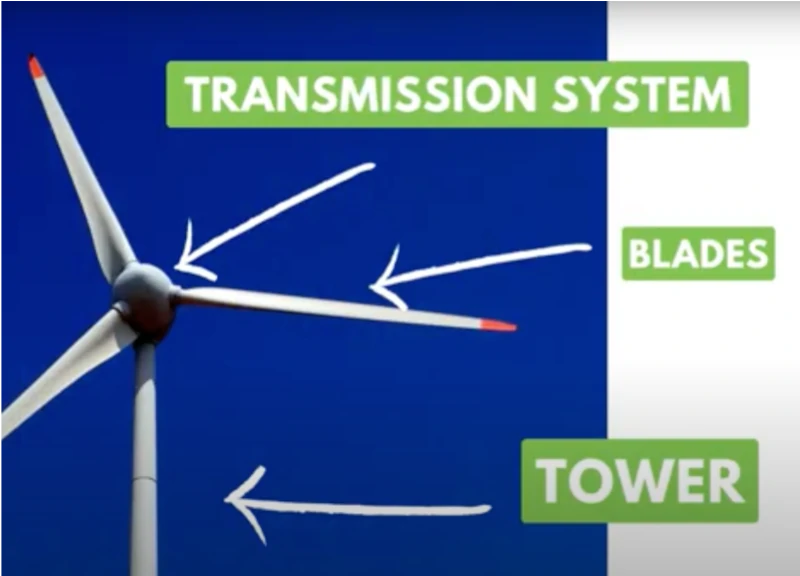
Wind turbines convert kinetic energy (½ ρ v³, where ρ is air density and v is wind speed) into mechanical rotation. The rotor blades are aerodynamically shaped to maximize lift and minimize drag, causing the shaft to spin.
2. Generating Electricity
The rotating shaft drives a gearbox (or directly drives a low‑speed generator in direct‑drive designs) that turns an electric generator, producing alternating current that is then converted to grid‑compatible electricity.
3. Transmission and Grid Integration
Generated power is stepped up through transformers and fed into the transmission network. Because wind output fluctuates, grid operators use forecasting, demand‑response, and storage to balance supply and demand.
What Does the Evidence Show?
Long‑term monitoring by national agencies (e.g., the U.S. Energy Information Administration, 2022) shows that on‑shore wind farms in the United States have average capacity factors of 30‑35 %, while European on‑shore farms report 35‑40 % (Eurostat, 2021). Offshore farms benefit from higher wind speeds and smoother flow, achieving 45‑55 % capacity factors (International Energy Agency, 2023). System‑wide, wind contributed 7.9 % of global electricity generation in 2022, rising to 10 % in 2023 according to the IEA World Energy Outlook.
Main Causes or Drivers
Wind Resource Quality
Average wind speed and turbulence intensity determine how much kinetic energy is available. Coastal cliffs, open plains, and offshore sites typically have higher wind speeds.
Turbine Technology
Larger rotor diameters and taller towers access stronger winds aloft. Modern turbines with 150‑m blades capture up to 5 times more energy than older 80‑m models.
Site Selection and Layout
Strategic spacing reduces wake effects—areas of reduced wind speed downstream of turbines—thereby improving overall farm output.
Environmental and Human Impacts
Environmental Impacts
Wind energy displaces fossil‑fuel electricity, reducing CO₂ emissions by about 2.5 t per MWh on average (IPCC, 2021). Land‑use impacts are modest; turbines occupy a small footprint, allowing agriculture or grazing to continue beneath. However, turbine blades can pose collision risks to birds and bats, especially in migratory corridors.
Human Health and Social Impacts
Communities near wind farms experience reduced local air pollution, which improves respiratory health. Noise and visual impacts are reported, but systematic reviews find limited evidence of adverse health effects when turbines meet established setback distances.
Economic and Infrastructure Impacts
Wind farms create construction and operations jobs, and generate tax revenue for local governments. Grid upgrades may be required to accommodate variable generation, representing additional cost.
Regional Differences
In Europe, dense offshore wind development in the North Sea yields capacity factors above 50 %, while inland U.S. Midwest farms average 35 % due to flatter terrain. In tropical regions, such as parts of Brazil, seasonal wind patterns cause larger seasonal swings in output, requiring more storage or complementary solar resources.
What Scientists Know With High Confidence
- Wind turbines convert kinetic energy to electricity with efficiencies of 35‑45 % at rated wind speeds.
- Capacity factor is the best indicator of real‑world electricity generation.
- Globally, wind power reduces greenhouse‑gas emissions proportionally to the amount of fossil‑fuel electricity displaced.
- Technological advances (larger rotors, taller towers) consistently increase annual energy yield.
What Remains Uncertain
Key uncertainties include the long‑term reliability of very large offshore turbines, the cumulative ecological effects on migratory bird populations in emerging wind corridors, and the cost‑effectiveness of large‑scale storage solutions needed to smooth daily and seasonal variability. Improved monitoring and modeling are needed to refine capacity factor predictions under climate‑induced changes in wind patterns.
Common Misconceptions
Misconception: Wind turbines generate their rated capacity all the time.
Reality: Actual output depends on wind speed; most turbines operate at 30‑40 % of name‑plate capacity over a year.
Misconception: Wind power can replace baseload plants without any backup.
Reality: Because wind is variable, reliable electricity systems require complementary sources, storage, or demand‑response measures.
Misconception: Larger turbines always produce proportionally more electricity.
Reality: While larger rotors capture more energy, gains are limited by site wind characteristics and diminishing returns from wake effects.
Solutions and Limitations
Increasing generation capacity involves three linked strategies:
- Technology upgrades: Bigger blades and taller towers raise capacity factors, but material costs and logistical challenges increase.
- Strategic siting: Placing farms in high‑wind corridors maximizes output, yet may conflict with land‑use priorities or wildlife habitats.
- Energy storage and grid flexibility: Batteries, pumped hydro, and demand‑response can smooth variability, but current storage costs remain high for multi‑day duration.
Each solution carries trade‑offs: larger turbines require more steel and rare‑earth magnets; offshore farms need extensive marine infrastructure; storage adds capital expense and resource demand.
What Individuals, Communities, and Governments Can Do
What Individuals Can Do
Support policies that incentivize wind development, choose electricity plans that include renewable sources, and advocate for local wind projects that meet environmental safeguards.
What Communities and Organizations Can Do
Participate in site‑selection processes, conduct local wildlife impact assessments, and invest in community‑owned wind cooperatives that retain economic benefits locally.
What Governments Can Do
Set clear renewable‑energy targets, streamline permitting while enforcing robust environmental reviews, fund research on low‑impact turbine designs, and develop market mechanisms that value grid‑balancing services.
Closing Synthesis
Wind power can generate substantial electricity—often several gigawatt‑hours per turbine per year—but the actual amount hinges on capacity factor, which reflects wind resource quality, turbine technology, and site layout. High‑confidence evidence confirms wind’s role in decarbonizing electricity systems, yet uncertainties around long‑term ecological impacts and storage economics remain. By combining technological innovation, thoughtful siting, and integrated grid solutions, societies can harness wind’s potential while managing its variability.
Frequently Asked Questions
What is the capacity factor of a wind turbine?
The capacity factor is the ratio of a turbine’s actual annual electricity output to its maximum possible output if it ran at full name‑plate power all the time; worldwide it averages 30‑40 % but can exceed 50 % at very windy sites.
How much electricity does a typical 3 MW on‑shore turbine produce per year?
A 3 MW on‑shore turbine operating at a 35 % capacity factor generates roughly 9 GWh of electricity each year, which is enough to power about 2,500 average households.
Why does offshore wind have higher capacity factors than on‑shore wind?
Offshore wind farms benefit from smoother, stronger winds at higher altitudes and fewer obstacles, which leads to higher average wind speeds and capacity factors typically in the 45‑55 % range.
What are the main environmental benefits of wind power?
Wind power displaces fossil‑fuel electricity, cutting CO₂ emissions by roughly 2.5 tonnes per MWh, reduces air pollutants, uses a small land footprint, and allows other land uses such as agriculture to continue beneath turbines.
How can the variability of wind power be managed on the electricity grid?
Variability is managed through a mix of forecasting, demand‑response programs, diversified geographic siting, and energy‑storage technologies like batteries or pumped hydro that store excess generation for use when winds are low.





Leave a Comment